

 Preservatives(food)
 Flavors
 Acidulants
 Sweeteners
 Antioxidants
 Colorants(food)
 Nutraceutical Ingredients (food)
 Nutrient Supplements
 Emulsifiers
 Collectors
 Dust Suppressants
 Explosives and Blasting Agents
 Flocculants and Coagulants
 Frothers
 Leaching Agents
 pH Modifiers
 Precious Metal Extraction Agents
 Antioxidants(plastic)
 Colorants (Pigments, Dyes)
 Fillers and Reinforcements
 Flame Retardants
 Monomers
 Plasticizers
 Polymerization Initiators
 Stabilizers (UV, Heat)
 Antifoaming Agents
 Chelating Agents
 Coagulants and Flocculants
 Corrosion Inhibitors
 Disinfectants and Biocides
 Oxidizing Agents
 pH Adjusters
 Scale Inhibitors( water)
 Antioxidants(cosmetic)
 Emollients
 Oils
Oils Carrier Oills
 Essential Oils
 Humectants
 Preservatives
 Surfactants(cosmetic)
 Thickeners
 UV Filters
 Fertilizers
 Soil Conditioners
 Plant Growth Regulators
 Animal Feed Additives
 Biostimulants
 Pesticides (Herbicides, Insecticides, Fungicides)
 Active Pharmaceutical Ingredients (APIs)
 Excipients
 Solvents(pharmaceutical)
 Antibiotics
 Antiseptics and Disinfectants
 Vaccine Adjuvants
 Nutraceutical Ingredients (pharmaceutical)
 Analgesics & Antipyretics
 Analytical Reagents
 Solvents(lab)
 Chromatography Chemicals
 Spectroscopy Reagents
 microbiology-and-cell-culture-reagents
 Molecular Biology Reagents
 Biochemical Reagents
 Inorganic and Organic Standards
 Laboratory Safety Chemicals
 Specialty Laboratory Chemicals(Special Laboratory Equipment)
 Demulsifiers
 Hydraulic Fracturing Fluids
 Scale Inhibitors(oil)
 Surfactants(oil)
 Drilling Fluids
 Dyes and Pigments
 Bleaching Agents
 Softening Agents
 Finishing Agents
 Antistatic Agents
 Admixtures
 Waterproofing Agents
 Sealants and Adhesives
 Curing Compounds
 Concrete Repair Chemicals
 Anti-Corrosion Coatings
 Surfactants(cleaning)
 Builders
 Enzymes
 Solvents (Cleaning)
 Fragrances (Cleaning)
 Electronic Chemicals
 Catalysts
 Lubricants
 Photographic Chemicals
 Refrigerants
 Automotive chemicals
 Pyrotechnic Chemicals
 Biodegradable Surfactants
 Bio-based Solvents
 Renewable Polymers
 Carbon Capture Chemicals
 Wastewater Treatment Chemicals
 Pigments
 Solvents(paint)
 Specialty Coatings
 Binders/Resins
 Additives
 Driers
 Anti-Corrosion Agents
 Functional Coatings
 Application-Specific Coatings
 Leavening Agents
 Dough Conditioners
 Flour Treatments
 Fat Replacers
 Decoratives
 Preservatives(baking)
 Plasticizers & Softeners
 Reinforcing Agents
 Adhesion Promoters
 Vulcanizing Agents
 Antidegradants
 Blowing Agents
 Fillers & Extenders
 Accelerators & Retarders


Thuja wood Oil
Thuja Wood Oil is an essential oil extracted through steam distillation of the wood and twigs of the Thuja occidentalis tree, commonly known as Arborvitae or White Cedar. This oil is characterized by its fresh, woody, and slightly camphoraceous aroma with subtle earthy undertones. Rich in thujone, borneol, and fenchone, Thuja Wood Oil exhibits notable antimicrobial, antifungal, and insect-repellent properties. Traditionally used in herbal medicine and spiritual practices, it supports skin health, respiratory comfort, and natural insect deterrence. Its distinctive scent and versatile therapeutic benefits make it a valued ingredient in cosmetics, natural remedies, cleaning products, and aromatherapy blends.
Thuja wood Oil
Primary Uses
- Aromatherapy & Wellness
- Diffused to promote mental clarity, focus, and emotional grounding
- Used in steam inhalation for respiratory support and congestion relief
- Incorporated in massage oils for muscle relaxation and joint discomfort
- Included in blends to reduce stress and enhance mood balance
- Cosmetics and Personal Care
- Added to skincare products for its antimicrobial and astringent effects
- Used in soaps and body washes for its fresh, woody fragrance and cleansing properties
- Included in deodorants and foot care formulations for odor control and skin refreshment
- Blended into hair care products to balance oily scalp and improve scalp health
- Topical Applications
- Diluted and applied in compresses or ointments to soothe minor skin infections and inflammation
- Used in insect repellent sprays and creams for natural bug deterrence
- Applied in anti-itch and wound-healing formulations to promote skin repair
Secondary Uses
- Cleaning and Detergent Products
- Incorporated into natural surface cleaners and disinfectants for antimicrobial action
- Used in deodorizing sprays and air fresheners with a fresh, woody aroma
- Added to laundry detergents and fabric softeners for scent and antimicrobial benefits
- Fragrance and Ambient Scenting
- Utilized as a middle note in perfumes with woody and herbal accords
- Blended into scented candles and room sprays to create a fresh forest atmosphere
- Employed in seasonal and nature-inspired fragrance compositions
- Industrial and Specialty Applications
- Used in natural insecticides and wood preservatives
- Employed in specialty adhesives and coatings where a natural wood scent is desired
- Incorporated in forestry-themed personal care and household product lines
1. Basic Identification Attributes
- Botanical Name: Thuja occidentalis
- Common/Trade Name: Thuja Wood Oil
- INCI Name: Thuja occidentalis Oil
- CAS Number: 8002-79-5
- HS Code: 3301.29
- Synonyms: Arborvitae Oil, White Cedar Oil
2. Physical & Chemical Properties
- Physical State: Liquid essential oil
- Color & Odor: Pale yellow to amber; fresh, woody, camphoraceous aroma
- Solubility: Insoluble in water; soluble in alcohol and fixed oils
- Refractive Index: 1.470 – 1.490
- Specific Gravity: 0.880 – 0.930
- Main Components: Thujone, borneol, fenchone, sabinene
3. Safety & Hazard Attributes
- GHS Classification: May cause skin irritation and sensitization; contains neurotoxic thujone – use with caution
- Toxicity: Potentially toxic if ingested in large quantities; for external use only
- Exposure Limits: Refer to Safety Data Sheet (SDS)
- Allergen Information: Contains allergens such as thujone and borneol
4. Storage & Handling Attributes
- Storage Conditions: Store in a cool, dry, well-ventilated area away from direct sunlight and heat
- Container Type: Amber glass or metal containers with secure closures
- Shelf Life: 12 to 24 months under proper storage conditions
- Handling Precautions: Use gloves and eye protection; avoid inhalation and prolonged skin contact
5. Regulatory & Compliance Attributes
- Produced in GMP-certified facilities
- Compliant with IFRA standards for fragrance use (restricted due to thujone content)
- Not classified as hazardous for transport under standard regulations with proper packaging
6. Environmental & Health Impact
- Biodegradability: Biodegradable under normal environmental conditions
- Ecotoxicity: Low aquatic toxicity at typical use concentrations
- Bioaccumulation: Not expected to bioaccumulate
Safety Handling Precautions
- PPE Required: Gloves, protective eyewear, and adequate ventilation during handling
- Handling Guidelines: Avoid inhalation of vapors; use in well-ventilated areas
First Aid Measures
- Inhalation: Move to fresh air; seek medical attention if breathing difficulties occur
- Skin Contact: Wash with soap and water; discontinue use if irritation or sensitization develops
- Eye Contact: Rinse thoroughly with water for at least 15 minutes; seek medical help if irritation persists
- Ingestion: Do not induce vomiting; seek immediate medical attention
Firefighting Measures
- Fire Hazards: Flammable liquid and vapor
- Extinguishing Media: Foam, dry chemical powder, carbon dioxide, water mist
- Special Precautions: Use full protective equipment and self-contained breathing apparatus
- Hazardous Combustion Products: Carbon monoxide, carbon dioxide, hydrocarbons
Related products

Abis Sibirica Oil
Abis Sibirica Oil, commonly referred to as Siberian Fir Needle Oil, is a premium-grade essential oil obtained through steam distillation of the needles and twigs of the Abies sibirica tree, native to Siberia and parts of Northern Europe. This oil is renowned for its crisp, woody, and resinous aroma with delicate balsamic undertones. Rich in natural compounds such as bornyl acetate, alpha-pinene, and limonene, Abies Sibirica Oil exhibits powerful antimicrobial, anti-inflammatory, and expectorant properties.
Used traditionally in wellness therapies and natural medicine, this oil supports respiratory comfort, emotional balance, and muscle relief. In modern applications, it serves as a natural fragrance and active ingredient in cosmetics, personal care products, spa treatments, and eco-friendly cleaning solutions. Its invigorating scent and therapeutic versatility make it a staple in essential oil formulations across multiple industries.
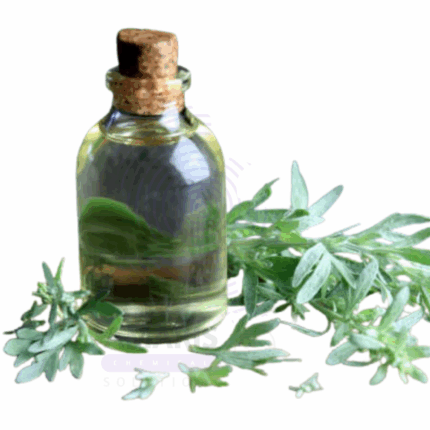
Absinth Oil
Absinth Oil, also known as Wormwood Essential Oil, is a highly aromatic essential oil extracted through steam distillation from the leaves and flowering tops of the Artemisia absinthium plant. Native to Europe and Asia and known historically for its use in absinthe liqueur, this oil features a sharp, bitter, herbaceous aroma with a green and slightly medicinal edge. Rich in thujone, chamazulene, and other bioactive compounds, Absinth Oil is known for its antimicrobial, anti-inflammatory, and digestive-stimulating properties.
While traditionally associated with herbal medicine and ritualistic use, modern applications of Absinth Oil span personal care, pharmaceuticals, and natural pest repellents. Due to its intensity and potential toxicity in high concentrations, it is used in very controlled amounts in fragrance and therapeutic blends. It is valued for its distinctive scent and potent botanical properties, particularly in cosmetics, aromatherapy, and natural cleaning formulations.

Almond Bitter Oil
Almond Bitter Oil, derived from the kernels of bitter almonds (Prunus amygdalus var. amara), is an essential oil known for its sharp, nutty, and marzipan-like aroma. This oil is produced through steam distillation of crushed bitter almond kernels and contains a naturally occurring compound called benzaldehyde, which gives it its characteristic scent. In purified form (free of hydrogen cyanide), bitter almond oil is used in fragrance, flavoring, and pharmaceutical applications.
Due to its potent aroma and biochemical properties, it is widely used in perfumery, baked goods flavoring (in controlled quantities), aromatherapy, and traditional topical remedies. It is important to distinguish between natural bitter almond oil, which must be detoxified, and synthetic benzaldehyde, which is commonly used as a substitute in commercial formulations.
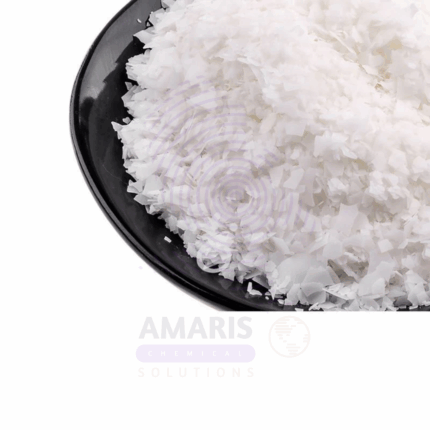
Almond Wax
Almond Wax is a natural, plant-based wax derived from the hydrogenation of almond oil (Prunus amygdalus dulcis). It is a creamy to white, semi-solid wax with a mild, nutty scent and excellent emollient properties. Almond Wax is rich in fatty acids and has a smooth, soft texture, making it ideal for use in cosmetic, personal care, and candle formulations.
Due to its gentle consistency, skin-friendly profile, and moisturizing capabilities, Almond Wax is widely used in body butters, balms, lip care products, massage bars, and artisan soaps. It functions as a natural alternative to petroleum-based waxes and provides structure, viscosity, and glide to formulations. It also finds application in soft wax blends for natural candle products.
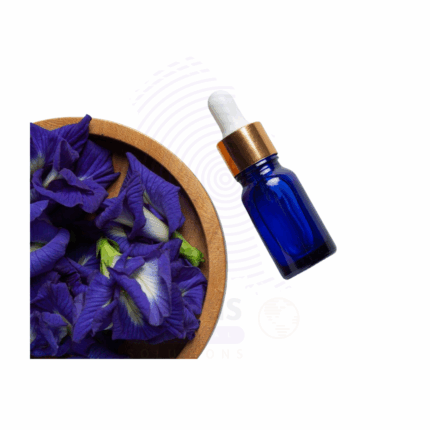
Blue Tansy Oil
Blue Tansy Oil is a rare and highly sought-after essential oil obtained via steam distillation of the flowers of Tanacetum annuum, a Moroccan chamomile species. Known for its deep indigo-blue color and distinctive sweet, herbaceous aroma with subtle fruity undertones, this oil is rich in chamazulene — a powerful anti-inflammatory compound that gives it its characteristic blue hue.
Blue Tansy Oil is celebrated in the cosmetic and personal care industry for its calming, soothing, and skin-balancing effects. It is especially beneficial in formulations for sensitive, irritated, or inflamed skin. In aromatherapy, it is valued for promoting relaxation and emotional ease. Its rarity and potency make it a premium choice for high-end skincare, therapeutic blends, and luxury personal care products.
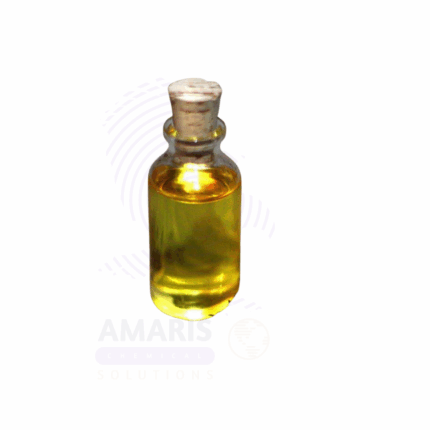
Caraway Oil
Caraway Oil is a volatile essential oil steam-distilled from the dried seeds of the Caraway plant (Carum carvi), a member of the Apiaceae family. It has a spicy, sweet, herbaceous aroma with warm undertones and is pale yellow to colorless in appearance. Known for its long-standing use in traditional herbal medicine and culinary flavoring, Caraway Oil contains carvone and limonene as its major constituents, responsible for its distinct aroma and therapeutic effects.
This oil is widely used in aromatherapy, digestive remedies, cosmetics, and pharmaceutical formulations. It is also valued in flavor manufacturing and oral care products for its carminative and antimicrobial properties.
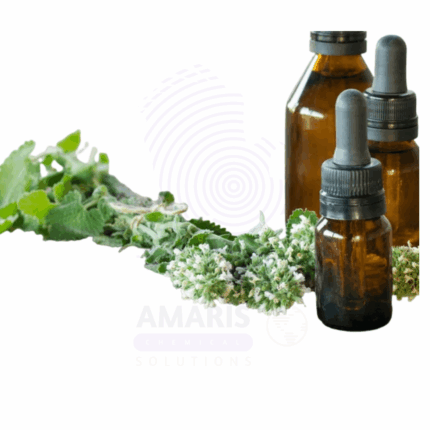
Catnip Oil
Catnip Oil is a highly aromatic essential oil steam-distilled from the leaves and flowering tops of Nepeta cataria, a herbaceous plant from the mint family. Known for its characteristic minty, herbaceous, and slightly sweet scent, Catnip Oil contains nepetalactone, a compound recognized for its insect-repellent and calming properties. Though commonly associated with its euphoric effects on cats, Catnip Oil is widely used in aromatherapy, natural insect repellents, and personal care products for humans. It also finds niche applications in pet care formulations and herbal preparations.
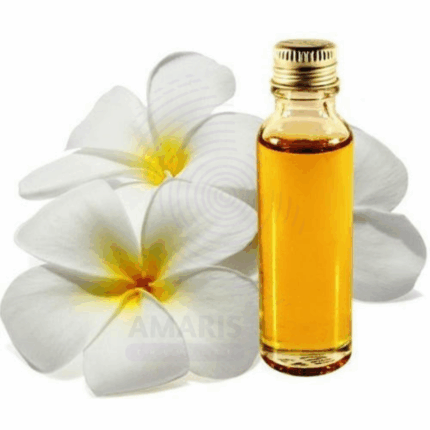
Michelia Flower Oil
Michelia Flower Oil is an essential oil extracted through steam distillation or solvent extraction from the flowers of Michelia species (e.g., Michelia champaca, Michelia alba). Known for its rich, floral, and slightly fruity aroma, it is widely used in perfumery, aromatherapy, and traditional medicine. The oil is prized for its therapeutic properties and as a natural fragrance ingredient.












