

 Preservatives(food)
 Flavors
 Acidulants
 Sweeteners
 Antioxidants
 Colorants(food)
 Nutraceutical Ingredients (food)
 Nutrient Supplements
 Emulsifiers
 Collectors
 Dust Suppressants
 Explosives and Blasting Agents
 Flocculants and Coagulants
 Frothers
 Leaching Agents
 pH Modifiers
 Precious Metal Extraction Agents
 Antioxidants(plastic)
 Colorants (Pigments, Dyes)
 Fillers and Reinforcements
 Flame Retardants
 Monomers
 Plasticizers
 Polymerization Initiators
 Stabilizers (UV, Heat)
 Antifoaming Agents
 Chelating Agents
 Coagulants and Flocculants
 Corrosion Inhibitors
 Disinfectants and Biocides
 Oxidizing Agents
 pH Adjusters
 Scale Inhibitors( water)
 Antioxidants(cosmetic)
 Emollients
 Oils
Oils Carrier Oills
 Essential Oils
 Humectants
 Preservatives
 Surfactants(cosmetic)
 Thickeners
 UV Filters
 Fertilizers
 Soil Conditioners
 Plant Growth Regulators
 Animal Feed Additives
 Biostimulants
 Pesticides (Herbicides, Insecticides, Fungicides)
 Active Pharmaceutical Ingredients (APIs)
 Excipients
 Solvents(pharmaceutical)
 Antibiotics
 Antiseptics and Disinfectants
 Vaccine Adjuvants
 Nutraceutical Ingredients (pharmaceutical)
 Analgesics & Antipyretics
 Analytical Reagents
 Solvents(lab)
 Chromatography Chemicals
 Spectroscopy Reagents
 microbiology-and-cell-culture-reagents
 Molecular Biology Reagents
 Biochemical Reagents
 Inorganic and Organic Standards
 Laboratory Safety Chemicals
 Specialty Laboratory Chemicals(Special Laboratory Equipment)
 Demulsifiers
 Hydraulic Fracturing Fluids
 Scale Inhibitors(oil)
 Surfactants(oil)
 Drilling Fluids
 Dyes and Pigments
 Bleaching Agents
 Softening Agents
 Finishing Agents
 Antistatic Agents
 Admixtures
 Waterproofing Agents
 Sealants and Adhesives
 Curing Compounds
 Concrete Repair Chemicals
 Anti-Corrosion Coatings
 Surfactants(cleaning)
 Builders
 Enzymes
 Solvents (Cleaning)
 Fragrances (Cleaning)
 Electronic Chemicals
 Catalysts
 Lubricants
 Photographic Chemicals
 Refrigerants
 Automotive chemicals
 Pyrotechnic Chemicals
 Biodegradable Surfactants
 Bio-based Solvents
 Renewable Polymers
 Carbon Capture Chemicals
 Wastewater Treatment Chemicals
 Pigments
 Solvents(paint)
 Specialty Coatings
 Binders/Resins
 Additives
 Driers
 Anti-Corrosion Agents
 Functional Coatings
 Application-Specific Coatings
 Leavening Agents
 Dough Conditioners
 Flour Treatments
 Fat Replacers
 Decoratives
 Preservatives(baking)
 Plasticizers & Softeners
 Reinforcing Agents
 Adhesion Promoters
 Vulcanizing Agents
 Antidegradants
 Blowing Agents
 Fillers & Extenders
 Accelerators & Retarders



Field Stain A and B Extra Pure
Original price was: $ 18.20.$ 18.09Current price is: $ 18.09.
Field Stain A and B Extra Pure are specially formulated biological stains used primarily in hematology and microbiology for rapid differential staining of blood smears and parasites, especially in field conditions. Field Stain A typically contains methylene blue and azure dyes dissolved in a phosphate buffer, which preferentially stains the nuclei and cytoplasm of white blood cells. Field Stain B, on the other hand, contains eosin and counterstains the red blood cells and other acidic cellular components. Together, these stains provide excellent contrast and clarity, making them ideal for identifying malarial parasites and conducting quick diagnostic assessments in low-resource or remote environments. Their extra pure quality ensures minimal contamination, consistent performance, and reliable results in both clinical and educational settings.
Field Stain A and B Extra Pure
Primary Uses
- Microscopic examination of blood smears:
Field Stain A (basic dye – methylene blue/azure) and Field Stain B (acidic dye – eosin) are primarily used together for rapid differential staining of blood films, particularly for identifying malaria parasites, trypanosomes, and other blood-borne pathogens. - Diagnostic hematology:
Vital for differentiating blood cells such as leukocytes, erythrocytes, and platelets under light microscopy in clinical labs and field settings.
Secondary Uses
- Parasitology field testing:
Favored in remote or low-resource settings due to its fast action and minimal need for lab infrastructure, supporting on-site diagnosis of parasitic infections. - Educational and training purposes:
Used in teaching laboratories for demonstrating blood cell morphology and staining techniques to students and trainees in hematology and pathology. - Comparative staining studies:
In research, it is sometimes used for comparing stain quality, efficiency, and morphological clarity with other stains like Giemsa or Wright’s.
| PACK SIZE | 25 grams Plastic Tin |
|---|
1. Basic Identification Attributes
- Product Name: Field Stain A and Field Stain B
- Type: Biological staining reagents (Romanowsky-type stains)
- Grade: Extra Pure (Laboratory Reagent Grade)
- Appearance:
- Field Stain A: Dark blue to purple solution (methylene blue + Azure I)
- Field Stain B: Reddish solution (Eosin Y in buffer)
2. Composition
- Field Stain A:
- Methylene Blue
- Azure I
- Glycerin
- Solvent (often ethanol or methanol)
- Field Stain B:
- Eosin Y
- Buffered aqueous or alcohol-based solution
3. Physical & Chemical Properties
- Solubility: Fully soluble in alcohols and water (depending on formulation)
- pH Range:
- A: Typically slightly basic
- B: Typically acidic (pH ~5–6)
- Stability: Stable in tightly sealed bottles, light-sensitive
- Storage: Store in cool, dry place away from light
4. Safety & Hazard Attributes
- GHS Classification:
- May contain components harmful if swallowed or inhaled
- Irritant to eyes and skin
- Hazard Statements:
- H315: Causes skin irritation
- H319: Causes serious eye irritation
- H335: May cause respiratory irritation
- PPE Requirements:
- Lab coat
- Nitrile gloves
- Eye protection
- Use under fume hood if aerosolized or heated
- First Aid Measures:
- Inhalation: Fresh air, seek attention if symptoms persist
- Skin Contact: Wash thoroughly with water
- Eye Contact: Flush with water for 15 minutes
- Ingestion: Rinse mouth, do not induce vomiting; seek medical attention
5. Storage & Handling Attributes
- Storage Conditions:
- Keep tightly closed
- Store at room temperature, away from heat and sunlight
- Avoid contamination between bottles
- Handling Notes:
- Shake before use if sedimented
- Use clean applicators to avoid microbial contamination
6. Regulatory & Compliance Attributes
- Field Stain A CAS Numbers (components):
- Methylene Blue: 61-73-4
- Azure I: 531-53-3
- Field Stain B CAS (Eosin Y): 17372-87-1
- Hazard Class: Not regulated as dangerous goods (small quantities)
- UN Number: Not applicable
7. Laboratory Applications
- Primary Uses:
- Hematological staining of blood smears, especially for malaria parasite detection
- Commonly used in field microscopy
- Differential staining of cytoplasm and nuclei
- Secondary Uses:
- Quick diagnostics in medical field labs
- Educational demonstrations of blood smear techniques
- Detection of protozoa and cell morphology in biological samples
SAFETY PRECAUTIONS
- May cause skin, eye, or respiratory irritation
- Use gloves and eye protection when handling
- Work in a well-ventilated area
Storage:
- Keep in tightly sealed amber bottles
- Store at room temperature, away from direct light and heat
FIRST AID MEASURES
- Inhalation: Move to fresh air
- Eye Contact: Rinse cautiously with water for several minutes
- Skin Contact: Wash off with soap and water
- Ingestion: Rinse mouth, seek medical attention if symptoms persist
Related products
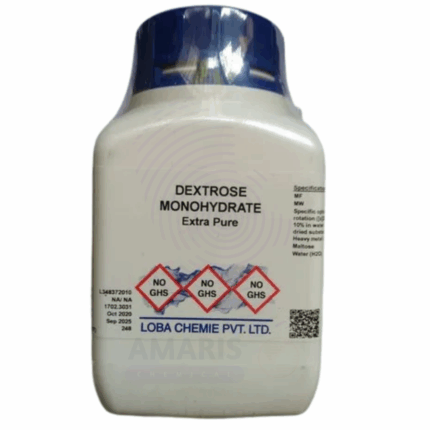
Dextrose Monohydrate Extra Pure
Dextrose Monohydrate Extra Pure is a high-purity crystalline form of glucose containing one molecule of water. It is widely used in laboratory settings as a carbon source in microbial culture media, fermentation processes, and biochemical assays. Its precise composition and consistent solubility make it ideal for preparing nutrient solutions, buffers, and test reagents. In research and educational labs, it supports various metabolic and enzymatic studies. This extra pure grade ensures minimal impurities, providing reliable results in sensitive analytical and biological applications. Store in a tightly sealed container in a cool, dry place to preserve its quality and prevent clumping.
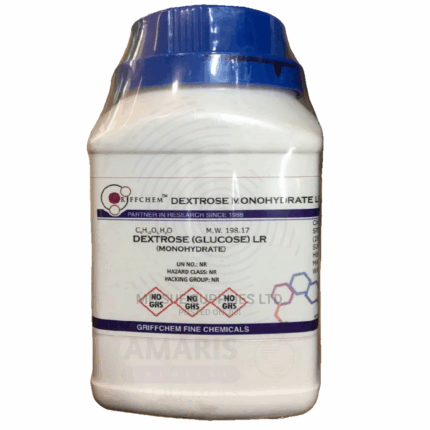
Dextrose Monohydrate Glucose Extra Pure
Dextrose Monohydrate Glucose Extra Pure is a laboratory-grade form of glucose with one molecule of water per glucose unit, offering high purity and excellent solubility in water. It serves as a vital energy source in microbiological culture media, fermentation experiments, and biochemical assays. Its predictable behavior and minimal impurities make it suitable for preparing reagents, buffers, and standard solutions in analytical and biological research. This compound is especially useful in cell culture work and metabolic studies where glucose is a key variable. Store in an airtight container away from moisture and direct sunlight to maintain its crystalline integrity.
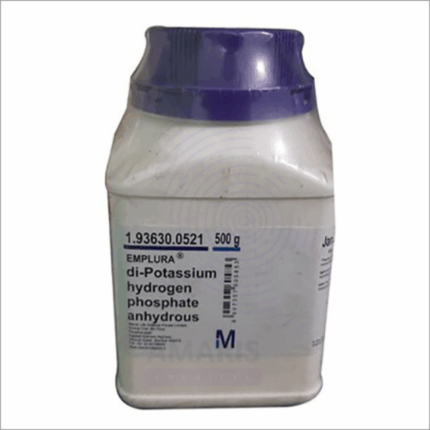
Dipotassium Hydrogen Phosphate Extra Pure
Dipotassium Hydrogen Phosphate Extra Pure is a high-purity inorganic salt commonly used in laboratories as a buffering agent, particularly in the preparation of phosphate buffer solutions for biochemical and analytical procedures. It plays a vital role in maintaining stable pH conditions in enzymatic and molecular biology experiments. Additionally, it serves as a source of potassium and phosphorus in various chemical reactions and culture media. This extra pure grade ensures excellent consistency and low levels of contaminants, making it ideal for high-precision lab work. It should be stored in a cool, dry place, tightly sealed to avoid moisture absorption.
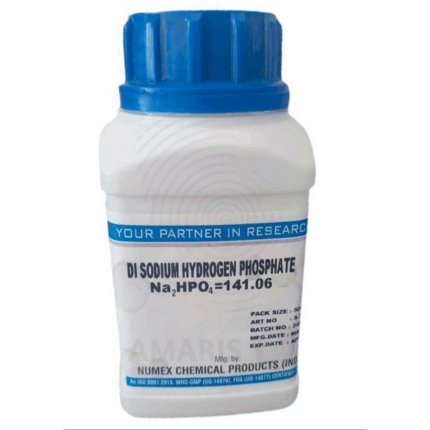
Disodium Hydrogen Phosphate Extra Pure
Disodium Hydrogen Phosphate Extra Pure is a high-purity, anhydrous inorganic salt widely used in laboratory settings as a buffering agent, pH regulator, and reagent in chemical analysis. It plays a crucial role in preparing phosphate buffer systems for biochemical assays, molecular biology protocols, and microbial culture media. With its reliable solubility and consistent reactivity, it supports accurate calibration of pH in solutions. Its extra pure grade ensures minimal contamination, making it ideal for use in sensitive analytical and research environments. Proper storage in airtight containers is recommended to prevent moisture absorption and preserve its effectiveness.

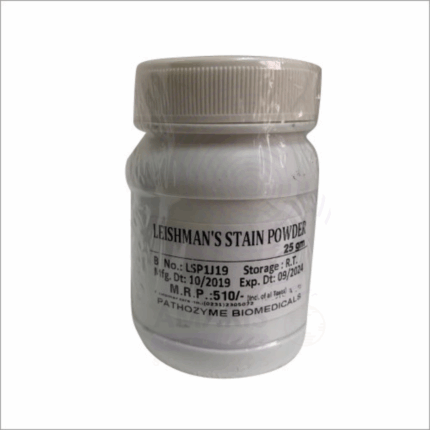
Leishman Stainpowder Extra Pure
Leishman Stainpowder Extra Pure is a high-quality, finely milled formulation used extensively in hematology and parasitology for the microscopic staining of blood smears. Comprising mainly methylene blue and eosin, this stain is essential for differentiating white and red blood cells, as well as detecting malarial parasites and other blood-borne pathogens. Its excellent staining clarity and consistency make it a staple in clinical laboratories, diagnostic centers, and research institutions. The powder is reconstituted in methanol before use and must be handled with care, avoiding inhalation or contact with skin and eyes. Proper storage in a dry, cool environment ensures long-term stability and performance.
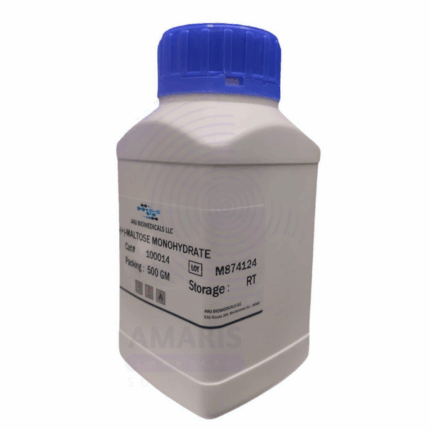
Maltose Extra Pure
Maltose Extra Pure is a disaccharide composed of two glucose units, commonly known as malt sugar. This extra pure grade ensures exceptional quality and consistency, making it ideal for use in biochemical research, fermentation studies, and laboratory analysis. In the food industry, maltose is valued for its mild sweetness and is often used in brewing, baking, and confectionery to promote fermentation and enhance flavor. It also plays a role in energy metabolism studies and is frequently used as a carbon source in microbiological media. Its stability and solubility in water make it easy to incorporate into various formulations, offering a dependable ingredient for scientific and industrial use where high purity is essential.
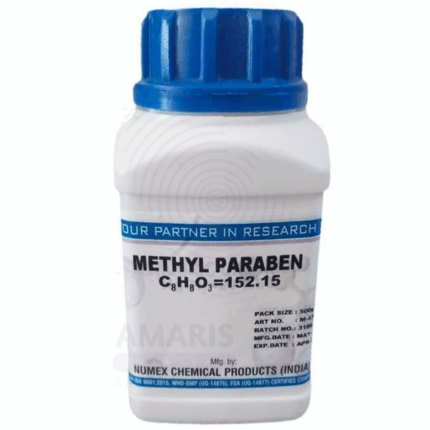
Methyl Paraben Extra Pure
Methyl Paraben Extra Pure is a high-purity chemical widely used as a preservative in pharmaceuticals, cosmetics, personal care products, and food applications. It is valued for its strong antimicrobial and antifungal properties, helping to extend the shelf life of various formulations by preventing the growth of bacteria and mold. In laboratories, it is commonly employed in microbiological media and analytical standards. Its excellent stability across a broad pH range, combined with low toxicity and high efficacy even at low concentrations, makes it a preferred choice in sensitive applications. This extra pure grade ensures consistent quality and performance for critical uses.
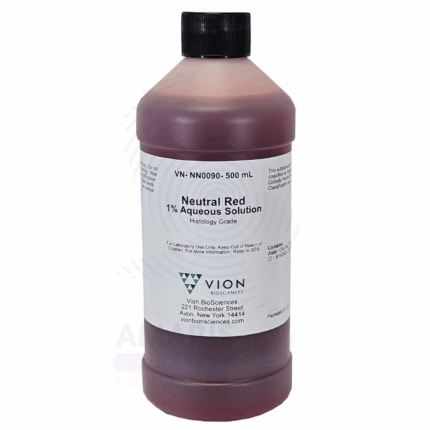
Neutral Red Solution Extra Pure
Neutral Red Solution Extra Pure is a high-purity, ready-to-use solution of the pH indicator dye Neutral Red, widely employed in biological, biochemical, and analytical laboratories. Known for its distinct color change—red in acidic environments and yellow in alkaline—it is commonly used to stain lysosomes in viable cells, making it invaluable in cell viability assays, cytotoxicity studies, and microscopic cell structure investigations.
This Extra Pure grade ensures excellent clarity and precision in results, especially in sensitive microbiological and histological procedures. It is frequently used in conjunction with culture media to observe metabolic activities and in vital staining techniques to differentiate between live and dead cells. Proper handling involves storing it in tightly sealed amber containers away from light and heat to maintain its stability and effectiveness.












