

 Preservatives(food)
 Flavors
 Acidulants
 Sweeteners
 Antioxidants
 Colorants(food)
 Nutraceutical Ingredients (food)
 Nutrient Supplements
 Emulsifiers
 Collectors
 Dust Suppressants
 Explosives and Blasting Agents
 Flocculants and Coagulants
 Frothers
 Leaching Agents
 pH Modifiers
 Precious Metal Extraction Agents
 Antioxidants(plastic)
 Colorants (Pigments, Dyes)
 Fillers and Reinforcements
 Flame Retardants
 Monomers
 Plasticizers
 Polymerization Initiators
 Stabilizers (UV, Heat)
 Antifoaming Agents
 Chelating Agents
 Coagulants and Flocculants
 Corrosion Inhibitors
 Disinfectants and Biocides
 Oxidizing Agents
 pH Adjusters
 Scale Inhibitors( water)
 Antioxidants(cosmetic)
 Emollients
 Oils
Oils Carrier Oills
 Essential Oils
 Humectants
 Preservatives
 Surfactants(cosmetic)
 Thickeners
 UV Filters
 Fragrance (Cosmetics)
 Fertilizers
 Soil Conditioners
 Plant Growth Regulators
 Animal Feed Additives
 Biostimulants
 Pesticides (Herbicides, Insecticides, Fungicides)
 Active Pharmaceutical Ingredients (APIs)
 Excipients
 Solvents(pharmaceutical)
 Antibiotics
 Antiseptics and Disinfectants
 Vaccine Adjuvants
 Nutraceutical Ingredients (pharmaceutical)
 Analgesics & Antipyretics
 Analytical Reagents
 Solvents(lab)
 Chromatography Chemicals
 Spectroscopy Reagents
 microbiology-and-cell-culture-reagents
 Molecular Biology Reagents
 Biochemical Reagents
 Inorganic and Organic Standards
 Laboratory Safety Chemicals
 Specialty Laboratory Chemicals(Special Laboratory Equipment)
 Demulsifiers
 Hydraulic Fracturing Fluids
 Scale Inhibitors(oil)
 Surfactants(oil)
 Drilling Fluids
 Dyes and Pigments
 Bleaching Agents
 Softening Agents
 Finishing Agents
 Antistatic Agents
 Admixtures
 Waterproofing Agents
 Sealants and Adhesives
 Curing Compounds
 Concrete Repair Chemicals
 Anti-Corrosion Coatings
 Surfactants(cleaning)
 Builders
 Enzymes
 Solvents (Cleaning)
 Electronic Chemicals
 Catalysts
 Lubricants
 Photographic Chemicals
 Refrigerants
 Automotive chemicals
 Pyrotechnic Chemicals
 Biodegradable Surfactants
 Bio-based Solvents
 Renewable Polymers
 Carbon Capture Chemicals
 Wastewater Treatment Chemicals
 Pigments
 Solvents(paint)
 Specialty Coatings
 Binders/Resins
 Additives
 Driers
 Anti-Corrosion Agents
 Functional Coatings
 Application-Specific Coatings
 Leavening Agents
 Dough Conditioners
 Flour Treatments
 Fat Replacers
 Decoratives
 Preservatives(baking)
 Plasticizers & Softeners
 Reinforcing Agents
 Adhesion Promoters
 Vulcanizing Agents
 Antidegradants
 Blowing Agents
 Fillers & Extenders
 Accelerators & Retarders


Absorption Tower
Original price was: $ 21.79.$ 21.67Current price is: $ 21.67.
An Absorption Tower is a vertical vessel used in industrial processes to remove specific components from gas streams by contact with a liquid solvent. This equipment facilitates mass transfer between the gas and liquid phases, allowing targeted pollutants or valuable compounds to be absorbed efficiently. Absorption Towers are commonly employed in chemical plants, refineries, and environmental control systems for gas scrubbing, purification, and recovery applications. They are designed for optimal gas-liquid contact, often using packing materials or trays to enhance surface area and improve absorption efficiency.
Absorption Tower
Primary Uses
- Industrial Gas Treatment
- Removal of acid gases such as sulfur dioxide (SO₂), carbon dioxide (CO₂), and hydrogen sulfide (H₂S) from flue gases and natural gas streams.
- Absorption of volatile organic compounds (VOCs) in air pollution control systems.
- Recovery of valuable gases like ammonia or solvents from waste gas streams.
- Chemical Processing
- Separation and purification of chemical components in synthesis processes.
- Absorption of reaction by-products to improve product quality and yield.
Secondary Uses
- Environmental Applications
- Air scrubbers in wastewater treatment plants to remove odors and harmful gases.
- Removal of contaminants in industrial exhaust before atmospheric release.
- Industrial and Commercial Applications
- Use in flue gas desulfurization systems at power plants and manufacturing facilities.
- Treatment of gases in petrochemical plants, refineries, and fertilizer production units.
- Absorption of moisture or other unwanted gases from air or process streams.
1. Basic Identification Attributes
- Equipment Type: Vertical absorption column
- Material: Carbon steel, stainless steel, or specialty alloys depending on application
- Design: Packed bed or tray type for gas-liquid contact
2. Physical & Chemical Properties
- Operating Pressure: Typically atmospheric to moderate pressures
- Operating Temperature: Varies by process; designed to withstand process conditions
- Gas-Liquid Contact: Enhanced by packing or trays to maximize mass transfer
3. Safety & Hazard Attributes
- Requires proper handling to avoid exposure to absorbed chemicals
- Designed to withstand corrosive environments with appropriate materials
4. Storage & Handling Attributes
- Installation requires secure foundation and proper connection to process lines
- Regular maintenance needed to prevent clogging or corrosion
5. Regulatory & Compliance Attributes
- Designed to meet industry standards for pressure vessels and environmental regulations
6. Environmental & Health Impact
- Helps reduce emissions and environmental pollutants
- Requires careful disposal or regeneration of absorbent liquids
Safety Handling Precautions
- Use personal protective equipment when servicing or inspecting
- Ensure proper ventilation around equipment
First Aid Measures
- Follow safety protocols for exposure to absorbed chemicals
- Seek medical attention if exposed to hazardous substances
Firefighting Measures
- Equipment is non-flammable but may handle flammable gases; use appropriate extinguishing media based on process materials
Related products
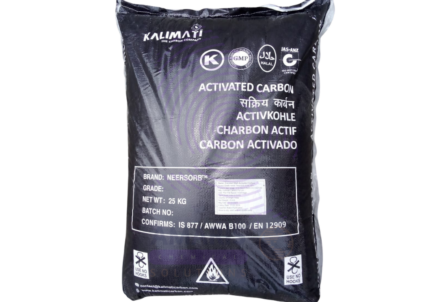
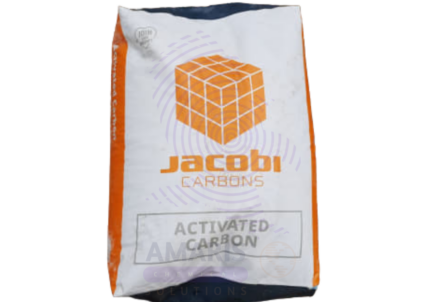
Activated Carbon (Charcoal)
Activated carbon is a highly porous, adsorptive material processed to have an exceptionally large surface area (typically 500-1500 m²/g) through thermal or chemical activation of carbon-rich source materials. This versatile adsorbent exists in powdered (PAC), granular (GAC), pelletized, and extruded forms, with pore structures specifically engineered for different applications ranging from water purification to gas treatment. Its extended surface area and complex pore network (micropores <2nm, mesopores 2-50nm, macropores >50nm) enable superior physical adsorption of contaminants through van der Waals forces, as well as chemical interactions with surface functional groups.
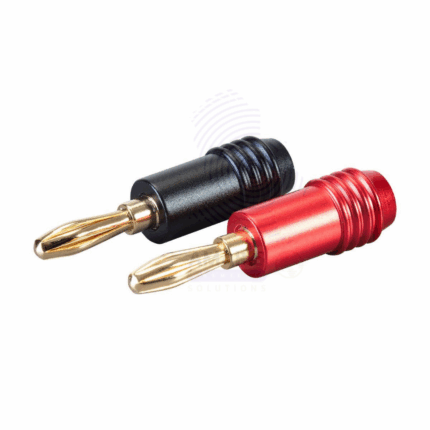
Banana Plug
The Banana Plug is a single-wire electrical connector used to join wires to equipment in testing, measuring, and laboratory applications. It features a cylindrical metal pin with a spring mechanism to ensure a secure and reliable connection. The plug is widely used for quick and easy connections in electronic testing devices, audio systems, and laboratory instruments. Made from high-conductivity metals such as brass or copper and often gold- or nickel-plated for corrosion resistance, the Banana Plug provides consistent electrical conductivity and durability.
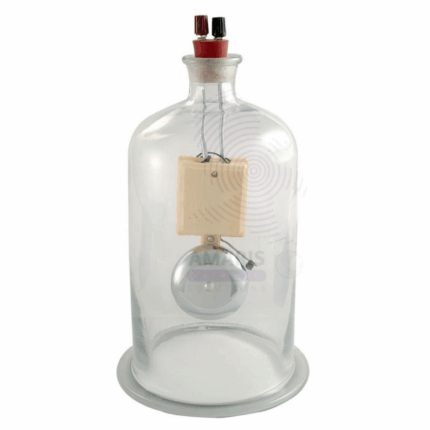
Bell in Vacuum
Bell in Vacuum is a crucial component used in vacuum systems to create an airtight seal and protect sensitive equipment from atmospheric contamination. Typically made of durable, corrosion-resistant materials, it forms part of vacuum chambers or devices requiring controlled environments. The bell ensures the maintenance of vacuum integrity by preventing air ingress, making it essential for experiments and industrial processes that depend on low-pressure or vacuum conditions.
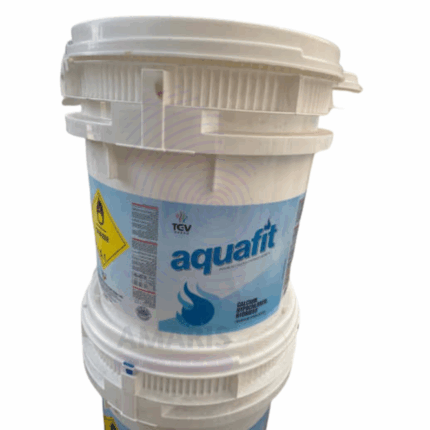
Calcium Hypochlorite
Calcium Hypochlorite Chlorine is a white to slightly yellow crystalline powder or granules known for its strong oxidizing and disinfectant properties. The 65% grade indicates the available chlorine content, making it a powerful bleaching, sanitizing, and oxidizing agent. It is commonly used for water treatment, sanitation, and as a bleaching agent in industrial and household applications. Calcium Hypochlorite dissolves in water to release hypochlorous acid, which effectively kills bacteria, viruses, and fungi.

clinostat clock type
The Clinostat Clock Type is a precision laboratory instrument designed to simulate microgravity conditions by continuously rotating biological samples or small objects along a horizontal axis. This rotation counteracts the effect of gravity, allowing researchers to study the effects of weightlessness on plant growth, cell cultures, and other biological specimens. Constructed with durable materials and calibrated for smooth, consistent rotation, the Clinostat Clock Type is widely used in botanical, microbiological, and space biology research.
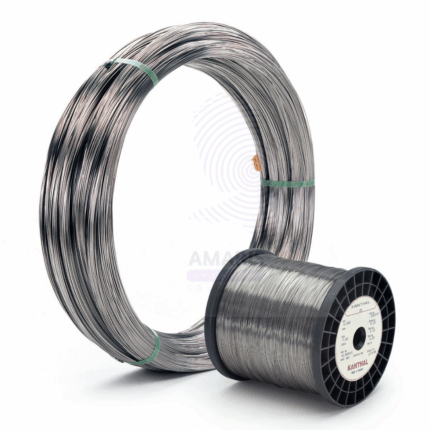
Constantine wire
Constantine Wire is an alloy wire composed primarily of copper, nickel, and zinc, known for its high electrical conductivity, corrosion resistance, and durability. It is widely used in electrical applications requiring reliable conduction and mechanical strength. The wire exhibits excellent resistance to oxidation and mechanical wear, making it suitable for various laboratory and industrial uses.
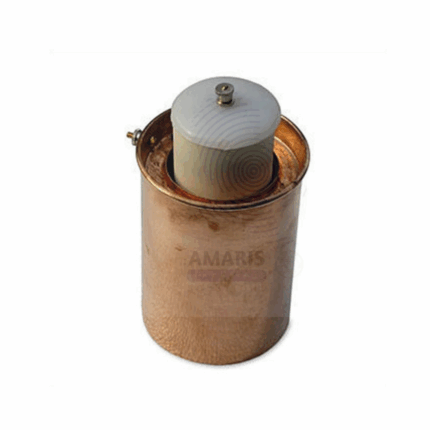
Daniel cell
The Daniel Cell is a classic electrochemical cell consisting of zinc and copper electrodes immersed in their respective sulfate solutions and connected by a salt bridge. It generates electrical energy through redox reactions and is used primarily for educational and laboratory demonstrations in electrochemistry.
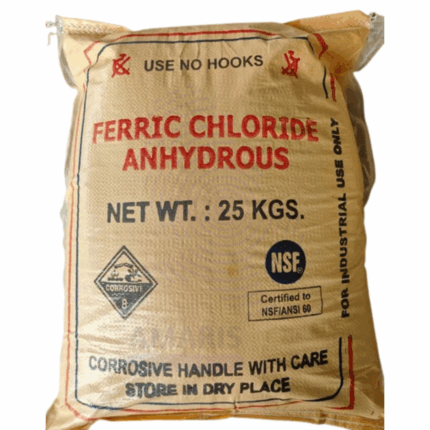
Ferric Chloride Anhydrous
Ferric Chloride Anhydrous (FeCl₃) is a dark brown to black crystalline solid with a metallic luster. It is a highly corrosive, hygroscopic inorganic salt widely used as a chemical reagent, catalyst, and coagulant. In its anhydrous form, ferric chloride is free of water and has a high purity of approximately 98%. It readily dissolves in water, releasing heat and producing acidic solutions. Ferric chloride is valued for its strong Lewis acid properties, making it effective in a variety of industrial, laboratory, and environmental applications. It is commonly supplied as a solid crystalline powder or lumps and should be handled with care due to its corrosive nature.












