

 Preservatives(food)
 Flavors
 Acidulants
 Sweeteners
 Antioxidants
 Colorants(food)
 Nutraceutical Ingredients (food)
 Nutrient Supplements
 Emulsifiers
 Collectors
 Dust Suppressants
 Explosives and Blasting Agents
 Flocculants and Coagulants
 Frothers
 Leaching Agents
 pH Modifiers
 Precious Metal Extraction Agents
 Antioxidants(plastic)
 Colorants (Pigments, Dyes)
 Fillers and Reinforcements
 Flame Retardants
 Monomers
 Plasticizers
 Polymerization Initiators
 Stabilizers (UV, Heat)
 Antifoaming Agents
 Chelating Agents
 Coagulants and Flocculants
 Corrosion Inhibitors
 Disinfectants and Biocides
 Oxidizing Agents
 pH Adjusters
 Scale Inhibitors( water)
 Antioxidants(cosmetic)
 Emollients
 Oils
Oils Carrier Oills
 Essential Oils
 Humectants
 Preservatives
 Surfactants(cosmetic)
 Thickeners
 UV Filters
 Fragrance (Cosmetics)
 Fertilizers
 Soil Conditioners
 Plant Growth Regulators
 Animal Feed Additives
 Biostimulants
 Pesticides (Herbicides, Insecticides, Fungicides)
 Active Pharmaceutical Ingredients (APIs)
 Excipients
 Solvents(pharmaceutical)
 Antibiotics
 Antiseptics and Disinfectants
 Vaccine Adjuvants
 Nutraceutical Ingredients (pharmaceutical)
 Analgesics & Antipyretics
 Analytical Reagents
 Solvents(lab)
 Chromatography Chemicals
 Spectroscopy Reagents
 microbiology-and-cell-culture-reagents
 Molecular Biology Reagents
 Biochemical Reagents
 Inorganic and Organic Standards
 Laboratory Safety Chemicals
 Specialty Laboratory Chemicals(Special Laboratory Equipment)
 Demulsifiers
 Hydraulic Fracturing Fluids
 Scale Inhibitors(oil)
 Surfactants(oil)
 Drilling Fluids
 Dyes and Pigments
 Bleaching Agents
 Softening Agents
 Finishing Agents
 Antistatic Agents
 Admixtures
 Waterproofing Agents
 Sealants and Adhesives
 Curing Compounds
 Concrete Repair Chemicals
 Anti-Corrosion Coatings
 Surfactants(cleaning)
 Builders
 Enzymes
 Solvents (Cleaning)
 Electronic Chemicals
 Catalysts
 Lubricants
 Photographic Chemicals
 Refrigerants
 Automotive chemicals
 Pyrotechnic Chemicals
 Biodegradable Surfactants
 Bio-based Solvents
 Renewable Polymers
 Carbon Capture Chemicals
 Wastewater Treatment Chemicals
 Pigments
 Solvents(paint)
 Specialty Coatings
 Binders/Resins
 Additives
 Driers
 Anti-Corrosion Agents
 Functional Coatings
 Application-Specific Coatings
 Leavening Agents
 Dough Conditioners
 Flour Treatments
 Fat Replacers
 Decoratives
 Preservatives(baking)
 Plasticizers & Softeners
 Reinforcing Agents
 Adhesion Promoters
 Vulcanizing Agents
 Antidegradants
 Blowing Agents
 Fillers & Extenders
 Accelerators & Retarders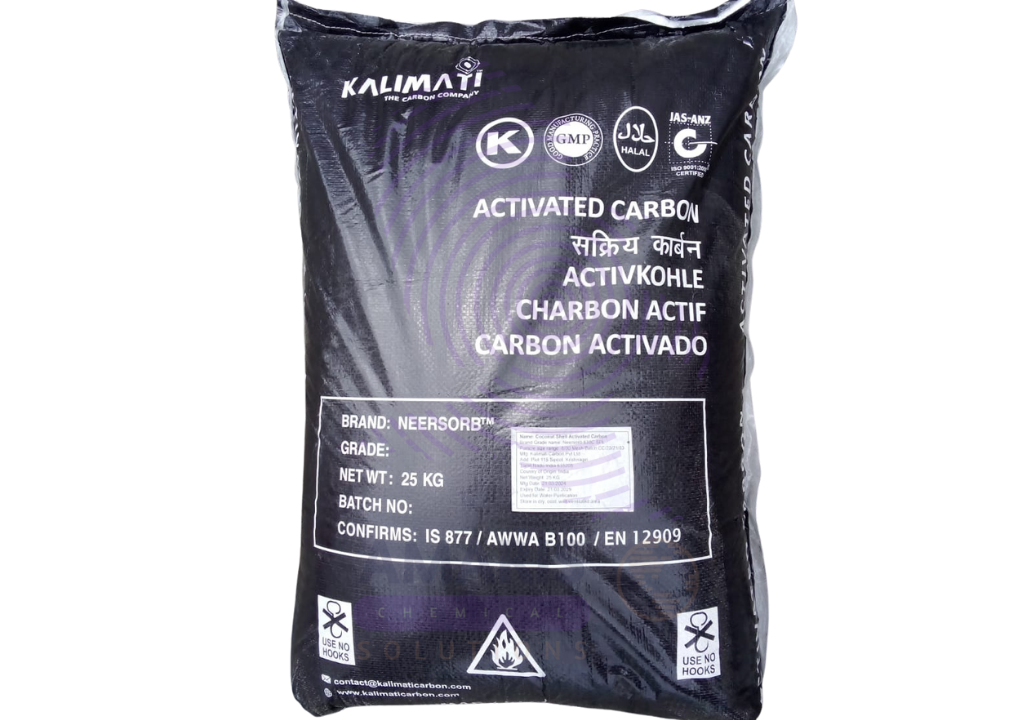
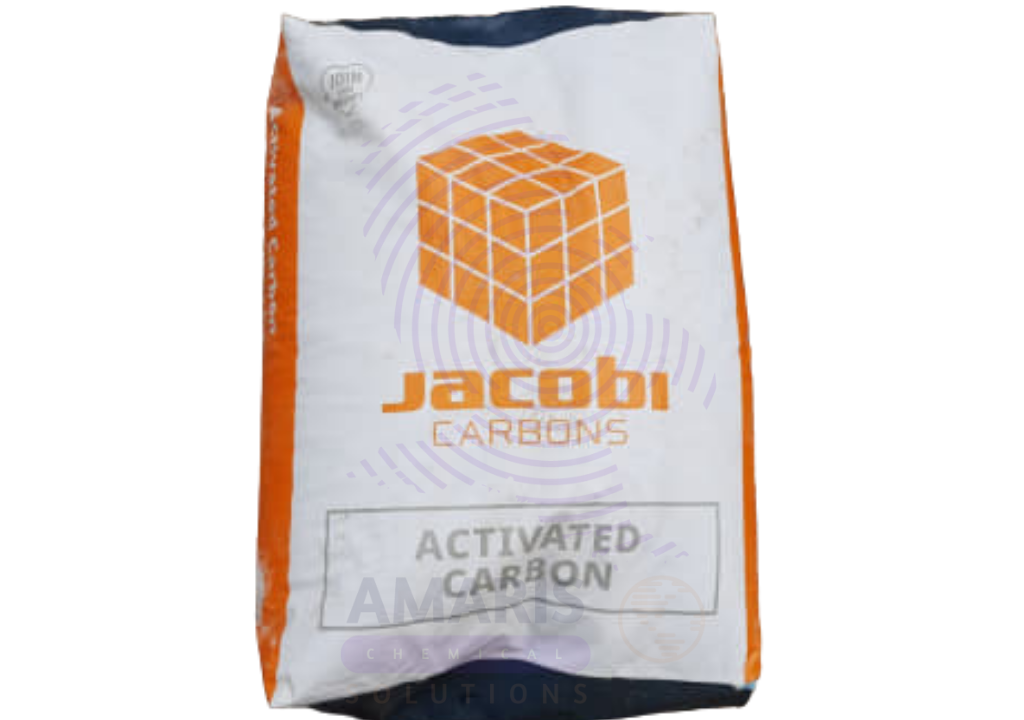


Activated Carbon (Charcoal)
Original price was: $ 7.00.$ 6.81Current price is: $ 6.81.
Activated carbon is a highly porous, adsorptive material processed to have an exceptionally large surface area (typically 500-1500 m²/g) through thermal or chemical activation of carbon-rich source materials. This versatile adsorbent exists in powdered (PAC), granular (GAC), pelletized, and extruded forms, with pore structures specifically engineered for different applications ranging from water purification to gas treatment. Its extended surface area and complex pore network (micropores <2nm, mesopores 2-50nm, macropores >50nm) enable superior physical adsorption of contaminants through van der Waals forces, as well as chemical interactions with surface functional groups.
Activated Carbon
Primary Uses
- Water Purification
- Removes chlorine, organic contaminants, and heavy metals (e.g., lead, mercury) from drinking water.
- Used in household filters (Brita), municipal treatment plants, and aquariums.
- Air & Gas Filtration
- Captures VOCs (volatile organic compounds), odors, and toxic gases (e.g., in industrial scrubbers, HVAC systems).
- Essential in gas masks, car cabin filters, and cigarette filters.
- Medical & Pharmaceutical
- Poison/toxin treatment (emergency antidote for drug overdoses).
- Used in kidney dialysis machines to filter blood toxins.
- Food & Beverage Industry
- Decolorizes sugar, oils, and alcoholic beverages (e.g., vodka, whiskey).
- Removes off-flavors and impurities in food processing.
- Gold Mining & Metal Recovery
- Extracts gold from cyanide solutions via adsorption (CIP/CIL processes).
Secondary Uses
- Soil Remediation
- Treats pesticide/herbicide contamination in agriculture.
- Electronics & Energy Storage
- Used in supercapacitors and battery electrodes for high surface area.
- Beauty & Skincare
- Found in detoxifying face masks, toothpaste, and deodorants.
- Wine & Coffee Production
- Adjusts tannin levels and removes bitterness.
- Industrial Catalysis
- Supports chemical catalysts in reactions like hydrogenation.
1. Basic Identification Attributes
- Chemical Name (IUPAC): Carbon, activated
- Common/Trade Names:
- Activated charcoal
- Active carbon
- AC (abbreviation)
- CAS Number: [7440-44-0] (for carbon)
- HS Code: 3802.10.00 (activated carbon)
- Molecular Formula: C (amorphous, high surface area)
- Synonyms:
- Decolorizing carbon
- Adsorbent carbon
- Filter carbon
2. Physical & Chemical Properties
- Physical State: Fine black powder, granules, or pellets
- Color & Odor: Black; odorless
- Melting Point: Sublimes at ~3,650°C (does not melt)
- Boiling Point: N/A (sublimes)
- Density:
- Bulk density: 0.25–0.60 g/cm³
- True density: ~2.0 g/cm³
- Surface Area: 500–1,500 m²/g (BET method)
- Porosity:
- Microporous (<2 nm)
- Mesoporous (2–50 nm)
- Macroporous (>50 nm)
- Solubility: Insoluble in water and organic solvents
- pH Level: 6–11 (depends on activation method)
- Moisture Content: ≤10% (as shipped)
- Ash Content: ≤5% (typical)
3. Safety & Hazard Attributes
- Hazard Class (GHS):
- Not classified as hazardous (non-toxic)
- May cause dust irritation (mechanical hazard)
- NFPA Ratings:
- Health: 1
- Flammability: 1 (dust can be combustible)
- Reactivity: 0
- Exposure Limits:
- OSHA PEL (Carbon Black): 3.5 mg/m³ (respirable)
- ACGIH TLV: 10 mg/m³ (inhalable particles)
- Reactivity:
- Stable under normal conditions
- Reacts with strong oxidizers (e.g., peroxides, chlorine)
- Can catalyze certain chemical reactions
4. Storage & Handling Attributes
- Storage Conditions:
- Dry, cool, well-ventilated area
- Keep away from oxidizers and moisture
- Incompatible Materials:
- Strong oxidizers (e.g., perchlorates, nitrates)
- Halogens (e.g., chlorine, fluorine)
- Container Type:
- Sealed bags (polypropylene-lined)
- Fiber drums (for bulk storage)
- Shelf Life: Indefinite if stored properly
- Special Handling:
- Use dust masks (NIOSH N95) in high-dust areas
- Ground equipment to prevent static sparks
5. Regulatory & Compliance Attributes
- Regulatory Status:
- FDA (USA): Approved for food/water treatment (21 CFR 173.225)
- EU: Compliant with REACH, food-grade (E153)
- NSF/ANSI 61: Certified for drinking water
- Hazard Symbols (GHS): None (non-hazardous)
- Transportation Restrictions:
- Not regulated as hazardous material
- UN number: None (unless wetted, then UN1362)
- Waste Disposal:
- Non-hazardous waste (landfill or reactivation)
- Spent carbon may require special disposal (if contaminated)
6. Environmental & Health Impact
- Ecotoxicity:
- Non-toxic to aquatic life (LC50 >100 mg/L)
- Persistence in Environment:
- Does not degrade (inert)
- Can be reactivated/reused
- Carcinogenicity:
- IARC: Not classified (Group 3)
- NTP: Not listed
- Biodegradability: Non-biodegradable
Safety Precautions
Personal Protective Equipment (PPE):
- Respiratory Protection: NIOSH-approved N95 mask (for dust)
- Eye Protection: Safety goggles (if dust is airborne)
- Gloves: Nitrile or latex (to prevent skin irritation)
- Clothing: Long sleeves + lab coat (for dust control)
Handling & Storage:
- Minimize dust generation (use closed systems or wet methods)
- Store in a dry, well-ventilated area (away from oxidizers)
- Ground containers (static electricity can ignite fine dust)
- Avoid open flames/sparks (dust can be explosive at high concentrations)
Hygiene Practices:
- No eating/drinking in handling areas
- Wash hands after use
- Use local exhaust ventilation (LEV) if handling large quantities
First Aid Measures
Inhalation (Dust):
- Move to fresh air
- Seek medical help if breathing difficulty persists
Eye Contact:
- Rinse with water for 15 minutes
- Seek medical attention if irritation continues
Skin Contact:
- Wash with soap and water
- Apply moisturizer if dryness occurs
Ingestion:
- Rinse mouth with water
- Drink water to dilute
- Seek medical advice if large amounts are swallowed
Firefighting Measures
Fire Hazards:
- Combustible dust (can explode at high concentrations in air)
- No flash point (but smolders if ignited)
Extinguishing Media:
✔ Water spray (best for smoldering carbon)
✔ Dry chemical powder
✔ CO₂
Firefighting Precautions:
- Do NOT use water jets (can spread dust)
- Wear SCBA (self-contained breathing apparatus)
- Cool nearby containers with water spray
Spill & Disposal
Small Spills:
- Wear a dust mask
- Sweep up carefully (avoid raising dust)
- Place in sealed container
Large Spills:
- Dampen with water to control dust
- Use industrial vacuum (explosion-proof if available)
Disposal:
- Dispose as non-hazardous waste (unless contaminated)
- Follow local regulations
Related products
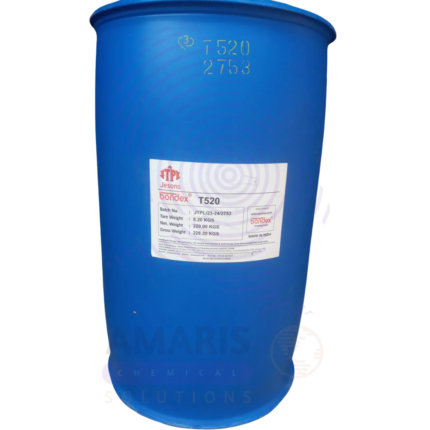
Acticide HF (Incan)
Acticide HF is a proven, broad-spectrum industrial biocide manufactured by Thor Group specifically for in-can preservation of water-based industrial products. It is a clear, colorless to pale blue or pale green liquid with a mild odor, designed for easy incorporation into aqueous formulations. The product is based on a synergistic combination of active ingredients including 5-Chloro-2-methyl-4-isothiazolin-3-one (CIT), 2-Methyl-4-isothiazolin-3-one (MIT), and formaldehyde. This well-established formulation protects water-based formulations against bacteria, molds, and yeasts, ensuring product stability and extended shelf life across demanding conditions. Technical grade Acticide HF is manufactured for industrial use and is not intended for direct human consumption, medical applications, or food preservation.
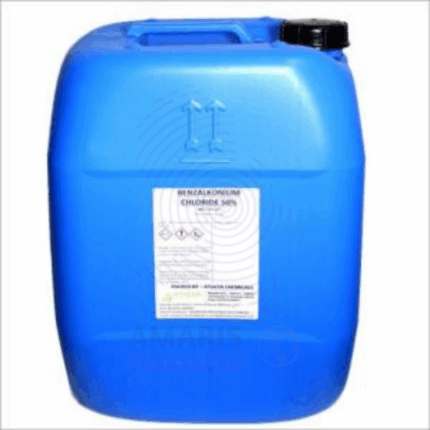
Benzyl Konium Chloride
Benzyl Konium Chloride (BAC) 50% is a quaternary ammonium compound with potent antimicrobial and disinfectant properties. It is a cationic surfactant widely used for its bactericidal, fungicidal, and virucidal effects. This clear to pale yellow liquid concentrate is highly soluble in water and is commonly used in healthcare, sanitation, and industrial hygiene applications. BAC 50% solutions serve as active ingredients in disinfectants, sanitizers, and antiseptics due to their effectiveness against a broad spectrum of microorganisms.
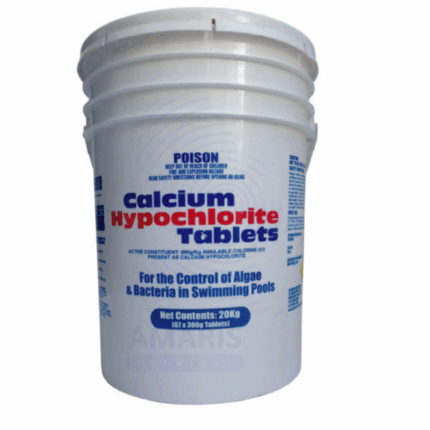
Chlorine Tablets
Chlorine Tablets are solid, compressed forms of chlorine-releasing compounds, typically composed of stabilized trichloroisocyanuric acid (TCCA) or sodium dichloroisocyanurate (SDIC). These tablets are used primarily for water disinfection and sanitation due to their controlled and sustained release of chlorine. They appear as white to off-white, hard tablets with a mild chlorine odor. Chlorine Tablets are widely used in swimming pools, drinking water treatment, wastewater treatment, and industrial sanitization processes. Their slow dissolution ensures prolonged antimicrobial activity, providing effective control against bacteria, viruses, algae, and other pathogens.
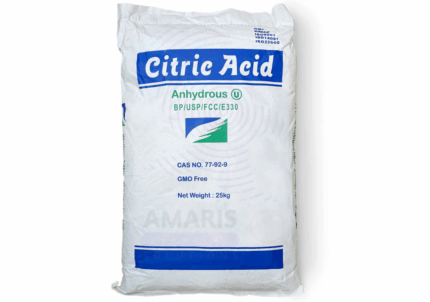
Citric Acid Anhydrous
Citric Acid Anhydrous is a white, crystalline organic acid widely used across food, pharmaceutical, cosmetic, and industrial sectors. It is the anhydrous form of citric acid, meaning it contains no water molecules in its crystal lattice, resulting in higher purity and more concentrated acidic properties compared to its monohydrate form. Derived from natural sources like citrus fruits or produced via microbial fermentation, citric acid anhydrous is valued for its sour taste, excellent chelating ability, and buffering capacity. It serves as a natural preservative, pH adjuster, antioxidant synergist, and cleaning agent, making it a versatile ingredient in many formulations.
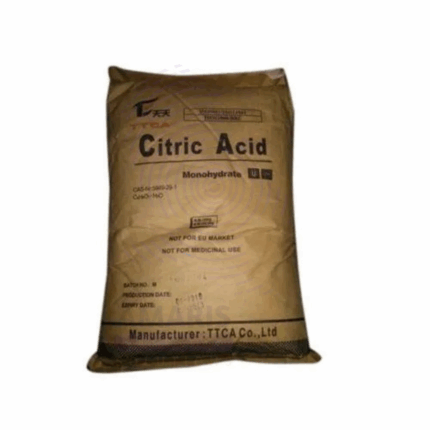
Citric Acid Monohydrate
Citric Acid Monohydrate is a white, crystalline powder or granule form of citric acid containing one molecule of water per molecule of acid. It is a natural organic acid commonly derived from citrus fruits or produced by fermentation processes. Citric Acid Monohydrate is widely used as an acidulant, preservative, and chelating agent in various industries. Compared to the anhydrous form, it has a slightly lower acid concentration due to the water molecule but offers excellent solubility and stability. It is prized for its sour flavor, buffering capacity, and ability to bind metal ions, making it indispensable in food, pharmaceutical, cosmetic, and industrial applications.
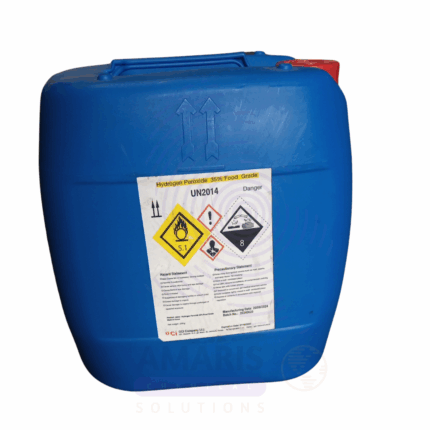

Hydrogen Peroxide Food Grade
Hydrogen Peroxide Food Grade is a highly concentrated aqueous solution of hydrogen peroxide (H₂O₂), formulated specifically for use in food processing and related applications. It appears as a clear, colorless liquid with a slightly sharp, acrid odor. Renowned for its powerful oxidizing and bleaching properties, hydrogen peroxide is a strong antimicrobial agent and environmentally friendly disinfectant that decomposes into water and oxygen, leaving no harmful residues. The food-grade designation ensures compliance with strict purity standards, making it suitable for direct and indirect food contact uses, including sterilization, sanitation, and preservation.
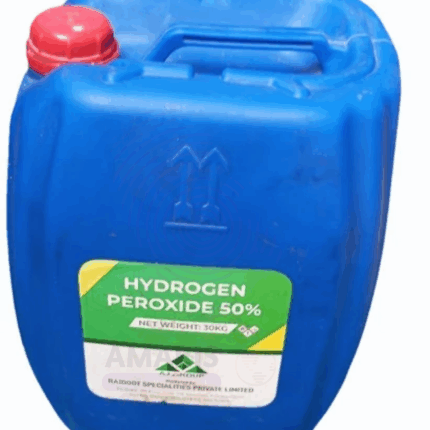
Hydrogen Peroxide Tech Grade
Hydrogen Peroxide Tech Grade is a highly concentrated aqueous solution of hydrogen peroxide (H₂O₂) designed primarily for industrial and technical applications. It is a clear, colorless liquid with a sharp, acrid odor. Known for its strong oxidizing, bleaching, and disinfecting properties, this tech-grade formulation is typically used where high reactivity is required, often in non-food processes. It decomposes into environmentally benign by-products—water and oxygen—making it a preferred agent for sustainable industrial processes.

Liquid Chlorine
Liquid Chlorine is a pale yellow-green, highly reactive chemical primarily composed of chlorine dissolved in water or as liquefied chlorine gas under pressure. It is widely used as a powerful disinfectant, bleaching agent, and oxidizer in water treatment, sanitation, and various industrial applications. Due to its strong antimicrobial properties, liquid chlorine effectively controls bacteria, viruses, algae, and other microorganisms, ensuring safe potable water and hygienic conditions.












