

 Preservatives(food)
 Flavors
 Acidulants
 Sweeteners
 Antioxidants
 Colorants(food)
 Nutraceutical Ingredients (food)
 Nutrient Supplements
 Emulsifiers
 Collectors
 Dust Suppressants
 Explosives and Blasting Agents
 Flocculants and Coagulants
 Frothers
 Leaching Agents
 pH Modifiers
 Precious Metal Extraction Agents
 Antioxidants(plastic)
 Colorants (Pigments, Dyes)
 Fillers and Reinforcements
 Flame Retardants
 Monomers
 Plasticizers
 Polymerization Initiators
 Stabilizers (UV, Heat)
 Antifoaming Agents
 Chelating Agents
 Coagulants and Flocculants
 Corrosion Inhibitors
 Disinfectants and Biocides
 Oxidizing Agents
 pH Adjusters
 Scale Inhibitors( water)
 Antioxidants(cosmetic)
 Emollients
 Oils
Oils Carrier Oills
 Essential Oils
 Humectants
 Preservatives
 Surfactants(cosmetic)
 Thickeners
 UV Filters
 Fragrance (Cosmetics)
 Fertilizers
 Soil Conditioners
 Plant Growth Regulators
 Animal Feed Additives
 Biostimulants
 Pesticides (Herbicides, Insecticides, Fungicides)
 Active Pharmaceutical Ingredients (APIs)
 Excipients
 Solvents(pharmaceutical)
 Antibiotics
 Antiseptics and Disinfectants
 Vaccine Adjuvants
 Nutraceutical Ingredients (pharmaceutical)
 Analgesics & Antipyretics
 Analytical Reagents
 Solvents(lab)
 Chromatography Chemicals
 Spectroscopy Reagents
 microbiology-and-cell-culture-reagents
 Molecular Biology Reagents
 Biochemical Reagents
 Inorganic and Organic Standards
 Laboratory Safety Chemicals
 Specialty Laboratory Chemicals(Special Laboratory Equipment)
 Demulsifiers
 Hydraulic Fracturing Fluids
 Scale Inhibitors(oil)
 Surfactants(oil)
 Drilling Fluids
 Dyes and Pigments
 Bleaching Agents
 Softening Agents
 Finishing Agents
 Antistatic Agents
 Admixtures
 Waterproofing Agents
 Sealants and Adhesives
 Curing Compounds
 Concrete Repair Chemicals
 Anti-Corrosion Coatings
 Surfactants(cleaning)
 Builders
 Enzymes
 Solvents (Cleaning)
 Electronic Chemicals
 Catalysts
 Lubricants
 Photographic Chemicals
 Refrigerants
 Automotive chemicals
 Pyrotechnic Chemicals
 Biodegradable Surfactants
 Bio-based Solvents
 Renewable Polymers
 Carbon Capture Chemicals
 Wastewater Treatment Chemicals
 Pigments
 Solvents(paint)
 Specialty Coatings
 Binders/Resins
 Additives
 Driers
 Anti-Corrosion Agents
 Functional Coatings
 Application-Specific Coatings
 Leavening Agents
 Dough Conditioners
 Flour Treatments
 Fat Replacers
 Decoratives
 Preservatives(baking)
 Plasticizers & Softeners
 Reinforcing Agents
 Adhesion Promoters
 Vulcanizing Agents
 Antidegradants
 Blowing Agents
 Fillers & Extenders
 Accelerators & Retarders
Tricide 30E
Tricide 30E is a versatile emulsifiable concentrate formulation primarily used as a broad-spectrum biocide. It is designed to control bacterial, fungal, and algal growth in industrial water treatment, cooling towers, paper mills, and oilfield applications. The product combines potent antimicrobial agents to effectively inhibit microbial contamination, biofilm formation, and corrosion, thereby enhancing system efficiency and longevity. Tricide 30E is favored for its ease of use, stability in diverse water chemistries, and strong efficacy against a wide range of microorganisms.
Tricide 30E
Primary Uses
- Industrial Water Treatment
- Controls microbial growth in cooling towers, boilers, and recirculating water systems to prevent biofouling and corrosion.
- Oilfield Applications
- Used to control bacteria and sulfide-producing microbes in oil and gas production systems, reducing souring and corrosion.
- Paper and Pulp Industry
- Inhibits microbial growth in paper mill water circuits, helping maintain product quality and equipment integrity.
- Paints and Coatings
- Prevents microbial spoilage in water-based paints and coatings formulations.
Secondary Uses
- Wastewater Treatment
- Used to reduce microbial contamination and improve treatment efficiency.
- Cooling Water Systems in HVAC
- Controls microbial growth in air conditioning and refrigeration systems.
- Agricultural Equipment
- Applied to prevent microbial-induced corrosion in irrigation and spraying systems.
- Marine Industry
- Used to control fouling and microbial growth in ballast water and onboard water systems.
1. Basic Key Attributes
- Chemical Name (IUPAC): Proprietary blend of biocidal agents (usually contains isothiazolinones or other antimicrobial compounds)
- Common/Trade Name: Tricide 30E
- CAS Number: Mixture; individual components vary
- HS Code: 3808.94.90
- Synonyms: Industrial biocide concentrate, antimicrobial concentrate
2. Physical & Chemical Properties
- Physical State: Dark brown to amber liquid
- Color & Odor: Characteristic odor typical of biocides
- Density: Approx. 1.1 - 1.2 g/cm³
- pH: Typically acidic to neutral (pH 4–7)
- Solubility: Miscible with water upon dilution
3. Safety & Hazard Attributes
- GHS Classification: Acute toxicity, skin and eye irritation, environmental hazard (varies by formulation)
- Toxicity: Harmful if swallowed; causes skin and eye irritation
- Exposure Limits: Follow workplace safety guidelines; avoid prolonged exposure
4. Storage & Handling Attributes
- Storage Conditions: Store in a cool, dry, well-ventilated area away from incompatible substances
- Container Type: Polyethylene drums or jerrycans
- Shelf Life: Typically 12-24 months if stored properly
- Handling Precautions: Use protective gloves, goggles, and adequate ventilation to avoid exposure
5. Regulatory & Compliance Attributes
- Registered and compliant with relevant local and international biocide regulations
- Manufactured under GMP standards ensuring consistent quality
- Complies with environmental safety and transport regulations, including UN classification for biocides
6. Environmental & Health Impact
- Biodegradability: Varies depending on formulation; generally moderate
- Ecotoxicity: Toxic to aquatic organisms; prevent environmental release
- Bioaccumulation: Not significant
Safety Handling Precautions
- PPE Required: Gloves, eye protection, and respiratory protection when handling concentrate
- Handling Guidelines: Avoid skin and eye contact; ensure good ventilation
- Storage Measures: Keep containers tightly closed and upright
First Aid Measures
- Inhalation: Move to fresh air; seek medical attention if breathing difficulties occur
- Skin Contact: Wash with soap and water; remove contaminated clothing
- Eye Contact: Flush eyes with water for 15 minutes; get medical help if irritation persists
- Ingestion: Rinse mouth; do not induce vomiting; seek immediate medical attention
Firefighting Measures
- Fire Hazards: Combustible liquid
- Extinguishing Media: Foam, dry chemical, CO₂
- Hazardous Combustion Products: Carbon oxides, nitrogen oxides, sulfur oxides depending on formulation
Related products
Acticide HF (Incan)
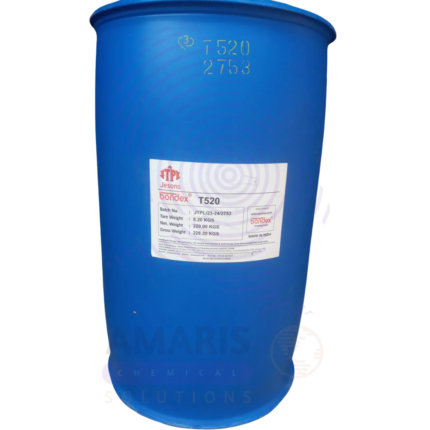
Acticide HF is a proven, broad-spectrum industrial biocide manufactured by Thor Group specifically for in-can preservation of water-based industrial products. It is a clear, colorless to pale blue or pale green liquid with a mild odor, designed for easy incorporation into aqueous formulations. The product is based on a synergistic combination of active ingredients including 5-Chloro-2-methyl-4-isothiazolin-3-one (CIT), 2-Methyl-4-isothiazolin-3-one (MIT), and formaldehyde. This well-established formulation protects water-based formulations against bacteria, molds, and yeasts, ensuring product stability and extended shelf life across demanding conditions. Technical grade Acticide HF is manufactured for industrial use and is not intended for direct human consumption, medical applications, or food preservation.
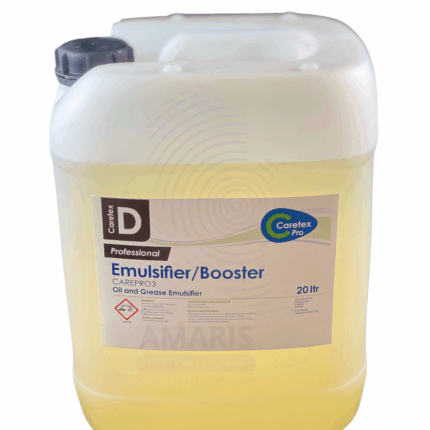
Booster Emulsifier
Booster Emulsifier is a specialized surfactant-based additive formulated to enhance the stability, texture, and uniformity of emulsions in food, cosmetic, and pharmaceutical formulations. It acts by reducing surface tension between immiscible liquids such as oil and water, facilitating the formation of stable, homogeneous emulsions. Booster Emulsifier is valued for its ability to improve product appearance, extend shelf life, and enhance sensory properties such as mouthfeel and creaminess. It is typically available as a liquid or powder and compatible with a wide range of ingredients.
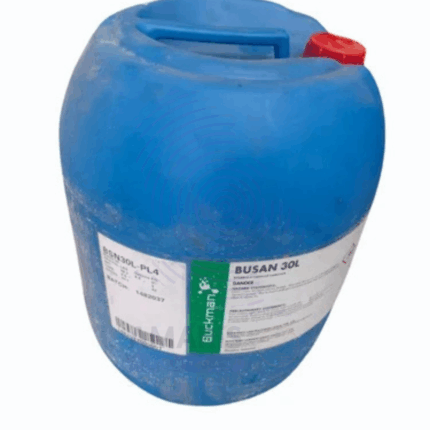
Busan
Busan is a brand name associated with a comprehensive range of specialty chemicals, primarily including surfactants, dispersants, and performance additives. These products are engineered to optimize the properties of coatings, paints, inks, adhesives, and other industrial formulations. Busan specialty chemicals enhance formulation stability, improve pigment dispersion, control rheology, and boost wetting and flow characteristics, leading to superior application and end-use performance. Designed for versatility and efficiency, Busan products are widely used across the coatings, printing, plastics, and chemical manufacturing industries.
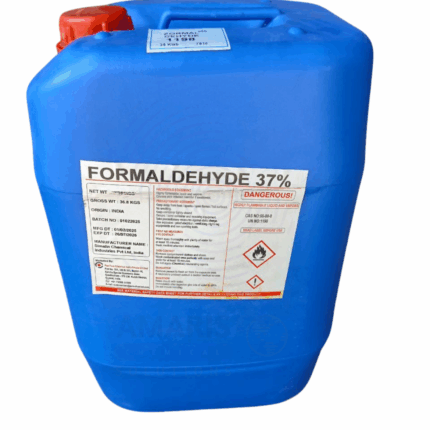
Formaldehyde (Formalin)
Formaldehyde (Formalin) is an aqueous solution containing approximately 37% formaldehyde by weight, stabilized typically with 10-15% methanol to prevent polymerization. It is a clear, colorless liquid with a pungent, penetrating odor. Formaldehyde is a simple aldehyde widely used as a disinfectant, preservative, and chemical intermediate. Formalin’s powerful antimicrobial and tissue-fixation properties make it essential in medical, laboratory, industrial, and manufacturing applications. It is one of the most commonly used chemicals worldwide for sterilization, embalming, and resin production.
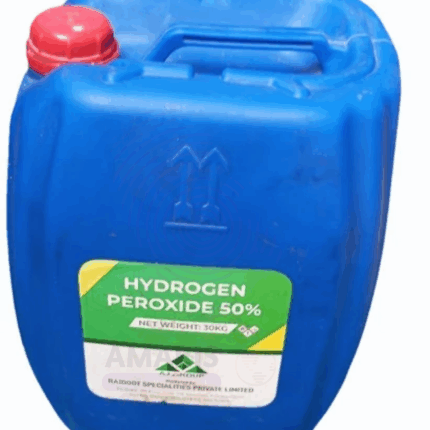
Hydrogen Peroxide Tech Grade
Hydrogen Peroxide Tech Grade is a highly concentrated aqueous solution of hydrogen peroxide (H₂O₂) designed primarily for industrial and technical applications. It is a clear, colorless liquid with a sharp, acrid odor. Known for its strong oxidizing, bleaching, and disinfecting properties, this tech-grade formulation is typically used where high reactivity is required, often in non-food processes. It decomposes into environmentally benign by-products—water and oxygen—making it a preferred agent for sustainable industrial processes.

Liquid Chlorine
Liquid Chlorine is a pale yellow-green, highly reactive chemical primarily composed of chlorine dissolved in water or as liquefied chlorine gas under pressure. It is widely used as a powerful disinfectant, bleaching agent, and oxidizer in water treatment, sanitation, and various industrial applications. Due to its strong antimicrobial properties, liquid chlorine effectively controls bacteria, viruses, algae, and other microorganisms, ensuring safe potable water and hygienic conditions.
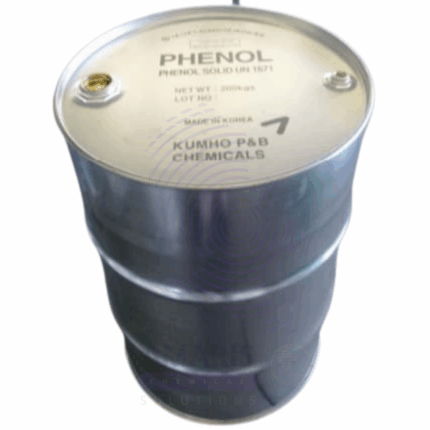
Phenol Ice Crystals
Phenol Ice Crystals, also known as carbolic acid in solid form, are crystalline compounds of phenol with a melting point near room temperature, giving them an “ice-like” appearance. Phenol is a aromatic organic compound widely used as a precursor in chemical synthesis, disinfectants, and pharmaceuticals. It exhibits antiseptic, antiseptic, and solvent properties. Due to its toxicity and corrosiveness, phenol requires careful handling.
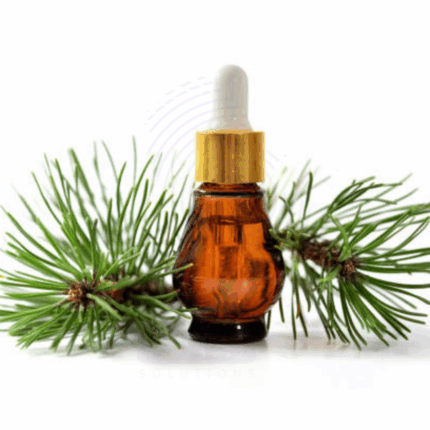
Pine Oil
Pine Oil is a powerful, aromatic essential oil obtained through the steam distillation of the needles, twigs, and cones of pine trees, primarily Pinus sylvestris or other Pinus species. It features a sharp, woody, and fresh scent with natural disinfectant and deodorizing properties. Rich in monoterpenes such as alpha-pinene and beta-pinene, Pine Oil is widely utilized in cleaning products, disinfectants, air care, cosmetics, and industrial formulations. It is valued for its antimicrobial, anti-inflammatory, and degreasing capabilities, making it an effective multi-purpose ingredient across various sectors.












