

 Preservatives(food)
 Flavors
 Acidulants
 Sweeteners
 Antioxidants
 Colorants(food)
 Nutraceutical Ingredients (food)
 Nutrient Supplements
 Emulsifiers
 Collectors
 Dust Suppressants
 Explosives and Blasting Agents
 Flocculants and Coagulants
 Frothers
 Leaching Agents
 pH Modifiers
 Precious Metal Extraction Agents
 Antioxidants(plastic)
 Colorants (Pigments, Dyes)
 Fillers and Reinforcements
 Flame Retardants
 Monomers
 Plasticizers
 Polymerization Initiators
 Stabilizers (UV, Heat)
 Antifoaming Agents
 Chelating Agents
 Coagulants and Flocculants
 Corrosion Inhibitors
 Disinfectants and Biocides
 Oxidizing Agents
 pH Adjusters
 Scale Inhibitors( water)
 Antioxidants(cosmetic)
 Emollients
 Oils
Oils Carrier Oills
 Essential Oils
 Humectants
 Preservatives
 Surfactants(cosmetic)
 Thickeners
 UV Filters
 Fertilizers
 Soil Conditioners
 Plant Growth Regulators
 Animal Feed Additives
 Biostimulants
 Pesticides (Herbicides, Insecticides, Fungicides)
 Active Pharmaceutical Ingredients (APIs)
 Excipients
 Solvents(pharmaceutical)
 Antibiotics
 Antiseptics and Disinfectants
 Vaccine Adjuvants
 Nutraceutical Ingredients (pharmaceutical)
 Analgesics & Antipyretics
 Analytical Reagents
 Solvents(lab)
 Chromatography Chemicals
 Spectroscopy Reagents
 microbiology-and-cell-culture-reagents
 Molecular Biology Reagents
 Biochemical Reagents
 Inorganic and Organic Standards
 Laboratory Safety Chemicals
 Specialty Laboratory Chemicals(Special Laboratory Equipment)
 Demulsifiers
 Hydraulic Fracturing Fluids
 Scale Inhibitors(oil)
 Surfactants(oil)
 Drilling Fluids
 Dyes and Pigments
 Bleaching Agents
 Softening Agents
 Finishing Agents
 Antistatic Agents
 Admixtures
 Waterproofing Agents
 Sealants and Adhesives
 Curing Compounds
 Concrete Repair Chemicals
 Anti-Corrosion Coatings
 Surfactants(cleaning)
 Builders
 Enzymes
 Solvents (Cleaning)
 Fragrances (Cleaning)
 Electronic Chemicals
 Catalysts
 Lubricants
 Photographic Chemicals
 Refrigerants
 Automotive chemicals
 Pyrotechnic Chemicals
 Biodegradable Surfactants
 Bio-based Solvents
 Renewable Polymers
 Carbon Capture Chemicals
 Wastewater Treatment Chemicals
 Pigments
 Solvents(paint)
 Specialty Coatings
 Binders/Resins
 Additives
 Driers
 Anti-Corrosion Agents
 Functional Coatings
 Application-Specific Coatings
 Leavening Agents
 Dough Conditioners
 Flour Treatments
 Fat Replacers
 Decoratives
 Preservatives(baking)
 Plasticizers & Softeners
 Reinforcing Agents
 Adhesion Promoters
 Vulcanizing Agents
 Antidegradants
 Blowing Agents
 Fillers & Extenders
 Accelerators & Retarders


Mechanical Balance
Original price was: $ 19.70.$ 19.54Current price is: $ 19.54.
The Mechanical Balance is a precision laboratory instrument designed to measure the mass of objects through mechanical means. It operates using a system of levers, beams, and calibrated weights to determine mass with high accuracy without requiring electrical power. Mechanical balances typically feature a robust metal frame, a beam with a central pivot, and sliding weights or poises for balancing. The instrument provides reliable and repeatable mass measurements essential for quantitative analysis in chemistry, biology, physics, and industrial quality control. Known for its durability and ease of maintenance, the mechanical balance is widely used in educational settings, research laboratories, and production environments where precise weighing is necessary. Its mechanical operation ensures functionality even in environments where electronic devices may be unsuitable due to power constraints or interference.
Mechanical Balance
Primary Uses
- Laboratory and Educational Applications
- Measuring the mass of chemical samples for quantitative experiments.
- Weighing biological specimens in biology labs.
- Demonstrating principles of mass and weight in physics education.
- Calibration of other weighing instruments by comparison.
- Quality control testing in pharmaceutical and manufacturing labs.
Secondary Uses
- Industrial and Research Applications
- Weighing raw materials and products in industrial processes.
- Conducting material analysis in research facilities.
- Use in educational institutions for hands-on learning in mass measurement.
1.Basic Identification Attributes
- Material: Metal frame with stainless steel or aluminum beam and pan.
- Operation: Mechanical lever and beam system with calibrated sliding weights or poises.
- Capacity: Available in various capacities depending on the model, from a few grams to several kilograms.
2.Physical & Chemical Properties
- Durability: Robust construction designed to withstand laboratory and field use.
- Accuracy: High precision mechanical calibration for accurate mass measurement.
- Maintenance: Requires periodic calibration and mechanical upkeep but no electrical power.
3.Safety & Hazard Attributes
- Heavy instrument; handle carefully to avoid injury.
- Moving parts may pinch if mishandled.
4.Storage & Handling Attributes
- Store in a dry, stable environment on a level surface.
- Avoid exposure to dust and corrosive chemicals.
- Handle with care during transport to maintain calibration.
5.Regulatory & Compliance Attributes
- Manufactured to meet national and international weighing standards.
- Suitable for use in GMP and GLP compliant laboratories.
6.Environmental & Health Impact
- Constructed with recyclable metals.
- Long service life reduces waste from replacements.
Safety Handling Precautions
- Avoid overloading beyond capacity to prevent damage.
- Use gentle handling to maintain mechanical integrity.
First Aid Measures
- In case of pinching injury, clean and monitor wounds for infection.
Firefighting Measures
- Non-flammable metal instrument.
- Use appropriate extinguishing agents for surrounding fire.
Related products
Balance Electronic Ohaus Adventurer
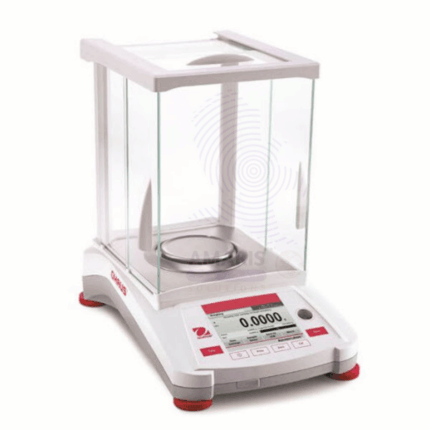
The Balance Electronic Ohaus Adventurer is a high-precision electronic weighing instrument designed for laboratory, educational, and industrial applications. It offers accurate and reliable measurement with user-friendly features including a backlit display, multiple weighing units, and advanced calibration options. This balance is suitable for general weighing tasks, formulation, and quality control processes where precision and ease of use are critical.
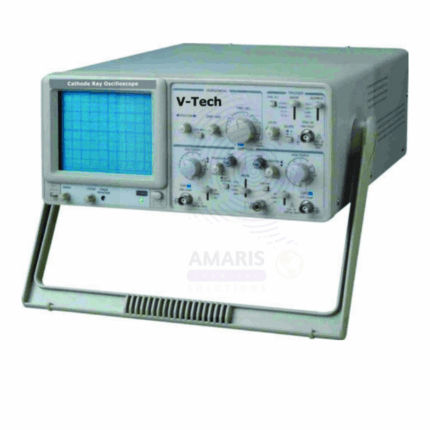
Cathode ray oscilloscope
Cartesian Divers are simple physics demonstration devices used to illustrate principles of buoyancy, pressure, and gas laws. Typically consisting of small, sealed, air-filled capsules submerged in water within a sealed container, these divers rise and sink in response to changes in external pressure. Widely used in educational laboratories for teaching fluid mechanics and gas behavior, Cartesian Divers provide hands-on visualization of fundamental scientific concepts.
Concave and convex lens
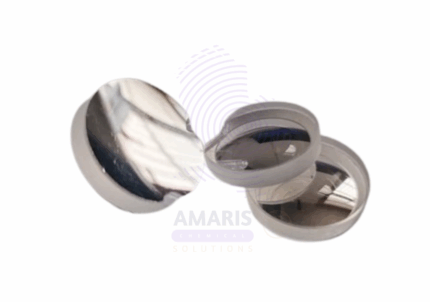
Concave and Convex Lenses are essential optical components used to manipulate light by refraction. A convex lens is thicker at the center and converges light rays to a focal point, while a concave lens is thinner at the center and diverges light rays. These lenses are fundamental in various scientific experiments, optical instruments, and educational demonstrations to study image formation, focal length, magnification, and light behavior. Manufactured with high-quality optical glass or plastic, they offer clarity and precision necessary for laboratory and industrial applications.

Concave mirrors
Product Description
Concave Mirrors are curved reflective surfaces that converge light rays to a focal point. They are widely used in scientific experiments and optical devices to focus light and form real or virtual images depending on the object's position relative to the focal length. Made from high-quality polished glass or metal with a reflective coating, these mirrors provide precise image formation essential for laboratory and industrial applications in optics and physics.
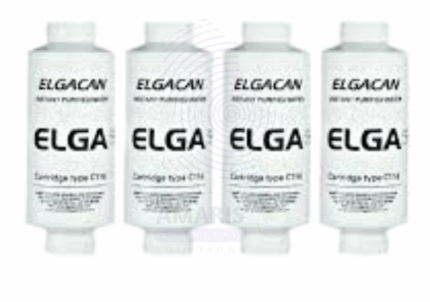
Deionizer With 4 Elga Cans
Deionizer with 4 Elga Cans is a high-capacity water purification system engineered for continuous production of deionized water in laboratory and industrial environments. The system uses four Elga mixed-bed ion exchange cartridges working in parallel or series to ensure extended operation, high throughput, and superior water quality. It removes dissolved ions and minerals effectively, producing ultra-low conductivity water ideal for sensitive analytical, biochemical, and production processes. The modular setup allows for easy replacement and maintenance, making it a reliable solution for facilities with high-purity water demands.
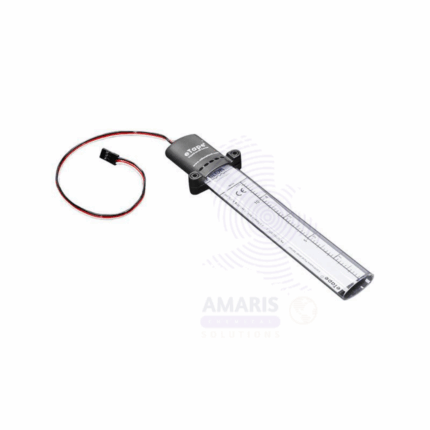
Lab liquid level
The Lab Liquid Level is a precision measuring instrument used to detect and indicate the level of liquids in laboratory containers, tanks, or systems. Designed for accuracy and ease of use, it helps scientists and technicians monitor fluid levels during experiments, processing, or storage. Typically constructed from chemically resistant materials, Lab Liquid Levels are compatible with various liquids including corrosive and volatile substances. They are essential tools for maintaining controlled conditions in chemical, pharmaceutical, and research laboratories.
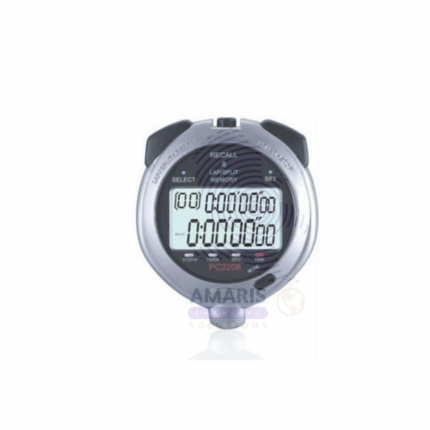
Laboratory stop watch
The Laboratory Stop Watch is a precision timing device used in laboratories to accurately measure time intervals during experiments and processes. Designed for reliability and ease of use, it features start, stop, and reset functions, often with digital or analog displays. This stopwatch is essential for kinetic studies, reaction timing, process control, and any experiment requiring precise time measurement. Durable and portable, it is suitable for various scientific, educational, and industrial laboratory applications.

Litmus Paper Blue
Litmus Paper Blue is a pH indicator paper used to detect acidic substances. It is impregnated with litmus dye extracted from lichens, which changes color when exposed to acidic or basic environments. Blue litmus paper turns red under acidic conditions (pH < 4.5) and remains blue in neutral or alkaline solutions. It is widely used in laboratories, education, environmental testing, and industrial processes for quick and easy pH testing.












