

 Preservatives(food)
 Flavors
 Acidulants
 Sweeteners
 Antioxidants
 Colorants(food)
 Nutraceutical Ingredients (food)
 Nutrient Supplements
 Emulsifiers
 Collectors
 Dust Suppressants
 Explosives and Blasting Agents
 Flocculants and Coagulants
 Frothers
 Leaching Agents
 pH Modifiers
 Precious Metal Extraction Agents
 Antioxidants(plastic)
 Colorants (Pigments, Dyes)
 Fillers and Reinforcements
 Flame Retardants
 Monomers
 Plasticizers
 Polymerization Initiators
 Stabilizers (UV, Heat)
 Antifoaming Agents
 Chelating Agents
 Coagulants and Flocculants
 Corrosion Inhibitors
 Disinfectants and Biocides
 Oxidizing Agents
 pH Adjusters
 Scale Inhibitors( water)
 Antioxidants(cosmetic)
 Emollients
 Oils
Oils Carrier Oills
 Essential Oils
 Humectants
 Preservatives
 Surfactants(cosmetic)
 Thickeners
 UV Filters
 Fragrance (Cosmetics)
 Fertilizers
 Soil Conditioners
 Plant Growth Regulators
 Animal Feed Additives
 Biostimulants
 Pesticides (Herbicides, Insecticides, Fungicides)
 Active Pharmaceutical Ingredients (APIs)
 Excipients
 Solvents(pharmaceutical)
 Antibiotics
 Antiseptics and Disinfectants
 Vaccine Adjuvants
 Nutraceutical Ingredients (pharmaceutical)
 Analgesics & Antipyretics
 Analytical Reagents
 Solvents(lab)
 Chromatography Chemicals
 Spectroscopy Reagents
 microbiology-and-cell-culture-reagents
 Molecular Biology Reagents
 Biochemical Reagents
 Inorganic and Organic Standards
 Laboratory Safety Chemicals
 Specialty Laboratory Chemicals(Special Laboratory Equipment)
 Demulsifiers
 Hydraulic Fracturing Fluids
 Scale Inhibitors(oil)
 Surfactants(oil)
 Drilling Fluids
 Dyes and Pigments
 Bleaching Agents
 Softening Agents
 Finishing Agents
 Antistatic Agents
 Admixtures
 Waterproofing Agents
 Sealants and Adhesives
 Curing Compounds
 Concrete Repair Chemicals
 Anti-Corrosion Coatings
 Surfactants(cleaning)
 Builders
 Enzymes
 Solvents (Cleaning)
 Electronic Chemicals
 Catalysts
 Lubricants
 Photographic Chemicals
 Refrigerants
 Automotive chemicals
 Pyrotechnic Chemicals
 Biodegradable Surfactants
 Bio-based Solvents
 Renewable Polymers
 Carbon Capture Chemicals
 Wastewater Treatment Chemicals
 Pigments
 Solvents(paint)
 Specialty Coatings
 Binders/Resins
 Additives
 Driers
 Anti-Corrosion Agents
 Functional Coatings
 Application-Specific Coatings
 Leavening Agents
 Dough Conditioners
 Flour Treatments
 Fat Replacers
 Decoratives
 Preservatives(baking)
 Plasticizers & Softeners
 Reinforcing Agents
 Adhesion Promoters
 Vulcanizing Agents
 Antidegradants
 Blowing Agents
 Fillers & Extenders
 Accelerators & Retarders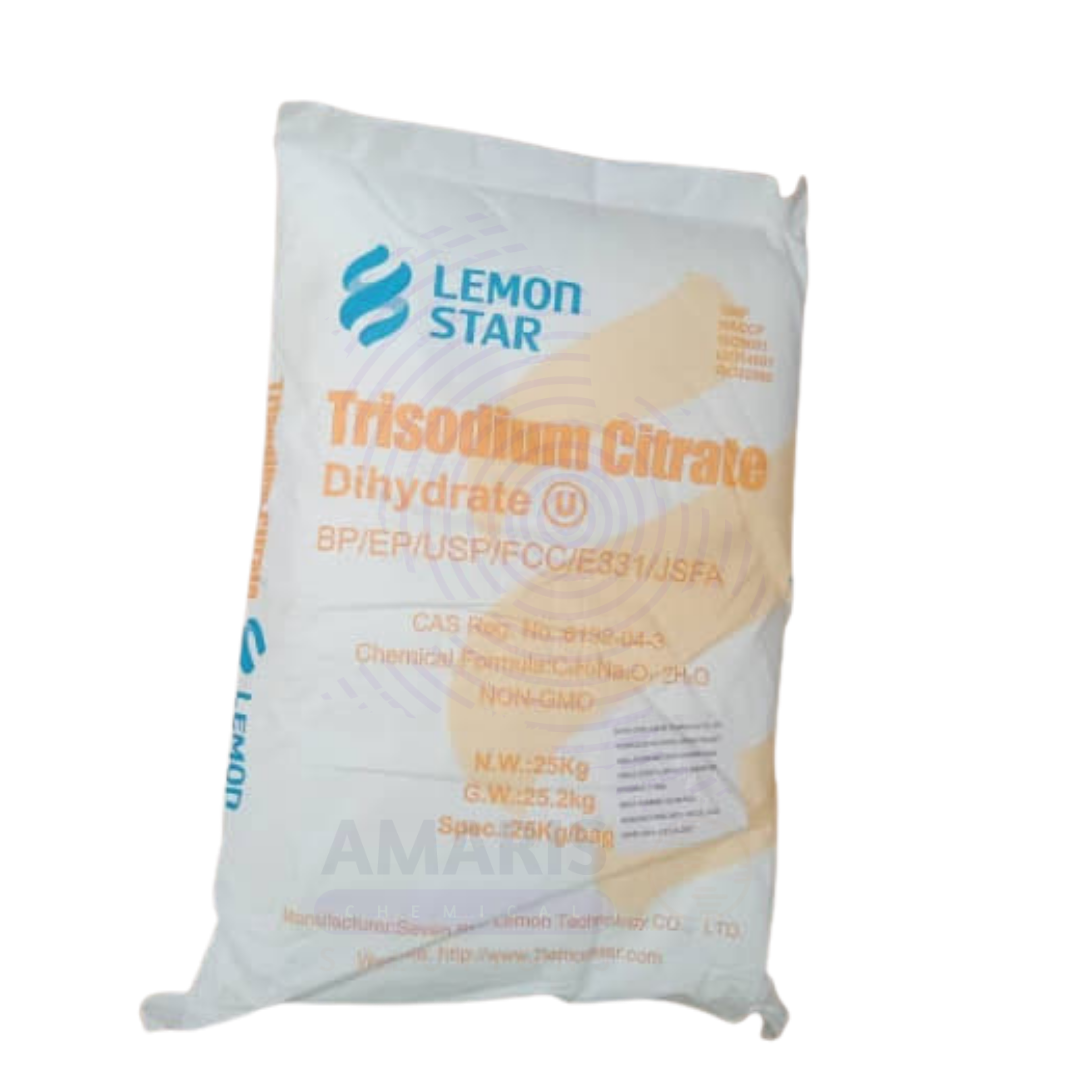


Trisodium Citrate
Original price was: $ 2.55.$ 2.45Current price is: $ 2.45.
Trisodium Citrate is a high-purity, pharmaceutical-grade salt of citric acid, widely used for its buffering, alkalizing, and chelating properties. It is a white crystalline powder that dissolves readily in water, forming an alkaline solution. This compound is primarily utilized in pharmaceutical formulations as a buffering agent, anticoagulant, and alkalizer. It also finds extensive use in food, cosmetic, and industrial applications. The British Pharmacopoeia (BP) grade ensures compliance with stringent quality standards for medicinal and food-grade use.
Trisodium Citrate
Primary Uses
- Pharmaceutical Industry:
- Used as a buffering agent in intravenous solutions, oral rehydration salts, and pharmaceutical preparations to maintain pH stability.
- Acts as an anticoagulant by chelating calcium in blood collection tubes and diagnostic applications.
- Used in formulations to alkalinize urine in treatment of urinary tract infections and kidney stones.
- Food Industry:
- Employed as an acidity regulator, sequestrant, and flavor enhancer in beverages, dairy products, canned foods, and confections.
- Functions as an emulsifier and preservative to improve texture and shelf life of processed foods.
Secondary Uses
- Cosmetics and Personal Care:
- Used as a pH adjuster and buffering agent in skin creams, lotions, and shampoos.
- Industrial Applications:
- Serves as a chelating agent in detergents and cleaning products to enhance cleaning efficiency by binding metal ions.
- Laboratory Use:
- Utilized as a reagent and buffer in biochemical and molecular biology research.
1. Basic Key Attributes
- Chemical Name (IUPAC): Trisodium 2-hydroxypropane-1,2,3-tricarboxylate
- Common/Trade Name: Trisodium Citrate BP 98%
- CAS Number: 6132-04-3
- HS Code: 2918.16.00
- Synonyms: Sodium citrate tribasic, trisodium citrate dihydrate (depending on hydration)
2. Physical & Chemical Properties
- Physical State: White crystalline powder or granules
- Color & Odor: White; odorless
- Melting Point: Decomposes above 300 °C
- Solubility: Highly soluble in water; insoluble in alcohol
- pH: Alkaline aqueous solution (pH ~8.5–9.5)
3. Safety & Hazard Attributes
- GHS Classification: Not classified as hazardous under normal handling
- Toxicity: Low toxicity; generally recognized as safe (GRAS) in food and pharmaceuticals
- Exposure Limits: No specific occupational exposure limits; follow standard hygiene practices
4. Storage & Handling Attributes
- Storage Conditions: Store in a cool, dry, and well-ventilated area, protected from moisture and contaminants
- Container Type: Sealed moisture-proof bags or drums
- Shelf Life: Typically 24 months when stored under recommended conditions
- Handling Precautions: Avoid dust formation and exposure to moisture
5. Regulatory & Compliance Attributes
- Complies with British Pharmacopoeia (BP) standards
- Manufactured under Good Manufacturing Practices (GMP)
- Listed on regulatory inventories including TSCA, REACH, and FDA GRAS list
- Approved for use in pharmaceutical, food, and cosmetic products
6. Environmental & Health Impact
- Biodegradability: Biodegradable under aerobic conditions
- Ecotoxicity: Low toxicity to aquatic organisms
- Bioaccumulation: Not significant
Safety Handling Precautions
- PPE Required: Gloves, dust mask, and eye protection recommended during handling
- Handling Guidelines: Use adequate ventilation; avoid dust inhalation
- Storage Measures: Keep containers sealed and dry
First Aid Measures
- Inhalation: Move to fresh air; seek medical attention if respiratory symptoms occur
- Skin Contact: Wash with soap and water
- Eye Contact: Rinse with plenty of water for at least 15 minutes; seek medical help if irritation persists
- Ingestion: Rinse mouth; seek medical advice if adverse effects occur
Firefighting Measures
- Fire Hazards: Non-flammable
- Extinguishing Media: Use water spray, foam, or dry chemical extinguishers
- Hazardous Combustion Products: May emit carbon oxides upon decomposition
Related products
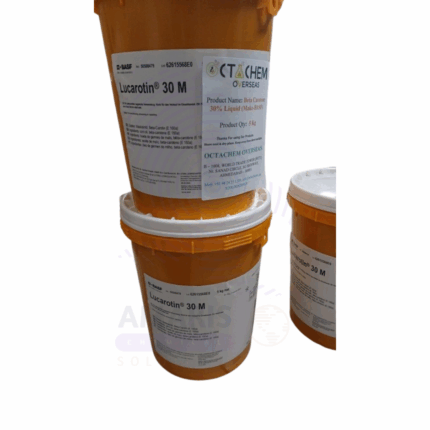
Beta Carotene
Beta Carotene is a concentrated formulation of beta carotene, a naturally occurring red-orange pigment found in plants and fruits. It is a precursor to vitamin A and a potent antioxidant that helps protect cells from oxidative damage. This product, typically suspended in an oil base or suitable carrier, is widely used as a natural colorant, nutritional supplement, and cosmetic ingredient. Beta Carotene 30% SUN offers enhanced stability under sunlight exposure, making it ideal for food, feed, and cosmetic applications where light stability is critical.
Calcium D-Panthothenate
Calcium D-Panthothenate is the calcium salt of D-pantothenic acid (vitamin B5), appearing as a white or off-white crystalline powder. It is a stable, water-soluble compound widely used as a dietary supplement and pharmaceutical ingredient to supply vitamin B5, essential for coenzyme A synthesis and normal metabolism of carbohydrates, proteins, and fats. Calcium D-Panthothenate supports adrenal function, wound healing, and nervous system health, and is frequently incorporated into multivitamins, nutritional supplements, fortified foods, and topical formulations.

Ferrous Sulphate Heptahydrate
Ferrous Sulphate Heptahydrate, also known as iron(II) sulfate heptahydrate, is a pale green crystalline solid containing seven molecules of water of crystallization (FeSO₄·7H₂O). It is a widely used inorganic iron compound characterized by its high iron content (approximately 20% Fe) and good solubility in water. This hydrated salt is commonly used in agriculture, pharmaceuticals, water treatment, and various industrial processes. The heptahydrate form is preferred for many applications due to its stability, ease of handling, and cost-effectiveness.
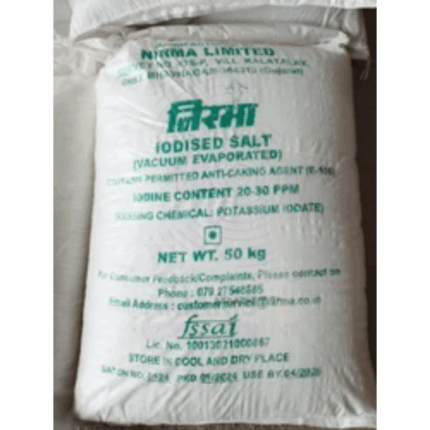
Iodised Salt
Iodised Salt is table salt (sodium chloride) fortified with a small, controlled amount of iodine, typically in the form of potassium iodate or potassium iodide. It appears as fine white crystalline granules, odorless, and with a characteristic salty taste. The addition of iodine helps prevent iodine deficiency disorders (IDD) such as goiter, mental impairment, and developmental abnormalities. Iodised Salt is widely used in households, food processing, and animal nutrition to ensure adequate dietary iodine intake.

Magnesium Chloride Hexahydrate BP
Magnesium Chloride Hexahydrate BP is a pharmacopeial grade white crystalline solid with the chemical formula MgCl₂·6H₂O. It is highly soluble in water and is used extensively in pharmaceutical, medical, and industrial applications. This grade meets British Pharmacopoeia (BP) standards ensuring high purity and suitability for medical and food-related uses. Magnesium Chloride Hexahydrate BP provides essential magnesium ions which play a critical role in numerous physiological functions.

Magnesium Oxide
Magnesium Oxide (MgO) is a white, odorless, alkaline earth metal oxide powder. It is produced by calcining magnesium carbonate or hydroxide at high temperatures, resulting in a fine, white powder with a high melting point. Magnesium Oxide is widely used for its refractory properties, chemical stability, and ability to neutralize acids. It serves important roles in pharmaceuticals, agriculture, environmental applications, and various industrial processes.
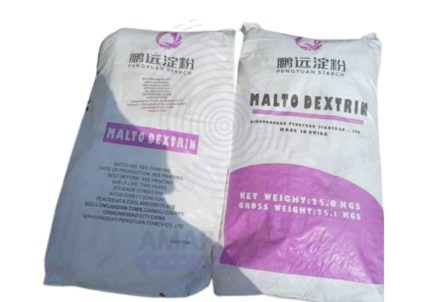

Maltodextrin
Maltodextrin is a white, odorless, tasteless polysaccharide produced from partial hydrolysis of starch (typically corn, potato, rice, or wheat starch). It consists of short chains of D-glucose units and is classified by its dextrose equivalent (DE), typically ranging from 3 to 20. Maltodextrin is easily digestible, water-soluble, and has a mildly sweet to nearly neutral flavor depending on its DE value. It is widely used in food, pharmaceutical, and industrial applications as a filler, thickener, bulking agent, and carrier, owing to its excellent functionality and safety.
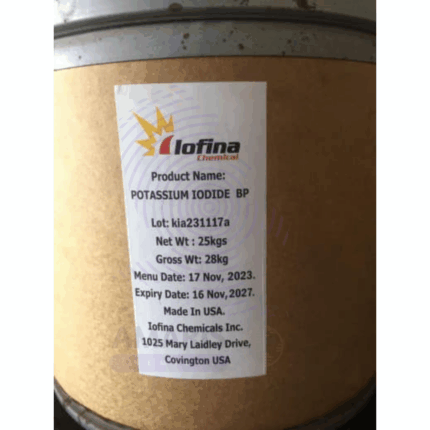
Potassium Iodide
Potassium Iodide is a white, crystalline inorganic salt that serves as a vital source of iodine. It is widely used in medical, pharmaceutical, nutritional, and industrial fields. Potassium Iodide is highly soluble in water and is used both as a dietary supplement to prevent iodine deficiency and as a protective agent against radioactive iodine exposure. It also finds applications in chemical synthesis and photographic processes.












