

 Preservatives(food)
 Flavors
 Acidulants
 Sweeteners
 Antioxidants
 Colorants(food)
 Nutraceutical Ingredients (food)
 Nutrient Supplements
 Emulsifiers
 Collectors
 Dust Suppressants
 Explosives and Blasting Agents
 Flocculants and Coagulants
 Frothers
 Leaching Agents
 pH Modifiers
 Precious Metal Extraction Agents
 Antioxidants(plastic)
 Colorants (Pigments, Dyes)
 Fillers and Reinforcements
 Flame Retardants
 Monomers
 Plasticizers
 Polymerization Initiators
 Stabilizers (UV, Heat)
 Antifoaming Agents
 Chelating Agents
 Coagulants and Flocculants
 Corrosion Inhibitors
 Disinfectants and Biocides
 Oxidizing Agents
 pH Adjusters
 Scale Inhibitors( water)
 Antioxidants(cosmetic)
 Emollients
 Oils
Oils Carrier Oills
 Essential Oils
 Humectants
 Preservatives
 Surfactants(cosmetic)
 Thickeners
 UV Filters
 Fragrance (Cosmetics)
 Fertilizers
 Soil Conditioners
 Plant Growth Regulators
 Animal Feed Additives
 Biostimulants
 Pesticides (Herbicides, Insecticides, Fungicides)
 Active Pharmaceutical Ingredients (APIs)
 Excipients
 Solvents(pharmaceutical)
 Antibiotics
 Antiseptics and Disinfectants
 Vaccine Adjuvants
 Nutraceutical Ingredients (pharmaceutical)
 Analgesics & Antipyretics
 Analytical Reagents
 Solvents(lab)
 Chromatography Chemicals
 Spectroscopy Reagents
 microbiology-and-cell-culture-reagents
 Molecular Biology Reagents
 Biochemical Reagents
 Inorganic and Organic Standards
 Laboratory Safety Chemicals
 Specialty Laboratory Chemicals(Special Laboratory Equipment)
 Demulsifiers
 Hydraulic Fracturing Fluids
 Scale Inhibitors(oil)
 Surfactants(oil)
 Drilling Fluids
 Dyes and Pigments
 Bleaching Agents
 Softening Agents
 Finishing Agents
 Antistatic Agents
 Admixtures
 Waterproofing Agents
 Sealants and Adhesives
 Curing Compounds
 Concrete Repair Chemicals
 Anti-Corrosion Coatings
 Surfactants(cleaning)
 Builders
 Enzymes
 Solvents (Cleaning)
 Electronic Chemicals
 Catalysts
 Lubricants
 Photographic Chemicals
 Refrigerants
 Automotive chemicals
 Pyrotechnic Chemicals
 Biodegradable Surfactants
 Bio-based Solvents
 Renewable Polymers
 Carbon Capture Chemicals
 Wastewater Treatment Chemicals
 Pigments
 Solvents(paint)
 Specialty Coatings
 Binders/Resins
 Additives
 Driers
 Anti-Corrosion Agents
 Functional Coatings
 Application-Specific Coatings
 Leavening Agents
 Dough Conditioners
 Flour Treatments
 Fat Replacers
 Decoratives
 Preservatives(baking)
 Plasticizers & Softeners
 Reinforcing Agents
 Adhesion Promoters
 Vulcanizing Agents
 Antidegradants
 Blowing Agents
 Fillers & Extenders
 Accelerators & Retarders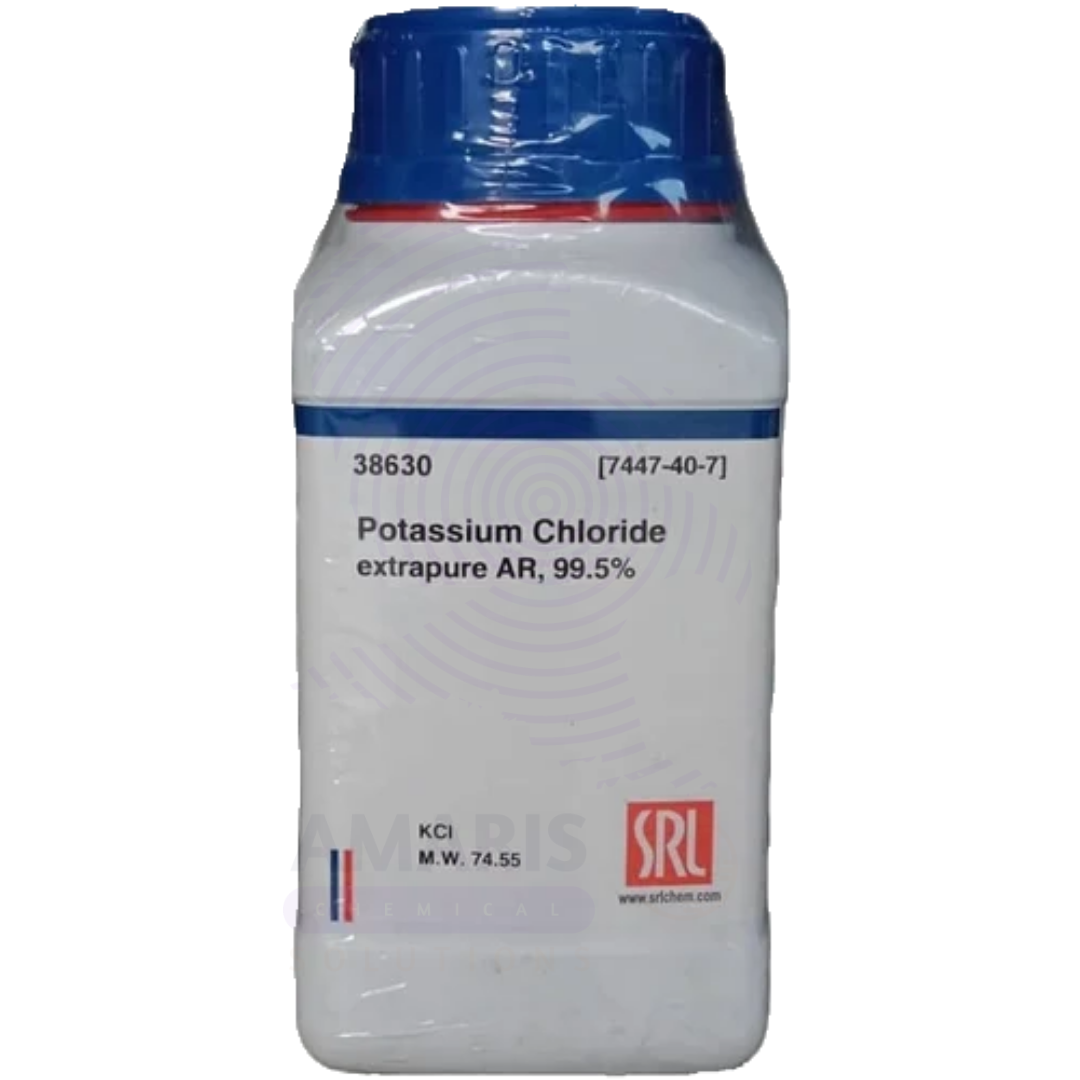


Potassium Chloride Extra Pure
$ 18.20
Potassium Chloride Extra Pure is a high-purity, crystalline inorganic salt with the chemical formula KCl. It appears as a white, odorless, and highly soluble solid, widely used across laboratory, medical, and industrial applications due to its chemical stability and essential role in biological systems.
In laboratory settings, it serves as a reagent in buffer solutions, electrolyte standards, and ionic strength adjustment. In biochemistry, it’s frequently used to prepare isotonic solutions and simulate intracellular fluid composition. Its high purity ensures accuracy in molecular biology, analytical chemistry, and instrument calibration.
Industrially, Potassium Chloride is vital in fertilizer production (as potash), water softening systems, and food processing (as a sodium-free salt alternative).
Potassium Chloride Extra Pure
PRIMARY USES
- Laboratory Reagent:
- Used as a source of potassium ions (K⁺) and chloride ions (Cl⁻) in chemical experiments and buffer solutions.
- Commonly used in calibration of conductivity meters and preparation of standard solutions.
- Pharmaceuticals & Medical:
- Acts as an electrolyte replenisher in IV fluids and oral rehydration solutions.
- Treats or prevents hypokalemia (low potassium levels in blood).
- Food Industry (in food-grade form):
- Used as a salt substitute (partial replacement for sodium chloride) in low-sodium diets.
- Helps in maintaining mineral balance in processed foods.
SECONDARY USES
- Agriculture & Fertilizers:
- Major component in potash fertilizers to provide potassium, vital for plant growth.
- Water Treatment:
- Used to regenerate water softeners, especially in chloride-sensitive applications.
- Industrial & Chemical Manufacturing:
- Used in production of potassium hydroxide, potassium metal, and other inorganic compounds.
1. Basic Identification Attributes
- Chemical Name: Potassium Chloride
- CAS Number: 7447-40-7
- HS Code: 3104.20.00
- Molecular Formula: KCl
- Synonyms:
- Muriate of potash
- Sylvite (natural mineral form)
- Potash
- Monopotassium salt of hydrochloric acid
2. Physical & Chemical Properties
- Physical State: Solid (crystalline powder or granules)
- Color & Odor: White, odorless
- Boiling Point & Melting Point:
- Melting Point: ~770 °C
- Boiling Point: ~1420 °C
- Density/Specific Gravity: ~1.98 g/cm³
- Solubility:
- Highly soluble in water (~34.7 g/100 mL at 20 °C)
- Slightly soluble in glycerol; insoluble in alcohol
- pH Level: Neutral (5.5–8.5 in 5% solution)
- Vapor Pressure & Volatility: Negligible vapor pressure
- Flash Point: Not flammable
- Autoignition Temperature: Not applicable
- Viscosity: Not applicable
3. Safety & Hazard Attributes
- Hazard Class (GHS Classification):
- Not classified as hazardous under normal conditions
- NFPA Ratings:
- Health: 1
- Flammability: 0
- Reactivity: 0
- Exposure Limits:
- No established OSHA PEL or ACGIH TLV
- Reactivity:
- Stable under normal conditions
- Incompatible with strong acids and strong oxidizing agents
4. Storage & Handling Attributes
- Storage Conditions:
- Store in a dry, well-ventilated place
- Protect from moisture and strong acids
- Incompatible Materials:
- Strong acids, strong oxidizers
- Container Type:
- Plastic or glass containers
- Shelf Life & Expiration Date:
- Long shelf life if kept dry and sealed
- Special Handling Requirements:
- Use gloves and safety glasses to avoid skin and eye contact
- Avoid inhaling dust
5. Regulatory & Compliance Attributes
- Regulatory Status:
- Generally recognized as safe (GRAS) by FDA
- Not listed as a hazardous substance by major regulatory agencies
- Hazard Symbols (GHS Pictograms):
- None required
- Transportation Restrictions:
- Not regulated as a hazardous material
- Waste Disposal Method:
- Dispose of according to local regulations
- May be diluted and flushed with large amounts of water if permitted
6. Environmental & Health Impact
- Ecotoxicity:
- High concentrations may be harmful to aquatic life due to salinity
- Persistence in Environment:
- Dissolves and disperses easily in water
- Carcinogenicity/Mutagenicity:
- Not classified as carcinogenic or mutagenic
- Biodegradability:
- Inorganic salt; not biodegradable but environmentally stable
SAFETY PRECAUTIONS
Personal Protective Equipment (PPE):
- Wear protective gloves (nitrile or neoprene).
- Use safety goggles or face shields to protect eyes.
- Lab coat or apron recommended.
- Dust masks may be required in poorly ventilated areas.
Handling:
- Handle in accordance with good laboratory hygiene and safety practices.
- Avoid dust formation and inhalation.
- Do not ingest or allow contact with eyes.
Storage:
- Store in a tightly sealed container in a dry, cool, and well-ventilated location.
- Keep away from incompatible substances such as strong acids.
- Avoid moisture—hygroscopic in nature.
FIRST AID MEASURES
Inhalation:
- Move to fresh air.
- Get medical attention if respiratory discomfort persists.
Skin Contact:
- Wash with soap and water.
- Seek medical help if irritation develops.
Eye Contact:
- Rinse immediately with plenty of water for at least 15 minutes.
- Consult an ophthalmologist if irritation continues.
Ingestion:
- Rinse mouth.
- Do not induce vomiting.
- Seek medical attention, especially if large amounts are consumed.
FIRE FIGHTING MEASURES
Flammability:
- Non-flammable.
- Does not burn but may decompose at very high temperatures.
Extinguishing Media:
- Use media appropriate for surrounding fire—water spray, foam, dry chemical, or CO₂.
Hazardous Combustion Products:
- May release potassium oxides or hydrogen chloride fumes in extreme fire conditions.
Firefighter Protection:
- Standard protective gear and SCBA should be worn.
- Avoid inhalation of decomposition products.
Related products
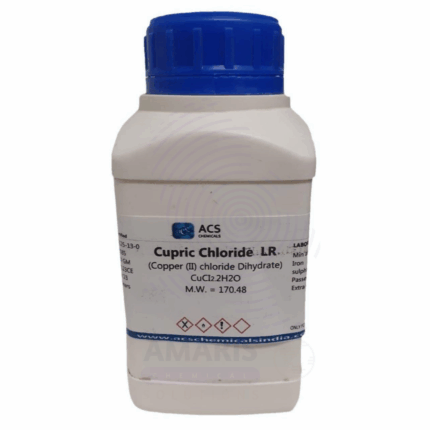
Cupric Chloride Extra Pure
Cupric Chloride Extra Pure is a green to yellowish crystalline compound widely used in laboratories as a catalyst, reagent, and source of copper ions in various chemical reactions. It plays a key role in organic synthesis, photochemical processes, and analytical chemistry procedures, especially for detecting reducing agents and halide ions. Its high solubility in water and alcohol allows for versatile application across wet-lab experiments. The extra pure grade ensures excellent reliability and minimal impurities, making it ideal for precision work in research and education. Store in a cool, dry place, protected from moisture and light to preserve its reactivity.
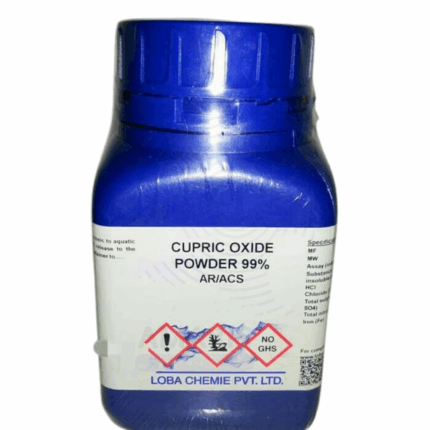
Cupric Oxide Extra Pure
Cupric Oxide Extra Pure is a black, fine powder extensively used in laboratory settings as a stable, high-purity source of copper in oxidation state +2. It is commonly applied in organic synthesis, inorganic reactions, and thermal decomposition studies, as well as in qualitative and quantitative analysis of copper. Its thermal stability also makes it suitable for ceramic glazing and as a precursor in catalyst preparation. This extra pure grade ensures low impurity levels, essential for accurate experimental results and reproducible data in both educational and research laboratories. It should be stored in a tightly sealed container away from moisture and strong acids.
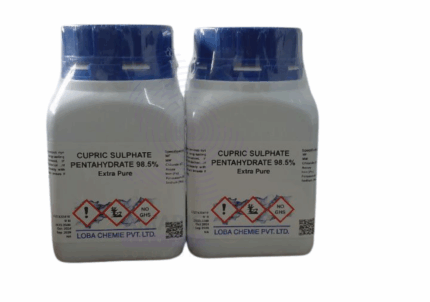
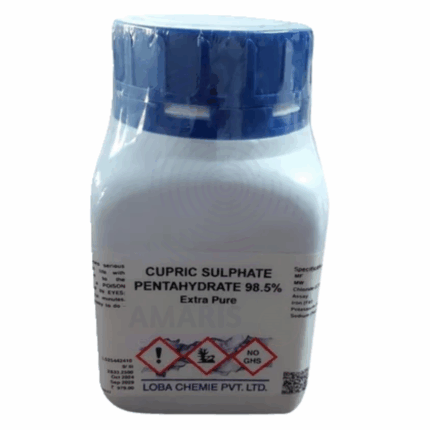
Cupric Sulphate Pentahydrate Extra Pure
Cupric Sulphate Pentahydrate Extra Pure is a vibrant blue crystalline compound widely used in laboratories for its high solubility and consistent copper ion content. It is essential in analytical chemistry for Fehling's and Benedict’s solutions, in electrochemistry for plating and battery experiments, and as a biological nutrient in microbiological media. The pentahydrate form offers ease of handling and precise formulation in aqueous solutions. This extra pure grade ensures exceptional purity, making it suitable for teaching labs, research applications, and controlled experimental procedures. Store in a sealed container away from heat and moisture to maintain its crystalline integrity.
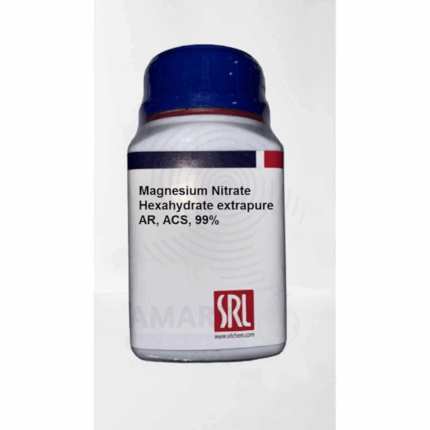
Magnesium Nitrate Hexahydrate Extra Pure
Magnesium Nitrate Hexahydrate Extra Pure is a crystalline compound known for its high solubility in water and exceptional purity, making it suitable for both laboratory and industrial applications. In analytical chemistry, it is commonly used as a reagent for preparing standard solutions and as a source of magnesium ions in various experimental procedures. Its oxidizing properties make it valuable in pyrotechnics and fertilizer formulations, where it provides essential nutrients for plant growth. This compound is also employed in ceramic production, textile treatments, and catalyst preparations, where a consistent, high-quality nitrate source is required. Its extra pure grade ensures minimal contamination, essential for high-precision work.
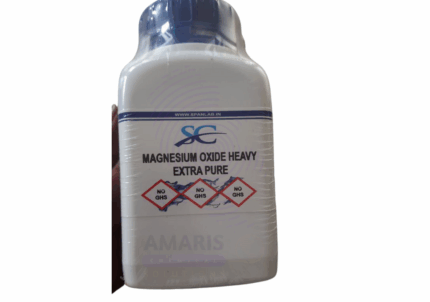
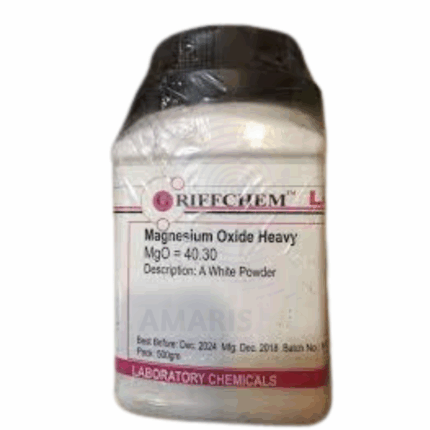
Magnesium Oxide Heavy Extra Pure
Magnesium Oxide Heavy Extra Pure is a high-purity, dense white powder prized for its excellent thermal stability, high melting point, and chemical inertness. It is widely used in laboratory applications as a standard reagent, pH adjuster, and desiccant. In pharmaceuticals, it functions as an antacid and a magnesium supplement, while in industrial processes, it is essential for producing refractory materials, ceramics, and insulating products due to its high heat resistance. The "heavy" form refers to its higher bulk density, making it particularly useful in applications where volume constraints are critical. Its extra pure grade ensures it meets the stringent demands of high-precision research and formulation work.
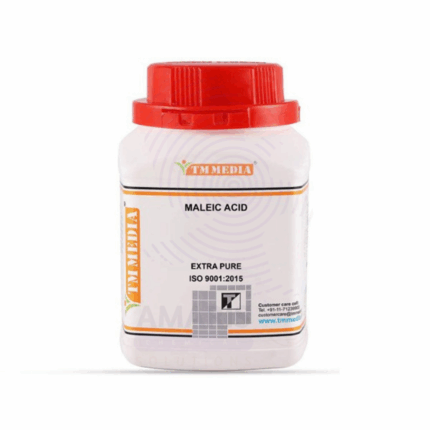
Maleic Acid Extra Pure
Maleic Acid Extra Pure is a high-purity organic compound valued for its strong acidic properties and wide range of laboratory and industrial applications. It appears as a white crystalline solid and is primarily used in organic synthesis, particularly in the production of polymers, resins, and plasticizers. In research laboratories, Maleic Acid serves as a buffering agent, a precursor to fumaric acid, and an intermediate in various chemical reactions. Its excellent solubility in water and compatibility with other reactants make it especially useful in biochemical and analytical procedures. The extra pure grade ensures minimal contamination, providing reliable results in sensitive experiments and high-precision manufacturing processes.
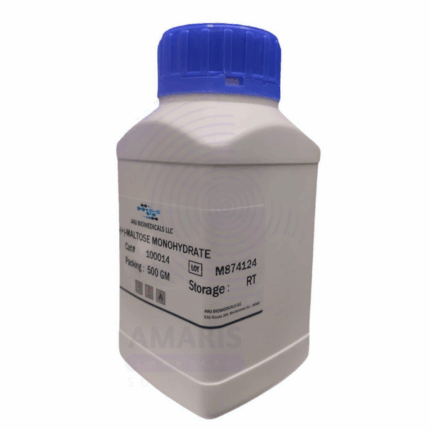
Maltose Extra Pure
Maltose Extra Pure is a disaccharide composed of two glucose units, commonly known as malt sugar. This extra pure grade ensures exceptional quality and consistency, making it ideal for use in biochemical research, fermentation studies, and laboratory analysis. In the food industry, maltose is valued for its mild sweetness and is often used in brewing, baking, and confectionery to promote fermentation and enhance flavor. It also plays a role in energy metabolism studies and is frequently used as a carbon source in microbiological media. Its stability and solubility in water make it easy to incorporate into various formulations, offering a dependable ingredient for scientific and industrial use where high purity is essential.
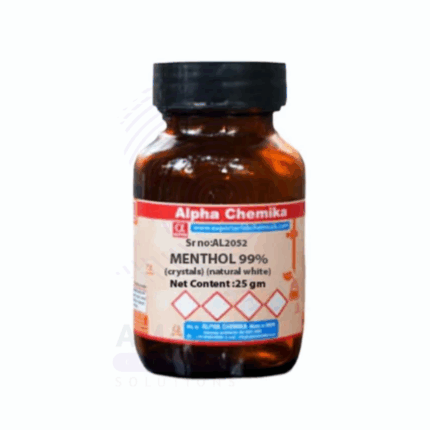
Menthol Crystals Extra Pure
Menthol Crystals Extra Pure are colorless to white, needle-like crystals derived from peppermint or other mint oils and refined to the highest purity. Known for their strong, refreshing minty aroma, they are widely used in pharmaceutical, cosmetic, and personal care formulations. These crystals provide a cooling sensation on the skin and mucous membranes, making them a common ingredient in balms, liniments, throat lozenges, and inhalants. In laboratories, menthol crystals are also used in sensory studies and product development. Their purity ensures consistent performance and minimal interference in sensitive formulations.












