

 Preservatives(food)
 Flavors
 Acidulants
 Sweeteners
 Antioxidants
 Colorants(food)
 Nutraceutical Ingredients (food)
 Nutrient Supplements
 Emulsifiers
 Collectors
 Dust Suppressants
 Explosives and Blasting Agents
 Flocculants and Coagulants
 Frothers
 Leaching Agents
 pH Modifiers
 Precious Metal Extraction Agents
 Antioxidants(plastic)
 Colorants (Pigments, Dyes)
 Fillers and Reinforcements
 Flame Retardants
 Monomers
 Plasticizers
 Polymerization Initiators
 Stabilizers (UV, Heat)
 Antifoaming Agents
 Chelating Agents
 Coagulants and Flocculants
 Corrosion Inhibitors
 Disinfectants and Biocides
 Oxidizing Agents
 pH Adjusters
 Scale Inhibitors( water)
 Antioxidants(cosmetic)
 Emollients
 Oils
Oils Carrier Oills
 Essential Oils
 Humectants
 Preservatives
 Surfactants(cosmetic)
 Thickeners
 UV Filters
 Fertilizers
 Soil Conditioners
 Plant Growth Regulators
 Animal Feed Additives
 Biostimulants
 Pesticides (Herbicides, Insecticides, Fungicides)
 Active Pharmaceutical Ingredients (APIs)
 Excipients
 Solvents(pharmaceutical)
 Antibiotics
 Antiseptics and Disinfectants
 Vaccine Adjuvants
 Nutraceutical Ingredients (pharmaceutical)
 Analgesics & Antipyretics
 Analytical Reagents
 Solvents(lab)
 Chromatography Chemicals
 Spectroscopy Reagents
 microbiology-and-cell-culture-reagents
 Molecular Biology Reagents
 Biochemical Reagents
 Inorganic and Organic Standards
 Laboratory Safety Chemicals
 Specialty Laboratory Chemicals(Special Laboratory Equipment)
 Demulsifiers
 Hydraulic Fracturing Fluids
 Scale Inhibitors(oil)
 Surfactants(oil)
 Drilling Fluids
 Dyes and Pigments
 Bleaching Agents
 Softening Agents
 Finishing Agents
 Antistatic Agents
 Admixtures
 Waterproofing Agents
 Sealants and Adhesives
 Curing Compounds
 Concrete Repair Chemicals
 Anti-Corrosion Coatings
 Surfactants(cleaning)
 Builders
 Enzymes
 Solvents (Cleaning)
 Fragrances (Cleaning)
 Electronic Chemicals
 Catalysts
 Lubricants
 Photographic Chemicals
 Refrigerants
 Automotive chemicals
 Pyrotechnic Chemicals
 Biodegradable Surfactants
 Bio-based Solvents
 Renewable Polymers
 Carbon Capture Chemicals
 Wastewater Treatment Chemicals
 Pigments
 Solvents(paint)
 Specialty Coatings
 Binders/Resins
 Additives
 Driers
 Anti-Corrosion Agents
 Functional Coatings
 Application-Specific Coatings
 Leavening Agents
 Dough Conditioners
 Flour Treatments
 Fat Replacers
 Decoratives
 Preservatives(baking)
 Plasticizers & Softeners
 Reinforcing Agents
 Adhesion Promoters
 Vulcanizing Agents
 Antidegradants
 Blowing Agents
 Fillers & Extenders
 Accelerators & Retarders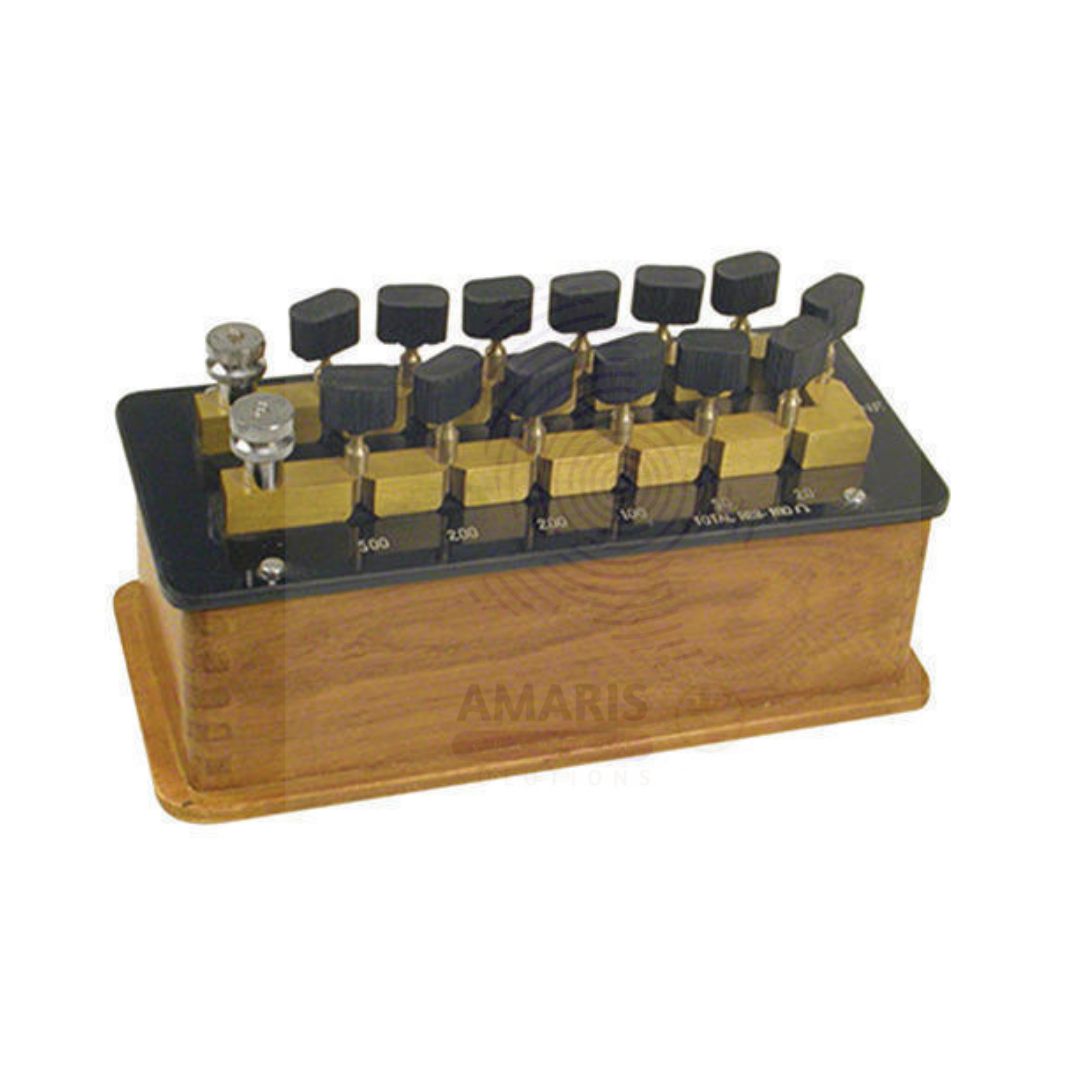


RESISTANCE BOX PLUG TYPE
Original price was: $ 38.05.$ 37.93Current price is: $ 37.93.
Resistance Box Plug Type is a precision electrical component used extensively in physics and electrical engineering laboratories. It comprises an insulated box containing a series of fixed-value resistors arranged in circuits accessible via plug-in terminals. By inserting plugs into designated sockets, users can combine resistors in series or parallel to achieve desired resistance values for experimental purposes. This equipment is essential for teaching Ohm’s Law, circuit analysis, and calibration of electrical devices. Constructed with durable, corrosion-resistant materials and designed for high accuracy, the resistance box supports reliable, repeatable laboratory experiments and research.
RESISTANCE BOX PLUG TYPE
Primary Uses
- Laboratory Applications
- Provides adjustable resistance for electrical circuit experimentation and measurement.
- Demonstrates fundamental electrical principles including Ohm’s Law and Kirchhoff’s Laws.
- Calibrates electrical measurement devices such as ammeters, voltmeters, and multimeters.
- Enables controlled variation of load resistance in physics and electronics research.
- Supports experimentation in electrical conductivity and circuit behavior analysis.
Secondary Uses
- Useful in electronic device prototyping and troubleshooting in lab settings.
- Supports advanced research requiring precise resistance settings.
1.Basic Identification Attributes
- Material: Usually stainless steel, aluminum, or durable plastic.
- Shape: Flat, thin, rectangular or slightly curved blade attached to a handle.
- Size: Small and lightweight for precise control.
- Finish: Smooth, polished surface to prevent powder adherence.
2.Physical & Chemical Properties
- Chemical Resistance: Resistant to most laboratory chemicals (metal or plastic grade dependent).
- Durability: Sturdy yet lightweight for ease of use.
- Surface: Smooth and non-porous to prevent sample contamination.
3.Safety & Hazard Attributes
- Sharp edges may cause minor cuts; handle carefully.
- Must be cleaned regularly to avoid cross-contamination.
4.Storage & Handling Attributes
- Store in a clean, dry place to prevent corrosion (if metal).
- Clean thoroughly after each use with suitable solvents or detergents.
- Inspect for damage or corrosion before use.
5.Regulatory & Compliance Attributes
- Manufactured to laboratory equipment standards.
- Suitable for use in GMP and GLP compliant laboratories.
6.Environmental & Health Impact
- Materials are generally recyclable (metal/plastic).
- Durable design reduces frequent replacement and waste.
Safety Handling Precautions
- Disconnect power supply before adjusting plugs or resistance settings.
- Use insulated tools if necessary when working with live circuits.
- Follow all laboratory electrical safety protocols during use.
First Aid Measures
- In the event of electric shock, immediately disconnect power and seek medical assistance.
- For burns or injuries related to electrical faults, apply first aid and seek professional care.
Firefighting Measures
- Non-flammable device itself; in case of electrical fire, use CO2 or dry chemical fire extinguishers.
- Avoid use of water on electrical fires to prevent shock hazards.
Related products

Balance Electronic Ohaus cl 200
The Balance Electronic Ohaus CL 200 is a high-precision electronic laboratory balance engineered for accuracy, reliability, and ease of use in diverse laboratory settings. It features a robust design with a clear backlit LCD display, allowing easy reading of measurements under various lighting conditions. The draft shield enhances weighing stability by minimizing the effect of air currents, ensuring precise results. With multiple weighing units, tare functionality, and user-friendly controls, this balance supports a wide range of applications in scientific research, quality control, education, and industrial processes. Its compact footprint and energy-efficient design make it ideal for routine weighing tasks, formulation, and analysis requiring high repeatability and fast stabilization. The balance is powered by an AC adapter or rechargeable battery, supporting both stationary and portable usage.
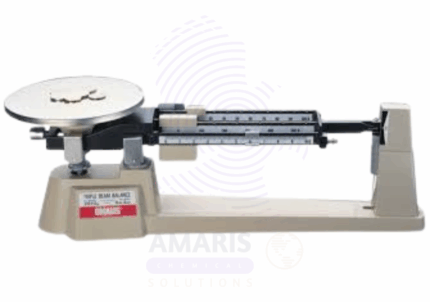
Balance Mechanical Ohaus Triple Beam
The Balance Mechanical Ohaus Triple Beam is a precision manual weighing instrument designed for laboratory and industrial environments requiring accurate measurement of various sample masses. Featuring three adjustable beams for incremental weight measurement, it offers ease of calibration and durability with a robust metal construction. This mechanical balance operates without electricity, making it ideal for environments where power supply may be limited. Its reliable and repeatable measurements support diverse applications from research to quality control.
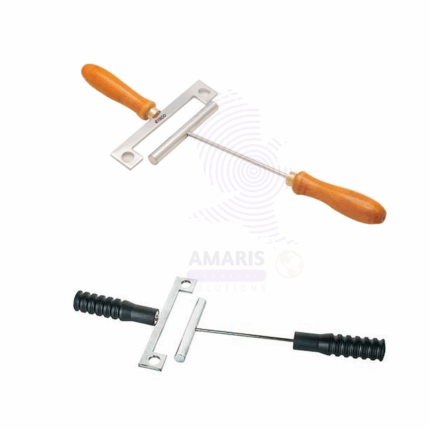
Bar and Gauge Apparatus
The Bar and Gauge Apparatus is a precision instrument used for measuring and comparing lengths, thicknesses, and distances in laboratory and industrial environments. It typically consists of calibrated bars, gauges, and scale components designed for accuracy in dimensional measurements. This apparatus is essential for quality control, calibration tasks, and research applications requiring precise measurement standards. Manufactured from durable materials such as stainless steel or hardened alloys, the Bar and Gauge Apparatus ensures reliable performance and longevity under regular use.
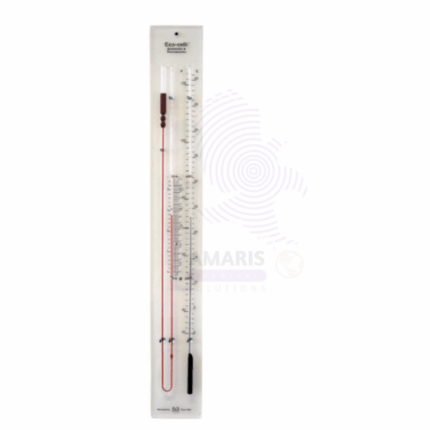
Barometer Tubes
Barometer Tubes are precision glass tubes used in barometers to measure atmospheric pressure. These tubes are typically filled with mercury or other suitable liquids and are sealed to allow accurate pressure readings based on liquid column height. Barometer tubes are essential components in meteorological instruments and laboratory equipment for pressure measurement and environmental monitoring. Manufactured with high-quality, clear glass, they provide durability, clarity, and accurate fluid displacement for precise readings.
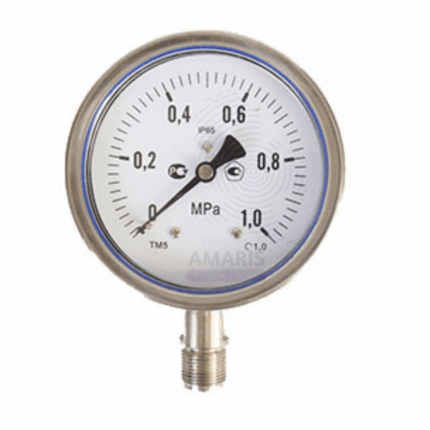
Bourdan Gauge
The Bourdon Gauge is a mechanical pressure measuring instrument widely used to measure medium to high pressure of gases and liquids in various laboratory and industrial applications. It consists of a curved, hollow metal tube which straightens as pressure increases, causing a pointer to move over a calibrated scale for easy reading. Known for its durability, reliability, and precision, the Bourdon Gauge is essential in pressure monitoring, process control, and safety systems. It operates without electrical power, making it ideal for harsh environments.

Deionizer With 4 Elga Cans
Deionizer with 4 Elga Cans is a high-capacity water purification system engineered for continuous production of deionized water in laboratory and industrial environments. The system uses four Elga mixed-bed ion exchange cartridges working in parallel or series to ensure extended operation, high throughput, and superior water quality. It removes dissolved ions and minerals effectively, producing ultra-low conductivity water ideal for sensitive analytical, biochemical, and production processes. The modular setup allows for easy replacement and maintenance, making it a reliable solution for facilities with high-purity water demands.
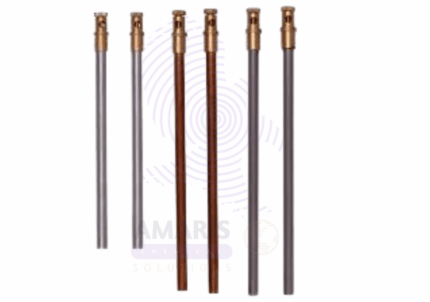
Electrode Copper Rod
Electrode Copper Rod is a high-purity copper rod used primarily as an electrode in various electrical, electrochemical, and industrial applications. Known for its superior electrical conductivity, thermal stability, and corrosion resistance, copper rods are essential components in electroplating, battery manufacturing, welding, and electrical circuitry. Manufactured to precise dimensions with smooth surfaces, these rods ensure efficient current transmission and durability under demanding conditions. They are widely utilized in laboratories, manufacturing industries, and research facilities requiring reliable conductive electrodes.
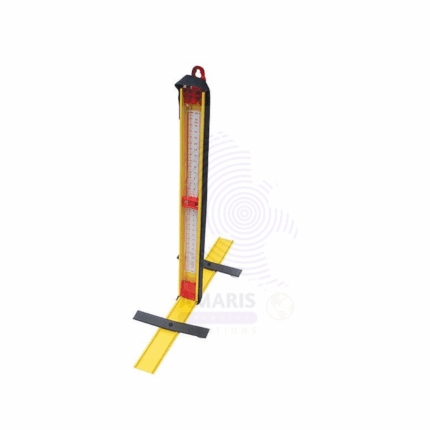
Manometer on stand
The Manometer on Stand is a precision laboratory instrument used to measure pressure differences in gases or liquids. It consists of a U-shaped or straight tube partially filled with a liquid (commonly mercury, water, or oil) mounted securely on a stable stand for ease of use and accurate readings. The manometer operates based on the principle of balancing pressure against the height of the liquid column. It is widely used in physics and engineering laboratories for experiments involving fluid mechanics, gas laws, and pressure calibration. The stand provides stability and convenient placement during measurements.












