Preservatives(food)
 Flavors
 Acidulants
 Sweeteners
 Antioxidants
 Colorants(food)
 Nutraceutical Ingredients (food)
 Nutrient Supplements
 Emulsifiers
 Collectors
 Dust Suppressants
 Explosives and Blasting Agents
 Flocculants and Coagulants
 Frothers
 Leaching Agents
 pH Modifiers
 Precious Metal Extraction Agents
 Antioxidants(plastic)
 Colorants (Pigments, Dyes)
 Fillers and Reinforcements
 Flame Retardants
 Monomers
 Plasticizers
 Polymerization Initiators
 Stabilizers (UV, Heat)
 Antifoaming Agents
 Chelating Agents
 Coagulants and Flocculants
 Corrosion Inhibitors
 Disinfectants and Biocides
 Oxidizing Agents
 pH Adjusters
 Scale Inhibitors( water)
 Antioxidants(cosmetic)
 Emollients
 Oils
Oils Carrier Oills
 Essential Oils
 Humectants
 Preservatives
 Surfactants(cosmetic)
 Thickeners
 UV Filters
 Fragrance (Cosmetics)
 Fertilizers
 Soil Conditioners
 Plant Growth Regulators
 Animal Feed Additives
 Biostimulants
 Pesticides (Herbicides, Insecticides, Fungicides)
 Active Pharmaceutical Ingredients (APIs)
 Excipients
 Solvents(pharmaceutical)
 Antibiotics
 Antiseptics and Disinfectants
 Vaccine Adjuvants
 Nutraceutical Ingredients (pharmaceutical)
 Analgesics & Antipyretics
 Analytical Reagents
 Solvents(lab)
 Chromatography Chemicals
 Spectroscopy Reagents
 microbiology-and-cell-culture-reagents
 Molecular Biology Reagents
 Biochemical Reagents
 Inorganic and Organic Standards
 Laboratory Safety Chemicals
 Specialty Laboratory Chemicals(Special Laboratory Equipment)
 Demulsifiers
 Hydraulic Fracturing Fluids
 Scale Inhibitors(oil)
 Surfactants(oil)
 Drilling Fluids
 Dyes and Pigments
 Bleaching Agents
 Softening Agents
 Finishing Agents
 Antistatic Agents
 Admixtures
 Waterproofing Agents
 Sealants and Adhesives
 Curing Compounds
 Concrete Repair Chemicals
 Anti-Corrosion Coatings
 Surfactants(cleaning)
 Builders
 Enzymes
 Solvents (Cleaning)
 Electronic Chemicals
 Catalysts
 Lubricants
 Photographic Chemicals
 Refrigerants
 Automotive chemicals
 Pyrotechnic Chemicals
 Biodegradable Surfactants
 Bio-based Solvents
 Renewable Polymers
 Carbon Capture Chemicals
 Wastewater Treatment Chemicals
 Pigments
 Solvents(paint)
 Specialty Coatings
 Binders/Resins
 Additives
 Driers
 Anti-Corrosion Agents
 Functional Coatings
 Application-Specific Coatings
 Leavening Agents
 Dough Conditioners
 Flour Treatments
 Fat Replacers
 Decoratives
 Preservatives(baking)
 Plasticizers & Softeners
 Reinforcing Agents
 Adhesion Promoters
 Vulcanizing Agents
 Antidegradants
 Blowing Agents
 Fillers & Extenders
 Accelerators & Retarders
Calcium Hypochlorite: The Powerful Disinfectant Behind Clean Water And Safe Spaces

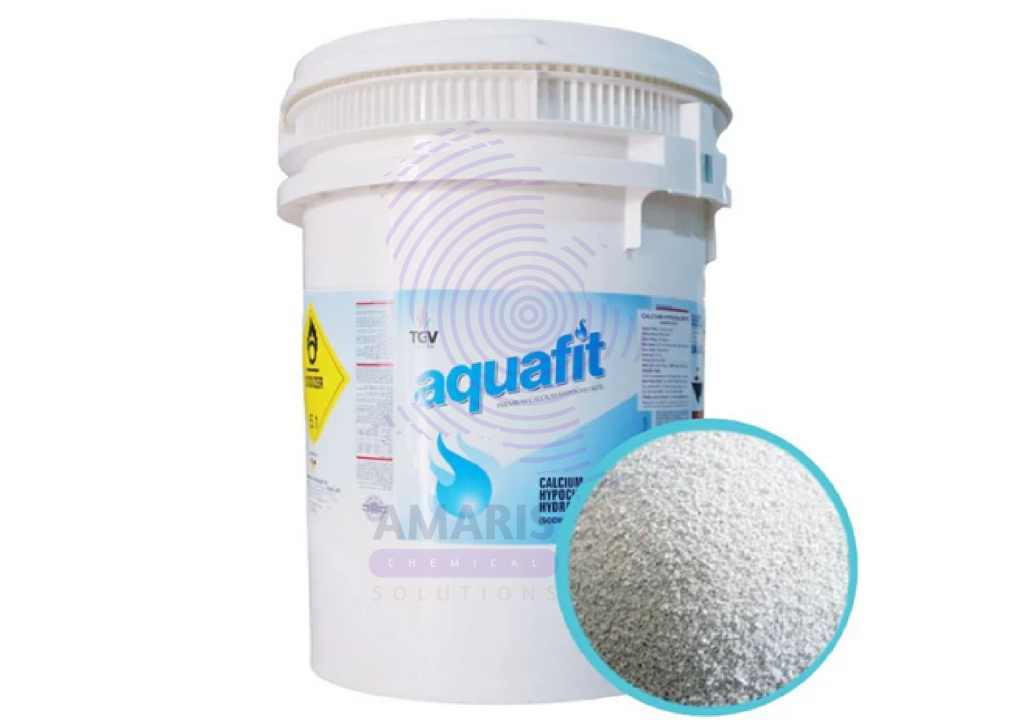
Calcium Hypochlorite, often referred to as “bleaching powder” or “chlorine powder,” is a chemical compound that plays a vital role in modern sanitation. Its importance in disinfection, particularly in water treatment, is so widespread that it’s often considered one of the unsung heroes of public health. Despite its powerful capabilities, many people know little about what it is, how it works, and the science that makes it so effective.
This blog takes a deep dive into Calcium Hypochlorite, revealing how this strong oxidizing agent is used across industries to safeguard environments, clean water, and prevent disease outbreaks — all while being relatively easy to handle and store.
What is Calcium Hypochlorite?
Calcium Hypochlorite is an inorganic compound with the chemical formula Ca(ClO)₂. Typically appearing as a white or slightly yellowish powder, granule, or tablet, it has a strong chlorine odor. Its primary function is to act as a powerful disinfectant and bleaching agent, largely due to its ability to release chlorine when dissolved in water.
It is highly effective at killing bacteria, viruses, fungi, algae, and other microorganisms, making it a staple in sanitation and hygiene protocols.
Key Chemical Properties:
- Chemical Formula: Ca(ClO)₂
- Molecular Weight: 142.98 g/mol
- Appearance: White to grayish-white powder or granules
- Solubility: Soluble in water, releasing hypochlorous acid (HOCl)
- Active Chlorine Content: Typically 65–70%
- Stability: Stable under dry conditions but decomposes in the presence of moisture and heat
Primary Applications of Calcium Hypochlorite
1. Water Treatment and Disinfection
Calcium Hypochlorite is one of the most widely used compounds in municipal and industrial water treatment. When added to water, it reacts to form hypochlorous acid, a highly effective disinfectant that eliminates harmful pathogens. It is especially useful in:
- Drinking water chlorination
- Emergency water purification
- Rural and remote area sanitation
- Swimming pool maintenance
Its shelf stability and ease of transport make it a popular choice in places where liquid chlorine (sodium hypochlorite) isn’t practical.
2. Public Health and Hygiene
Used in hospitals, schools, and disaster zones, calcium hypochlorite helps prevent the spread of waterborne and surface pathogens. During outbreaks or natural disasters, it’s deployed for rapid sanitation of water supplies and surfaces.
3. Textile and Paper Industry
In the pulp and paper industry, calcium hypochlorite is used for bleaching paper products. It’s also employed in the textile sector for bleaching cotton and other fabrics.
4. Food Processing and Agriculture
Calcium Hypochlorite is used for sanitizing food processing equipment, washing fruits and vegetables, and disinfecting animal housing in poultry and livestock farming.
5. Odor Control and Surface Disinfection
It is also effective at controlling foul odors caused by microbial decay and for cleaning surfaces contaminated with organic waste, especially in public toilets and waste treatment facilities.
Safety & Handling Guidelines
While highly useful, Calcium Hypochlorite is also highly reactive and must be handled with care:
- Wear protective equipment (gloves, goggles, mask) when handling it in powder or solution form.
- Store in a dry, cool, and well-ventilated place away from acids, combustible materials, and moisture.
- Do not mix with acids or ammonia, as it can release toxic chlorine gas.
- Keep tightly sealed in containers to prevent contact with humidity which can degrade its potency.
Environmental Impact
Calcium Hypochlorite can degrade into benign compounds in water when used correctly, but improper disposal can harm aquatic life due to elevated chlorine levels. Always follow disposal guidelines and avoid dumping concentrated forms into natural water bodies.
Final Thoughts
Calcium Hypochlorite is more than just a chlorine-based disinfectant — it’s a cornerstone of modern sanitation. Its wide-ranging utility in water treatment, public health, agriculture, and industry makes it an indispensable chemical for any organization focused on hygiene and safety. With proper handling and respect for its reactivity, it serves as a reliable, stable, and effective means of combating microbes in both everyday and emergency situations.