

 Preservatives(food)
 Flavors
 Acidulants
 Sweeteners
 Antioxidants
 Colorants(food)
 Nutraceutical Ingredients (food)
 Nutrient Supplements
 Emulsifiers
 Collectors
 Dust Suppressants
 Explosives and Blasting Agents
 Flocculants and Coagulants
 Frothers
 Leaching Agents
 pH Modifiers
 Precious Metal Extraction Agents
 Antioxidants(plastic)
 Colorants (Pigments, Dyes)
 Fillers and Reinforcements
 Flame Retardants
 Monomers
 Plasticizers
 Polymerization Initiators
 Stabilizers (UV, Heat)
 Antifoaming Agents
 Chelating Agents
 Coagulants and Flocculants
 Corrosion Inhibitors
 Disinfectants and Biocides
 Oxidizing Agents
 pH Adjusters
 Scale Inhibitors( water)
 Antioxidants(cosmetic)
 Emollients
 Oils
Oils Carrier Oills
 Essential Oils
 Humectants
 Preservatives
 Surfactants(cosmetic)
 Thickeners
 UV Filters
 Fertilizers
 Soil Conditioners
 Plant Growth Regulators
 Animal Feed Additives
 Biostimulants
 Pesticides (Herbicides, Insecticides, Fungicides)
 Active Pharmaceutical Ingredients (APIs)
 Excipients
 Solvents(pharmaceutical)
 Antibiotics
 Antiseptics and Disinfectants
 Vaccine Adjuvants
 Nutraceutical Ingredients (pharmaceutical)
 Analgesics & Antipyretics
 Analytical Reagents
 Solvents(lab)
 Chromatography Chemicals
 Spectroscopy Reagents
 microbiology-and-cell-culture-reagents
 Molecular Biology Reagents
 Biochemical Reagents
 Inorganic and Organic Standards
 Laboratory Safety Chemicals
 Specialty Laboratory Chemicals(Special Laboratory Equipment)
 Demulsifiers
 Hydraulic Fracturing Fluids
 Scale Inhibitors(oil)
 Surfactants(oil)
 Drilling Fluids
 Dyes and Pigments
 Bleaching Agents
 Softening Agents
 Finishing Agents
 Antistatic Agents
 Admixtures
 Waterproofing Agents
 Sealants and Adhesives
 Curing Compounds
 Concrete Repair Chemicals
 Anti-Corrosion Coatings
 Surfactants(cleaning)
 Builders
 Enzymes
 Solvents (Cleaning)
 Fragrances (Cleaning)
 Electronic Chemicals
 Catalysts
 Lubricants
 Photographic Chemicals
 Refrigerants
 Automotive chemicals
 Pyrotechnic Chemicals
 Biodegradable Surfactants
 Bio-based Solvents
 Renewable Polymers
 Carbon Capture Chemicals
 Wastewater Treatment Chemicals
 Pigments
 Solvents(paint)
 Specialty Coatings
 Binders/Resins
 Additives
 Driers
 Anti-Corrosion Agents
 Functional Coatings
 Application-Specific Coatings
 Leavening Agents
 Dough Conditioners
 Flour Treatments
 Fat Replacers
 Decoratives
 Preservatives(baking)
 Plasticizers & Softeners
 Reinforcing Agents
 Adhesion Promoters
 Vulcanizing Agents
 Antidegradants
 Blowing Agents
 Fillers & Extenders
 Accelerators & Retarders


Silica Gel White
Original price was: $ 5.80.$ 5.73Current price is: $ 5.73.
Silica Gel White is a non-indicating, amorphous form of silicon dioxide (SiO₂) used primarily as a desiccant to control humidity and prevent moisture damage in a wide range of applications. Unlike blue silica gel, it does not change color when saturated, making it ideal for use where visual indicators are not required. It is chemically inert, odorless, and capable of adsorbing up to 40% of its weight in water vapor. Packaged in 25kg bags or drums, Silica Gel White is used across industries for packaging, preservation, drying, and moisture regulation.
Silica Gel White
Primary Uses
- Packaging & Storage Protection
- Used in sealed packaging to protect moisture-sensitive products like electronics, optical equipment, and pharmaceuticals.
- Included in bulk packaging of raw materials, powders, and grains to prevent clumping and spoilage.
- Ensures dryness during long-distance shipping and storage in containers, pallets, or boxes.
- Industrial Drying & Dehumidification
- Applied in compressed air and gas drying systems to remove humidity from industrial gases.
- Used in instrument cabinets, electrical control panels, and switchgear enclosures to prevent corrosion.
- Utilized in transformer breathers to keep insulating oil dry and functional.
- Pharmaceuticals & Healthcare
- Maintains dryness in containers holding tablets, capsules, and powders.
- Prevents microbial growth and product degradation in humidity-sensitive medications.
- Used in blister packaging for diagnostic kits and devices.
- Scientific & Laboratory Applications
- Maintains a dry environment in desiccators, reagent containers, and laboratory storage.
- Used during specimen storage and drying procedures.
- Electronics & Optics
- Protects delicate components such as semiconductors, sensors, and camera lenses from humidity-related failure.
- Applied in storage of precision optical devices and instruments.
Secondary Uses
- Food Industry (Non-Contact Use)
- Used in food packaging (outside primary packaging) to prevent spoilage from moisture, especially in dry products like jerky, spices, and powders. (Note: Not food-grade)
- Aerospace & Military
- Included in containers and crates of high-value equipment to prevent moisture-induced degradation.
- Protects avionics, firearms, and optical scopes in storage and transit.
- Museums & Archival Storage
- Maintains ideal humidity in archival boxes, display cases, and vaults storing valuable artworks, manuscripts, and textiles.
- Consumer Applications
- Used in toolboxes, closets, shoe boxes, gun safes, and storage bins to reduce musty odors and mold risk.
- Prevents fogging in camera bags and underwater housings.
1. Basic Identification Attributes
- Chemical Name (IUPAC): Silicon dioxide, amorphous
- Common/Trade Name: Silica Gel White
- CAS Number: 7631-86-9
- HS Code: 2811.22.00
- Synonyms: Non-indicating silica gel, white desiccant silica, SiO₂ gel
2. Physical & Chemical Properties
- Physical State: Solid (granules, beads, or crystals)
- Color & Odor: White; odorless
- Particle Size: Commonly 1–5 mm
- Surface Area: 600–800 m²/g
- Moisture Capacity: Up to 40% of its own weight
- Solubility: Insoluble in water and organic solvents
- Regeneration Temperature: 120°C–150°C
3. Safety & Hazard Attributes
- GHS Classification: Not classified as hazardous under normal use
- Toxicity: Low; considered safe for most industrial applications
- Exposure Limits: Avoid inhalation of dust; follow standard safety practices
4. Storage & Handling Attributes
- Storage Conditions: Store in sealed, moisture-proof containers in a cool, dry place
- Container Type: 25kg bag, drum, or moisture-resistant packaging
- Shelf Life: Indefinite if stored properly
- Handling Precautions: Avoid generating dust; use gloves and goggles during handling
5. Regulatory & Compliance Attributes
- Complies with industry standards for moisture control agents
- Meets U.S. Military Specification MIL-D-3464 for desiccants
- REACH and RoHS compliant
- Not classified as a hazardous material under GHS
- Not approved for direct contact with food or pharmaceuticals unless specified food/pharma grade
6. Environmental & Health Impact
- Biodegradability: Inert and non-biodegradable
- Ecotoxicity: Very low; safe for general use
- Bioaccumulation: Not applicable
- Environmental Impact: Minimal if disposed of properly; recyclable after regeneration
Safety Handling Precautions
- PPE Required: Dust mask, gloves, and eye protection recommended during handling
- Handling Guidelines: Avoid inhaling dust; wash hands after use
- Storage Measures: Keep containers tightly closed and stored in a dry environment
First Aid Measures
- Inhalation: Move to fresh air; seek medical attention if irritation occurs
- Skin Contact: Wash with soap and water; seek help if irritation develops
- Eye Contact: Flush with water for at least 15 minutes; consult a doctor if irritation persists
- Ingestion: Rinse mouth; do not induce vomiting; seek medical attention if discomfort occurs
Firefighting Measures
- Fire Hazards: Non-flammable and chemically inert
- Extinguishing Media: Use appropriate media for surrounding fire (e.g., CO₂, dry chemical, foam)
- Special Precautions: None for silica; avoid inhaling smoke from surrounding materials
- Hazardous Combustion Products: None—silica is thermally stable
Related products
Acetone
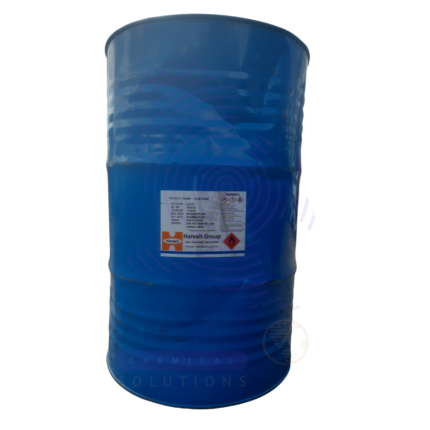
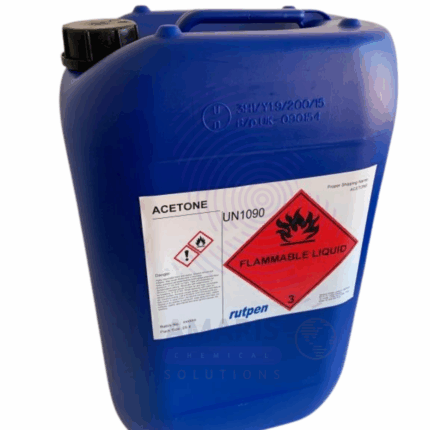
Acetone (chemical formula CH₃COCH₃) is the simplest and most widely used ketone, appearing as a clear, colorless, volatile liquid with a characteristic sweet, pungent odor. Industrial Grade Acetone is manufactured with a minimum purity of 99.5%, offering aggressive solvent power, rapid evaporation rate, and complete miscibility with water and most organic solvents. Its combination of high solvency, low toxicity relative to other industrial solvents, and favorable regulatory status makes it an indispensable chemical in manufacturing, cleaning, and formulation processes across numerous heavy industries.
Dimethyl Acetimide
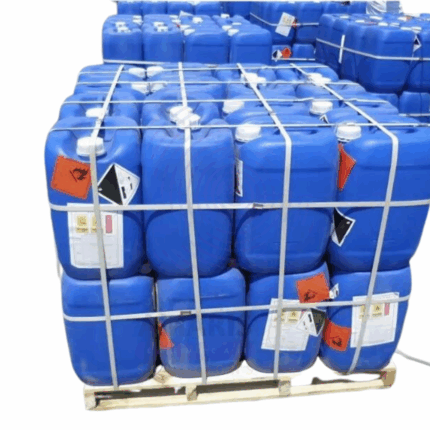
Dimethyl Acetimide is a versatile organic compound used predominantly as a solvent and intermediate in chemical syntheses. It is a colorless to pale yellow liquid with good solvency properties for a wide range of organic substances. Known for its stability and relatively low toxicity compared to similar amides, Dimethyl Acetimide finds applications in pharmaceuticals, agrochemicals, and specialty chemical manufacturing. Its miscibility with water and many organic solvents makes it suitable for formulation and processing roles.
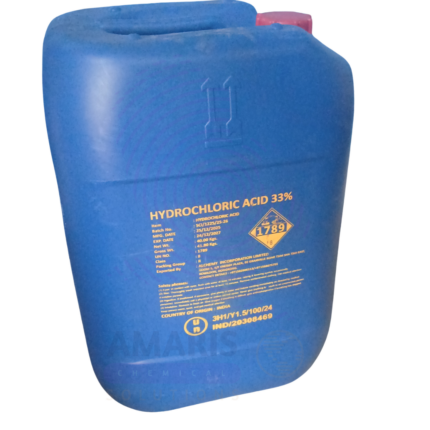
Hydrochloric Acid (HCL)
Hydrochloric Acid is a clear, colorless to slightly yellow aqueous solution of hydrogen chloride gas. It is a strong, highly corrosive mineral acid with a sharp, pungent odor. The chemical formula is HCl with a molecular weight of 36.46 g/mol. Hydrochloric Acid is completely miscible with water and many organic solvents. It is non-flammable but extremely corrosive to metals and human tissue. Technical grade Hydrochloric Acid is manufactured for industrial applications including chemical manufacturing, steel pickling, oil well acidizing, water treatment, and pH adjustment. It is available in various concentrations, typically ranging from 30% to 38% by weight.
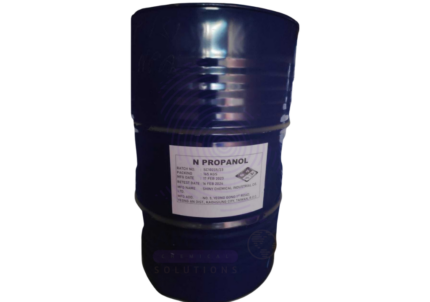
N-Propanol
N-Propanol, also known as n-Propyl Alcohol or 1-Propanol, is a clear, colorless, low-viscosity liquid with a characteristic mild alcohol-like odor. It is a primary alcohol with the molecular formula C₃H₈O, fully miscible with water and common organic solvents such as alcohols, ketones, ethers, glycols, and hydrocarbons. This high-purity, semi-volatile, polar solvent serves as both a versatile solvent and a chemical intermediate across multiple industrial sectors. N-Propanol has a flash point of 15–23°C and is classified as a highly flammable liquid. Technical grade N-Propanol is manufactured for industrial applications and is not intended for direct human consumption unless specifically certified as USP or Food Grade.
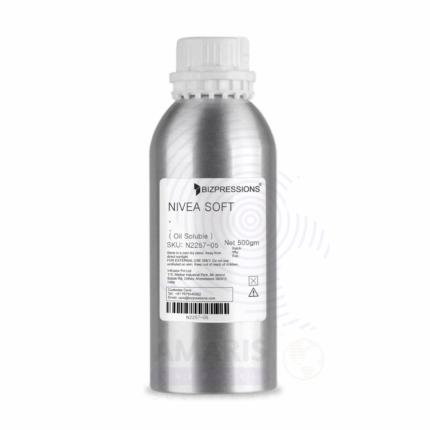
Nivea Type Fragrance Oil
Nivea Type Fragrance Oil is a premium-grade aromatic oil formulated to mimic the clean, soft, and classic scent profile associated with Nivea skincare products. This fragrance features a balanced blend of fresh florals, creamy musk, and light powdery undertones that evoke feelings of comfort, care, and softness. It is widely used in cosmetic and personal care formulations, as well as in household products where a gentle, soothing scent is desired. Due to its stability and compatibility, it can be incorporated into a variety of oil-based or water-based systems.
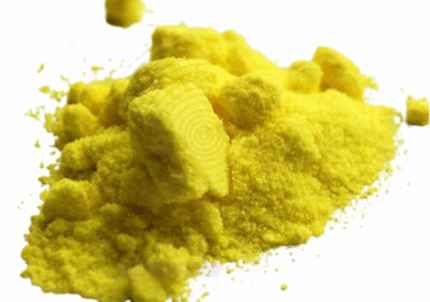
Potassium Chromate
Potassium Chromate is an inorganic chemical compound and a bright yellow crystalline solid commonly used as an oxidizing agent and pigment. It serves as a source of chromate ions in various chemical, industrial, and laboratory applications. Due to its toxic and carcinogenic nature, careful handling and strict regulatory compliance are essential. Potassium Chromate is widely used in corrosion inhibition, dyeing, and chemical synthesis processes.
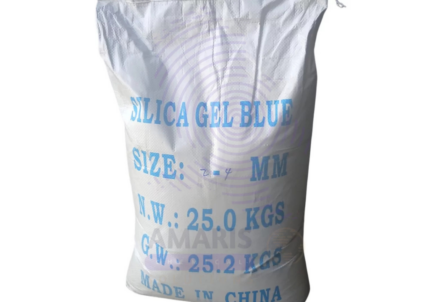
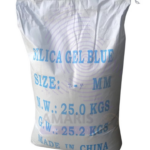
Silica Gel Blue
Silica Gel Blue is a granular, porous form of amorphous silica that contains a moisture-sensitive cobalt compound. The blue color changes to pink as the silica absorbs moisture, providing a visual indication of saturation. Packaged in 25kg quantities, this self-indicating desiccant is widely used in industrial, commercial, and consumer applications for moisture control, preservation, and protection of sensitive materials. Its high surface area, non-corrosive nature, and easy regeneration make it a preferred drying agent across various industries.
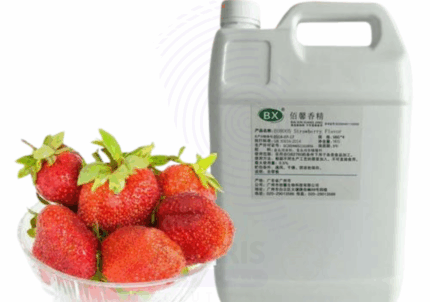
Strawberry Liquid Flavor
Strawberry Liquid Flavor is a premium quality flavoring agent that captures the fresh, sweet, and slightly tart essence of ripe strawberries. Widely used in the food and beverage industry, this flavor enhances the taste and aroma of a variety of products including beverages, confectionery, dairy, and baked goods. It is water and alcohol soluble, allowing easy incorporation into multiple formulations. The natural and authentic strawberry profile makes it ideal for creating flavorful and appealing consumer products.












