

 Preservatives(food)
 Flavors
 Acidulants
 Sweeteners
 Antioxidants
 Colorants(food)
 Nutraceutical Ingredients (food)
 Nutrient Supplements
 Emulsifiers
 Collectors
 Dust Suppressants
 Explosives and Blasting Agents
 Flocculants and Coagulants
 Frothers
 Leaching Agents
 pH Modifiers
 Precious Metal Extraction Agents
 Antioxidants(plastic)
 Colorants (Pigments, Dyes)
 Fillers and Reinforcements
 Flame Retardants
 Monomers
 Plasticizers
 Polymerization Initiators
 Stabilizers (UV, Heat)
 Antifoaming Agents
 Chelating Agents
 Coagulants and Flocculants
 Corrosion Inhibitors
 Disinfectants and Biocides
 Oxidizing Agents
 pH Adjusters
 Scale Inhibitors( water)
 Antioxidants(cosmetic)
 Emollients
 Oils
Oils Carrier Oills
 Essential Oils
 Humectants
 Preservatives
 Surfactants(cosmetic)
 Thickeners
 UV Filters
 Fragrance (Cosmetics)
 Fertilizers
 Soil Conditioners
 Plant Growth Regulators
 Animal Feed Additives
 Biostimulants
 Pesticides (Herbicides, Insecticides, Fungicides)
 Active Pharmaceutical Ingredients (APIs)
 Excipients
 Solvents(pharmaceutical)
 Antibiotics
 Antiseptics and Disinfectants
 Vaccine Adjuvants
 Nutraceutical Ingredients (pharmaceutical)
 Analgesics & Antipyretics
 Analytical Reagents
 Solvents(lab)
 Chromatography Chemicals
 Spectroscopy Reagents
 microbiology-and-cell-culture-reagents
 Molecular Biology Reagents
 Biochemical Reagents
 Inorganic and Organic Standards
 Laboratory Safety Chemicals
 Specialty Laboratory Chemicals(Special Laboratory Equipment)
 Demulsifiers
 Hydraulic Fracturing Fluids
 Scale Inhibitors(oil)
 Surfactants(oil)
 Drilling Fluids
 Dyes and Pigments
 Bleaching Agents
 Softening Agents
 Finishing Agents
 Antistatic Agents
 Admixtures
 Waterproofing Agents
 Sealants and Adhesives
 Curing Compounds
 Concrete Repair Chemicals
 Anti-Corrosion Coatings
 Surfactants(cleaning)
 Builders
 Enzymes
 Solvents (Cleaning)
 Electronic Chemicals
 Catalysts
 Lubricants
 Photographic Chemicals
 Refrigerants
 Automotive chemicals
 Pyrotechnic Chemicals
 Biodegradable Surfactants
 Bio-based Solvents
 Renewable Polymers
 Carbon Capture Chemicals
 Wastewater Treatment Chemicals
 Pigments
 Solvents(paint)
 Specialty Coatings
 Binders/Resins
 Additives
 Driers
 Anti-Corrosion Agents
 Functional Coatings
 Application-Specific Coatings
 Leavening Agents
 Dough Conditioners
 Flour Treatments
 Fat Replacers
 Decoratives
 Preservatives(baking)
 Plasticizers & Softeners
 Reinforcing Agents
 Adhesion Promoters
 Vulcanizing Agents
 Antidegradants
 Blowing Agents
 Fillers & Extenders
 Accelerators & Retarders


Immersion Oil
Immersion Oil is a high-purity, optically transparent oil used primarily in microscopy to enhance the resolution of high-power objectives. Applied between the microscope objective lens and the cover glass, immersion oil reduces light refraction and increases numerical aperture, allowing for clearer and more detailed imaging. It is colorless, non-drying, and has a refractive index closely matching that of glass (typically around 1.515).
This 50ml volume is ideal for laboratory, clinical, and educational settings where precision microscopy work is performed. Immersion oil is formulated to be chemically stable, non-drying, and safe for delicate optics when used correctly.
Immersion Oil
Primary Uses
- Laboratory and Scientific Applications
- Used with high-magnification (usually 100x or higher) oil-immersion microscope objectives.
- Reduces light refraction between slide and objective lens for enhanced image clarity.
- Essential in biological, medical, and pathology labs for detailed cell and tissue visualization.
- Applied in educational institutions for advanced biological microscopy demonstrations.
- Common in industrial inspection of fine materials, electronics, or metallurgical specimens.
Secondary Uses
- Optical Equipment Maintenance
- Occasionally used in calibration or testing of optical systems where refractive index matching is required (under expert supervision).
1. Basic Identification Attributes
- Common/Trade Name: Immersion Oil
- CAS Number: 8042-47-5 (for mineral-oil-based formulations)
- Refractive Index: ~1.515 at 23°C
- HS Code: 3824.99
- Synonyms: Microscopy Oil, Oil for Immersion Objectives
2. Physical & Chemical Properties
- Physical State: Clear, colorless liquid
- Odor: Odorless or very mild hydrocarbon scent
- Viscosity: Medium to high, depending on formulation
- Solubility: Insoluble in water
- Compatibility: Glass and most optical lenses (verify lens coating safety)
- Volatility: Low; non-drying
3. Safety & Hazard Attributes
- GHS Classification: Not classified as hazardous under normal use
- Toxicity: Low; not intended for ingestion or inhalation
- Allergen Information: No known allergens in standard formulations
- Flash Point: > 150°C (varies by formulation)
4. Storage & Handling Attributes
- Storage Conditions: Store tightly sealed in a cool, dry, dust-free place
- Container Type: Amber glass or opaque plastic to avoid UV degradation
- Shelf Life: 3–5 years under ideal storage conditions
- Handling Precautions: Avoid contamination and exposure to air when not in use
5. Regulatory & Compliance Attributes
- Complies with ISO standards for immersion microscopy
- Produced in ISO or GMP-certified facilities
- Non-reactive and safe for use with most optical instruments
- Not intended for food, pharmaceutical, or cosmetic use
6. Environmental & Health Impact
- Biodegradability: Partially biodegradable depending on formulation
- Ecotoxicity: Low when used and disposed of properly
- Bioaccumulation: Not expected in normal use scenarios
Safety Handling Precautions
- PPE Required: Gloves and lab coat recommended during prolonged handling
- Handling Guidelines: Use dropper or applicator; avoid spills on microscope parts
First Aid Measures
- Inhalation: Move to fresh air; unlikely to pose risk
- Skin Contact: Wash with soap and water if contact occurs
- Eye Contact: Rinse gently with clean water
- Ingestion: Seek medical attention; not meant for internal use
Firefighting Measures
- Fire Hazards: Slightly flammable at high temperatures
- Extinguishing Media: CO₂, dry chemical, or foam
- Special Precautions: Avoid using water jet directly on burning oil
- Hazardous Combustion Products: Carbon monoxide, carbon dioxide
Related products
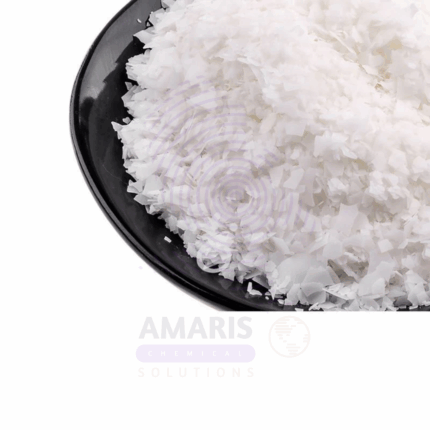
Almond Wax
Almond Wax is a natural, plant-based wax derived from the hydrogenation of almond oil (Prunus amygdalus dulcis). It is a creamy to white, semi-solid wax with a mild, nutty scent and excellent emollient properties. Almond Wax is rich in fatty acids and has a smooth, soft texture, making it ideal for use in cosmetic, personal care, and candle formulations.
Due to its gentle consistency, skin-friendly profile, and moisturizing capabilities, Almond Wax is widely used in body butters, balms, lip care products, massage bars, and artisan soaps. It functions as a natural alternative to petroleum-based waxes and provides structure, viscosity, and glide to formulations. It also finds application in soft wax blends for natural candle products.

Chlorinated Paraffin
Chlorinated paraffins are complex mixtures of polychlorinated n-alkanes produced by reacting chlorine gas with unbranched paraffin fractions derived from petroleum distillation. They appear as colorless or yellowish viscous liquids or solids depending on chain length and chlorine content. Chlorinated paraffins are classified based on carbon chain length into short-chain, medium-chain, and long-chain varieties. Technical grade chlorinated paraffins are manufactured for industrial applications including plasticizers, flame retardants, metalworking additives, and surface coatings. They exhibit excellent compatibility with polymers, high thermal stability, water resistance, and chemical resistance.
Dioctyl Adipate (DOA)
Dioctyl Adipate (DOA) is a clear, colorless, oily liquid that acts as a highly efficient, cold-resistant plasticizer. It is an organic compound produced from the reaction of adipic acid with 2-ethylhexanol. DOA is known for imparting excellent low-temperature flexibility and good lubricity to polymer systems. It is insoluble in water but dissolves readily in organic solvents. Technical grade Dioctyl Adipate is manufactured for industrial applications including plastic and rubber processing, coatings, and lubricants.
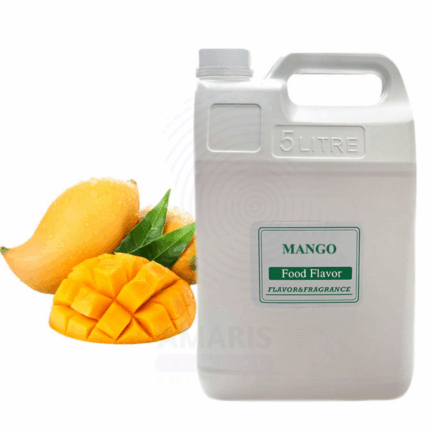
Mango Liquid Flavor
Mango Liquid Flavor Food Grade is a vibrant and natural-tasting flavoring agent that replicates the sweet, juicy, and tropical essence of ripe mangoes. This high-quality liquid flavor is specially formulated for use in food and beverage applications, providing a consistent and authentic mango aroma and taste. Its excellent solubility and stability make it ideal for use in beverages, confectionery, dairy products, baked goods, and other food formulations, enhancing product appeal with a fresh tropical note.
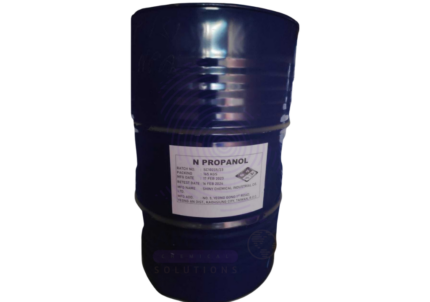
N-Propanol
N-Propanol, also known as n-Propyl Alcohol or 1-Propanol, is a clear, colorless, low-viscosity liquid with a characteristic mild alcohol-like odor. It is a primary alcohol with the molecular formula C₃H₈O, fully miscible with water and common organic solvents such as alcohols, ketones, ethers, glycols, and hydrocarbons. This high-purity, semi-volatile, polar solvent serves as both a versatile solvent and a chemical intermediate across multiple industrial sectors. N-Propanol has a flash point of 15–23°C and is classified as a highly flammable liquid. Technical grade N-Propanol is manufactured for industrial applications and is not intended for direct human consumption unless specifically certified as USP or Food Grade.
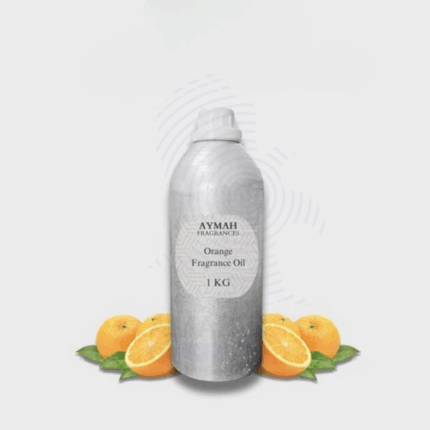
Orange Fragrance Oil
Orange Fragrance Oil is a highly concentrated aromatic oil that delivers a fresh, vibrant, and sweet citrus scent reminiscent of ripe oranges. It is formulated for use in a variety of applications including personal care products, household items, and air fresheners. This fragrance oil offers excellent scent throw, stability, and compatibility with different base materials such as waxes, solvents, and emulsions. Its refreshing aroma makes it a popular choice for perfuming soaps, candles, detergents, and cosmetic formulations, providing a natural and uplifting citrus experience.
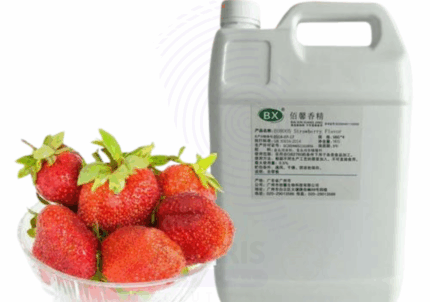
Strawberry Liquid Flavor
Strawberry Liquid Flavor is a premium quality flavoring agent that captures the fresh, sweet, and slightly tart essence of ripe strawberries. Widely used in the food and beverage industry, this flavor enhances the taste and aroma of a variety of products including beverages, confectionery, dairy, and baked goods. It is water and alcohol soluble, allowing easy incorporation into multiple formulations. The natural and authentic strawberry profile makes it ideal for creating flavorful and appealing consumer products.
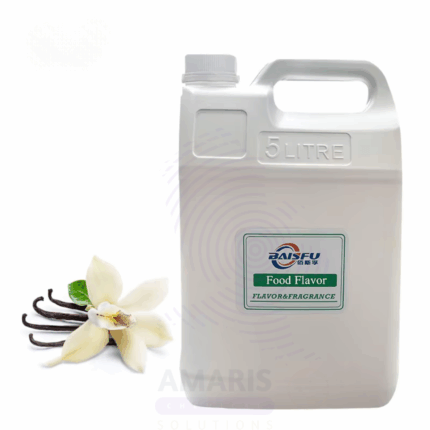
Vanilla Liquid Flavor
Vanilla Liquid Flavor is a high-quality, natural and synthetic blend designed to provide the rich, creamy, and sweet aroma characteristic of vanilla beans. Widely used in the food and beverage industry, this versatile flavoring enhances the taste profile of baked goods, dairy products, beverages, and confectionery. Its excellent solubility in water and alcohol allows for easy incorporation into a wide range of formulations. Liquid Vanilla Flavor offers a smooth, authentic vanilla note that improves product appeal and consumer satisfaction.












