

 Preservatives(food)
 Flavors
 Acidulants
 Sweeteners
 Antioxidants
 Colorants(food)
 Nutraceutical Ingredients (food)
 Nutrient Supplements
 Emulsifiers
 Collectors
 Dust Suppressants
 Explosives and Blasting Agents
 Flocculants and Coagulants
 Frothers
 Leaching Agents
 pH Modifiers
 Precious Metal Extraction Agents
 Antioxidants(plastic)
 Colorants (Pigments, Dyes)
 Fillers and Reinforcements
 Flame Retardants
 Monomers
 Plasticizers
 Polymerization Initiators
 Stabilizers (UV, Heat)
 Antifoaming Agents
 Chelating Agents
 Coagulants and Flocculants
 Corrosion Inhibitors
 Disinfectants and Biocides
 Oxidizing Agents
 pH Adjusters
 Scale Inhibitors( water)
 Antioxidants(cosmetic)
 Emollients
 Oils
Oils Carrier Oills
 Essential Oils
 Humectants
 Preservatives
 Surfactants(cosmetic)
 Thickeners
 UV Filters
 Fragrance (Cosmetics)
 Fertilizers
 Soil Conditioners
 Plant Growth Regulators
 Animal Feed Additives
 Biostimulants
 Pesticides (Herbicides, Insecticides, Fungicides)
 Active Pharmaceutical Ingredients (APIs)
 Excipients
 Solvents(pharmaceutical)
 Antibiotics
 Antiseptics and Disinfectants
 Vaccine Adjuvants
 Nutraceutical Ingredients (pharmaceutical)
 Analgesics & Antipyretics
 Analytical Reagents
 Solvents(lab)
 Chromatography Chemicals
 Spectroscopy Reagents
 microbiology-and-cell-culture-reagents
 Molecular Biology Reagents
 Biochemical Reagents
 Inorganic and Organic Standards
 Laboratory Safety Chemicals
 Specialty Laboratory Chemicals(Special Laboratory Equipment)
 Demulsifiers
 Hydraulic Fracturing Fluids
 Scale Inhibitors(oil)
 Surfactants(oil)
 Drilling Fluids
 Dyes and Pigments
 Bleaching Agents
 Softening Agents
 Finishing Agents
 Antistatic Agents
 Admixtures
 Waterproofing Agents
 Sealants and Adhesives
 Curing Compounds
 Concrete Repair Chemicals
 Anti-Corrosion Coatings
 Surfactants(cleaning)
 Builders
 Enzymes
 Solvents (Cleaning)
 Electronic Chemicals
 Catalysts
 Lubricants
 Photographic Chemicals
 Refrigerants
 Automotive chemicals
 Pyrotechnic Chemicals
 Biodegradable Surfactants
 Bio-based Solvents
 Renewable Polymers
 Carbon Capture Chemicals
 Wastewater Treatment Chemicals
 Pigments
 Solvents(paint)
 Specialty Coatings
 Binders/Resins
 Additives
 Driers
 Anti-Corrosion Agents
 Functional Coatings
 Application-Specific Coatings
 Leavening Agents
 Dough Conditioners
 Flour Treatments
 Fat Replacers
 Decoratives
 Preservatives(baking)
 Plasticizers & Softeners
 Reinforcing Agents
 Adhesion Promoters
 Vulcanizing Agents
 Antidegradants
 Blowing Agents
 Fillers & Extenders
 Accelerators & Retarders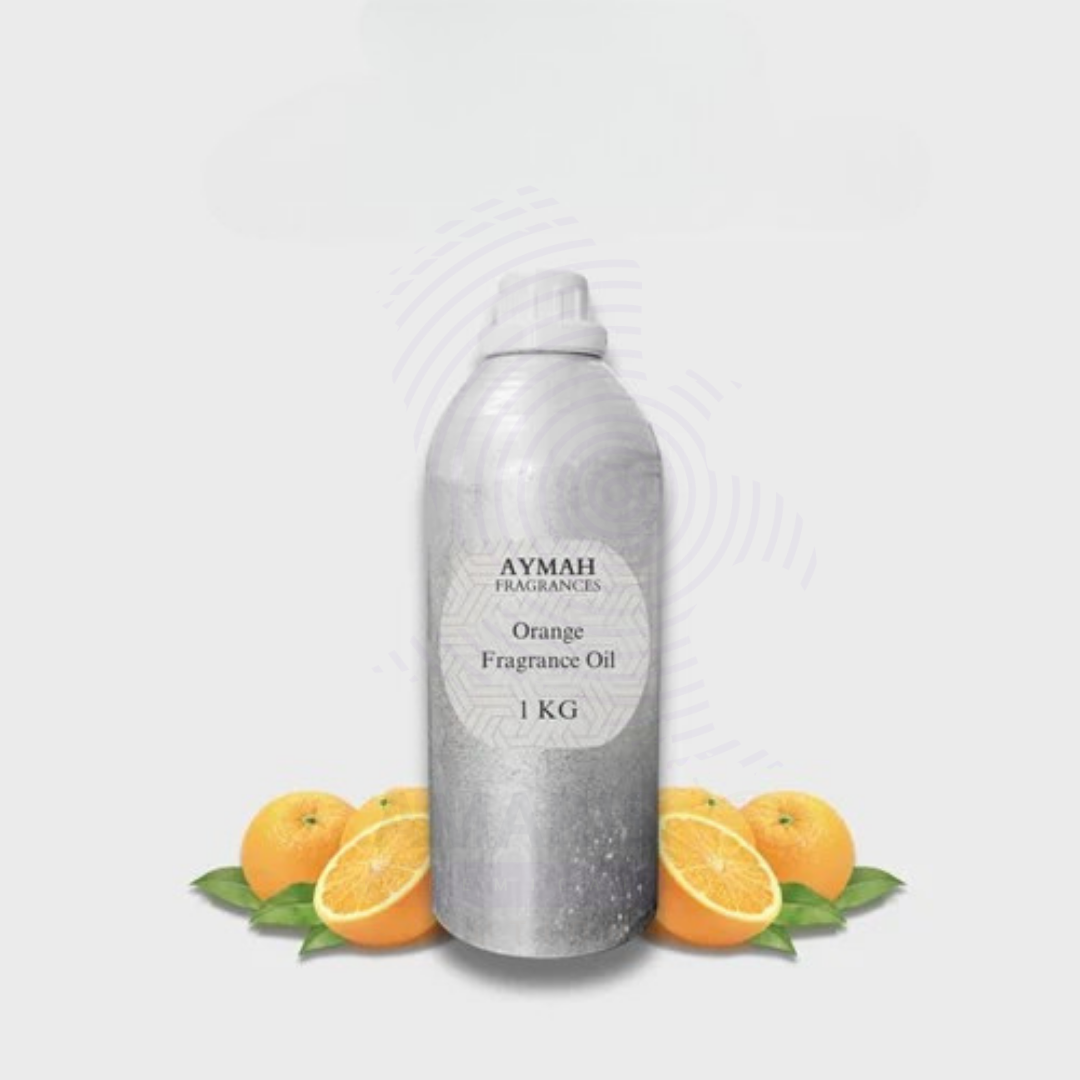


Orange Fragrance Oil
Original price was: $ 28.00.$ 27.65Current price is: $ 27.65.
Orange Fragrance Oil is a highly concentrated aromatic oil that delivers a fresh, vibrant, and sweet citrus scent reminiscent of ripe oranges. It is formulated for use in a variety of applications including personal care products, household items, and air fresheners. This fragrance oil offers excellent scent throw, stability, and compatibility with different base materials such as waxes, solvents, and emulsions. Its refreshing aroma makes it a popular choice for perfuming soaps, candles, detergents, and cosmetic formulations, providing a natural and uplifting citrus experience.
Orange Fragrance Oil
Primary Uses
- Cosmetic and Personal Care Chemicals
- Used in perfumes, colognes, and body sprays to provide a fresh orange scent.
- Incorporated into soaps, shampoos, and bath products for a citrus fragrance.
- Added to lotions, creams, and deodorants for aromatic enhancement.
- Cleaning and Detergent Chemicals
- Utilized in household cleaners, surface sprays, and detergents for a pleasant citrus aroma.
- Included in air fresheners and fabric softeners to impart fresh orange notes.
Secondary Uses
- Specialty and Fine Chemicals
- Used in aromatherapy blends for mood uplifting and energizing effects.
- Employed in candle making and wax melts to create refreshing citrus scents.
1. Basic Identification Attributes
- Botanical Source: Natural and synthetic aromatic compounds
- Common/Trade Name: Orange Fragrance Oil
- INCI Name: Fragrance (Parfum)
- CAS Number: Proprietary blend
- HS Code: 3302.10
- Synonyms: Citrus Fragrance Oil, Orange Essential Oil Blend
2. Physical & Chemical Properties
- Physical State: Liquid
- Color & Odor: Clear to pale yellow; strong fresh orange aroma
- Solubility: Insoluble in water; soluble in oils and solvents
- Density: Approx. 0.85 g/cm³
- Shelf Life: 24 months under proper storage
3. Safety & Hazard Attributes
- GHS Classification: May cause skin irritation; avoid direct contact with eyes
- Toxicity: Non-toxic in typical use concentrations
- Allergen Information: Contains potential allergens; patch testing recommended
- Exposure Limits: Follow occupational safety standards
4. Storage & Handling Attributes
- Storage Conditions: Store in a cool, dry, and dark place away from heat sources
- Container Type: Sealed metal drums or glass bottles
- Shelf Life: 24 months when stored properly
- Handling Precautions: Use gloves and protective eyewear to prevent irritation
5. Regulatory & Compliance Attributes
- Complies with IFRA standards
- Manufactured in GMP-certified facilities
6. Environmental & Health Impact
- Biodegradable and environmentally friendly when used responsibly
- Low ecotoxicity in normal use concentrations
Safety Handling Precautions
- PPE Required: Gloves and protective eyewear
- Handling Guidelines: Avoid inhalation and skin contact
First Aid Measures:
- Inhalation: Move to fresh air if irritation occurs
- Skin Contact: Wash thoroughly with soap and water
- Eye Contact: Rinse immediately with water and seek medical advice if irritation persists
- Ingestion: Do not induce vomiting; seek medical attention
Firefighting Measures
- Fire Hazards: Combustible liquid
- Extinguishing Media: Foam, dry chemical, CO₂
- Special Precautions: Avoid inhaling combustion fumes
- Hazardous Combustion Products: Carbon monoxide, carbon dioxide
Related products
Almond Wax
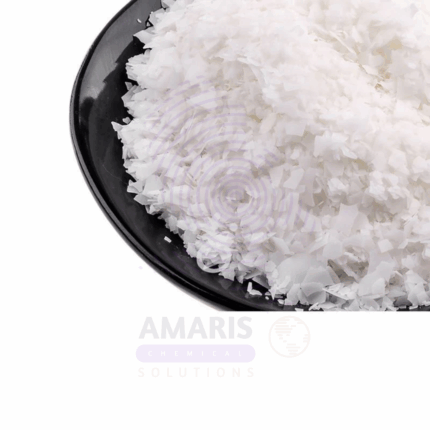
Almond Wax is a natural, plant-based wax derived from the hydrogenation of almond oil (Prunus amygdalus dulcis). It is a creamy to white, semi-solid wax with a mild, nutty scent and excellent emollient properties. Almond Wax is rich in fatty acids and has a smooth, soft texture, making it ideal for use in cosmetic, personal care, and candle formulations.
Due to its gentle consistency, skin-friendly profile, and moisturizing capabilities, Almond Wax is widely used in body butters, balms, lip care products, massage bars, and artisan soaps. It functions as a natural alternative to petroleum-based waxes and provides structure, viscosity, and glide to formulations. It also finds application in soft wax blends for natural candle products.
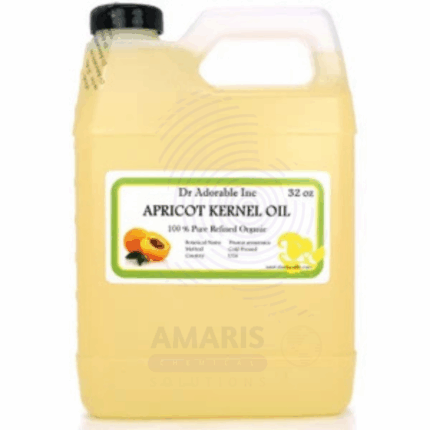
Apricot Fragrance Oil
Apricot Fragrance Oil is a concentrated synthetic blend designed to replicate the sweet, mellow, and slightly tangy scent of fresh apricots. This versatile fragrance oil is widely used in the cosmetic, personal care, and home care industries for its comforting and fruity aroma. It offers excellent scent retention and formulation compatibility across oil- and alcohol-based systems. With its warm, inviting character, Apricot Fragrance Oil enhances the sensory experience in a wide variety of end products, from skin care to environmental fragrance.
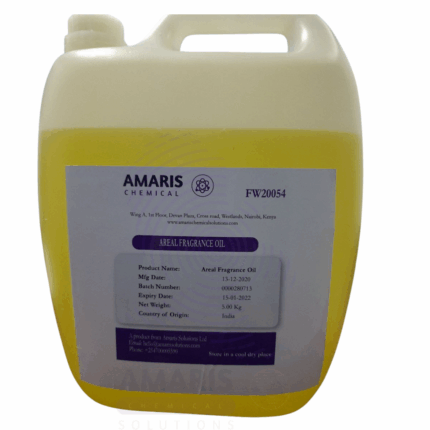
Areal Fragrance Oil
Areal Fragrance Oil is a premium synthetic fragrance blend designed to replicate the crisp, clean scent of fresh linen with subtle floral and breezy undertones. This fragrance oil is widely used across personal care and home fragrance applications due to its light, refreshing profile and excellent stability in both water- and oil-based systems. Its long-lasting scent makes it ideal for formulating products that evoke cleanliness, freshness, and comfort. Areal Fragrance Oil is compatible with various product bases and performs well under high-temperature processing conditions.
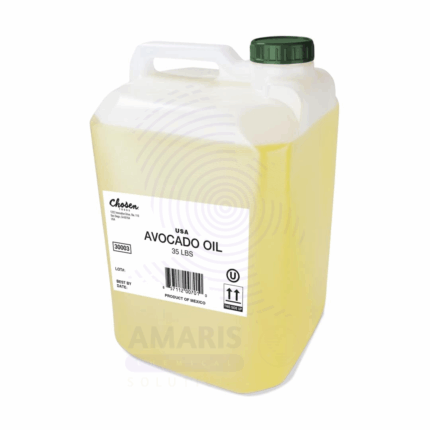
Avocado Fragrance Oil
Avocado Fragrance Oil is a rich, creamy scent that mimics the fresh, buttery aroma of ripe avocados. This oil-soluble fragrance delivers a smooth, natural green note with subtle hints of nutty and fruity undertones, making it ideal for a variety of personal care and cosmetic products. Its excellent stability and moderate intensity ensure long-lasting fragrance performance in creams, lotions, soaps, and bath products. Avocado Fragrance Oil adds a fresh and comforting aroma that appeals to customers seeking natural and nourishing scent profiles.
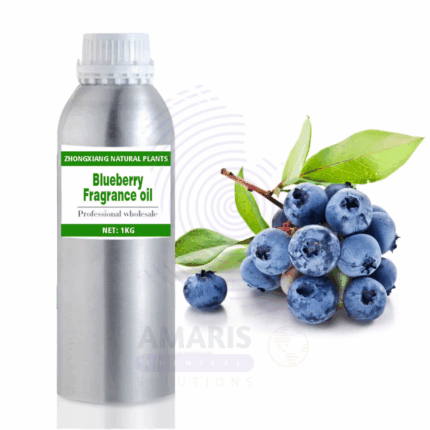
Blue Berry Fragrance Oil
Blue Berry Fragrance Oil is a richly aromatic, sweet, and juicy scent capturing the natural essence of fresh blueberries. This oil-soluble fragrance is designed to bring a vibrant, fruity, and slightly tart aroma to a variety of personal care, cosmetic, and specialty products. It offers excellent stability and diffusion in formulations such as lotions, candles, soaps, and bath products, enhancing them with a fresh and lively blueberry scent that evokes a sense of freshness and vitality.

Bubble Gum Fragrance Oil
Bubble Gum Fragrance Oil is a high-quality aromatic oil designed to impart the classic sweet, fruity, and nostalgic scent of bubble gum. This fragrance oil is widely used in a variety of personal care and household products to provide a fun and playful aroma. It is carefully formulated for stability and long-lasting scent performance, making it ideal for use in soaps, candles, air fresheners, and cosmetic formulations.
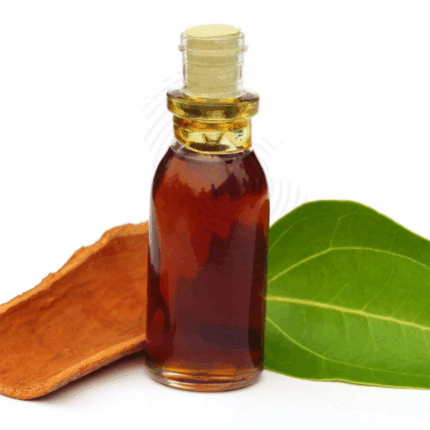
Cassia Oil
Cassia Oil is a potent essential oil steam-distilled from the bark of Cinnamomum cassia, commonly known as Chinese cinnamon. It carries a strong, spicy, and warm aroma similar to true cinnamon but is more pungent and intense. Its reddish-brown to yellow appearance and high cinnamaldehyde content give it powerful antimicrobial, antifungal, and warming properties. Cassia Oil is used across various industries including food flavoring, pharmaceuticals, cosmetics, aromatherapy, and household products. Due to its strength, it is typically used in diluted concentrations.
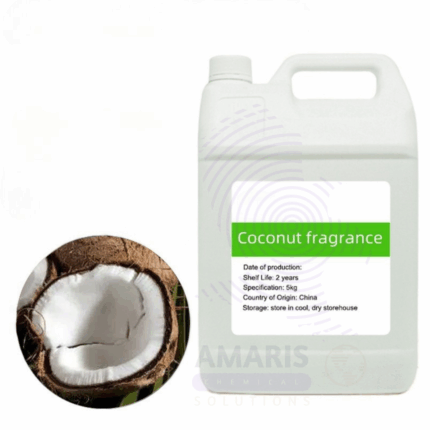
Coconut Water Soluble Fragrance
Coconut Water Soluble Fragrance is a tropical, creamy-sweet scent formulated to blend seamlessly into water-based applications without clouding or separation. Capturing the smooth and comforting aroma of fresh coconut, this fragrance is ideal for personal care, household, and specialty products where a soft and exotic tropical scent is desired. It offers excellent stability in aqueous systems, ensuring long-lasting fragrance performance in everything from mists and cleansers to air fresheners and fabric care products.












