

 Preservatives(food)
 Flavors
 Acidulants
 Sweeteners
 Antioxidants
 Colorants(food)
 Nutraceutical Ingredients (food)
 Nutrient Supplements
 Emulsifiers
 Collectors
 Dust Suppressants
 Explosives and Blasting Agents
 Flocculants and Coagulants
 Frothers
 Leaching Agents
 pH Modifiers
 Precious Metal Extraction Agents
 Antioxidants(plastic)
 Colorants (Pigments, Dyes)
 Fillers and Reinforcements
 Flame Retardants
 Monomers
 Plasticizers
 Polymerization Initiators
 Stabilizers (UV, Heat)
 Antifoaming Agents
 Chelating Agents
 Coagulants and Flocculants
 Corrosion Inhibitors
 Disinfectants and Biocides
 Oxidizing Agents
 pH Adjusters
 Scale Inhibitors( water)
 Antioxidants(cosmetic)
 Emollients
 Oils
Oils Carrier Oills
 Essential Oils
 Humectants
 Preservatives
 Surfactants(cosmetic)
 Thickeners
 UV Filters
 Fragrance (Cosmetics)
 Fertilizers
 Soil Conditioners
 Plant Growth Regulators
 Animal Feed Additives
 Biostimulants
 Pesticides (Herbicides, Insecticides, Fungicides)
 Active Pharmaceutical Ingredients (APIs)
 Excipients
 Solvents(pharmaceutical)
 Antibiotics
 Antiseptics and Disinfectants
 Vaccine Adjuvants
 Nutraceutical Ingredients (pharmaceutical)
 Analgesics & Antipyretics
 Analytical Reagents
 Solvents(lab)
 Chromatography Chemicals
 Spectroscopy Reagents
 microbiology-and-cell-culture-reagents
 Molecular Biology Reagents
 Biochemical Reagents
 Inorganic and Organic Standards
 Laboratory Safety Chemicals
 Specialty Laboratory Chemicals(Special Laboratory Equipment)
 Demulsifiers
 Hydraulic Fracturing Fluids
 Scale Inhibitors(oil)
 Surfactants(oil)
 Drilling Fluids
 Dyes and Pigments
 Bleaching Agents
 Softening Agents
 Finishing Agents
 Antistatic Agents
 Admixtures
 Waterproofing Agents
 Sealants and Adhesives
 Curing Compounds
 Concrete Repair Chemicals
 Anti-Corrosion Coatings
 Surfactants(cleaning)
 Builders
 Enzymes
 Solvents (Cleaning)
 Electronic Chemicals
 Catalysts
 Lubricants
 Photographic Chemicals
 Refrigerants
 Automotive chemicals
 Pyrotechnic Chemicals
 Biodegradable Surfactants
 Bio-based Solvents
 Renewable Polymers
 Carbon Capture Chemicals
 Wastewater Treatment Chemicals
 Pigments
 Solvents(paint)
 Specialty Coatings
 Binders/Resins
 Additives
 Driers
 Anti-Corrosion Agents
 Functional Coatings
 Application-Specific Coatings
 Leavening Agents
 Dough Conditioners
 Flour Treatments
 Fat Replacers
 Decoratives
 Preservatives(baking)
 Plasticizers & Softeners
 Reinforcing Agents
 Adhesion Promoters
 Vulcanizing Agents
 Antidegradants
 Blowing Agents
 Fillers & Extenders
 Accelerators & Retarders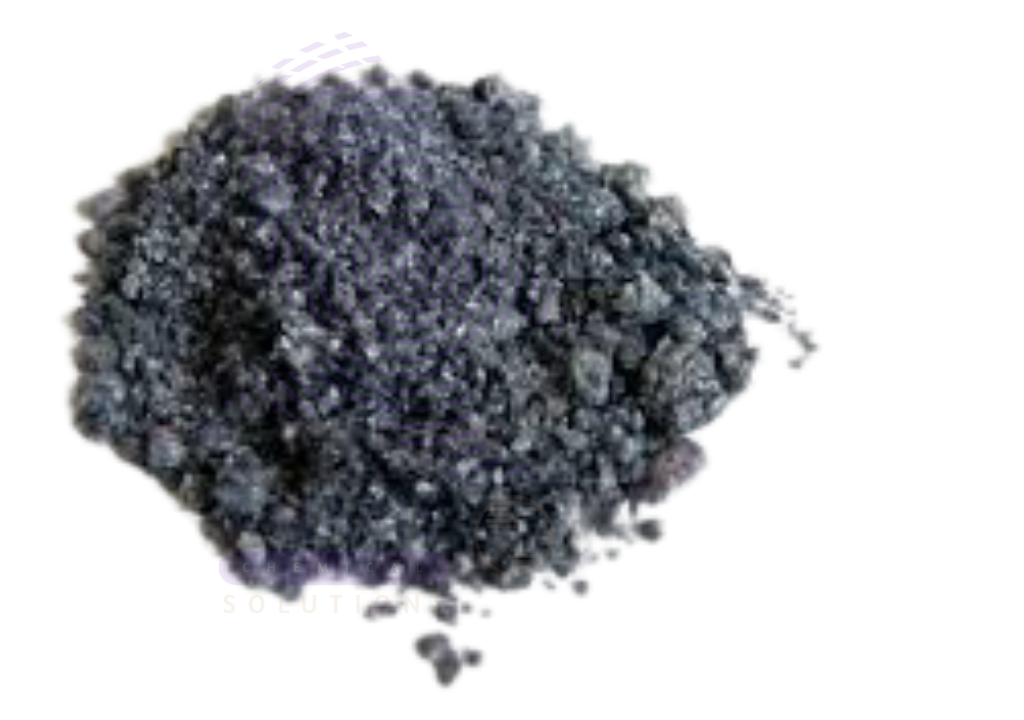


Salcromo
Salcromo is a specialty chemical used primarily as a corrosion inhibitor and surface treatment agent for metals. It helps prevent rust and corrosion on metal surfaces, enhancing their durability and lifespan. Salcromo is widely applied in industries such as metal finishing, automotive, and manufacturing to protect steel, iron, and other metals from environmental damage and oxidation.
Salcromo
Primary Uses
- Metal Treatment & Protection
- Used as a corrosion inhibitor in metal finishing processes to protect steel and iron components.
- Applied in surface treatment baths to improve adhesion of subsequent coatings and paints.
- Enhances resistance of metal parts to rust, especially in automotive and machinery manufacturing.
- Manufacturing & Industrial Applications
- Utilized in the production of metal parts and tools to prolong service life by reducing oxidation.
- Incorporated in formulations for metalworking fluids and coolants to prevent corrosion during machining.
Secondary Uses
- Construction
- Used in protective coatings for structural steel to improve durability in harsh environments.
- Electronics
- Applied in surface treatments for metal parts in electronic devices to prevent corrosion and ensure conductivity.
1. Basic Identification Attributes
- Chemical Name (IUPAC): Varies depending on formulation; generally chromate-based corrosion inhibitor
- Common/Trade Name: Salcromo
- CAS Number: Varies by formulation
- HS Code: 2825.90 (inorganic chemical mixtures)
- Synonyms: Chromate corrosion inhibitor, metal passivation agent
2. Physical & Chemical Properties
- Physical State: Liquid or powder depending on formulation
- Color & Odor: Typically yellow-green to amber; mild chemical odor
- Solubility: Soluble in water or aqueous solutions
- Stability: Stable under recommended storage conditions
3. Safety & Hazard Attributes
- GHS Classification: Often classified as hazardous due to chromate content (carcinogenic, mutagenic risks)
- Toxicity: Toxic if ingested or inhaled; potential carcinogen
- Exposure Limits: Strict occupational exposure limits; use with protective equipment
4. Storage & Handling Attributes
- Storage Conditions: Store in a cool, dry, well-ventilated area away from incompatible substances
- Container Type: Supplied in sealed drums or containers
- Shelf Life: Stable for 1–2 years if stored properly
- Handling Precautions: Use gloves, respirators, and protective clothing; avoid skin and eye contact
5. Regulatory & Compliance Attributes
- Complies with relevant chemical safety regulations (e.g., REACH, OSHA)
- May be subject to hazardous waste disposal regulations due to chromate content
6. Environmental & Health Impact
- Biodegradability: Poorly biodegradable; environmental persistence
- Ecotoxicity: Highly toxic to aquatic life; avoid environmental release
- Bioaccumulation: Potential for bioaccumulation due to heavy metal content
Safety Handling Precautions
- PPE Required: Gloves, respirator, goggles, and protective clothing mandatory
- Handling Guidelines: Use in well-ventilated areas; avoid inhalation, ingestion, and skin contact
- Storage Measures: Keep containers tightly closed and stored in a dry environment away from reducing agents and acids
First Aid Measures
- Inhalation: Move to fresh air; seek immediate medical attention if symptoms develop
- Skin Contact: Wash thoroughly with soap and water; seek medical advice if irritation or burns occur
- Eye Contact: Rinse with plenty of water for at least 15 minutes; seek urgent medical care
- Ingestion: Do not induce vomiting; seek immediate medical attention
Firefighting Measures
- Fire Hazards: Non-flammable but may release toxic fumes when heated
- Extinguishing Media: Use water spray, foam, dry chemical, or CO₂
- Special Precautions: Wear full protective gear and self-contained breathing apparatus
- Hazardous Combustion Products: Chromates, oxides of sulfur and nitrogen
Related products
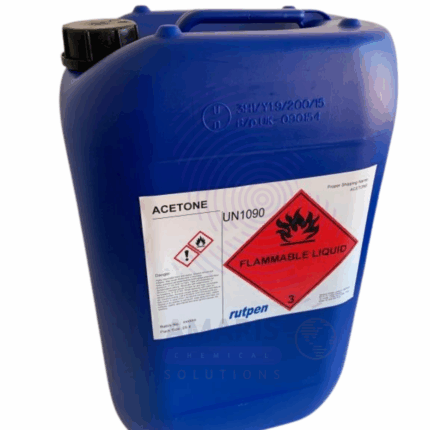
Acetone
Acetone (chemical formula CH₃COCH₃) is the simplest and most widely used ketone, appearing as a clear, colorless, volatile liquid with a characteristic sweet, pungent odor. Industrial Grade Acetone is manufactured with a minimum purity of 99.5%, offering aggressive solvent power, rapid evaporation rate, and complete miscibility with water and most organic solvents. Its combination of high solvency, low toxicity relative to other industrial solvents, and favorable regulatory status makes it an indispensable chemical in manufacturing, cleaning, and formulation processes across numerous heavy industries.
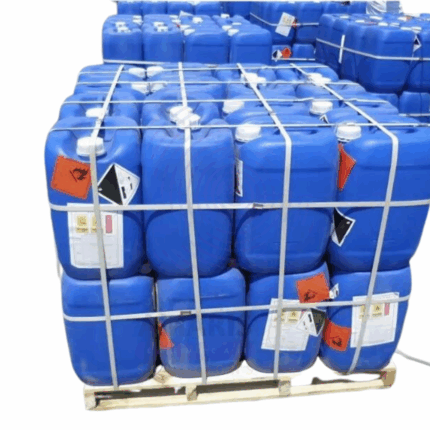
Dimethyl Acetimide
Dimethyl Acetimide is a versatile organic compound used predominantly as a solvent and intermediate in chemical syntheses. It is a colorless to pale yellow liquid with good solvency properties for a wide range of organic substances. Known for its stability and relatively low toxicity compared to similar amides, Dimethyl Acetimide finds applications in pharmaceuticals, agrochemicals, and specialty chemical manufacturing. Its miscibility with water and many organic solvents makes it suitable for formulation and processing roles.
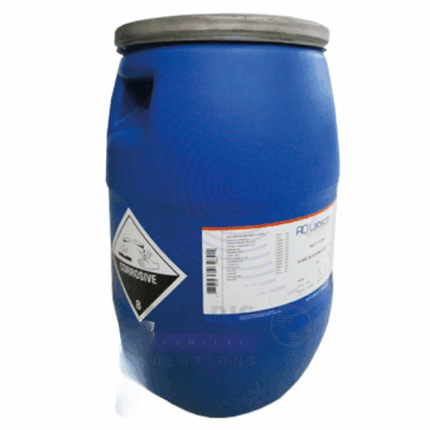
Disodium Hydrogen Phosphate
Disodium Hydrogen Phosphate, also known as sodium phosphate dibasic, is an inorganic salt widely used as a buffering agent, emulsifier, and food additive. It appears as a white, odorless crystalline powder or granules that are highly soluble in water and alkaline in nature. It plays a crucial role in maintaining pH balance, stabilizing formulations, and supplying essential sodium and phosphate ions in various industries including food, pharmaceuticals, water treatment, and agriculture.
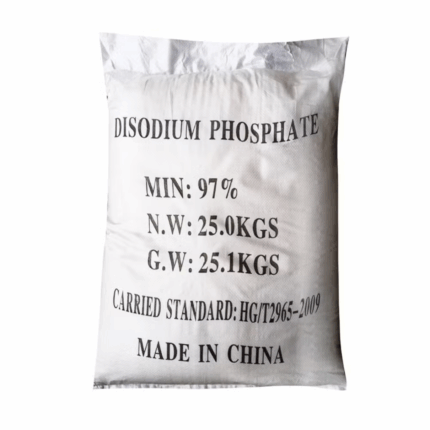
Disodium Phosphate
Disodium Phosphate, also known as sodium phosphate dibasic, is an inorganic compound widely used for its buffering, emulsifying, and chelating properties. It commonly appears as a white, odorless crystalline powder or granules that are highly soluble in water and alkaline in nature. Disodium Phosphate plays a vital role in regulating pH, improving stability in formulations, and providing essential sodium and phosphate ions. It finds extensive use across food processing, pharmaceuticals, water treatment, agriculture, and industrial applications.
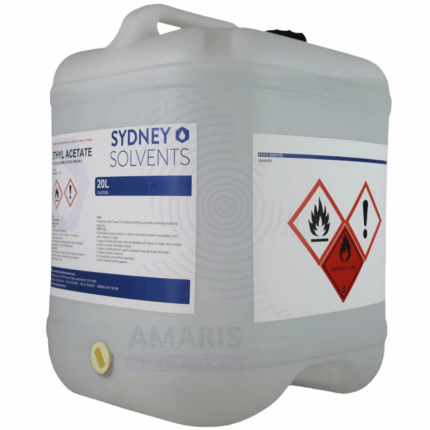
Ethyl Acetate
Ethyl Acetate is a clear, colorless, volatile organic solvent with a characteristic sweet, fruity odor reminiscent of pear drops. It is an ester formed by the condensation of ethanol and acetic acid. Known for its excellent solvency, low toxicity, and rapid evaporation rate, Ethyl Acetate is widely used as a solvent in coatings, adhesives, inks, pharmaceuticals, and chemical synthesis. It is miscible with most organic solvents and partially soluble in water. Ethyl Acetate offers high volatility, making it ideal for quick-drying formulations.
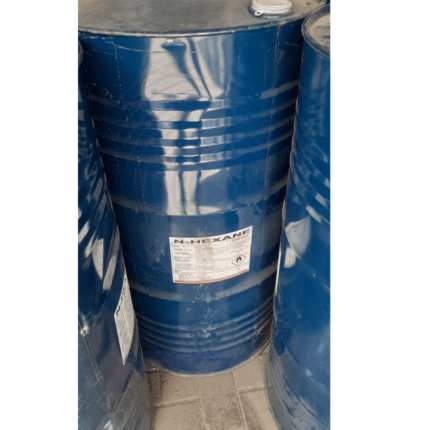
Normal Hexane
Normal Hexane is a colorless, highly flammable liquid hydrocarbon with the chemical formula C6H14. It belongs to the aliphatic hydrocarbon family and is primarily used as a solvent due to its excellent ability to dissolve oils, fats, and various organic compounds. It has a low boiling point and evaporates quickly, making it ideal for industrial and laboratory applications.
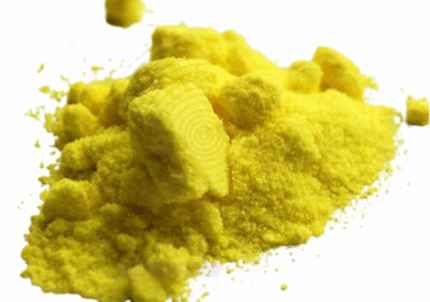
Potassium Chromate
Potassium Chromate is an inorganic chemical compound and a bright yellow crystalline solid commonly used as an oxidizing agent and pigment. It serves as a source of chromate ions in various chemical, industrial, and laboratory applications. Due to its toxic and carcinogenic nature, careful handling and strict regulatory compliance are essential. Potassium Chromate is widely used in corrosion inhibition, dyeing, and chemical synthesis processes.
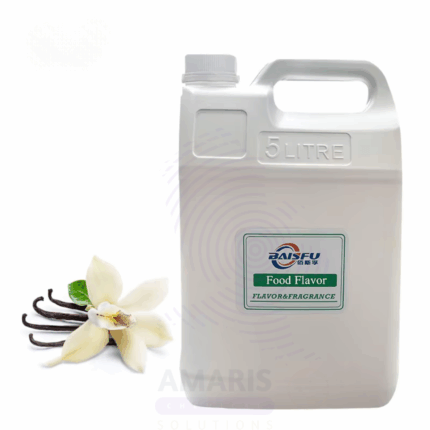
Vanilla Liquid Flavor
Vanilla Liquid Flavor is a high-quality, natural and synthetic blend designed to provide the rich, creamy, and sweet aroma characteristic of vanilla beans. Widely used in the food and beverage industry, this versatile flavoring enhances the taste profile of baked goods, dairy products, beverages, and confectionery. Its excellent solubility in water and alcohol allows for easy incorporation into a wide range of formulations. Liquid Vanilla Flavor offers a smooth, authentic vanilla note that improves product appeal and consumer satisfaction.












