

 Preservatives(food)
 Flavors
 Acidulants
 Sweeteners
 Antioxidants
 Colorants(food)
 Nutraceutical Ingredients (food)
 Nutrient Supplements
 Emulsifiers
 Collectors
 Dust Suppressants
 Explosives and Blasting Agents
 Flocculants and Coagulants
 Frothers
 Leaching Agents
 pH Modifiers
 Precious Metal Extraction Agents
 Antioxidants(plastic)
 Colorants (Pigments, Dyes)
 Fillers and Reinforcements
 Flame Retardants
 Monomers
 Plasticizers
 Polymerization Initiators
 Stabilizers (UV, Heat)
 Antifoaming Agents
 Chelating Agents
 Coagulants and Flocculants
 Corrosion Inhibitors
 Disinfectants and Biocides
 Oxidizing Agents
 pH Adjusters
 Scale Inhibitors( water)
 Antioxidants(cosmetic)
 Emollients
 Oils
Oils Carrier Oills
 Essential Oils
 Humectants
 Preservatives
 Surfactants(cosmetic)
 Thickeners
 UV Filters
 Fragrance (Cosmetics)
 Fertilizers
 Soil Conditioners
 Plant Growth Regulators
 Animal Feed Additives
 Biostimulants
 Pesticides (Herbicides, Insecticides, Fungicides)
 Active Pharmaceutical Ingredients (APIs)
 Excipients
 Solvents(pharmaceutical)
 Antibiotics
 Antiseptics and Disinfectants
 Vaccine Adjuvants
 Nutraceutical Ingredients (pharmaceutical)
 Analgesics & Antipyretics
 Analytical Reagents
 Solvents(lab)
 Chromatography Chemicals
 Spectroscopy Reagents
 microbiology-and-cell-culture-reagents
 Molecular Biology Reagents
 Biochemical Reagents
 Inorganic and Organic Standards
 Laboratory Safety Chemicals
 Specialty Laboratory Chemicals(Special Laboratory Equipment)
 Demulsifiers
 Hydraulic Fracturing Fluids
 Scale Inhibitors(oil)
 Surfactants(oil)
 Drilling Fluids
 Dyes and Pigments
 Bleaching Agents
 Softening Agents
 Finishing Agents
 Antistatic Agents
 Admixtures
 Waterproofing Agents
 Sealants and Adhesives
 Curing Compounds
 Concrete Repair Chemicals
 Anti-Corrosion Coatings
 Surfactants(cleaning)
 Builders
 Enzymes
 Solvents (Cleaning)
 Electronic Chemicals
 Catalysts
 Lubricants
 Photographic Chemicals
 Refrigerants
 Automotive chemicals
 Pyrotechnic Chemicals
 Biodegradable Surfactants
 Bio-based Solvents
 Renewable Polymers
 Carbon Capture Chemicals
 Wastewater Treatment Chemicals
 Pigments
 Solvents(paint)
 Specialty Coatings
 Binders/Resins
 Additives
 Driers
 Anti-Corrosion Agents
 Functional Coatings
 Application-Specific Coatings
 Leavening Agents
 Dough Conditioners
 Flour Treatments
 Fat Replacers
 Decoratives
 Preservatives(baking)
 Plasticizers & Softeners
 Reinforcing Agents
 Adhesion Promoters
 Vulcanizing Agents
 Antidegradants
 Blowing Agents
 Fillers & Extenders
 Accelerators & Retarders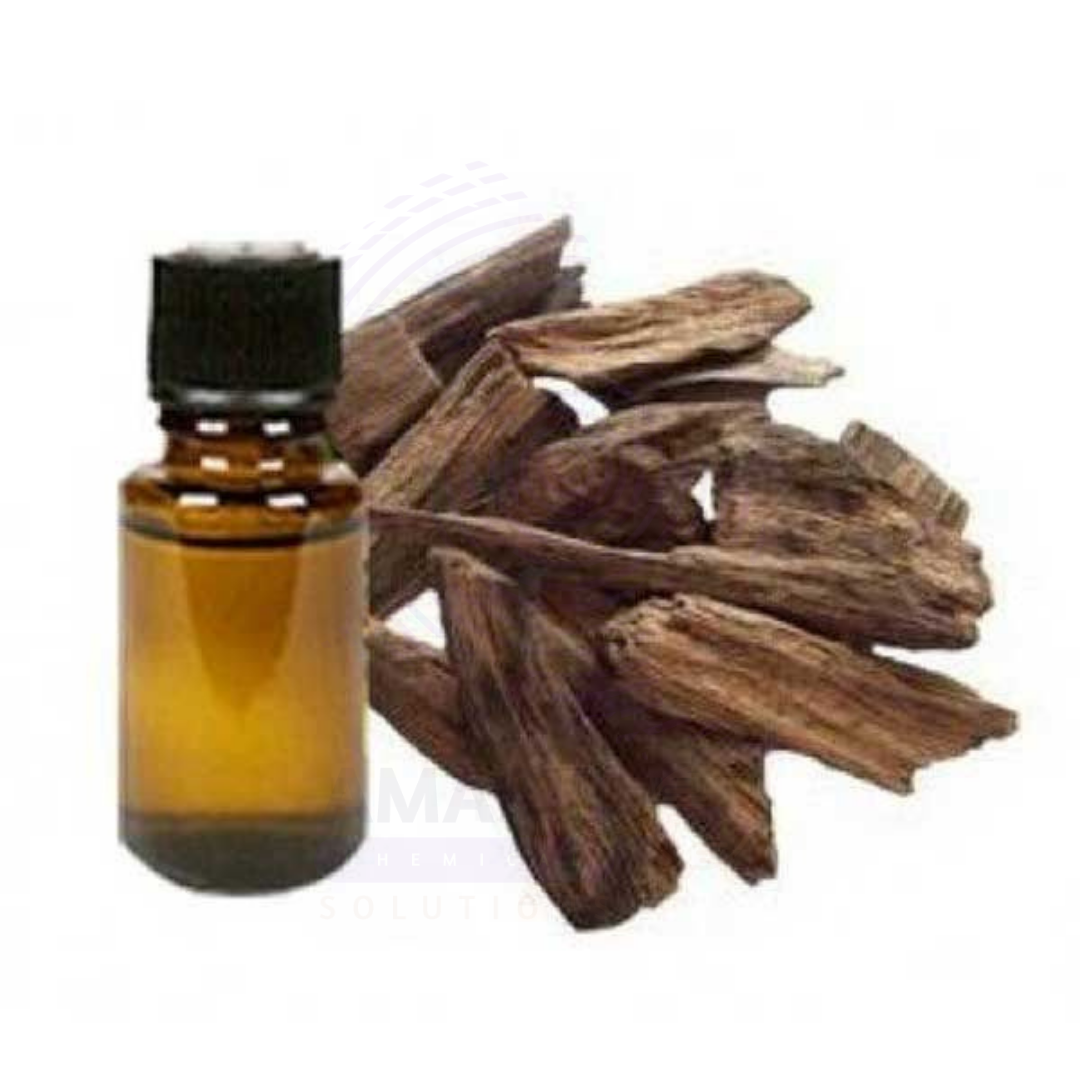

Agarwood oil
Agarwood oil, also known as Oudh Oil, is a rare and luxurious essential oil derived from the heartwood of the Aquilaria tree, primarily found in Southeast Asia. This dark, viscous oil is extracted through steam distillation of infected wood—formed when the tree produces a dark, aromatic resin in response to fungal attack. The resulting oil is one of the most precious and complex natural fragrances in the world, known for its deep, woody, smoky, and slightly sweet aroma.
Agarwood Oil is widely revered in perfumery, spiritual rituals, and traditional medicine. Its rich olfactory profile and fixative qualities make it an indispensable ingredient in high-end perfumes and incense. Additionally, it is used in skin care, wellness therapies, and emotional balancing practices due to its grounding, calming, and meditative effects. Agarwood Oil is produced in extremely limited quantities, which adds to its exclusivity and value.
Agarwood oil
Primary Uses
- Perfumery and Fragrance Industry
- Used as a base note in luxury perfumes and attars due to its complex, long-lasting aroma.
- Blended with floral, spicy, or woody accords to enhance depth and richness.
- Acts as a natural fixative, anchoring lighter aromatic components in high-end fragrance formulations.
- Featured in niche perfumery for creating oriental, woody, and resinous scent profiles.
- Commonly used in traditional Arabian and Indian perfumery, especially in oil-based applications.
- Aromatherapy & Wellness
- Used in meditation and mindfulness practices for its grounding and centering properties.
- Diffused or applied (diluted) to promote calmness, reduce stress, and enhance emotional clarity.
- Included in spiritual and ritualistic blends to support inner peace and focus.
- Sometimes used in chakra balancing and energy-clearing oil formulas.
- Promotes deep relaxation and sleep in therapeutic oil blends.
- Cosmetics and Personal Care
- Added to premium creams, balms, and serums for its fragrance and reputed skin-nourishing properties.
- Used in artisanal soaps and bath oils for a luxurious, exotic scent experience.
- Featured in beard oils, body oils, and men’s grooming products for its deep, masculine aroma.
- Used in high-end facial oils and elixirs for calming, grounding skin effects.
- Traditional and Alternative Medicine
- Historically used in Ayurvedic and Traditional Chinese Medicine for calming the nervous system.
- Occasionally used in topical applications for soothing inflammation or minor pain (highly diluted).
- Employed in ceremonial and healing blends for energetic balance and purification.
Secondary Uses
- Incense and Spiritual Use
- Burned as high-grade incense in religious ceremonies and sacred rituals across cultures.
- Incorporated in temple offerings and home rituals to purify space and elevate consciousness.
- Used in meditation rooms and yoga studios to enhance spiritual ambience.
- High-Value Candle and Ambient Products
- Used in luxury scented candles for an elegant, meditative atmosphere.
- Added to ambient scent diffusers and oil burners for exotic home fragrance.
- Blended with sandalwood, frankincense, and rose for premium ambient compositions.
- High-End Artisan Craft
- Occasionally used in fine handmade products like natural deodorants, hair oils, and personal attars.
- Incorporated into oil-infused jewelry and artisanal woodworks for both scent and symbolism.
1. Basic Identification Attributes
- Botanical Name: Aquilaria malaccensis (and related Aquilaria species)
- Common/Trade Name: Agarwood Oil / Oudh Oil
- INCI Name: Aquilaria Malaccensis Oil
- CAS Number: 94350-09-1
- HS Code: 3301.29
- Synonyms: Oudh, Aloeswood Oil, Eaglewood Oil, Oud Oil
2. Physical & Chemical Properties
- Physical State: Thick, viscous essential oil
- Color & Odor: Dark brown to amber; deep, woody, balsamic, smoky aroma
- Solubility: Insoluble in water; soluble in alcohol and oils
- Refractive Index: 1.510 – 1.560
- Specific Gravity: 0.920 – 1.000
- Main Components: Sesquiterpenes, agarospirol, jinkoh-eremol, benzylacetone (varies by origin and age)
3. Safety & Hazard Attributes
- GHS Classification: Not classified as hazardous in typical use concentrations
- Toxicity: Low toxicity; safe for topical and aromatic use when diluted properly
- Exposure Limits: No known occupational exposure limits
- Allergen Information: Generally well tolerated; test for skin sensitivity before use
4. Storage & Handling Attributes
- Storage Conditions: Store in a tightly sealed container in a cool, dry place away from sunlight
- Container Type: Amber glass bottles or stainless steel drums
- Shelf Life: 36+ months under proper storage conditions (improves with age)
- Handling Precautions: Handle with clean, dry instruments to maintain purity
5. Regulatory & Compliance Attributes
- CITES-regulated (export requires certification due to protected status of Aquilaria species)
- Manufactured in compliance with IFRA guidelines for fragrance use
- Produced in GMP-certified facilities
- Not classified as hazardous under international transport regulations
6. Environmental & Health Impact
- Biodegradability: Biodegradable in the environment
- Ecotoxicity: Low environmental toxicity when used as intended
- Bioaccumulation: Not bioaccumulative
- Sustainability Notes: Ethically sourced oils must be certified to ensure sustainable harvesting
Safety Handling Precautions
- PPE Required: Gloves and goggles recommended in industrial handling
- Handling Guidelines: Use clean, dry utensils and avoid contamination from water or other oils
First Aid Measures
- Inhalation: Move to fresh air if any irritation occurs; seek help if symptoms persist
- Skin Contact: Rinse with soap and water; discontinue use if irritation appears
- Eye Contact: Rinse thoroughly with water; seek medical help if irritation continues
- Ingestion: Not for internal use; seek medical assistance if accidentally swallowed
Firefighting Measures
- Fire Hazards: Combustible in high concentrations
- Extinguishing Media: Foam, CO₂, dry chemical, or water spray
- Special Precautions: Use self-contained breathing apparatus and protective gear
- Hazardous Combustion Products: Carbon monoxide, carbon dioxide, aromatic smoke
Related products
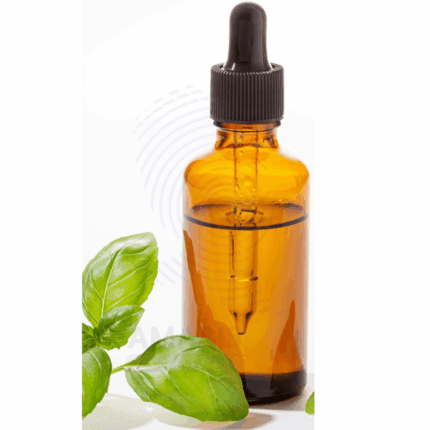
Basil sweet oil
Basil Sweet Oil is a high-quality essential oil extracted via steam distillation from the leaves and flowering tops of the Ocimum basilicum plant, known as Sweet Basil. This chemotype is rich in linalool and low in estragole, making it gentler and more suitable for topical use than other basil varieties. With a fresh, sweet, herbaceous, and slightly floral aroma, Basil Sweet Oil is highly valued in cosmetics, personal care, aromatherapy, and natural wellness formulations.
This essential oil is known for its clarifying, uplifting, and antiseptic properties. It supports mental clarity, soothes muscular tension, and offers anti-inflammatory and antimicrobial benefits for skin and scalp. Basil Sweet Oil is especially preferred in formulations targeting sensitive skin and emotional well-being.
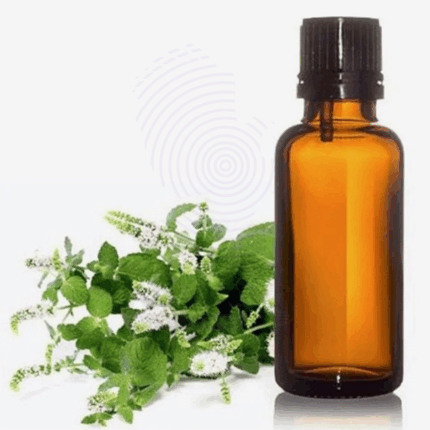
Cajaput Oil
Cajaput Oil is a clear, penetrating essential oil obtained via steam distillation of the fresh leaves and twigs of the Melaleuca cajuputi or Melaleuca leucadendra tree, primarily native to Southeast Asia. With its strong, camphoraceous, and slightly fruity aroma, Cajeput Oil is known for its powerful antiseptic, analgesic, and expectorant properties. Rich in 1,8-cineole (eucalyptol), this oil has been traditionally used in topical rubs, respiratory blends, and muscle-relieving formulations.
Cajeput Oil is widely used in cosmetics, personal care, aromatherapy, and natural medicine products for its invigorating and purifying effects on both skin and the respiratory system. It is often compared to tea tree and eucalyptus oils due to its similar therapeutic actions.
Calamus Oil
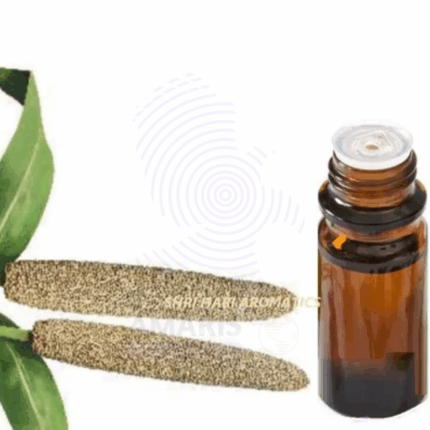
Calamus Oil is a warm, spicy-aromatic essential oil obtained through steam distillation of the dried roots (rhizomes) of Acorus calamus, commonly known as sweet flag. This highly fragrant oil carries an earthy, woody, and slightly peppery scent with a leathery undertone. Traditionally valued in Ayurvedic and Unani medicine systems, Calamus Oil has found applications in perfumery, hair care, aromatherapy, and natural health preparations due to its stimulating, antimicrobial, and anti-inflammatory properties.
While effective in small external doses, Calamus Oil must be used with caution as it contains β-asarone, a compound restricted in internal use due to potential toxicity. It remains widely used in external formulations like massage oils, hair tonics, and perfumes.
Camphor White Oil
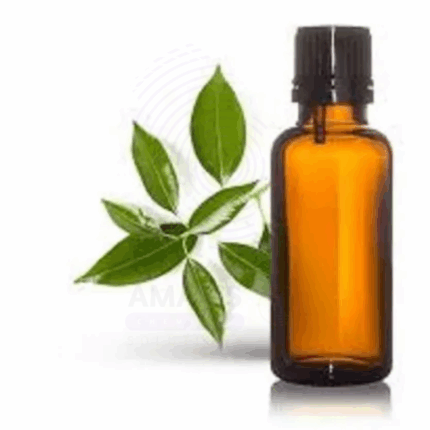
Camphor White Oil is a steam-distilled essential oil obtained from the wood of the Camphor tree (Cinnamomum camphora), primarily from the white fraction, which is rich in 1,8-cineole, camphor, and linalool. This fraction is the most commonly used in aromatherapy and topical preparations due to its potent but relatively balanced composition compared to brown or yellow fractions. The oil has a sharp, penetrating aroma with a cooling, medicinal character.
Traditionally used in topical pain relief, respiratory care, and soothing balms, Camphor White Oil is known for its anti-inflammatory, decongestant, antiseptic, and stimulating effects. It is widely used in cosmetics, personal care, pharmaceuticals, and aromatherapy formulations.
Cassia Oil
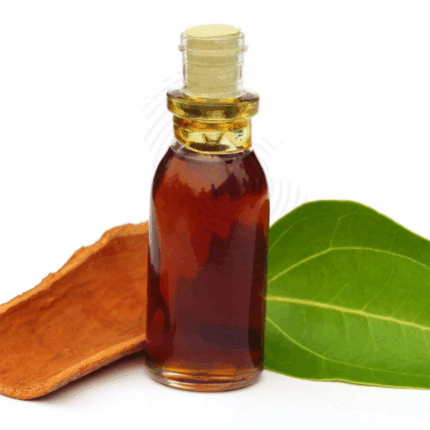
Cassia Oil is a potent essential oil steam-distilled from the bark of Cinnamomum cassia, commonly known as Chinese cinnamon. It carries a strong, spicy, and warm aroma similar to true cinnamon but is more pungent and intense. Its reddish-brown to yellow appearance and high cinnamaldehyde content give it powerful antimicrobial, antifungal, and warming properties. Cassia Oil is used across various industries including food flavoring, pharmaceuticals, cosmetics, aromatherapy, and household products. Due to its strength, it is typically used in diluted concentrations.
Catnip Oil
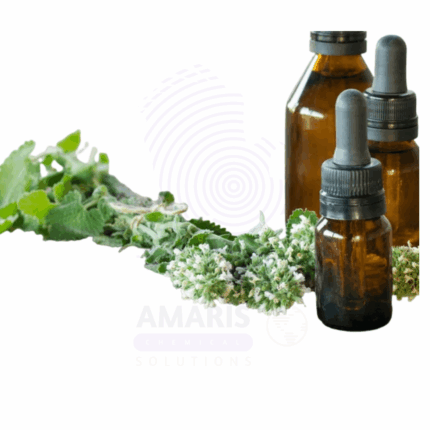
Catnip Oil is a highly aromatic essential oil steam-distilled from the leaves and flowering tops of Nepeta cataria, a herbaceous plant from the mint family. Known for its characteristic minty, herbaceous, and slightly sweet scent, Catnip Oil contains nepetalactone, a compound recognized for its insect-repellent and calming properties. Though commonly associated with its euphoric effects on cats, Catnip Oil is widely used in aromatherapy, natural insect repellents, and personal care products for humans. It also finds niche applications in pet care formulations and herbal preparations.
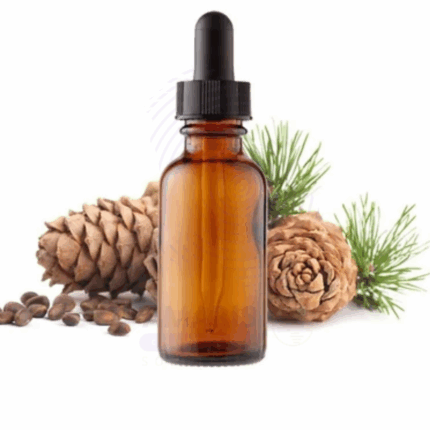
Cedarwood Oil
Cedarwood Oil is an essential oil extracted primarily through steam distillation of the wood, stumps, or sawdust of various cedar tree species, most commonly Cedrus atlantica, Juniperus virginiana, or Cedrus deodara. It features a warm, woody, balsamic aroma with subtle earthy notes. Rich in sesquiterpenes and cedrol, Cedarwood Oil is widely valued for its calming, antiseptic, insecticidal, and anti-inflammatory properties. It finds diverse applications in cosmetics, aromatherapy, natural perfumery, household cleaning, and agricultural pest control. Its grounding scent and skin benefits make it a common base note in personal care and wellness formulations.
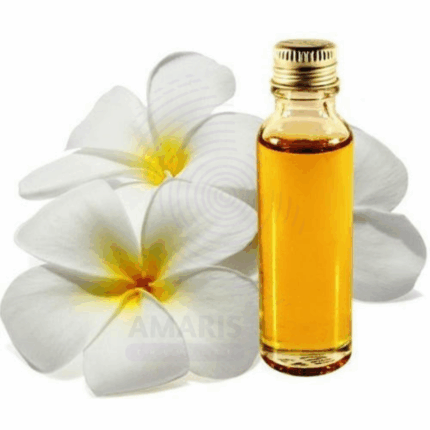
Michelia Flower Oil
Michelia Flower Oil is an essential oil extracted through steam distillation or solvent extraction from the flowers of Michelia species (e.g., Michelia champaca, Michelia alba). Known for its rich, floral, and slightly fruity aroma, it is widely used in perfumery, aromatherapy, and traditional medicine. The oil is prized for its therapeutic properties and as a natural fragrance ingredient.












