

 Preservatives(food)
 Flavors
 Acidulants
 Sweeteners
 Antioxidants
 Colorants(food)
 Nutraceutical Ingredients (food)
 Nutrient Supplements
 Emulsifiers
 Collectors
 Dust Suppressants
 Explosives and Blasting Agents
 Flocculants and Coagulants
 Frothers
 Leaching Agents
 pH Modifiers
 Precious Metal Extraction Agents
 Antioxidants(plastic)
 Colorants (Pigments, Dyes)
 Fillers and Reinforcements
 Flame Retardants
 Monomers
 Plasticizers
 Polymerization Initiators
 Stabilizers (UV, Heat)
 Antifoaming Agents
 Chelating Agents
 Coagulants and Flocculants
 Corrosion Inhibitors
 Disinfectants and Biocides
 Oxidizing Agents
 pH Adjusters
 Scale Inhibitors( water)
 Antioxidants(cosmetic)
 Emollients
 Oils
Oils Carrier Oills
 Essential Oils
 Humectants
 Preservatives
 Surfactants(cosmetic)
 Thickeners
 UV Filters
 Fragrance (Cosmetics)
 Fertilizers
 Soil Conditioners
 Plant Growth Regulators
 Animal Feed Additives
 Biostimulants
 Pesticides (Herbicides, Insecticides, Fungicides)
 Active Pharmaceutical Ingredients (APIs)
 Excipients
 Solvents(pharmaceutical)
 Antibiotics
 Antiseptics and Disinfectants
 Vaccine Adjuvants
 Nutraceutical Ingredients (pharmaceutical)
 Analgesics & Antipyretics
 Analytical Reagents
 Solvents(lab)
 Chromatography Chemicals
 Spectroscopy Reagents
 microbiology-and-cell-culture-reagents
 Molecular Biology Reagents
 Biochemical Reagents
 Inorganic and Organic Standards
 Laboratory Safety Chemicals
 Specialty Laboratory Chemicals(Special Laboratory Equipment)
 Demulsifiers
 Hydraulic Fracturing Fluids
 Scale Inhibitors(oil)
 Surfactants(oil)
 Drilling Fluids
 Dyes and Pigments
 Bleaching Agents
 Softening Agents
 Finishing Agents
 Antistatic Agents
 Admixtures
 Waterproofing Agents
 Sealants and Adhesives
 Curing Compounds
 Concrete Repair Chemicals
 Anti-Corrosion Coatings
 Surfactants(cleaning)
 Builders
 Enzymes
 Solvents (Cleaning)
 Electronic Chemicals
 Catalysts
 Lubricants
 Photographic Chemicals
 Refrigerants
 Automotive chemicals
 Pyrotechnic Chemicals
 Biodegradable Surfactants
 Bio-based Solvents
 Renewable Polymers
 Carbon Capture Chemicals
 Wastewater Treatment Chemicals
 Pigments
 Solvents(paint)
 Specialty Coatings
 Binders/Resins
 Additives
 Driers
 Anti-Corrosion Agents
 Functional Coatings
 Application-Specific Coatings
 Leavening Agents
 Dough Conditioners
 Flour Treatments
 Fat Replacers
 Decoratives
 Preservatives(baking)
 Plasticizers & Softeners
 Reinforcing Agents
 Adhesion Promoters
 Vulcanizing Agents
 Antidegradants
 Blowing Agents
 Fillers & Extenders
 Accelerators & Retarders
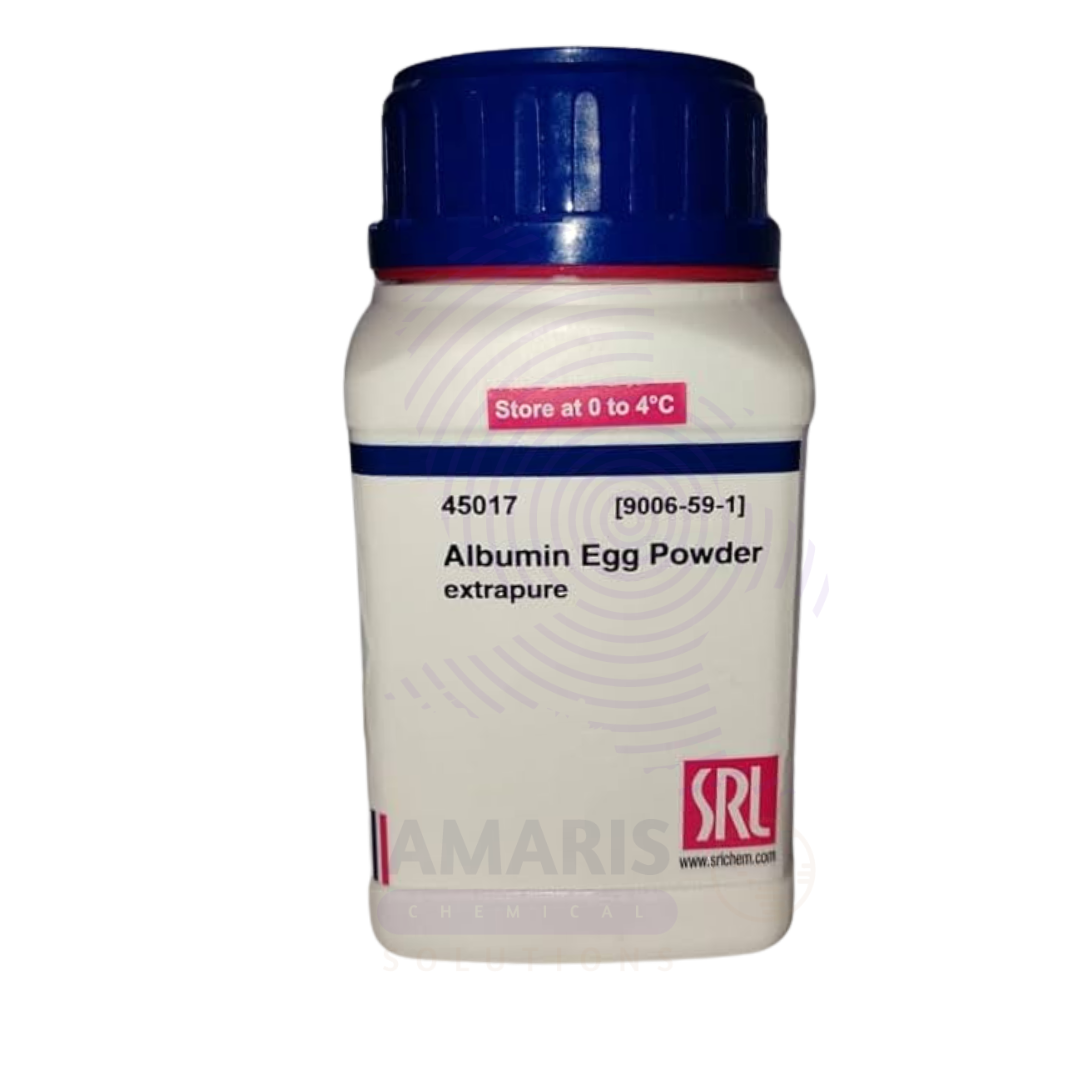



Albumen From Egg Powder Extra Pure
Original price was: $ 25.00.$ 24.81Current price is: $ 24.81.
Albumen from Egg Powder Extra Pure is a high-purity, finely milled powder derived from the whites of hen eggs, known for its exceptional binding, foaming, and emulsifying properties. This premium-grade product is widely used in biochemical research, microbiological media, and pharmaceutical formulations where high protein content and purity are essential. Its excellent solubility in water and consistent performance make it ideal for applications in diagnostics, nutritional studies, and electrophoresis. In addition, it serves as a reliable protein source in specialized dietary products and laboratory-grade food testing. To preserve its functionality and shelf life, Albumen Powder should be stored in a tightly sealed container, away from moisture and heat.
Albumen From Egg Powder Extra Pure
Primary Uses
- Biochemical & Immunological Research
- Source of high-purity proteins (primarily ovalbumin) for antibody production, ELISA, and other assays.
- Nutrient Media for Microbiology
- Used as a protein supplement in specialized microbial growth media or culture experiments.
- Pharmaceutical & Vaccine Development
- Component in vaccine production platforms or as a stabilizer in biologics.
- Protein Electrophoresis Studies
- Serves as a reference protein for SDS-PAGE or native PAGE analysis.
- Food Science & Quality Control Labs
- Used for testing protein reactions, stability, and foaming properties in food research.
Secondary Uses
- Cosmetic Testing & Formulation R&D
- Tested for its film-forming, tightening, and emulsifying properties in skin-care prototypes.
- Nutritional Research & Formulation
- Used as a controlled protein source in metabolic or dietary studies.
- Biomaterials Research
- Acts as a natural protein matrix in biodegradable film development or tissue scaffolds.
- Educational Use in Protein Chemistry
- Demonstrates protein denaturation, coagulation, and enzymatic reactions in teaching labs.
- Enzyme Studies
- Used to study protease activity and digestion in simulated biological systems.
1. Basic Identification Attributes
- Chemical Name: Albumen (Egg White Powder)
- CAS Number: 9006-59-1
- HS Code: 35021100
- Molecular Formula: Not applicable (complex mixture of proteins, mainly C₄₄₉H₇₀₈N₁₂₄O₁₄₂S₄ for ovalbumin, the major component)
- Synonyms:
- Egg white powder
- Dried albumen
- Egg protein powder
- Powdered egg whites
- Ovalbumin (main protein constituent)
2. Physical & Chemical Properties
- Physical State: Solid (fine powder)
- Color & Odor: White to pale yellow; mild, egg-like odor
- Boiling Point: Not applicable (decomposes before boiling)
- Melting Point: Not applicable (proteins denature and degrade upon heating)
- Density/Specific Gravity: Bulk density ~0.3–0.5 g/cm³
- Solubility:
- Water: Soluble in cold water (forms a viscous solution)
- Organic Solvents: Insoluble
- pH Level: ~7.0–9.0 (in 1% aqueous solution)
- Vapor Pressure & Volatility: Non-volatile
- Flash Point: Not flammable
- Autoignition Temperature: Not applicable
- Viscosity: Forms a viscous colloidal solution when hydrated
3. Safety & Hazard Attributes
- Hazard Class (GHS):
- Not classified as hazardous
- May cause allergic reactions in sensitive individuals (allergenic protein)
- NFPA Ratings:
- Health: 1
- Flammability: 0
- Reactivity: 0
- Exposure Limits:
- No OSHA PEL or ACGIH TLV established
- Use dust control measures to prevent respiratory irritation
- Reactivity:
- Stable under normal conditions
- Decomposes on strong heating; may produce nitrogen and sulfur oxides
4. Storage & Handling Attributes
- Storage Conditions:
- Store in a cool, dry, and well-ventilated area
- Protect from humidity and direct light
- Incompatible Materials:
- Strong oxidizers and acids (may degrade proteins)
- Container Type:
- Sealed food-grade plastic or foil-lined drums, moisture-barrier packaging
- Shelf Life & Expiration Date:
- 2–5 years unopened under dry conditions
- Special Handling Requirements:
- Use dust mask in powder-handling areas
- Avoid contact with moisture before use
5. Regulatory & Compliance Attributes
- Regulatory Status:
- GRAS (Generally Recognized As Safe) by FDA
- Codex & EU food additive approved (used in food, pharma, biotech)
- Allergen labeling required in most jurisdictions (egg protein)
- Hazard Symbols (GHS Pictograms):
- None required unless used in allergen-sensitive processing environments
- Transportation Restrictions:
- Not regulated
- No UN number or special DOT/IMO classifications
- Waste Disposal Method:
- Can be composted or disposed of as food waste
- Follow local bio-organic waste disposal regulations
6. Environmental & Health Impact
- Ecotoxicity:
- Low environmental impact; biodegradable
- Non-toxic to aquatic or terrestrial organisms
- Persistence in Environment:
- Degrades rapidly; not persistent
- Carcinogenicity/Mutagenicity:
- Not classified as carcinogenic or mutagenic
- Biodegradability:
- Completely biodegradable and environmentally safe
SAFETY PRECAUTIONS
- Personal Protective Equipment (PPE):
- Wear protective gloves, lab coat, safety goggles, and a dust mask or respirator (especially when handling large quantities).
- Avoid skin and eye contact and prevent inhalation of dust.
- Handling:
- Handle in a well-ventilated area.
- Avoid creating or inhaling dust.
- Be cautious if allergic to egg proteins—may cause allergic reactions.
- Storage:
- Store in a cool, dry, and well-ventilated place.
- Keep container tightly sealed and away from moisture.
- Protect from pests and microbial contamination.
- Hygiene Measures:
- Wash hands thoroughly after handling.
- Avoid contact with mucous membranes.
- Do not eat, drink, or smoke while handling the powder.
FIRST AID MEASURES
- Inhalation:
- Move to fresh air.
- Rinse mouth and nose with water.
- Seek medical attention if respiratory symptoms occur—especially if allergic.
- Skin Contact:
- Wash with soap and water.
- Remove contaminated clothing.
- Seek medical help if irritation or allergic reaction develops.
- Eye Contact:
- Rinse eyes thoroughly with clean water for at least 15 minutes.
- Lift eyelids occasionally while rinsing.
- Seek medical attention if irritation persists.
- Ingestion:
- Rinse mouth with water.
- Not considered hazardous in small amounts, but seek medical advice if discomfort or allergic symptoms appear.
- If a person is known to have egg allergies, seek immediate medical assistance.
FIRE FIGHTING MEASURES
- Suitable Extinguishing Media:
- Use water spray, dry chemical powder, foam, or carbon dioxide (CO₂).
- Specific Hazards:
- Powdered organic material may form explosive dust-air mixtures.
- Combustion may produce carbon monoxide (CO), carbon dioxide (CO₂), and nitrogen compounds.
- Protective Equipment for Firefighters:
- Wear full protective gear and self-contained breathing apparatus (SCBA).
- Firefighting Instructions:
- Eliminate ignition sources.
- Avoid stirring up dust during firefighting.
- Cool containers exposed to flames with water spray.
Related products
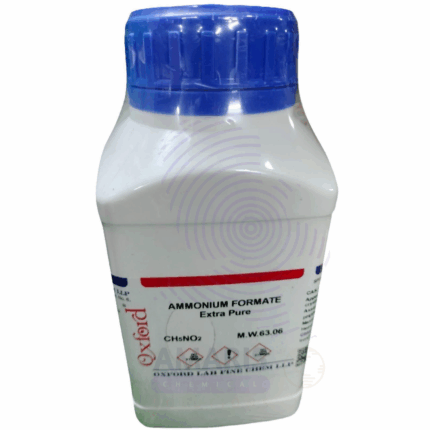
Ammonium Formate Extra Pure
Ammonium Formate Extra Pure is a high-purity, white crystalline compound commonly used in laboratory chemistry as a buffering agent, reducing agent, and reagent in organic synthesis. It plays a significant role in catalytic hydrogenation reactions, particularly in transfer hydrogenation using palladium or platinum catalysts. In analytical chemistry, it is frequently used in HPLC and mass spectrometry applications due to its volatility and compatibility with aqueous and organic mobile phases. The extra pure grade ensures extremely low levels of impurities, making it suitable for high-precision and instrument-sensitive applications. It should be stored in a cool, dry, and tightly sealed container to preserve its stability and prevent moisture uptake.
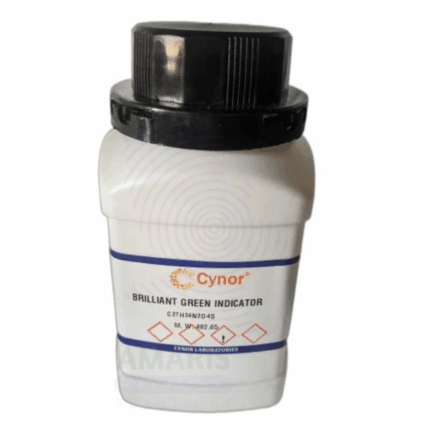
Brilliant Green Extra Pure
Brilliant Green Extra Pure is a high-purity, intense green dye primarily used in microbiology and analytical laboratories for staining and selective microbial inhibition. It is especially effective in culture media to isolate specific bacterial strains, such as Salmonella spp., by suppressing the growth of gram-positive organisms. In addition to its antimicrobial role, it serves as a histological stain in biological research and is used in tracing, titration, and other colorimetric assays. The extra pure grade guarantees high dye content, minimal impurities, and excellent consistency, ensuring reliable results in sensitive and precise laboratory work. It should be stored in a tightly sealed container, away from direct light and heat, to preserve its stability and effectiveness.
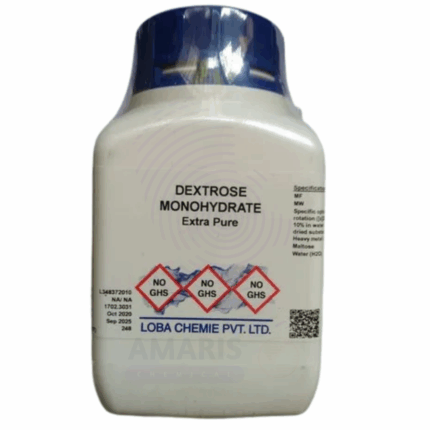
Dextrose Monohydrate Extra Pure
Dextrose Monohydrate Extra Pure is a high-purity crystalline form of glucose containing one molecule of water. It is widely used in laboratory settings as a carbon source in microbial culture media, fermentation processes, and biochemical assays. Its precise composition and consistent solubility make it ideal for preparing nutrient solutions, buffers, and test reagents. In research and educational labs, it supports various metabolic and enzymatic studies. This extra pure grade ensures minimal impurities, providing reliable results in sensitive analytical and biological applications. Store in a tightly sealed container in a cool, dry place to preserve its quality and prevent clumping.
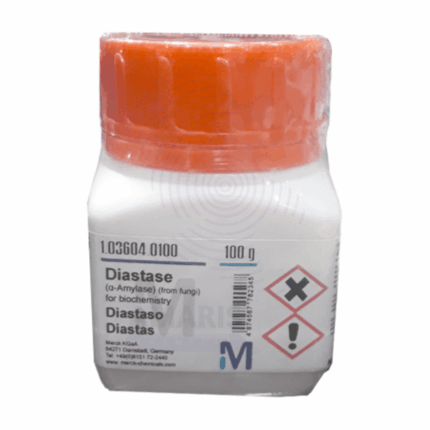
Diastase Enzyme Powder Extra Pure
Diastase Enzyme Powder Extra Pure is a high-activity amylolytic enzyme preparation used in laboratory settings to catalyze the breakdown of starch into simpler sugars like maltose and glucose. It plays a crucial role in biochemical and enzymatic assays, fermentation studies, and educational demonstrations involving carbohydrate metabolism. This extra pure grade ensures high enzyme purity, offering reliable and reproducible results in analytical work and research. Ideal for controlled hydrolysis experiments and studies on enzyme kinetics, it should be stored in a cool, dry place to preserve its enzymatic activity and stability.
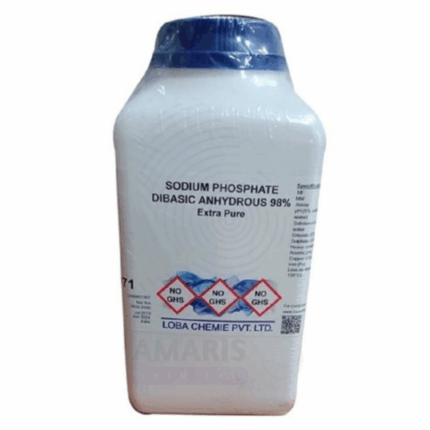
Disodium Phosphate Extra Pure
Disodium Phosphate Extra Pure is a high-grade inorganic compound commonly used in laboratories as a buffering agent, emulsifier, and reagent. It is particularly valuable in preparing phosphate buffer solutions for biochemical and molecular biology applications. Its reliable pH-stabilizing properties make it ideal for use in analytical chemistry, food analysis, and preparation of reagent mixtures. With excellent solubility in water and minimal impurities, this extra pure form ensures accuracy and consistency in experimental results across a wide range of laboratory procedures.
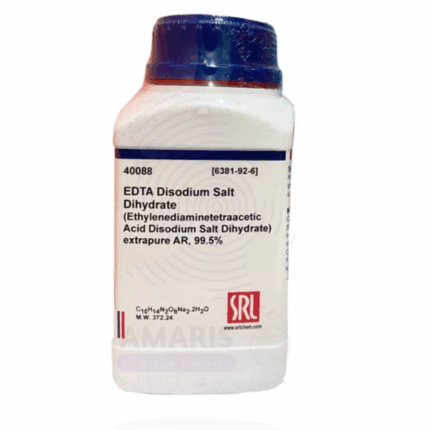
EDTA Disodium Salt Extra Pure
EDTA Disodium Salt Extra Pure is a high-purity chelating agent widely used in laboratory settings for complexometric titrations, metal ion sequestration, and buffer preparation. It binds strongly with divalent and trivalent metal ions like calcium, magnesium, and iron, making it essential in water hardness testing, biochemical research, and analytical chemistry. Its stability and effectiveness in controlling metal ion activity also make it valuable in molecular biology protocols and diagnostic reagent formulations.
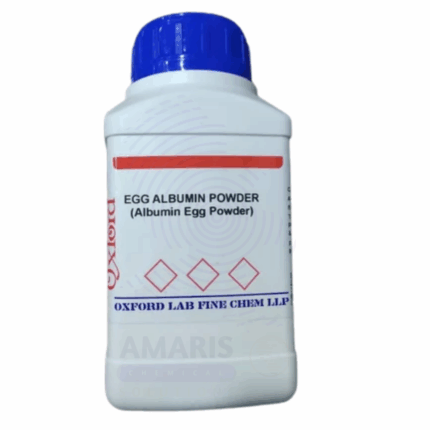
Egg Albumen Extra Pure
Egg Albumen Extra Pure is a high-grade laboratory reagent derived from the white of eggs, known for its excellent protein content and binding properties. It is commonly used in biochemical experiments, protein electrophoresis, microbiological media, and as a blocking agent in immunoassays like ELISA. Its purity ensures consistent results in sensitive lab procedures involving protein interactions, enzyme activity studies, and cell culture applications.
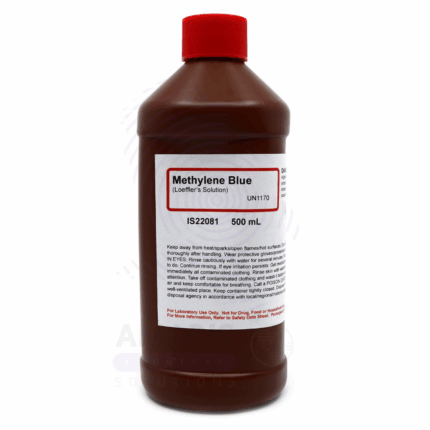
Methylene Blue Solution Extra Pure
Methylene Blue Solution Extra Pure is a ready-to-use aqueous formulation of high-purity methylene blue dye, ideal for laboratory, biological, and analytical applications. It is commonly employed as a vital stain in microscopy to highlight cellular components such as nuclei and mitochondria, especially in live or fixed cells. This solution also functions as a redox indicator in various chemical experiments and is used in microbiology for bacterial identification and differentiation. With its extra pure quality, the solution delivers consistent and precise staining results, making it a reliable tool for research, diagnostics, and teaching laboratories.












