

 Preservatives(food)
 Flavor Enhancers
 Acidulants
 Sweeteners
 Antioxidants
 Colorants(food)
 Nutraceutical Ingredients (food)
 Nutrient Supplements
 Emulsifiers
 Collectors
 Dust Suppressants
 Explosives and Blasting Agents
 Flocculants and Coagulants
 Frothers
 Leaching Agents
 pH Modifiers
 Precious Metal Extraction Agents
 Antioxidants(plastic)
 Colorants (Pigments, Dyes)
 Fillers and Reinforcements
 Flame Retardants
 Monomers
 Plasticizers
 Polymerization Initiators
 Stabilizers (UV, Heat)
 Antifoaming Agents
 Chelating Agents
 Coagulants and Flocculants
 Corrosion Inhibitors
 Disinfectants and Biocides
 Oxidizing Agents
 pH Adjusters
 Scale Inhibitors( water)
 Antioxidants(cosmetic)
 Emollients
 Fragrances and Essential Oils
 Humectants
 Preservatives
 Surfactants(cosmetic)
 Thickeners
 UV Filters
 Fertilizers
 Soil Conditioners
 Plant Growth Regulators
 Animal Feed Additives
 Biostimulants
 Pesticides (Herbicides, Insecticides, Fungicides)
 Active Pharmaceutical Ingredients (APIs)
 Excipients
 Solvents(pharmaceutical)
 Antibiotics
 Antiseptics and Disinfectants
 Vaccine Adjuvants
 Nutraceutical Ingredients (pharmaceutical)
 Analgesics & Antipyretics
 Analytical Reagents
 Solvents(lab)
 Chromatography Chemicals
 Spectroscopy Reagents
 microbiology-and-cell-culture-reagents
 Molecular Biology Reagents
 Biochemical Reagents
 Inorganic and Organic Standards
 Laboratory Safety Chemicals
 Specialty Laboratory Chemicals(Special Laboratory Equipment)
 Demulsifiers
 Hydraulic Fracturing Fluids
 Scale Inhibitors(oil)
 Surfactants(oil)
 Drilling Fluids
 Dyes and Pigments
 Bleaching Agents
 Softening Agents
 Finishing Agents
 Antistatic Agents
 Admixtures
 Waterproofing Agents
 Sealants and Adhesives
 Curing Compounds
 Concrete Repair Chemicals
 Anti-Corrosion Coatings
 Surfactants(cleaning)
 Builders
 Enzymes
 Solvents (Cleaning)
 Fragrances
 Electronic Chemicals
 Catalysts
 Lubricants
 Photographic Chemicals
 Refrigerants
 Automotive chemicals
 Pyrotechnic Chemicals
 Biodegradable Surfactants
 Bio-based Solvents
 Renewable Polymers
 Carbon Capture Chemicals
 Wastewater Treatment Chemicals
 Pigments
 Solvents(paint)
 Specialty Coatings
 Binders/Resins
 Additives
 Driers
 Anti-Corrosion Agents
 Functional Coatings
 Application-Specific Coatings
 Leavening Agents
 Dough Conditioners
 Flour Treatments
 Fat Replacers
 Decoratives
 Preservatives(baking)
 Plasticizers & Softeners
 Reinforcing Agents
 Adhesion Promoters
 Vulcanizing Agents
 Antidegradants
 Blowing Agents
 Fillers & Extenders
 Accelerators & Retarders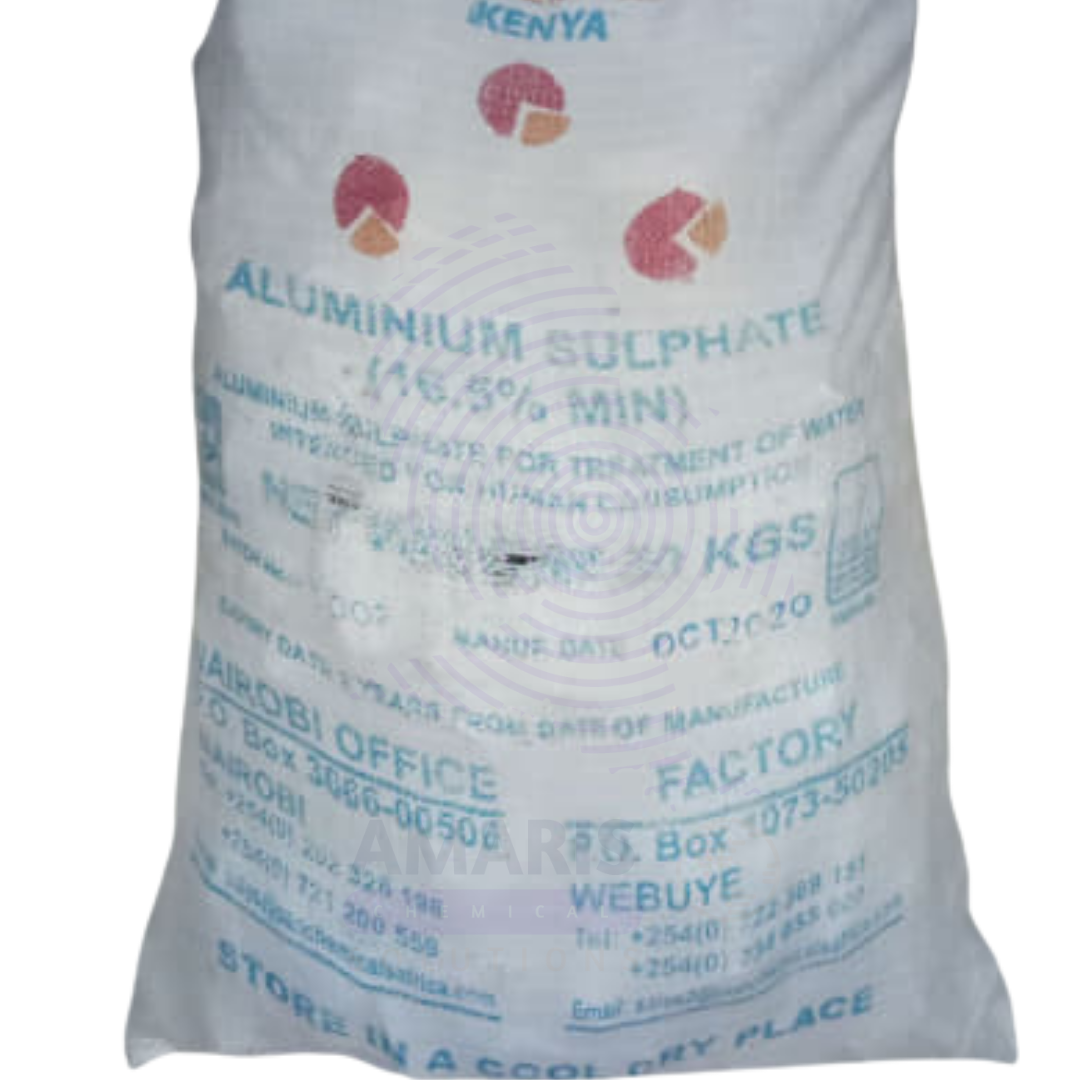


Aluminium Sulphate Alum Rock
$ 0.20
Aluminium Sulphate Alum Rock, commonly referred to as simply Aluminum Sulphate or Alum Rock, is a white crystalline solid widely used across various industries. It is primarily known for its strong coagulating properties, making it essential in water purification, wastewater treatment, and paper manufacturing. When dissolved in water, it reacts to form aluminum hydroxide, which binds with impurities and suspended particles, facilitating their removal. In addition, alum rock finds applications in dyeing, tanning, and as a mordant in textile industries. It has astringent and antiseptic properties, making it useful in cosmetics and personal care products such as deodorants and styptic pencils. Its cost-effectiveness and multifunctionality make it a staple chemical in environmental, industrial, and consumer sectors.
Aluminium Sulphate Alum Rock
Primary Uses
- Water Treatment
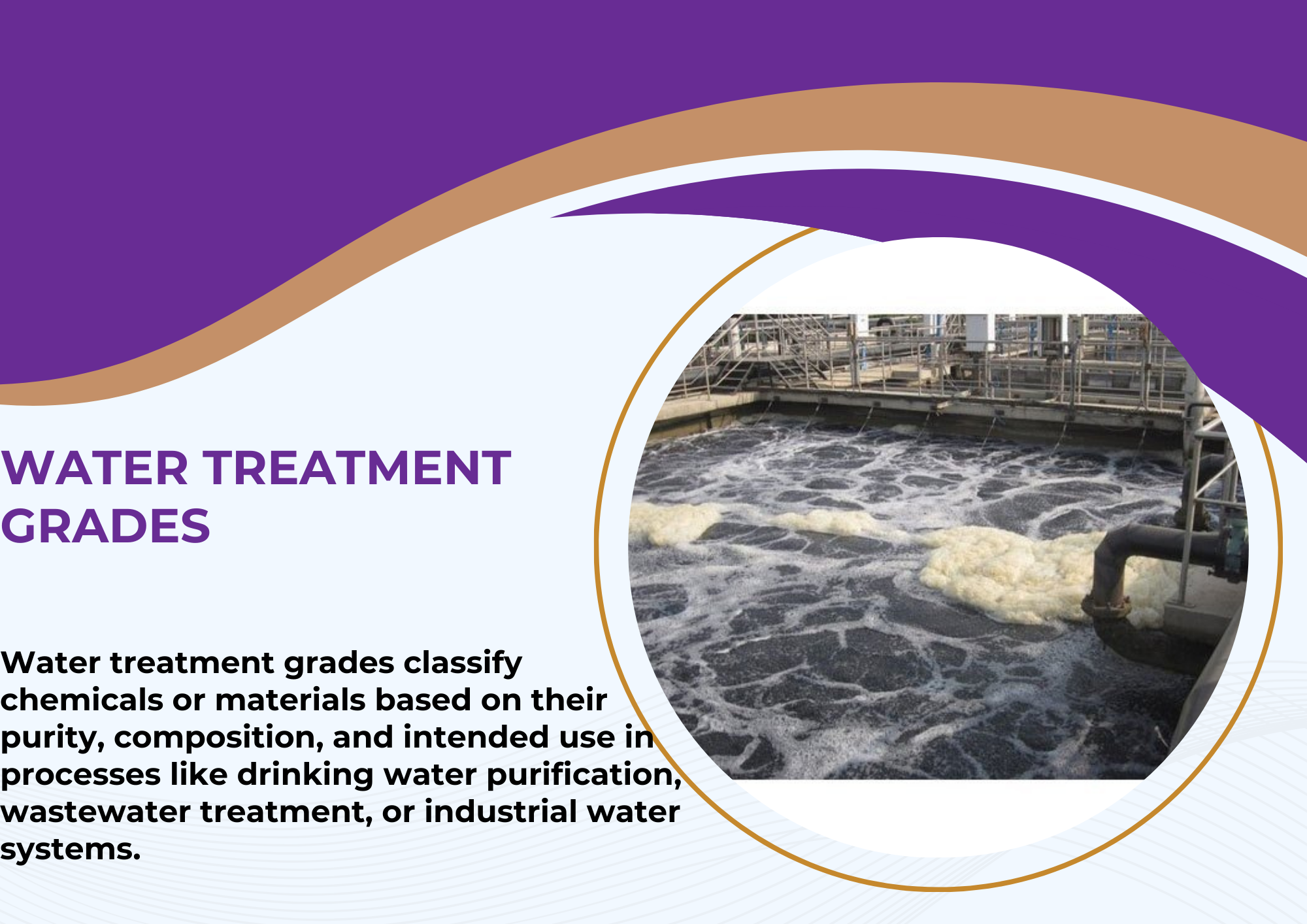
- Used as a coagulant and flocculant to purify drinking water and treat wastewater by aggregating suspended solids and impurities for easier filtration.
- Removes turbidity, color, and microorganisms from water supplies ensuring safe potable water.
- Paper Industry
- Employed in paper manufacturing to control the pH and improve the sizing, brightness, and strength of paper products.
- Helps in fixing dyes and pigments during the paper-making process.
- Textile Industry
- Functions as a mordant in dyeing to fix dyes on fabrics, enhancing color fastness and vibrancy.
- Used in the tanning process for leather manufacturing.
- Cosmetics & Personal Care
- Utilized in deodorants and styptic pencils for its astringent and antiseptic properties.
- Sometimes included in aftershave products to reduce irritation.
Secondary Uses
- Gardening & Agriculture
- Applied to adjust soil pH and as a fertilizer additive supplying aluminum and sulfate ions.
- Used in some herbicides and fungicides formulations.
- Fire Retardants
- Occasionally used in fireproofing mixtures due to its water-releasing properties upon heating.
- Food Processing
- Occasionally used as a firming agent and acidity regulator in some food products, although less common today due to regulatory limits.
- Construction
- Added to cement mixtures to improve setting times and reduce bleeding.
1. Basic Identification Attributes
- Chemical Name (IUPAC): Aluminum sulfate
- Common/Trade Names: Aluminum Sulphate, Alum Rock, Papermaker’s Alum
- CAS Number: 10043-01-3
- HS Code: 2833.11.00
- Molecular Formula: Al₂(SO₄)₃·nH₂O (typically hexahydrate form)
- Synonyms: Alum, Papermaker’s Alum, Alums
2. Physical & Chemical Properties
- Physical State: White crystalline solid or granular powder
- Color & Odor: White, odorless
- Melting Point: Decomposes at 770°C (loses water and breaks down)
- Boiling Point: N/A (decomposes before boiling)
- Density: ~1.62 g/cm³ (hexahydrate)
- Solubility: Highly soluble in water; insoluble in ethanol and organic solvents
- pH Level: Acidic solution (~3 when dissolved in water)
- Vapor Pressure: Negligible
- Flash Point: Non-flammable
- Autoignition Temperature: N/A
3. Safety & Hazard Attributes
- Hazard Class (GHS): Classified as irritant; causes skin and eye irritation
- NFPA Ratings: Health 2, Flammability 0, Reactivity 0
- Exposure Limits: OSHA PEL = 10 mg/m³ (total dust), ACGIH TLV = 2 mg/m³ (respirable dust)
- Reactivity: Stable under normal conditions; reacts with strong bases and generates heat when dissolved in water
- Incompatibilities: Strong bases, alkalis, and strong reducing agents
4. Storage & Handling Attributes
- Storage Conditions: Store in a cool, dry, well-ventilated area away from moisture and incompatible materials
- Container Type: Sealed plastic or coated metal drums or bags
- Shelf Life: Typically 2-3 years if kept dry and sealed
- Special Handling: Avoid dust inhalation and contact with skin and eyes; use PPE (gloves, goggles, dust mask)
5. Regulatory & Compliance Attributes
- Regulatory Status: Approved for use in water treatment and various industrial applications; food use regulated
- Transportation: Not classified as hazardous for transport under most regulations
- Waste Disposal: Dispose of in accordance with local environmental and safety regulations
6. Environmental & Health Impact
- Ecotoxicity: Toxic to aquatic organisms at high concentrations; care must be taken to avoid environmental contamination
- Persistence: Breaks down in environment to release sulfate and aluminum ions
- Carcinogenicity: Not classified as carcinogenic by IARC or OSHA
- Biodegradability: Inorganic compound, not biodegradable but undergoes natural dissociation
Safety Handling Precautions
- PPE: Use gloves, dust masks, and eye protection to prevent irritation and inhalation of dust.
- Handling: Minimize dust generation; work in well-ventilated areas.
- Storage: Keep containers tightly closed and dry; avoid moisture contact.
- Hygiene: Wash hands after handling; avoid eating, drinking, or smoking during use.
First Aid Measures
- Inhalation: Move to fresh air; seek medical attention if breathing difficulties occur.
- Skin Contact: Wash thoroughly with soap and water; seek medical advice if irritation develops.
- Eye Contact: Rinse eyes with water for at least 15 minutes; consult a physician if irritation persists.
- Ingestion: Rinse mouth with water; do NOT induce vomiting; seek immediate medical attention.
Firefighting Measures
- Fire Hazards: Non-flammable; does not support combustion but may decompose at very high temperatures.
- Extinguishing Media: Use water spray, foam, dry chemical, or CO₂ for surrounding fires.
- Special Precautions: No specific hazardous decomposition products expected under fire conditions.
- Firefighters: Use standard protective gear.
Related products

Acticide
Acticide is a brand name for a range of biocides and preservatives used primarily in industrial and commercial products to prevent the growth of bacteria, fungi, algae, and other microorganisms. It is commonly added to paints, coatings, adhesives, plastics, and personal care products to extend their shelf life and maintain product quality.
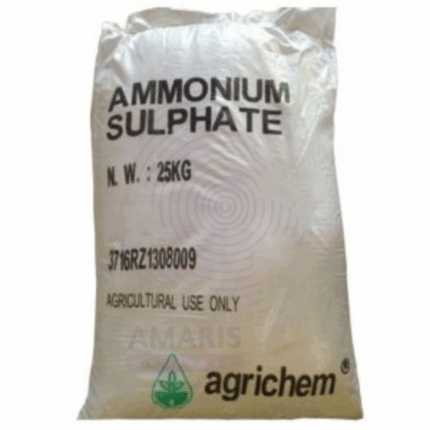
Ammonium Sulphate
Ammonium Sulphate is an inorganic salt with the formula (NH₄)₂SO₄. It appears as a white crystalline solid, highly soluble in water, and is widely used as a fertilizer due to its high nitrogen and sulfur content. Besides agriculture, ammonium sulphate finds extensive use in industrial processes, food additives, pharmaceutical applications, and water treatment. It acts as a soil amendment to improve nitrogen levels and acidity, a flocculating agent in water purification, and a stabilizer or precipitant in biochemical and pharmaceutical formulations.
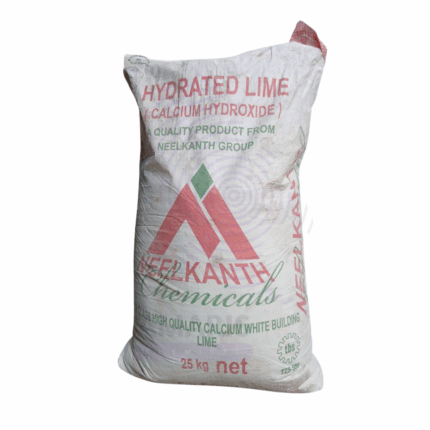
Calcium Hydroxide Hydrated Lime
Calcium Hydroxide Hydrated Lime, commonly known as Hydrated Lime or Slaked Lime, is an inorganic compound with the chemical formula Ca(OH)₂. It appears as a white, odorless, powder or crystalline solid. It is produced by treating quicklime (calcium oxide) with water in a process called slaking. Calcium Hydroxide is moderately soluble in water, forming a strongly alkaline solution known as limewater. It is widely used in construction, environmental, chemical, agricultural, and water treatment applications due to its caustic, neutralizing, and flocculating properties.
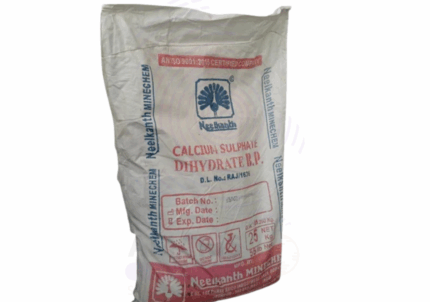
Calcium Sulphate Dihydrate
Calcium Sulphate Dihydrate, commonly known as gypsum, is a naturally occurring mineral widely used in agriculture, construction, and various industrial processes. It appears as a white or slightly translucent crystalline powder with moderate solubility in water. The compound is primarily used as a soil conditioner to improve soil structure and supply calcium and sulfur nutrients essential for plant growth. It also finds applications in the manufacture of plaster, cement, and as a filler in various products.

Magnesium Chloride
Magnesium Chloride is a white crystalline salt or granular solid composed of magnesium and chloride ions, commonly found as the hexahydrate form (MgCl₂·6H₂O). It is highly soluble in water, forming a clear, colorless solution with a slightly bitter saline taste. Magnesium Chloride is valued for its hygroscopic properties and is widely used across multiple industries including de-icing, chemical manufacturing, agriculture, food, pharmaceutical, and textile applications. It acts as a source of magnesium, a vital mineral for various biological and industrial processes.
![Powder Sodium Mono Fluoro Phosphate [Na2PO3F] Amaris Chemicals](https://amarischemicalsolutions.com/wp-content/uploads/2025/09/Powder-Sodium-Mono-Fluoro-Phosphate-Na2PO3F-Amaris-Chemicals-430x430.png)
Powder Sodium Mono Fluoro Phosphate
Powder Sodium Mono Fluoro Phosphate , also known as monosodium phosphate (MSP), is a white crystalline powder widely used as a food additive, buffering agent, and cleaning agent. It is a water-soluble salt of phosphoric acid and sodium, providing acidity control and emulsification in various industrial, food, and pharmaceutical applications. Its chemical stability and buffering capacity make it valuable in pH regulation and as a sequestrant.
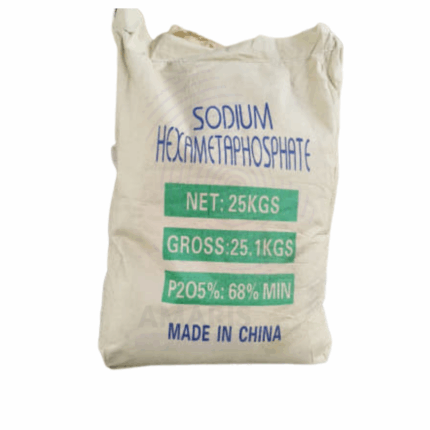
Sodium Hexametaphosphate
Sodium Hexametaphosphate (SHMP) is a high-efficiency sequestrant and dispersing agent widely used across industrial applications. It appears as a white, odorless powder or granule, highly soluble in water, and is valued for its ability to chelate metal ions, soften water, and disperse solids. Its role in preventing scale formation and stabilizing chemical formulations makes it a key ingredient in water treatment, cleaning agents, and textile processing. It is the primary active ingredient in many commercial and industrial water treatment formulations, most notably as the original key component in the Calgon® brand of water softeners and scale inhibitors. While modern "Calgon" products may contain blended formulations, the term has become a common genericized reference for polyphosphate-based scale prevention, rooted in this chemical's function.
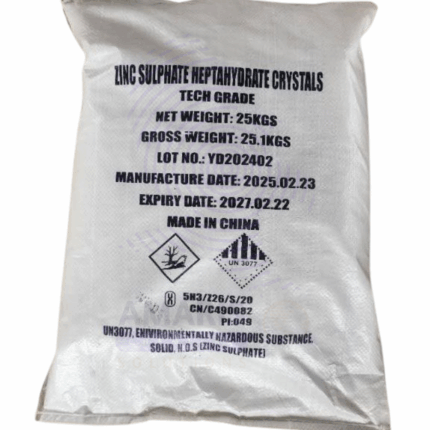
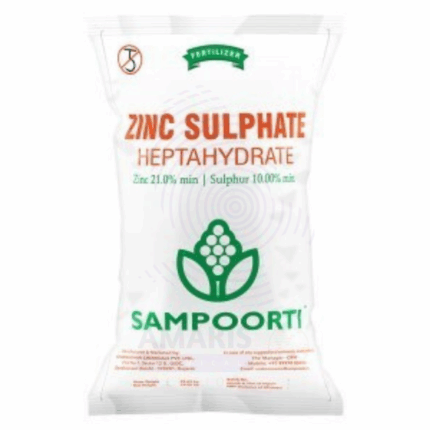
Zinc Sulphate Heptahydrate
Zinc Sulphate Heptahydrate (ZnSO₄·7H₂O) is a white, crystalline, water-soluble compound commonly used as a dietary supplement to treat zinc deficiency. It serves as a key ingredient in fertilizers, animal feeds, and industrial applications like water treatment and dyeing. The heptahydrate form contains seven water molecules, making it highly soluble and effective for various agricultural, medical, and chemical uses.












