

 Preservatives(food)
 Flavors
 Acidulants
 Sweeteners
 Antioxidants
 Colorants(food)
 Nutraceutical Ingredients (food)
 Nutrient Supplements
 Emulsifiers
 Collectors
 Dust Suppressants
 Explosives and Blasting Agents
 Flocculants and Coagulants
 Frothers
 Leaching Agents
 pH Modifiers
 Precious Metal Extraction Agents
 Antioxidants(plastic)
 Colorants (Pigments, Dyes)
 Fillers and Reinforcements
 Flame Retardants
 Monomers
 Plasticizers
 Polymerization Initiators
 Stabilizers (UV, Heat)
 Antifoaming Agents
 Chelating Agents
 Coagulants and Flocculants
 Corrosion Inhibitors
 Disinfectants and Biocides
 Oxidizing Agents
 pH Adjusters
 Scale Inhibitors( water)
 Antioxidants(cosmetic)
 Emollients
 Oils
Oils Carrier Oills
 Essential Oils
 Humectants
 Preservatives
 Surfactants(cosmetic)
 Thickeners
 UV Filters
 Fragrance (Cosmetics)
 Fertilizers
 Soil Conditioners
 Plant Growth Regulators
 Animal Feed Additives
 Biostimulants
 Pesticides (Herbicides, Insecticides, Fungicides)
 Active Pharmaceutical Ingredients (APIs)
 Excipients
 Solvents(pharmaceutical)
 Antibiotics
 Antiseptics and Disinfectants
 Vaccine Adjuvants
 Nutraceutical Ingredients (pharmaceutical)
 Analgesics & Antipyretics
 Analytical Reagents
 Solvents(lab)
 Chromatography Chemicals
 Spectroscopy Reagents
 microbiology-and-cell-culture-reagents
 Molecular Biology Reagents
 Biochemical Reagents
 Inorganic and Organic Standards
 Laboratory Safety Chemicals
 Specialty Laboratory Chemicals(Special Laboratory Equipment)
 Demulsifiers
 Hydraulic Fracturing Fluids
 Scale Inhibitors(oil)
 Surfactants(oil)
 Drilling Fluids
 Dyes and Pigments
 Bleaching Agents
 Softening Agents
 Finishing Agents
 Antistatic Agents
 Admixtures
 Waterproofing Agents
 Sealants and Adhesives
 Curing Compounds
 Concrete Repair Chemicals
 Anti-Corrosion Coatings
 Surfactants(cleaning)
 Builders
 Enzymes
 Solvents (Cleaning)
 Electronic Chemicals
 Catalysts
 Lubricants
 Photographic Chemicals
 Refrigerants
 Automotive chemicals
 Pyrotechnic Chemicals
 Biodegradable Surfactants
 Bio-based Solvents
 Renewable Polymers
 Carbon Capture Chemicals
 Wastewater Treatment Chemicals
 Pigments
 Solvents(paint)
 Specialty Coatings
 Binders/Resins
 Additives
 Driers
 Anti-Corrosion Agents
 Functional Coatings
 Application-Specific Coatings
 Leavening Agents
 Dough Conditioners
 Flour Treatments
 Fat Replacers
 Decoratives
 Preservatives(baking)
 Plasticizers & Softeners
 Reinforcing Agents
 Adhesion Promoters
 Vulcanizing Agents
 Antidegradants
 Blowing Agents
 Fillers & Extenders
 Accelerators & Retarders


Binder
A binder is a broad category of substances—organic or inorganic—used to hold different materials together in a cohesive mass. Common binders include natural polymers (starch, cellulose derivatives, proteins), synthetic resins (PVA, acrylics, phenolics), and inorganic binders (clays, cement, lime). They are essential in industries such as pharmaceuticals, construction, coatings, ceramics, adhesives, and printing, where they provide structural integrity, adhesion, and controlled release properties.
Binder
Primary Uses
- Pharmaceuticals
- Serves as a granulating and tablet-binding agent (e.g., starch, PVP, HPMC).
- Enables sustained-release formulations by controlling drug release rates.
- Incorporates coatings to ensure film forming or taste masking.
- Construction & Ceramics
- Used in cement, mortar, and plaster to hold aggregates together (e.g., lime, cement).
-binds ceramic powders in clay bodies, tile, and brick manufacturing.
- Coatings, Paints & Inks
- Acts as a film-forming agent in paints, varnishes, and inks (e.g., acrylic, epoxy resins).
- Provides adhesion, gloss, and durability.
- Adhesives & Glues
- Forms adhesive products ranging from PVA glue to epoxy and hot-melt adhesives.
Secondary Uses
- Metallurgy: Binders in powder metallurgy to hold metal powders before sintering.
- Food Industry: Used in processed foods as binding agents (e.g., starch, gums).
- Animal Feed: Enables pellet formation for feed efficiency.
- Cosmetics: Binders in compressed powders and pressed makeup.
1. Basic Identification Attributes
- Chemical Name (IUPAC): Varies by binder type (e.g., Polyvinyl acetate, Starch)
- Common/Trade Name: Binder
- CAS Number: Varies depending on specific binder
- HS Code: Varies (e.g., organic binders 3901–3917; inorganic 2523–2526)
- Molecular Formula: Varies
- Synonyms: Adhesive agent, binding agent, film former
2. Physical & Chemical Properties
- Physical State: Powder, granule, liquid, emulsion, or paste
- Color & Odor: Typically white/clear; odorless or mild smell
- Melting/ TG Range: Varies; some degrade instead of melting
- Solubility: Water-soluble (e.g., starch), oil-soluble (e.g., phenolics), or water-dispersible
- Viscosity: Varies with concentration and binder chemistry
- pH (aqueous systems): Slightly acidic to neutral (pH 4–8)
3. Safety & Hazard Attributes
- Hazard Class (GHS): Varies; many are non-hazardous, but some (like solvents) may be irritants or flammable
- NFPA Ratings: Typically Health 0–1, Flammability 0–2, Reactivity 0–1
- Exposure Limits: Depends on chemistry; dust or solvent handling requires control measures
- Reactivity: Usually stable; may react with strong oxidizers or acids/bases depending on type
4. Storage & Handling Attributes
- Storage Conditions: Cool, dry area; away from ignition sources for solvent-based types
- Container Type: Sealed drums or cans for liquids; bags or bulk containers for powders
- Shelf Life: 1–3 years, depending on type and storage
- Special Handling: Avoid dust generation and solvent vapor exposure; maintain temperature control
5. Regulatory & Compliance Attributes
- Status: Many binders are GRAS or comply with FDA/EU guidelines; some require REACH/TSCA registrations
- Transportation: Generally non-regulated, unless solvent-borne and flammable
- Waste Disposal: According to local hazardous waste or standard industrial disposal
6. Environmental & Health Impact
- Ecotoxicity: Varies—natural and water-based binders typically low toxicity; synthetic/solvent-borne may pose risks
- Persistence: Organic binders degrade over time; synthetic resins are persistent
- Carcinogenicity/Mutagenicity: Typically low risk; solvent-based binders may involve VOCs
- Biodegradability: Natural binders are generally biodegradable; synthetic resins resist biodegradation
Safety Handling Precautions
- Wear appropriate PPE (gloves, goggles, masks) to prevent skin or respiratory exposure.
- Handle powders with dust controls; ventilate solvent-borne types.
- Avoid ignition sources for flammable binders.
- Prevent contamination and control spills promptly.
First Aid Measures
- Inhalation: Move to fresh air and seek medical advice if irritation occurs.
- Skin Contact: Wash with soap and water; seek medical attention if irritation persists.
- Eye Contact: Rinse with water for at least 15 minutes; seek medical care if irritation occurs.
- Ingestion: Rinse mouth; if large amounts consumed, consult medical attention.
Firefighting Measures
- Fire Hazards: Powder types non-flammable; solvent-based binders may be flammable.
- Extinguishing Media: Water spray, foam, dry chemical, or CO₂ depending on binder type.
- Protective Measures: Firefighters should wear suitable protective clothing and breathing apparatus if needed.
Related products
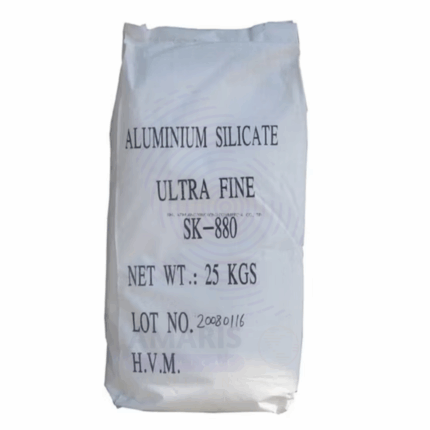
Aluminium Silicate
Aluminium silicate is an inorganic compound composed of aluminum, silicon, and oxygen, often found naturally as a major component of clay minerals such as kaolinite, halloysite, and other aluminosilicates. It is a white to off-white powder with excellent thermal stability, chemical inertness, and physical durability. Due to its wide range of physicochemical properties—including high melting point, non-toxicity, and adsorptive capabilities—aluminium silicate is extensively used across diverse industries including ceramics, paints, paper, rubber, plastics, cosmetics, and pharmaceuticals. Its unique structure imparts benefits such as heat resistance, improved mechanical strength, and anti-caking properties, making it a vital raw material in both industrial and consumer products.
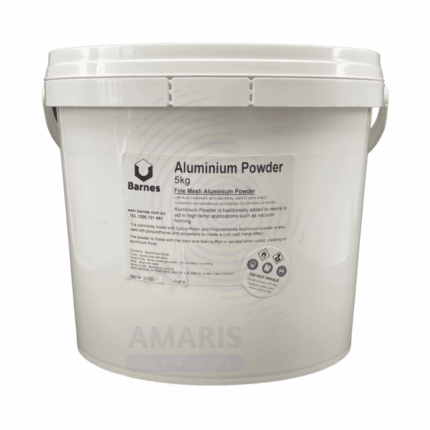
Aluminum Fine Powder
Aluminum fine powder consists of finely divided aluminum particles, typically metallic and silvery-white in appearance. It is produced by atomization or grinding of bulk aluminum and is valued for its high surface area, excellent conductivity, and lightweight metallic properties. Aluminum fine powder is extensively used in various industrial applications including metallurgy, pyrotechnics, coatings, additive manufacturing, and as a pigment. Due to its reactivity, it requires careful handling and storage. Its fine particulate nature makes it particularly useful where rapid oxidation or reaction is desired, such as in explosives or energetic materials. It is also employed in the manufacturing of paints, inks, and cosmetics to impart metallic luster.
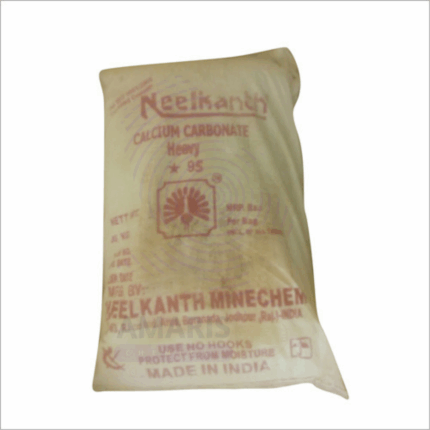
Calcium Carbonate Heavy
Calcium Carbonate Heavy is a high-density, finely ground, natural mineral primarily composed of calcium carbonate (CaCO₃). Known for its higher bulk density compared to regular grades, this filler is widely used in applications requiring enhanced weight, opacity, and strength. It is commonly employed as a functional filler and extender in industries such as plastics, paints, coatings, adhesives, rubber, paper, and construction materials. Its inert nature, whiteness, and particle size distribution make it suitable for improving mechanical properties and surface finish, while also offering cost efficiency by replacing more expensive raw materials.
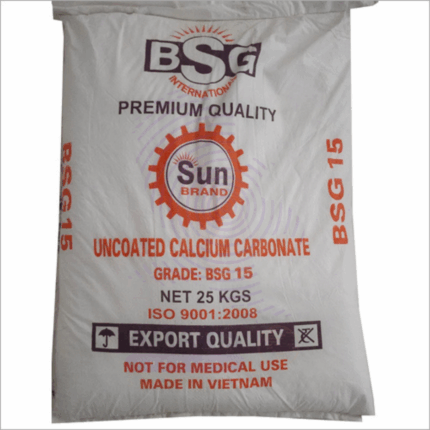
Calcium Carbonate Uncoated
Calcium Carbonate Uncoated is a naturally occurring mineral compound composed primarily of calcium, carbon, and oxygen with the chemical formula CaCO₃. It appears as a fine white powder or granules, widely used as a filler, pigment, and functional additive across various industries. The uncoated form means the calcium carbonate particles are not surface-treated, retaining their natural properties. It is valued for its high brightness, whiteness, and excellent compressibility. Uncoated calcium carbonate is used to enhance opacity, improve processing, and reduce costs in plastics, paints, coatings, adhesives, rubber, paper, and construction materials.
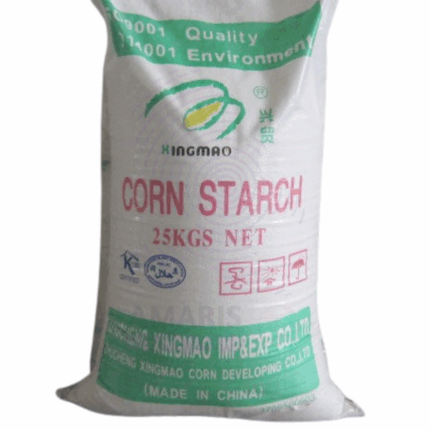
Corn Starch Industrial Grade
Corn Starch Industrial Grade is a finely milled, white powder derived from the endosperm of maize (Zea mays). Unlike food-grade starch, industrial grade is tailored for non-food applications where its thickening, adhesive, and film-forming properties are exploited. It consists primarily of amylose and amylopectin polysaccharides and is valued for its biodegradability, renewability, and cost-effectiveness. Industrial corn starch is used extensively as a raw material or functional additive across a wide variety of manufacturing processes, including paper, textiles, adhesives, and packaging industries.
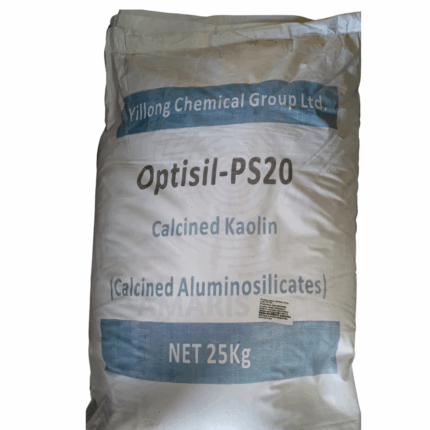
Kaolin
Kaolin is a naturally occurring, fine white clay mineral primarily composed of kaolinite. It features a soft, powdery texture and excellent absorbency. Kaolin is widely used across ceramics, paper, rubber, paint, and cosmetics industries due to its chemical inertness, whiteness, and plasticity. It acts as a filler, coating agent, and extender to enhance product quality and performance.
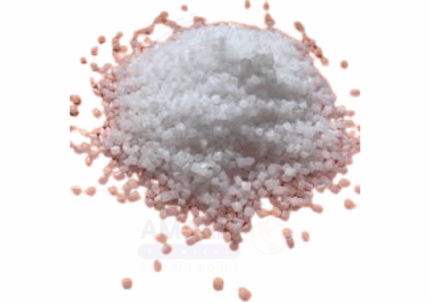
Polymer Fiber
Polymer Fiber refers to a wide range of synthetic fibers made from polymer materials such as polypropylene, polyester, nylon, polyethylene, and acrylics. These fibers are engineered for high tensile strength, durability, flexibility, and resistance to chemicals and moisture. Polymer fibers are widely used in construction, textiles, filtration, composites, and industrial applications to improve mechanical properties, enhance structural integrity, and provide specialized functional benefits.

Silicon Dioxide
Silicon Dioxide (SiO₂), commonly known as silica, is a naturally occurring inorganic compound found abundantly in the Earth’s crust. In its refined, powdered form, it is used as an anti-caking agent, filler, absorbent, and thickener across a wide range of industries. It is odorless, tasteless, chemically inert, and stable under normal conditions. Packaged in 10kg units, silicon dioxide is highly versatile and widely accepted for use in food, pharmaceutical, cosmetic, and industrial applications.












