

 Preservatives(food)
 Flavor Enhancers
 Acidulants
 Sweeteners
 Antioxidants
 Colorants(food)
 Nutraceutical Ingredients (food)
 Nutrient Supplements
 Emulsifiers
 Collectors
 Dust Suppressants
 Explosives and Blasting Agents
 Flocculants and Coagulants
 Frothers
 Leaching Agents
 pH Modifiers
 Precious Metal Extraction Agents
 Antioxidants(plastic)
 Colorants (Pigments, Dyes)
 Fillers and Reinforcements
 Flame Retardants
 Monomers
 Plasticizers
 Polymerization Initiators
 Stabilizers (UV, Heat)
 Antifoaming Agents
 Chelating Agents
 Coagulants and Flocculants
 Corrosion Inhibitors
 Disinfectants and Biocides
 Oxidizing Agents
 pH Adjusters
 Scale Inhibitors( water)
 Antioxidants(cosmetic)
 Emollients
 Fragrances and Essential Oils
 Humectants
 Preservatives
 Surfactants(cosmetic)
 Thickeners
 UV Filters
 Fertilizers
 Soil Conditioners
 Plant Growth Regulators
 Animal Feed Additives
 Biostimulants
 Pesticides (Herbicides, Insecticides, Fungicides)
 Active Pharmaceutical Ingredients (APIs)
 Excipients
 Solvents(pharmaceutical)
 Antibiotics
 Antiseptics and Disinfectants
 Vaccine Adjuvants
 Nutraceutical Ingredients (pharmaceutical)
 Analgesics & Antipyretics
 Analytical Reagents
 Solvents(lab)
 Chromatography Chemicals
 Spectroscopy Reagents
 microbiology-and-cell-culture-reagents
 Molecular Biology Reagents
 Biochemical Reagents
 Inorganic and Organic Standards
 Laboratory Safety Chemicals
 Specialty Laboratory Chemicals(Special Laboratory Equipment)
 Demulsifiers
 Hydraulic Fracturing Fluids
 Scale Inhibitors(oil)
 Surfactants(oil)
 Drilling Fluids
 Dyes and Pigments
 Bleaching Agents
 Softening Agents
 Finishing Agents
 Antistatic Agents
 Admixtures
 Waterproofing Agents
 Sealants and Adhesives
 Curing Compounds
 Concrete Repair Chemicals
 Anti-Corrosion Coatings
 Surfactants(cleaning)
 Builders
 Enzymes
 Solvents (Cleaning)
 Fragrances
 Electronic Chemicals
 Catalysts
 Lubricants
 Photographic Chemicals
 Refrigerants
 Automotive chemicals
 Pyrotechnic Chemicals
 Biodegradable Surfactants
 Bio-based Solvents
 Renewable Polymers
 Carbon Capture Chemicals
 Wastewater Treatment Chemicals
 Pigments
 Solvents(paint)
 Specialty Coatings
 Binders/Resins
 Additives
 Driers
 Anti-Corrosion Agents
 Functional Coatings
 Application-Specific Coatings
 Leavening Agents
 Dough Conditioners
 Flour Treatments
 Fat Replacers
 Decoratives
 Preservatives(baking)
 Plasticizers & Softeners
 Reinforcing Agents
 Adhesion Promoters
 Vulcanizing Agents
 Antidegradants
 Blowing Agents
 Fillers & Extenders
 Accelerators & Retarders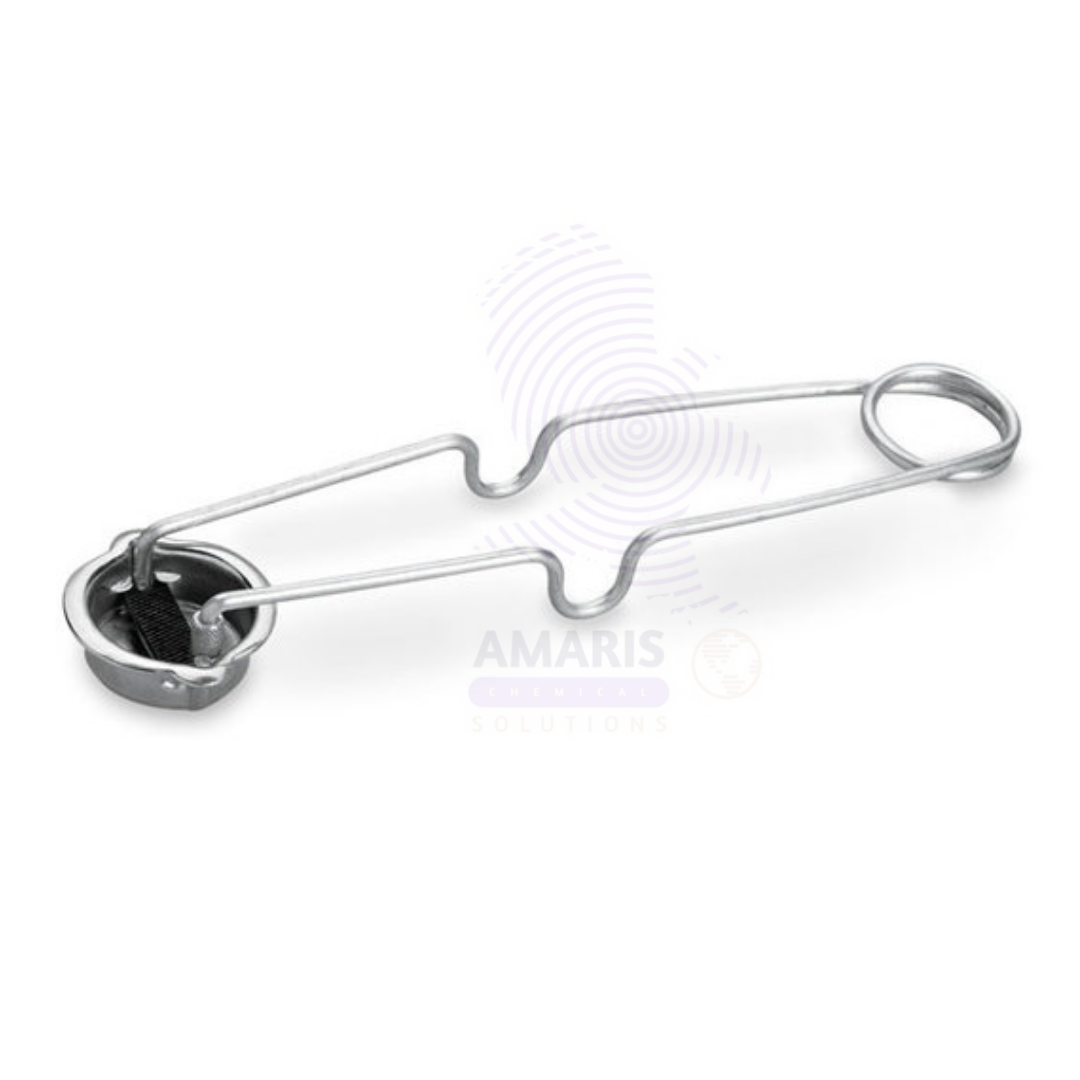

Bunsen Burner Lighter
Original price was: $ 12.12.$ 12.08Current price is: $ 12.08.
The Bunsen Burner Lighter is a handheld ignition device designed specifically to ignite Bunsen burners and other laboratory gas burners safely and efficiently. It typically features a long, insulated handle with a spark-producing mechanism that allows users to light gas flames without risk of burns. Constructed from durable materials resistant to heat and corrosion, the lighter provides reliable ignition in laboratory environments, ensuring safe and convenient operation during experiments and heating tasks.
Bunsen Burner Lighter
Primary Uses
- Laboratory Applications
- Used to ignite Bunsen burners and other gas burners in chemistry and biology labs.
- Facilitates safe ignition of heat sources for experimental heating, sterilization, and combustion.
- Employed in educational labs for demonstrations and practical lessons involving flame use.
- Supports ignition of heating apparatus in pharmaceutical and research laboratories.
Secondary Uses
- Industrial Applications
- Used in quality control and testing labs requiring controlled flame ignition.
- Applied in manufacturing settings for small-scale heating or flame-related processes.
- Utilized in maintenance operations where gas burners are employed.
1.Basic Identification Attributes
- Instrument Type: Ignition Device
- Material: Heat-resistant plastic and metal components
- Ignition Mechanism: Piezoelectric spark or flint striker
2.Physical & Chemical Properties
- Heat Resistance: Designed to withstand repeated exposure to flame heat
- Dimensions: Compact, ergonomic design for ease of use and safety
3.Safety & Hazard Attributes
- Risk of Burns: Handle with care to avoid accidental ignition or contact with flame
- Toxicity: Non-toxic materials
- Allergens: None identified
4.Storage & Handling Attributes
- Store in a dry, cool place away from flammable materials
- Keep out of reach of children and unauthorized users
5.Regulatory & Compliance Attributes
- Manufactured according to safety standards for laboratory ignition devices
- Complies with relevant quality and safety certifications
6.Environmental & Health Impact
- Minimal environmental impact with responsible disposal
- Components may be recyclable depending on materials
Safety Handling Precautions
- Use with caution, avoiding direct exposure to flame and ignition sparks
- Keep away from flammable substances during use
First Aid Measures
- In case of burns, cool affected area with water and seek medical attention if needed
- No chemical hazards involved
Firefighting Measures
- Flammable ignition source; keep away from combustible materials when not in use
- Extinguishing Media: Use standard fire extinguishers (foam, CO2, dry chemical) if needed
- Special Precautions: Avoid using near volatile or explosive gases
Related products
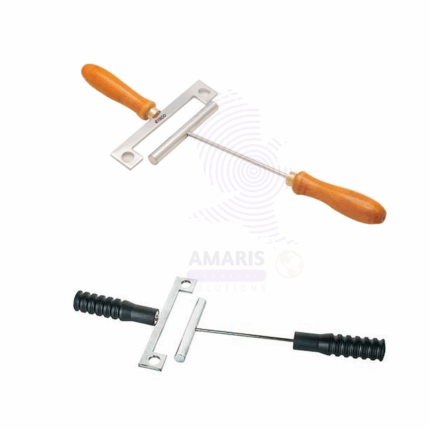
Bar and Gauge Apparatus
The Bar and Gauge Apparatus is a precision instrument used for measuring and comparing lengths, thicknesses, and distances in laboratory and industrial environments. It typically consists of calibrated bars, gauges, and scale components designed for accuracy in dimensional measurements. This apparatus is essential for quality control, calibration tasks, and research applications requiring precise measurement standards. Manufactured from durable materials such as stainless steel or hardened alloys, the Bar and Gauge Apparatus ensures reliable performance and longevity under regular use.

Centrifudge Electrical
Centrifudge Electrical, is a laboratory instrument designed to separate components of mixtures based on density by spinning samples at high speeds. Equipped with an electric motor, it offers controlled and consistent centrifugal force, enabling efficient separation of solids from liquids, blood components, or chemical substances. Widely used in medical, research, and industrial laboratories, this device ensures precise sample processing with adjustable speed and timer settings. Its robust design includes safety features such as imbalance detection and secure lids to protect users during operation.
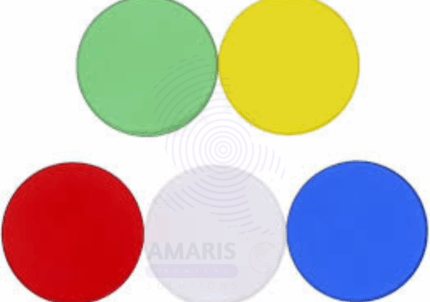
Color Filters
Color Filters are optical components designed to selectively transmit light of specific wavelengths while absorbing or reflecting others. These filters are used in various laboratory and industrial applications to isolate particular colors for scientific experiments, photography, microscopy, and optical analysis. Manufactured from high-quality glass or plastic materials, color filters ensure consistent performance with minimal distortion and high durability.
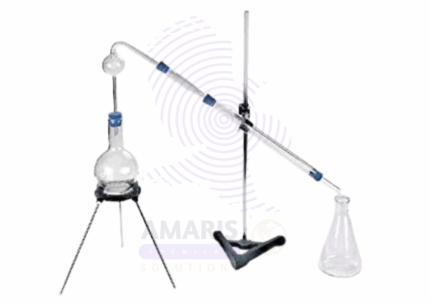
Complete Liebigs Distillation Apparatus
Complete Liebigs Distillation Apparatus is a classic laboratory setup used for the distillation of liquids by heating and subsequent condensation. It consists of a distillation flask, Liebig condenser, receiving flask, and necessary connecting joints. The Liebig condenser efficiently cools vapor back into liquid form using a water jacket. This apparatus is widely used in chemistry labs for purifying liquids, separating mixtures, and studying boiling points.

Dynamic Trolley
Dynamic Trolley is a durable equipment designed for safe and efficient transportation of materials, instruments, or chemicals within laboratory and industrial settings. Built with sturdy frames and smooth wheels, it aids in moving heavy or bulky items, improving workflow and minimizing physical strain. Essential for organized handling and transport in labs, manufacturing plants, and warehouses.
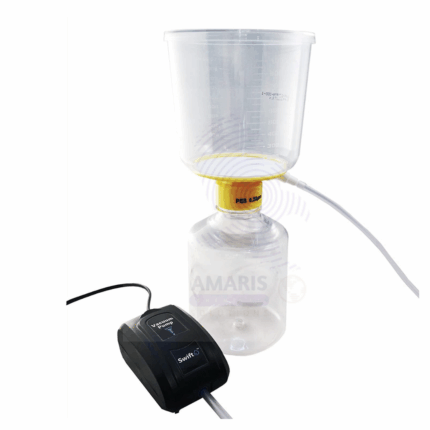
Filter Pump
Filter Pump is a laboratory device designed to create a vacuum using water or air flow to assist in filtration processes. Typically made from corrosion-resistant metal, plastic, or a combination of both, it operates by utilizing the Venturi effect to generate negative pressure. This suction power is ideal for accelerating vacuum filtration by drawing liquid through filter media quickly and efficiently. Filter pumps are commonly used in chemical, biological, environmental, and industrial laboratories where rapid and effective liquid-solid separation is required. They are a cost-effective and reliable alternative to mechanical vacuum pumps in many low-to-moderate vacuum applications.

Model steam engine
A Model Steam Engine is a scaled-down, functional representation of a steam-powered engine used primarily for educational, demonstration, and hobbyist purposes. This apparatus demonstrates the basic principles of thermodynamics, mechanical energy conversion, and steam power operation in a compact, visible form. Typically constructed from metal components such as brass and steel, the model includes key parts like a boiler, piston, cylinder, crankshaft, and flywheel. Steam generated in the boiler expands and pushes the piston, converting thermal energy into mechanical motion that turns the flywheel. Model steam engines are invaluable tools for physics and engineering education, illustrating steam mechanics, energy transfer, and engine operation clearly and tangibly. They are also popular among collectors and model enthusiasts.
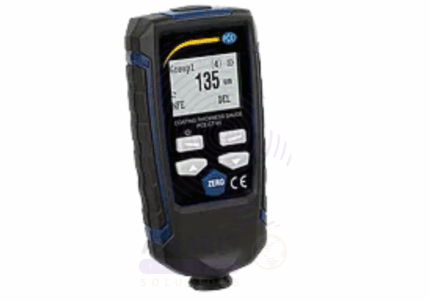
Paint Gauge
A Paint Gauge is a precise measuring instrument used in laboratories and quality control environments to measure the thickness of paint coatings and other surface finishes. It allows technicians and researchers to assess the uniformity and adequacy of paint layers on various substrates, ensuring compliance with industry standards and specifications. Paint gauges can be mechanical or digital, often employing magnetic, ultrasonic, or mechanical principles to provide accurate, non-destructive thickness measurements. They are essential tools in the manufacturing, automotive, aerospace, and construction industries for maintaining coating quality and durability.












