

 Preservatives(food)
 Flavors
 Acidulants
 Sweeteners
 Antioxidants
 Colorants(food)
 Nutraceutical Ingredients (food)
 Nutrient Supplements
 Emulsifiers
 Collectors
 Dust Suppressants
 Explosives and Blasting Agents
 Flocculants and Coagulants
 Frothers
 Leaching Agents
 pH Modifiers
 Precious Metal Extraction Agents
 Antioxidants(plastic)
 Colorants (Pigments, Dyes)
 Fillers and Reinforcements
 Flame Retardants
 Monomers
 Plasticizers
 Polymerization Initiators
 Stabilizers (UV, Heat)
 Antifoaming Agents
 Chelating Agents
 Coagulants and Flocculants
 Corrosion Inhibitors
 Disinfectants and Biocides
 Oxidizing Agents
 pH Adjusters
 Scale Inhibitors( water)
 Antioxidants(cosmetic)
 Emollients
 Oils
Oils Carrier Oills
 Essential Oils
 Humectants
 Preservatives
 Surfactants(cosmetic)
 Thickeners
 UV Filters
 Fragrance (Cosmetics)
 Fertilizers
 Soil Conditioners
 Plant Growth Regulators
 Animal Feed Additives
 Biostimulants
 Pesticides (Herbicides, Insecticides, Fungicides)
 Active Pharmaceutical Ingredients (APIs)
 Excipients
 Solvents(pharmaceutical)
 Antibiotics
 Antiseptics and Disinfectants
 Vaccine Adjuvants
 Nutraceutical Ingredients (pharmaceutical)
 Analgesics & Antipyretics
 Analytical Reagents
 Solvents(lab)
 Chromatography Chemicals
 Spectroscopy Reagents
 microbiology-and-cell-culture-reagents
 Molecular Biology Reagents
 Biochemical Reagents
 Inorganic and Organic Standards
 Laboratory Safety Chemicals
 Specialty Laboratory Chemicals(Special Laboratory Equipment)
 Demulsifiers
 Hydraulic Fracturing Fluids
 Scale Inhibitors(oil)
 Surfactants(oil)
 Drilling Fluids
 Dyes and Pigments
 Bleaching Agents
 Softening Agents
 Finishing Agents
 Antistatic Agents
 Admixtures
 Waterproofing Agents
 Sealants and Adhesives
 Curing Compounds
 Concrete Repair Chemicals
 Anti-Corrosion Coatings
 Surfactants(cleaning)
 Builders
 Enzymes
 Solvents (Cleaning)
 Electronic Chemicals
 Catalysts
 Lubricants
 Photographic Chemicals
 Refrigerants
 Automotive chemicals
 Pyrotechnic Chemicals
 Biodegradable Surfactants
 Bio-based Solvents
 Renewable Polymers
 Carbon Capture Chemicals
 Wastewater Treatment Chemicals
 Pigments
 Solvents(paint)
 Specialty Coatings
 Binders/Resins
 Additives
 Driers
 Anti-Corrosion Agents
 Functional Coatings
 Application-Specific Coatings
 Leavening Agents
 Dough Conditioners
 Flour Treatments
 Fat Replacers
 Decoratives
 Preservatives(baking)
 Plasticizers & Softeners
 Reinforcing Agents
 Adhesion Promoters
 Vulcanizing Agents
 Antidegradants
 Blowing Agents
 Fillers & Extenders
 Accelerators & Retarders

Filter Pump
Original price was: $ 13.15.$ 13.08Current price is: $ 13.08.
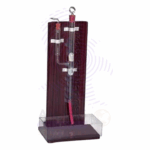
Filter Pump is a laboratory device designed to create a vacuum using water or air flow to assist in filtration processes. Typically made from corrosion-resistant metal, plastic, or a combination of both, it operates by utilizing the Venturi effect to generate negative pressure. This suction power is ideal for accelerating vacuum filtration by drawing liquid through filter media quickly and efficiently. Filter pumps are commonly used in chemical, biological, environmental, and industrial laboratories where rapid and effective liquid-solid separation is required. They are a cost-effective and reliable alternative to mechanical vacuum pumps in many low-to-moderate vacuum applications.
Filter Pump
Primary Uses
- Laboratory and Analytical Applications
- Used in vacuum filtration systems to draw liquids through filter paper or membrane filters.
- Aids in the rapid separation of solids from liquids in chemical, biological, and microbiological labs.
- Supports sample preparation by efficiently removing excess solvents or filtrates.
- Facilitates the filtration of culture media and reaction mixtures.
Secondary Uses
- Industrial and Environmental Applications
- Used in environmental testing labs for filtering water, wastewater, and air samples.
- Supports quality control processes in chemical manufacturing by accelerating filtration.
- Assists in pharmaceutical and food industries for process filtration under controlled suction.
- Used in teaching and research institutions to demonstrate vacuum principles in physics and chemistry.
1.Basic Identification Attributes
- Material: Corrosion-resistant metal or plastic (commonly brass, stainless steel, or polypropylene)
- Type: Water aspirator or air-powered vacuum pump
- Connection: Typically includes hose barb for tubing attachment and vacuum outlet
2.Physical & Chemical Properties
- Suction Capacity: Provides moderate vacuum levels suitable for lab filtration
- Durability: Resistant to corrosion and chemical exposure
- Compact Design: Easily mountable on water faucets or workstations
3.Safety & Hazard Attributes
- Risk of water backflow; use with check valve to prevent contamination
- Ensure proper drainage to avoid water overflow or damage
4.Storage & Handling Attributes
- Store in a clean, dry place when not in use
- Flush with clean water after use to remove residues and prevent buildup
- Periodically inspect seals and joints for wear and tear
5.Regulatory & Compliance Attributes
- Manufactured according to laboratory safety and operational standards
- Suitable for use in GLP and GMP compliant laboratories
6.Environmental & Health Impact
- Does not consume electricity; environmentally friendly alternative to mechanical pumps
- Use of water increases water consumption—consider water-saving models where available
Safety Handling Precautions
- Always ensure proper connection to faucet or air line before operation
- Do not use with volatile or hazardous chemicals unless appropriate safety measures are in place
First Aid Measures
- In case of exposure to chemicals during filtration, follow chemical-specific first aid guidelines
- Seek medical attention for inhalation or contact injuries caused by hazardous vapors or liquids
Firefighting Measures
- Non-electrical, non-flammable device; extinguish surrounding materials as necessary
- Ensure chemicals being filtered do not pose fire or explosion risk under vacuum
Related products
Aspirator Bottle Glass
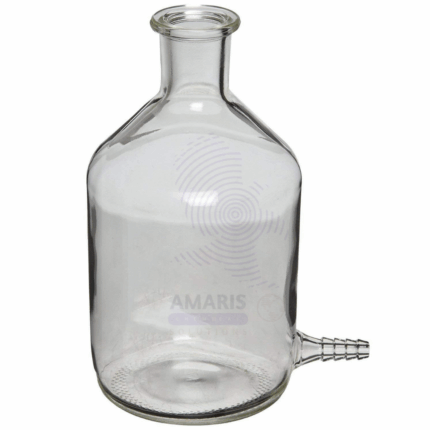
Aspirator Bottle Glass is a durable, high-quality glass container designed specifically for use in laboratory suction and aspiration systems. These bottles are engineered to safely collect and contain liquids and aerosols during filtration, vacuum, or aspiration procedures. Made from chemically resistant glass, Aspirator Bottles offer excellent clarity and durability while withstanding the rigors of laboratory use. They typically feature secure screw caps or stopper closures that ensure leak-proof performance and easy handling. Widely used in medical, research, and industrial laboratories, Aspirator Bottle Glass is essential for safe fluid management in various applications.
Balance Mechanical Ohaus Triple Beam
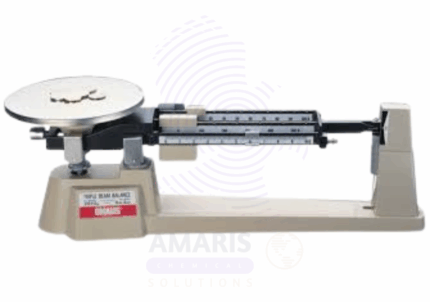
The Balance Mechanical Ohaus Triple Beam is a precision manual weighing instrument designed for laboratory and industrial environments requiring accurate measurement of various sample masses. Featuring three adjustable beams for incremental weight measurement, it offers ease of calibration and durability with a robust metal construction. This mechanical balance operates without electricity, making it ideal for environments where power supply may be limited. Its reliable and repeatable measurements support diverse applications from research to quality control.
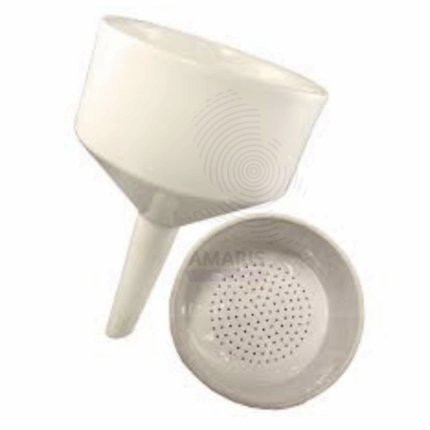
Buchner Funnel
The Buchner Funnel is a laboratory filtration device used for vacuum filtration processes. It typically consists of a flat, perforated plate covered with a filter paper, housed in a cylindrical funnel. Made from porcelain, glass, or plastic, the Buchner Funnel allows for rapid filtration by applying vacuum suction, which speeds up the separation of solids from liquids. It is widely used in chemical, biological, and pharmaceutical laboratories for efficient solid-liquid separation during sample preparation, purification, and analysis.
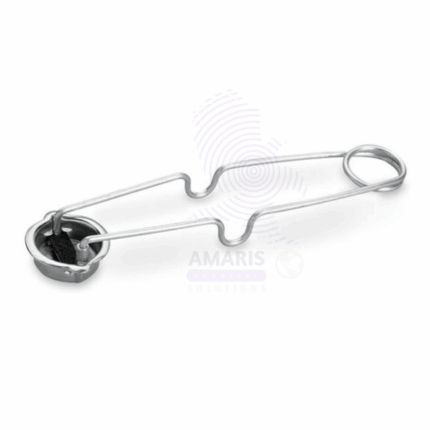
Bunsen Burner Lighter
The Bunsen Burner Lighter is a handheld ignition device designed specifically to ignite Bunsen burners and other laboratory gas burners safely and efficiently. It typically features a long, insulated handle with a spark-producing mechanism that allows users to light gas flames without risk of burns. Constructed from durable materials resistant to heat and corrosion, the lighter provides reliable ignition in laboratory environments, ensuring safe and convenient operation during experiments and heating tasks.

Centrifudge Electrical
Centrifudge Electrical, is a laboratory instrument designed to separate components of mixtures based on density by spinning samples at high speeds. Equipped with an electric motor, it offers controlled and consistent centrifugal force, enabling efficient separation of solids from liquids, blood components, or chemical substances. Widely used in medical, research, and industrial laboratories, this device ensures precise sample processing with adjustable speed and timer settings. Its robust design includes safety features such as imbalance detection and secure lids to protect users during operation.

clinostat clock type
The Clinostat Clock Type is a precision laboratory instrument designed to simulate microgravity conditions by continuously rotating biological samples or small objects along a horizontal axis. This rotation counteracts the effect of gravity, allowing researchers to study the effects of weightlessness on plant growth, cell cultures, and other biological specimens. Constructed with durable materials and calibrated for smooth, consistent rotation, the Clinostat Clock Type is widely used in botanical, microbiological, and space biology research.
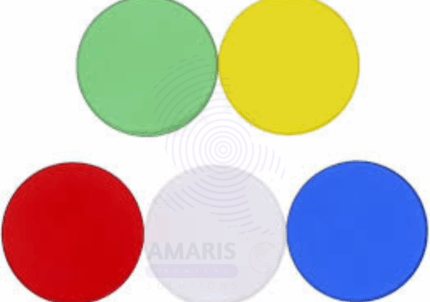
Color Filters
Color Filters are optical components designed to selectively transmit light of specific wavelengths while absorbing or reflecting others. These filters are used in various laboratory and industrial applications to isolate particular colors for scientific experiments, photography, microscopy, and optical analysis. Manufactured from high-quality glass or plastic materials, color filters ensure consistent performance with minimal distortion and high durability.
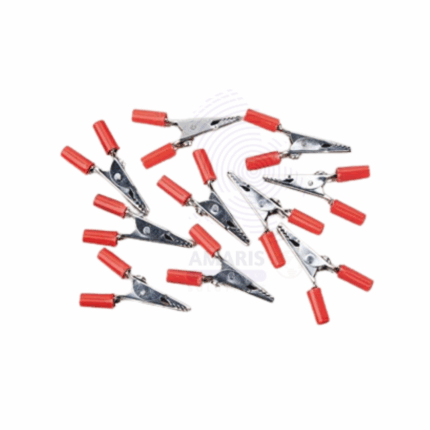
Crocodile Clips
Crocodile Clips are versatile electrical connectors featuring serrated jaws to securely grip wires or terminals. Commonly made from copper or brass with a nickel or chrome plating, these clips ensure reliable conductivity and mechanical stability. Widely used in laboratory and industrial settings for quick temporary electrical connections, testing, and circuit prototyping.












