

 Preservatives(food)
 Flavors
 Acidulants
 Sweeteners
 Antioxidants
 Colorants(food)
 Nutraceutical Ingredients (food)
 Nutrient Supplements
 Emulsifiers
 Collectors
 Dust Suppressants
 Explosives and Blasting Agents
 Flocculants and Coagulants
 Frothers
 Leaching Agents
 pH Modifiers
 Precious Metal Extraction Agents
 Antioxidants(plastic)
 Colorants (Pigments, Dyes)
 Fillers and Reinforcements
 Flame Retardants
 Monomers
 Plasticizers
 Polymerization Initiators
 Stabilizers (UV, Heat)
 Antifoaming Agents
 Chelating Agents
 Coagulants and Flocculants
 Corrosion Inhibitors
 Disinfectants and Biocides
 Oxidizing Agents
 pH Adjusters
 Scale Inhibitors( water)
 Antioxidants(cosmetic)
 Emollients
 Oils
Oils Carrier Oills
 Essential Oils
 Humectants
 Preservatives
 Surfactants(cosmetic)
 Thickeners
 UV Filters
 Fragrance (Cosmetics)
 Fertilizers
 Soil Conditioners
 Plant Growth Regulators
 Animal Feed Additives
 Biostimulants
 Pesticides (Herbicides, Insecticides, Fungicides)
 Active Pharmaceutical Ingredients (APIs)
 Excipients
 Solvents(pharmaceutical)
 Antibiotics
 Antiseptics and Disinfectants
 Vaccine Adjuvants
 Nutraceutical Ingredients (pharmaceutical)
 Analgesics & Antipyretics
 Analytical Reagents
 Solvents(lab)
 Chromatography Chemicals
 Spectroscopy Reagents
 microbiology-and-cell-culture-reagents
 Molecular Biology Reagents
 Biochemical Reagents
 Inorganic and Organic Standards
 Laboratory Safety Chemicals
 Specialty Laboratory Chemicals(Special Laboratory Equipment)
 Demulsifiers
 Hydraulic Fracturing Fluids
 Scale Inhibitors(oil)
 Surfactants(oil)
 Drilling Fluids
 Dyes and Pigments
 Bleaching Agents
 Softening Agents
 Finishing Agents
 Antistatic Agents
 Admixtures
 Waterproofing Agents
 Sealants and Adhesives
 Curing Compounds
 Concrete Repair Chemicals
 Anti-Corrosion Coatings
 Surfactants(cleaning)
 Builders
 Enzymes
 Solvents (Cleaning)
 Electronic Chemicals
 Catalysts
 Lubricants
 Photographic Chemicals
 Refrigerants
 Automotive chemicals
 Pyrotechnic Chemicals
 Biodegradable Surfactants
 Bio-based Solvents
 Renewable Polymers
 Carbon Capture Chemicals
 Wastewater Treatment Chemicals
 Pigments
 Solvents(paint)
 Specialty Coatings
 Binders/Resins
 Additives
 Driers
 Anti-Corrosion Agents
 Functional Coatings
 Application-Specific Coatings
 Leavening Agents
 Dough Conditioners
 Flour Treatments
 Fat Replacers
 Decoratives
 Preservatives(baking)
 Plasticizers & Softeners
 Reinforcing Agents
 Adhesion Promoters
 Vulcanizing Agents
 Antidegradants
 Blowing Agents
 Fillers & Extenders
 Accelerators & Retarders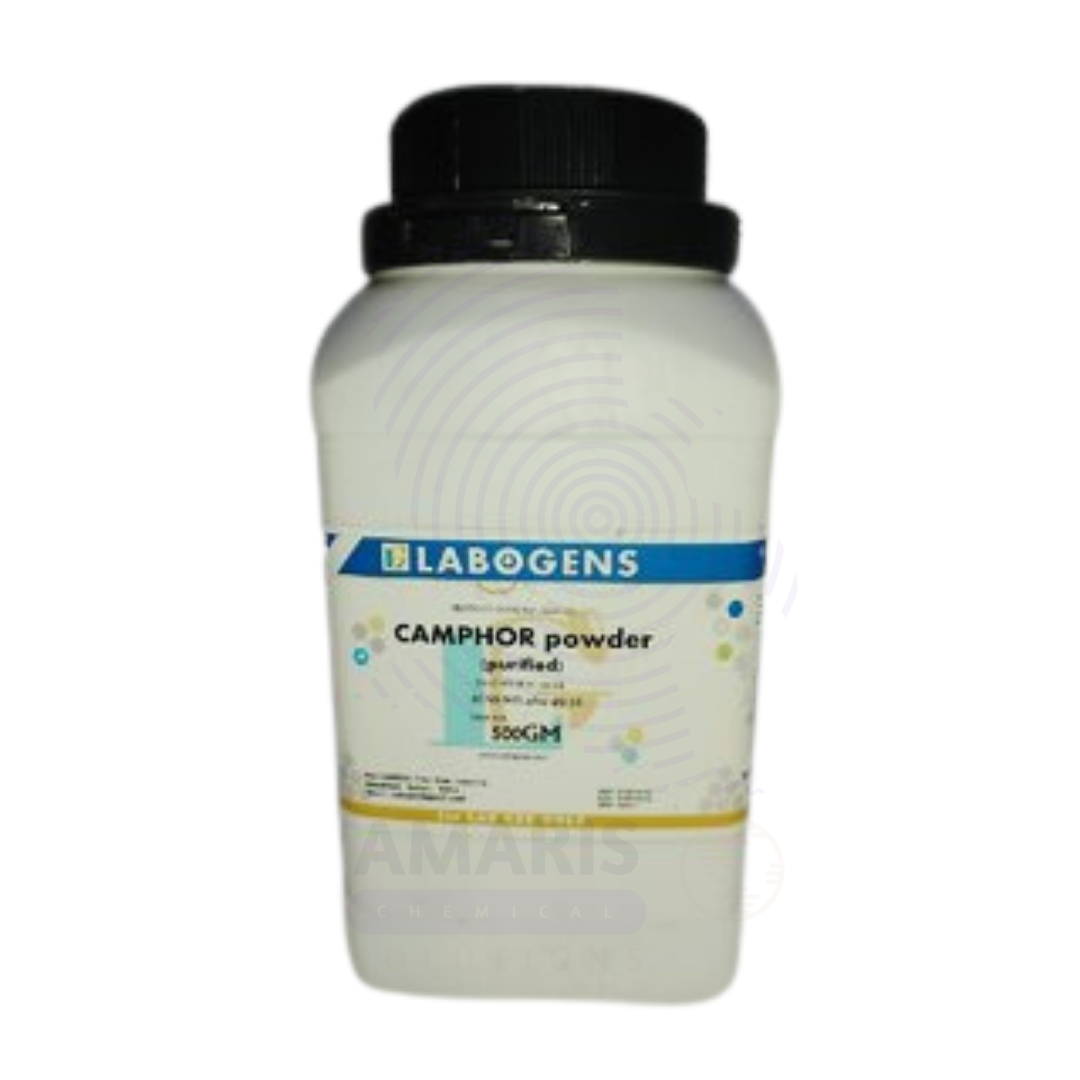

Camphor Powder Extra Pure
$ 17.11
Camphor Powder Extra Pure is a high-purity, crystalline white solid known for its distinct, penetrating aroma and volatility, making it valuable in laboratory applications involving sublimation, volatility studies, and organic compound identification. It is frequently used as a standard in melting point determination and as a model compound for exploring phase changes, vapor pressure, and diffusion behavior. In organic synthesis, it serves as a precursor or reagent in oxidation-reduction reactions. The extra pure grade ensures low impurity levels, which is essential for precise analytical and research work. Due to its flammable and volatile nature, it should be handled in well-ventilated areas and stored in tightly sealed containers away from heat and open flames.
Camphor Powder Extra Pure
Primary Uses
- Sublimation Demonstrations
- Used to illustrate the sublimation process (solid to vapor without passing through liquid), making it a popular teaching tool in physical chemistry labs.
- Organic Compound in Synthesis Experiments
- Acts as a starting material or intermediate in organic synthesis, especially for preparing camphor derivatives.
- Phase Transition Studies
- In thermodynamics labs, used to demonstrate phase changes, volatility, and behavior of volatile solids under controlled temperatures.
- Crystallization & Purity Studies
- Utilized in crystallization experiments to study morphology and purification techniques through recrystallization.
- Standard in Melting Point Determination
- Sometimes used as a known compound in calibration of melting point apparatus due to its sharp and characteristic melting point.
Secondary Uses
- Insect Repellent Studies
- Tested in bioassays or entomology labs to observe repellent activity and volatilization behavior.
- Aroma Compound for Sensory Testing
- Occasionally included in olfactory experiments or sensory science setups to study detection thresholds and perception.
- Solvent Behavior in Herbal Extracts
- Used in labs focused on natural product chemistry or phytochemistry to study extraction from botanical samples.
- Historical Chemistry Demonstrations
- Common in reenactments or educational modules illustrating 19th-century organic chemistry methods.
1. Basic Identification Attributes
- Chemical Name: Camphor
- Chemical Formula: C₁₀H₁₆O
- CAS Number: 76-22-2
- HS Code: 2914.21.00
- Grade: Extra Pure (Laboratory Grade)
- Synonyms: 2-Bornanone, Camphor natural, Gum camphor
2. Physical & Chemical Properties
- Appearance: White crystalline powder
- Odor: Strong, aromatic, characteristic camphoraceous odor
- Molar Mass: 152.23 g/mol
- Melting Point: 175–177 °C
- Boiling Point: ~204 °C (sublimes before boiling)
- Solubility: Slightly soluble in water, highly soluble in alcohol, ether, and chloroform
- Density: ~0.992 g/cm³
- Volatility: Sublimes readily at room temperature
3. Safety & Hazard Attributes
- GHS Classification:
- Flammable solid (Category 2)
- Acute toxicity (oral, Category 4)
- Hazard Statements:
- H228: Flammable solid
- H302: Harmful if swallowed
- Precautionary Statements:
- P210: Keep away from heat/sparks/open flames
- P264: Wash hands thoroughly after handling
- P270: Do not eat, drink, or smoke when using
4. Storage & Handling Attributes
- Storage Conditions:
- Store in a cool, dry, well-ventilated area
- Keep container tightly closed
- Store away from sources of ignition
- Packaging: Sealed HDPE or glass containers
- Handling Precautions:
- Avoid breathing dust
- Keep away from flames or static discharge sources
5. Regulatory & Compliance Attributes
- Transport Classification:
- UN 1325, Flammable solid, organic, n.o.s. (Camphor), Class 4.1
- Disposal Considerations:
- Incinerate in a chemical incinerator with afterburner and scrubber
- Follow local and national environmental regulations
6. Environmental & Health Impact
- Toxicity:
- Toxic in high doses, especially if ingested
- CNS stimulant in small doses; CNS depressant or toxic in larger quantities
- Ecotoxicity:
- Harmful to aquatic life in concentrated form
- Fumes/Dusts:
- Vapor may cause dizziness or irritation
- Flammable dust hazard in air
SAFETY PRECAUTIONS
- Personal Protective Equipment (PPE):
- Wear safety goggles, chemical-resistant gloves, lab coat, and use a dust mask or respirator in case of dust formation.
- Handling:
- Handle in a well-ventilated area or under a fume hood.
- Avoid contact with skin, eyes, and clothing.
- Keep away from heat, flames, and sources of ignition — camphor is combustible.
- Storage:
- Store in a cool, dry, and well-ventilated area, away from oxidizing agents and sources of heat.
- Keep the container tightly closed and properly labeled.
FIRST AID MEASURES
- Inhalation:
- Remove to fresh air.
- If breathing is difficult, give oxygen.
- Seek medical attention if symptoms persist.
- Skin Contact:
- Wash with plenty of water and soap.
- Remove contaminated clothing.
- Seek medical advice if irritation develops.
- Eye Contact:
- Rinse cautiously with water for 15 minutes.
- Lift eyelids occasionally.
- Seek medical attention.
- Ingestion:
- Do not induce vomiting.
- Rinse mouth with water.
- Seek immediate medical attention. Camphor can be toxic if ingested in sufficient quantities.
FIRE FIGHTING MEASURES
- Flammability:
- Highly flammable. May form combustible dust-air mixtures.
- Extinguishing Media:
- Use dry chemical, CO₂, or alcohol-resistant foam.
- Do not use water jets directly on the burning powder.
- Hazardous Combustion Products:
- Emits toxic fumes, including carbon monoxide and carbon dioxide.
- Firefighter Protection:
- Use self-contained breathing apparatus (SCBA) and full protective gear.
- Use self-contained breathing apparatus (SCBA) and full protective gear.
Related products
Benzyl Alcohol Extra Pure
Benzyl Alcohol Extra Pure is a high-purity, clear, colorless liquid with a mild aromatic odor, widely used in laboratory chemistry for analytical, synthetic, and preparative applications. It functions as a versatile solvent for inks, resins, waxes, and dyes, and plays a key role in organic synthesis, particularly in esterification and benzylation reactions. Its moderate polarity and low volatility make it valuable in sample preparation, chromatography, and pharmaceutical research. The extra pure grade guarantees minimal levels of impurities, ensuring reliable performance in high-precision laboratory procedures. Benzyl alcohol should be handled with care and stored in a tightly sealed container in a cool, dry place, away from strong oxidizing agents.
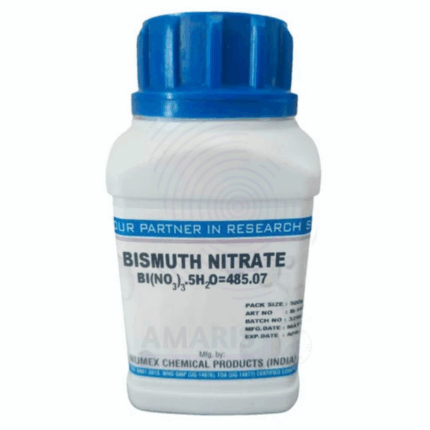
Bismuth Nitrate Extra Pure
Bismuth Nitrate Extra Pure is a high-purity inorganic compound composed of bismuth and nitrate ions, typically supplied as a crystalline solid or powder. It is widely used as a precursor in chemical synthesis, pharmaceuticals, cosmetics, and industrial applications. Known for its excellent solubility in nitric acid and water, this compound serves as a source of bismuth ions in various chemical reactions and formulations. Its high purity ensures minimal impurities, making it suitable for sensitive applications requiring consistent quality and performance.
Octyl Methoxycinnamate Extra Pure
Octyl Methoxycinnamate Extra Pure is a high-purity organic compound widely used as a UV-B filter in sunscreen formulations and personal care products. Known chemically as Ethylhexyl Methoxycinnamate, it functions by absorbing ultraviolet light in the 280–320 nm range, thereby protecting skin from sunburn and photoaging.
In its Extra Pure form, OMC offers exceptional quality for cosmetic-grade applications, pharmaceutical formulations, and research requiring stringent purity levels. It is typically a clear, oily liquid with good solubility in oils and alcohols, making it ideal for incorporation into emulsions, creams, and lotions. Aside from its cosmetic uses, it is occasionally used in plastic and polymer stabilization where UV protection is needed. It should be stored in cool, dark conditions to maintain its stability and efficacy.
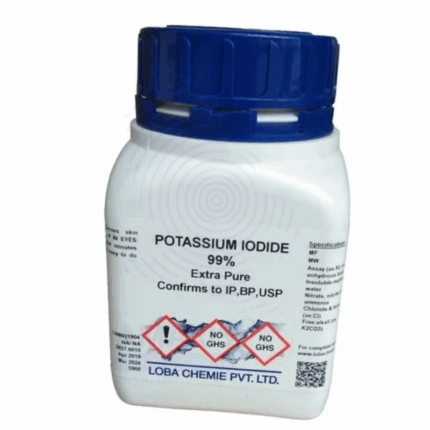
Potassium Iodide Extra Pure
Potassium Iodide Extra Pure is a high-purity, white crystalline salt widely recognized for its excellent solubility in water and its versatile applications. In laboratories, it is commonly used as a reagent in iodometric titrations and for preparing iodine solutions. In the medical field, it serves as a key source of iodine and is used for thyroid protection against radioactive iodine exposure. Its antioxidant properties also make it valuable in pharmaceutical formulations and as a stabilizer in various chemical processes. The extra pure grade ensures maximum consistency and reliability for precise experimental and industrial outcomes.
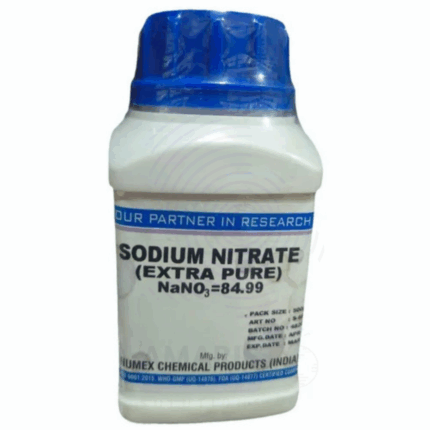
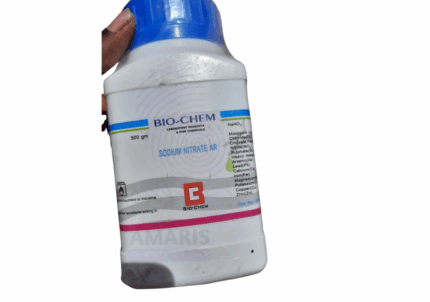
Sodium Nitrate Extra Pure
Sodium Nitrate Extra Pure is a high-purity, white crystalline solid widely used as an oxidizing agent in laboratories and industries. It serves as a source of nitrate ions in chemical synthesis, analytical applications, and fertilizers. Its strong oxidizing properties make it valuable in explosives and pyrotechnic manufacturing. It is also used as a preservative in the food industry and in water treatment processes. Sodium Nitrate Extra Pure must be stored carefully away from heat and combustible materials and handled with appropriate safety measures due to its oxidizing nature.

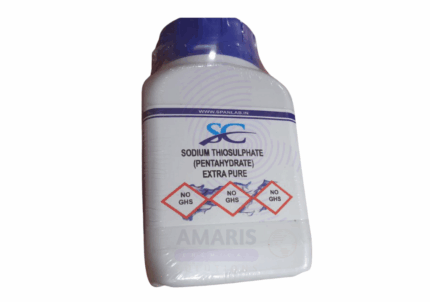
Sodium Thiosulphate Pentahydrate Extra Pure
Sodium Thiosulphate Pentahydrate Extra Pure is a white, crystalline, odorless compound widely used in laboratories and industry as a reducing agent, titrant, and water dechlorination chemical. It plays a vital role in photographic fixing, water treatment, and pharmaceutical antidotes for cyanide poisoning. This Extra Pure grade ensures high quality and reliability for analytical, pharmaceutical, and industrial applications. It must be stored in a dry, cool environment away from acids and oxidizers and handled with appropriate personal protective equipment to avoid irritation.

Solvent Black Extra Pure
Solvent Black Extra Pure is a deep black powder dye primarily used in laboratory, textile, and cosmetic applications. It provides excellent staining and coloring properties, especially in microscopy, histology, and analytical procedures. It is highly soluble in organic solvents and insoluble in water, making it ideal for specialty dyeing and pigmentation uses. Proper storage and handling are essential to avoid dust inhalation and environmental contamination. Its Extra Pure grade ensures consistent performance in scientific and industrial uses.
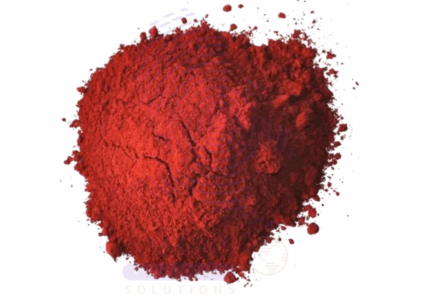
Solvent Oil Red 24 OSH Extra Pure
Solvent Oil Red 24 OSH Extra Pure is a bright red lipid-soluble dye widely used in biological staining, histology, and lipid analysis. Its high purity grade ensures consistent performance in laboratory and industrial applications including cosmetics and plastics. It dissolves readily in oils and organic solvents but is insoluble in water. Proper handling and storage are essential due to its suspected carcinogenicity and moderate toxicity to aquatic life.












