

 Preservatives(food)
 Flavor Enhancers
 Acidulants
 Sweeteners
 Antioxidants
 Colorants(food)
 Nutraceutical Ingredients (food)
 Nutrient Supplements
 Emulsifiers
 Collectors
 Dust Suppressants
 Explosives and Blasting Agents
 Flocculants and Coagulants
 Frothers
 Leaching Agents
 pH Modifiers
 Precious Metal Extraction Agents
 Antioxidants(plastic)
 Colorants (Pigments, Dyes)
 Fillers and Reinforcements
 Flame Retardants
 Monomers
 Plasticizers
 Polymerization Initiators
 Stabilizers (UV, Heat)
 Antifoaming Agents
 Chelating Agents
 Coagulants and Flocculants
 Corrosion Inhibitors
 Disinfectants and Biocides
 Oxidizing Agents
 pH Adjusters
 Scale Inhibitors( water)
 Antioxidants(cosmetic)
 Emollients
 Fragrances and Essential Oils
 Humectants
 Preservatives
 Surfactants(cosmetic)
 Thickeners
 UV Filters
 Fertilizers
 Soil Conditioners
 Plant Growth Regulators
 Animal Feed Additives
 Biostimulants
 Pesticides (Herbicides, Insecticides, Fungicides)
 Active Pharmaceutical Ingredients (APIs)
 Excipients
 Solvents(pharmaceutical)
 Antibiotics
 Antiseptics and Disinfectants
 Vaccine Adjuvants
 Nutraceutical Ingredients (pharmaceutical)
 Analgesics & Antipyretics
 Analytical Reagents
 Solvents(lab)
 Chromatography Chemicals
 Spectroscopy Reagents
 microbiology-and-cell-culture-reagents
 Molecular Biology Reagents
 Biochemical Reagents
 Inorganic and Organic Standards
 Laboratory Safety Chemicals
 Specialty Laboratory Chemicals(Special Laboratory Equipment)
 Demulsifiers
 Hydraulic Fracturing Fluids
 Scale Inhibitors(oil)
 Surfactants(oil)
 Drilling Fluids
 Dyes and Pigments
 Bleaching Agents
 Softening Agents
 Finishing Agents
 Antistatic Agents
 Admixtures
 Waterproofing Agents
 Sealants and Adhesives
 Curing Compounds
 Concrete Repair Chemicals
 Anti-Corrosion Coatings
 Surfactants(cleaning)
 Builders
 Enzymes
 Solvents (Cleaning)
 Fragrances
 Electronic Chemicals
 Catalysts
 Lubricants
 Photographic Chemicals
 Refrigerants
 Automotive chemicals
 Pyrotechnic Chemicals
 Biodegradable Surfactants
 Bio-based Solvents
 Renewable Polymers
 Carbon Capture Chemicals
 Wastewater Treatment Chemicals
 Pigments
 Solvents(paint)
 Specialty Coatings
 Binders/Resins
 Additives
 Driers
 Anti-Corrosion Agents
 Functional Coatings
 Application-Specific Coatings
 Leavening Agents
 Dough Conditioners
 Flour Treatments
 Fat Replacers
 Decoratives
 Preservatives(baking)
 Plasticizers & Softeners
 Reinforcing Agents
 Adhesion Promoters
 Vulcanizing Agents
 Antidegradants
 Blowing Agents
 Fillers & Extenders
 Accelerators & Retarders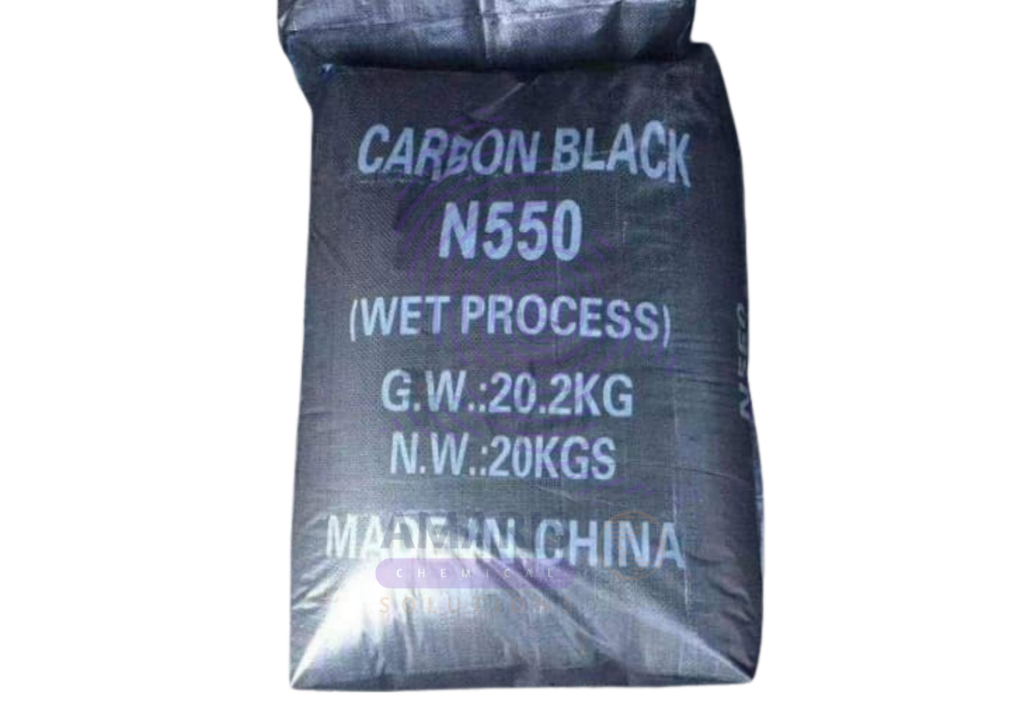
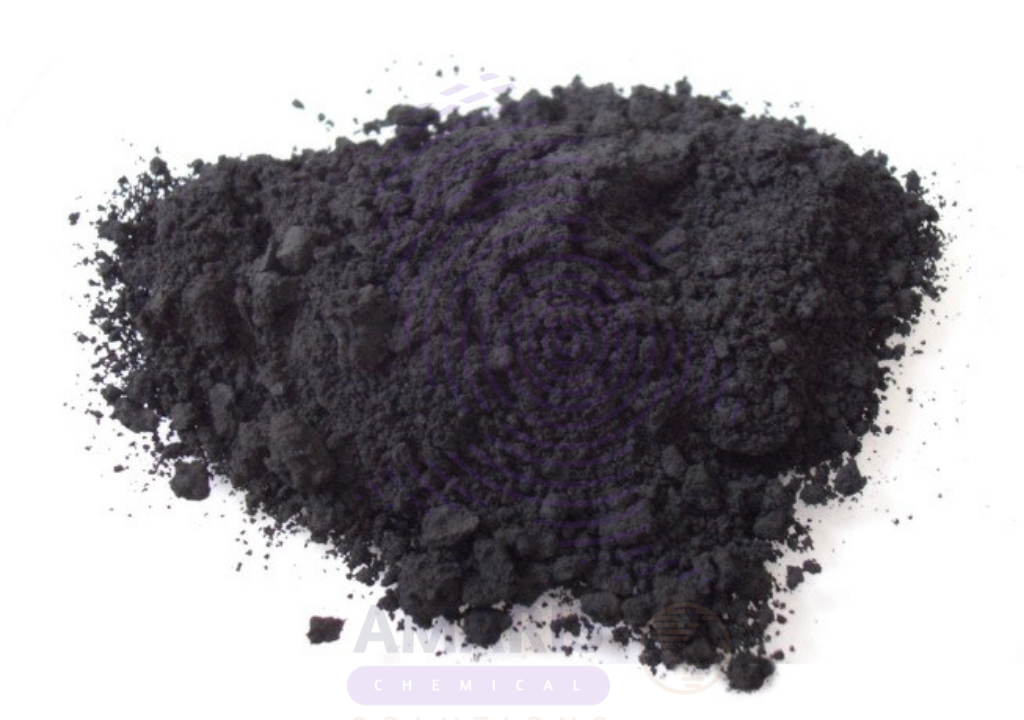
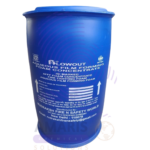

Carbon Black
Original price was: $ 55.33.$ 53.67Current price is: $ 53.67.
Carbon Black Concentrate Dispersions are homogeneous, ready-to-use formulations consisting of high-quality carbon black uniformly dispersed in a compatible liquid or solid carrier system. These products are engineered to deliver precise, repeatable carbon black loading levels at concentrations of 15%, 25%, 40%, and 50%, enabling manufacturers to achieve consistent jetness, tint strength, UV protection, electrical conductivity, and reinforcement across a wide range of industrial applications. Each variant is identified by a unique product code (169FF, 121FF, 13FF, 32PP) denoting the specific carbon black grade, with the percentage indicating the exact weight concentration of carbon black in the dispersion. These products eliminate the handling hazards, dust contamination, and dispersion inconsistencies associated with raw powdered carbon black, while significantly improving manufacturing efficiency, color matching, and end-product performance. They are designed to be “let down” (diluted) into a compatible base material at recommended ratios to achieve the target carbon black level for specific formulation requirements. These are industrial-grade products and are not intended for food, pharmaceutical, or cosmetic applications unless explicitly certified otherwise.
Carbon Black
Primary Uses
1. Plastics and Polymer Manufacturing
- Colorant for molded and extruded products: Provides deep black coloration in polyolefins, styrenics, engineering plastics, and PVC for applications such as automotive components, consumer goods, packaging, and construction materials. The 32PP 50% pellet form is specifically designed for high-loading masterbatch production and direct let-down in extrusion and injection molding processes.
- UV stabilization: Protects polymers from photodegradation in outdoor applications including agricultural films, geomembranes, outdoor furniture, and automotive exterior parts. The 169FF 15% and 13FF 25% liquid dispersions offer excellent distribution at low let-down ratios for thin-film applications.
- Conductive and antistatic compounds: Formulated into electronic packaging, fuel system components, and industrial handling trays to dissipate static charge. Higher concentrations (40% and 50%) provide the percolation threshold required for conductive pathways.
- Masterbatch production: Serves as a concentrated intermediate for further let-down into final plastic products. The 32PP 50% polymer-bound pellets are optimized for this application.
2. Paints, Coatings, and Inks
- Industrial coatings: Provides jet-black pigmentation in automotive refinish paints, coil coatings, can coatings, and heavy-duty equipment finishes. The 121FF 40% dispersion offers high jetness with excellent rheological properties for coating formulations.
- Printing inks: Used in publication gravure, flexographic, and screen printing inks for packaging, newspapers, and commercial printing. The 169FF 15% fine-particle dispersion delivers superior gloss and color strength.
- Protective and marine coatings: Enhances weatherability and color retention in high-performance coating systems.
3. Rubber Processing
- Tire and industrial rubber goods: Reinforces rubber compounds for tire treads, sidewalls, belts, hoses, and gaskets. The 13FF 25% dispersion provides balanced reinforcement and processing ease.
- Non-tire automotive rubber: Used in seals, profiles, and vibration dampening components.
Secondary Uses
1. Adhesives and Sealants
- Pigmentation and UV protection: Incorporated into construction adhesives, automotive sealants, and industrial bonding agents. Liquid dispersions (15-40%) allow direct incorporation without additional milling.
2. Fibers and Textiles
- Mass pigmentation: Coloration of synthetic fibers for automotive upholstery, carpeting, and industrial textiles.
3. 3D Printing Filaments
- Colored filaments: Provides consistent black coloration in FDM/FFF printing materials. The 32PP 50% pellet form is compatible with filament extrusion processes.
| CONCENTRATIONS | 15%, 25%, 40%, 50% |
|---|
1. Basic Identification Attributes
- Chemical Name: Carbon (C) in carrier matrix
- Common/Trade Name: Carbon Black Concentrate Dispersions; Carbon Black Masterbatch; Black Pigment Dispersion
- CAS Number: 1333-86-4 (Carbon Black)
- HS Code: 2803.00 (Carbon Black); 3204.17 (Pigment Preparations)
- Product Variants:
- Carbon Black 169FF 15% – Fine particle, high jetness, liquid carrier
- Carbon Black 121FF 40% – Medium particle, high strength, liquid carrier
- Carbon Black 13FF 25% – Universal grade, excellent dispersibility, liquid carrier
- Carbon Black 32PP 50% – High loading, polymer-bound pellets
- Synonyms:
- Carbon black masterbatch
- Black pigment dispersion
- Carbon black pre-dispersion
- Polymer-bound carbon black
- Liquid carbon black concentrate
- Black color concentrate
2. Physical & Chemical Properties
- Physical State: Viscous liquid/paste (15%, 25%, 40%); Solid pellets/granules (50%)
- Color & Odor: Jet black; odorless
- Carbon Black Content: 15% ± 0.5%, 25% ± 0.5%, 40% ± 0.5%, 50% ± 0.5%
- Carrier Composition: Organic solvent/resin blends (15%, 25%, 40%); Polymer resin (50%)
- Density: 1.0 – 1.4 g/cm³ (varies by concentration and carrier)
- Viscosity: Low to medium (15%); Medium to high (25%, 40%); Solid (50%)
- Primary Particle Size: 15–50 nm (varies by carbon black grade)
- Solubility: Dispersible in compatible organic solvents and polymer systems; insoluble in water
- Stability: Stable under normal storage conditions; avoid freezing and extreme heat
3. Safety & Hazard Attributes
- Hazard Class (GHS):
- H317: May cause an allergic skin reaction
- H319: Causes serious eye irritation
- H335: May cause respiratory irritation
- H351: Suspected of causing cancer (inhalation of respirable dust; applies to raw powder, not encapsulated dispersions)
- Liquid carriers may introduce additional flammability or toxicity hazards; consult specific SDS
- Toxicity: Low acute toxicity; primary hazard is respiratory exposure to fine particles if aerosolized
- Exposure Limits:
- OSHA PEL (Carbon Black): 3.5 mg/m³ (TWA)
- ACGIH TLV (Carbon Black): 3 mg/m³ (TWA, inhalable fraction)
4. Storage & Handling Attributes
- Storage Conditions: Store in tightly sealed, original containers in a cool, dry, well-ventilated area away from direct sunlight, heat sources, and incompatible materials (strong oxidizers). Protect from freezing and moisture ingress.
- Container Type:
- Liquid dispersions (15%, 25%, 40%): HDPE drums, pails, totes, or bulk containers
- Pellet form (50%): Multi-layer paper bags, octabins, or bulk supersacks
- Shelf Life: 12–24 months from date of manufacture when stored under recommended conditions
- Handling Precautions:
- Use local exhaust ventilation to control vapors or dust
- Avoid prolonged or repeated skin contact
- Prevent release to the environment
- Do not eat, drink, or smoke in handling areas
- Ground containers during transfer to prevent static discharge (especially for solvent-based liquids)
- Storage Measures: Keep containers tightly closed when not in use; implement first-in, first-out (FIFO) inventory practices
5. Regulatory & Compliance Attributes
- Regulatory Status: Complies with industrial chemical safety standards
- Labeling Requirements: Must carry appropriate GHS hazard pictograms based on carrier composition; requires "Technical Grade – Not for Human Consumption" labeling
- Use Restriction: Not intended for direct food, beverage, pharmaceutical, or cosmetic applications unless explicitly certified as food-grade or biocompatible grade
- Transport Classification:
- UN Number: Varies by carrier composition; may be regulated as flammable liquid (Class 3) or combustible liquid
- Generally not regulated for pellet form (32PP 50%)
- Environmentally hazardous substance (solid) classification may apply
6. Environmental & Health Impact
- Biodegradability: Carbon black is inorganic and not biodegradable; carrier components may be biodegradable or bio-accumulative depending on composition
- Ecotoxicity: Carbon black may be harmful to aquatic life due to physical effects (smothering); liquid carriers may introduce additional aquatic toxicity
- Bioaccumulation: Not expected to bioaccumulate
- Carcinogenicity/Mutagenicity: IARC classifies Carbon Black as Group 2B (possibly carcinogenic to humans) based on inhalation studies in rats. Encapsulation in dispersions significantly reduces inhalation risk.
Safety Handling Precautions
- PPE Required:
- Eyes: Safety goggles or full-face shield
- Skin: Chemical-resistant gloves (nitrile, neoprene, or butyl rubber), chemical-resistant apron or coveralls
- Respiratory: Use NIOSH-approved respirator with organic vapor cartridges and particulate prefilters (N95 or P100) if airborne concentrations exceed exposure limits or if mist/vapor is generated
- Handling Guidelines:
- Use in well-ventilated areas; local exhaust ventilation recommended
- Minimize generation of dust, mist, or vapors
- Avoid transfer spills; use drip pans and spill containment
- Wash thoroughly after handling
- Remove contaminated clothing and launder before reuse
- Storage Measures:
- Store away from strong oxidizers, acids, and heat sources
- Maintain temperature control to prevent freezing (liquids) or melting (pellets)
- Secondary containment recommended for liquid storage areas
- Hygiene Practices:
- No eating, drinking, or smoking in handling areas
- Wash hands and face thoroughly before breaks and at end of shift
- Shower and change into clean clothing after handling
First Aid Measures
- Inhalation: Move affected person to fresh air immediately. If breathing is difficult, administer oxygen. If breathing has stopped, perform artificial respiration. Seek medical attention if symptoms (coughing, wheezing, dizziness) persist.
- Skin Contact: Remove contaminated clothing immediately. Wash affected area thoroughly with plenty of soap and water for at least 15 minutes. Seek medical attention if irritation, redness, or swelling develops.
- Eye Contact: Immediately rinse eyes with lukewarm, gently flowing water for at least 15 minutes while holding eyelids open. Remove contact lenses if present and easy to do. Seek immediate medical attention.
- Ingestion: Rinse mouth thoroughly with water. Do NOT induce vomiting unless directed by medical personnel. Never give anything by mouth to an unconscious person. Seek immediate medical attention.
Firefighting Measures
- Fire Hazards:
- Liquid dispersions (15%, 25%, 40%): May be flammable or combustible depending on carrier solvent content. Vapors may form explosive mixtures with air and may travel to distant ignition sources.
- Pellet form (50%): Combustible solid; may burn with heavy black smoke and soot
- Flash Point: Varies by carrier composition; typically >61°C for non-hazardous formulations; consult specific SDS
- Auto-ignition Temperature: >400°C (carbon black)
- Extinguishing Media:
- Preferred: Alcohol-resistant foam, CO₂, dry chemical, or water spray
- Avoid: Direct high-pressure water stream may spread burning material
- Special Firefighting Procedures:
- Wear full protective clothing and self-contained breathing apparatus (SCBA)
- Use water spray to cool exposed containers and protect personnel
- Contain firefighting runoff to prevent environmental contamination
- Hazardous Combustion Products: Carbon monoxide, carbon dioxide, oxides of nitrogen and sulfur (depending on carrier composition), dense black smoke
- Explosion Hazards: Carbon black dust, if generated and suspended in air at sufficient concentrations, may form explosive mixtures. Dispersed forms present significantly reduced dust explosion risk.
Related products
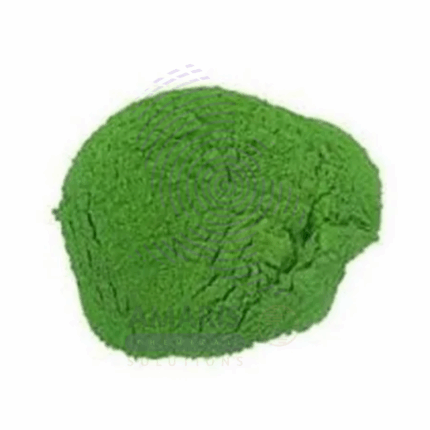
Cetex Green Dye sdn Oil Soluble
Cetex Green Dye sdn oil soluble is a synthetic oil-soluble dye known for its vibrant green coloration and excellent solubility in oils, fats, and hydrocarbon solvents. It is widely used in industries requiring stable and intense green color in oil-based formulations. The dye exhibits good resistance to heat, light, and chemical exposure, making it suitable for applications in cosmetics, plastics, and inks. Cetex Green Dye SDN offers consistent color strength and dispersion in various oil mediums.
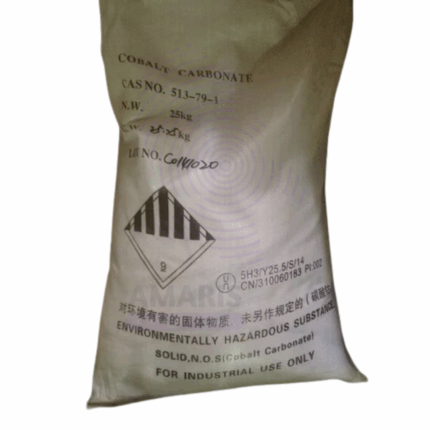
Cobalt Carbonate
Cobalt Carbonate is a rose-red to purplish powder with a metal content of approximately 46% cobalt by weight. It is an inorganic compound primarily used as a source of cobalt, either as a raw material in chemical synthesis or as a micronutrient in various formulations. It is slightly soluble in water and decomposes upon heating, releasing carbon dioxide and leaving cobalt oxide (CoO). Cobalt Carbonate is used in ceramics, catalysts, animal nutrition, batteries, and metal surface treatments. Its controlled release of cobalt makes it useful in both industrial and biological applications.
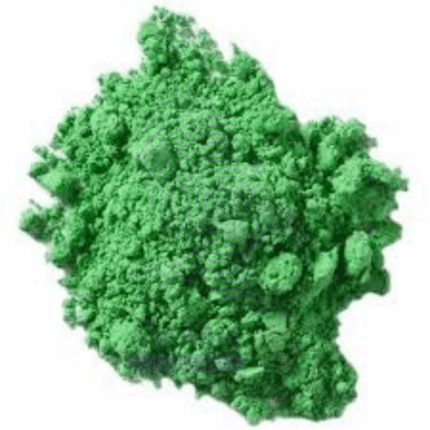
Green Pigment
Green Pigment is a concentrated dispersion of green pigment particles in a suitable carrier, designed for use in a variety of industrial and commercial applications. Known for its vivid green color and excellent stability, this pigment offers good resistance to heat, light, and chemicals. It is widely employed in plastics, coatings, inks, and other manufacturing processes where vibrant, durable green coloration is required.
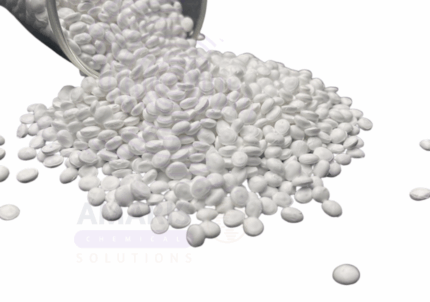
Masterbatch White ( PEW60)
Masterbatch White PEW60 is a high-quality white pigment masterbatch designed for incorporation into polyethylene (PE) and other polyolefin resins. Containing 60% titanium dioxide (TiO₂) pigment, it provides excellent whiteness, opacity, and brightness to plastic products. PEW60 improves aesthetic appeal and surface finish while maintaining the mechanical properties of the base resin. It is widely used in film extrusion, injection molding, blow molding, and other plastic manufacturing processes to produce a consistent, bright white color.
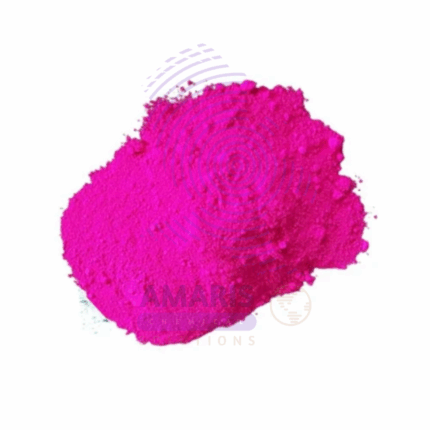
Pink Dye
Pink Dye is a synthetic dye formulation offering a vibrant pink coloration with a 6% dye concentration. It exhibits excellent affinity for protein fibers such as wool, silk, and nylon, providing bright and consistent pink hues. The dye is water-soluble under acidic conditions and is commonly used in textile dyeing, leather processing, and specialty applications requiring durable and vivid pink color. It also demonstrates good fastness to washing, light, and perspiration.
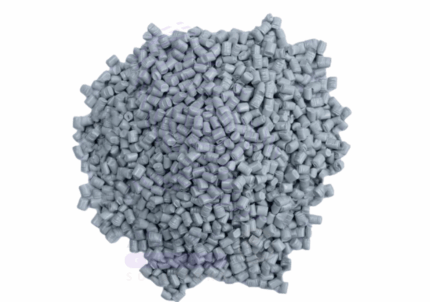
Polyvinyl Chloride Masterbatch
Polyvinyl Chloride Masterbatch is a concentrated mixture of pigments, additives, or fillers encapsulated in a PVC carrier resin, designed for direct addition into PVC processing applications. It offers an efficient and dust-free way to color, modify, or enhance the physical properties of PVC products. This masterbatch ensures excellent dispersion, consistent coloration, and improved processability. It is widely used in rigid and flexible PVC applications including construction, automotive, packaging, electrical, and consumer products.
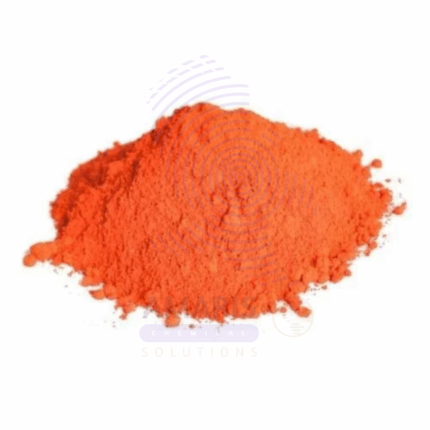
Waxol Solvent Orange
Waxol Solvent Orange is a synthetic solvent dye characterized by its vibrant orange color and excellent solubility in organic solvents such as hydrocarbons, oils, and waxes. It is widely used for coloring non-polar substrates where water-soluble dyes are unsuitable. The dye offers good lightfastness and stability in plasticizers, coatings, inks, and lubricants, providing consistent and uniform coloration. Waxol Solvent Orange 14 is ideal for applications requiring high tinting strength, chemical resistance, and compatibility with solvent-based systems in industrial and decorative uses.
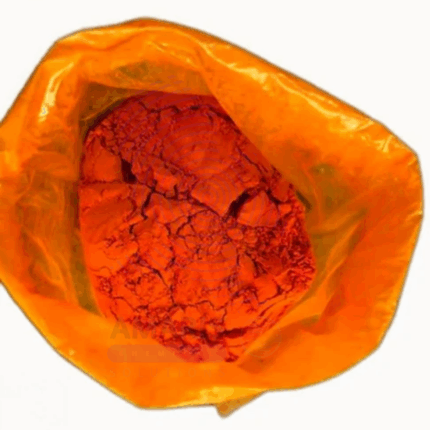
Waxol Solvent Yellow 2
Waxol Solvent Yellow 2 is a synthetic solvent dye known for its bright yellow hue and excellent solubility in organic solvents such as oils, waxes, hydrocarbons, and plasticizers. It provides consistent and vibrant yellow coloration in solvent-based systems, making it suitable for use in plastics, inks, coatings, and lubricants. The dye offers good chemical resistance and lightfastness, ensuring durability and stability of color in industrial and decorative applications. Waxol Solvent Yellow 2 is widely used where water-soluble dyes are unsuitable, providing high tinting strength and compatibility with various non-polar substrates.












