

 Preservatives(food)
 Flavor Enhancers
 Acidulants
 Sweeteners
 Antioxidants
 Colorants(food)
 Nutraceutical Ingredients (food)
 Nutrient Supplements
 Emulsifiers
 Collectors
 Dust Suppressants
 Explosives and Blasting Agents
 Flocculants and Coagulants
 Frothers
 Leaching Agents
 pH Modifiers
 Precious Metal Extraction Agents
 Antioxidants(plastic)
 Colorants (Pigments, Dyes)
 Fillers and Reinforcements
 Flame Retardants
 Monomers
 Plasticizers
 Polymerization Initiators
 Stabilizers (UV, Heat)
 Antifoaming Agents
 Chelating Agents
 Coagulants and Flocculants
 Corrosion Inhibitors
 Disinfectants and Biocides
 Oxidizing Agents
 pH Adjusters
 Scale Inhibitors( water)
 Antioxidants(cosmetic)
 Emollients
 Fragrances and Essential Oils
 Humectants
 Preservatives
 Surfactants(cosmetic)
 Thickeners
 UV Filters
 Fertilizers
 Soil Conditioners
 Plant Growth Regulators
 Animal Feed Additives
 Biostimulants
 Pesticides (Herbicides, Insecticides, Fungicides)
 Active Pharmaceutical Ingredients (APIs)
 Excipients
 Solvents(pharmaceutical)
 Antibiotics
 Antiseptics and Disinfectants
 Vaccine Adjuvants
 Nutraceutical Ingredients (pharmaceutical)
 Analgesics & Antipyretics
 Analytical Reagents
 Solvents(lab)
 Chromatography Chemicals
 Spectroscopy Reagents
 microbiology-and-cell-culture-reagents
 Molecular Biology Reagents
 Biochemical Reagents
 Inorganic and Organic Standards
 Laboratory Safety Chemicals
 Specialty Laboratory Chemicals(Special Laboratory Equipment)
 Demulsifiers
 Hydraulic Fracturing Fluids
 Scale Inhibitors(oil)
 Surfactants(oil)
 Drilling Fluids
 Dyes and Pigments
 Bleaching Agents
 Softening Agents
 Finishing Agents
 Antistatic Agents
 Admixtures
 Waterproofing Agents
 Sealants and Adhesives
 Curing Compounds
 Concrete Repair Chemicals
 Anti-Corrosion Coatings
 Surfactants(cleaning)
 Builders
 Enzymes
 Solvents (Cleaning)
 Fragrances
 Electronic Chemicals
 Catalysts
 Lubricants
 Photographic Chemicals
 Refrigerants
 Automotive chemicals
 Pyrotechnic Chemicals
 Biodegradable Surfactants
 Bio-based Solvents
 Renewable Polymers
 Carbon Capture Chemicals
 Wastewater Treatment Chemicals
 Pigments
 Solvents(paint)
 Specialty Coatings
 Binders/Resins
 Additives
 Driers
 Anti-Corrosion Agents
 Functional Coatings
 Application-Specific Coatings
 Leavening Agents
 Dough Conditioners
 Flour Treatments
 Fat Replacers
 Decoratives
 Preservatives(baking)
 Plasticizers & Softeners
 Reinforcing Agents
 Adhesion Promoters
 Vulcanizing Agents
 Antidegradants
 Blowing Agents
 Fillers & Extenders
 Accelerators & Retarders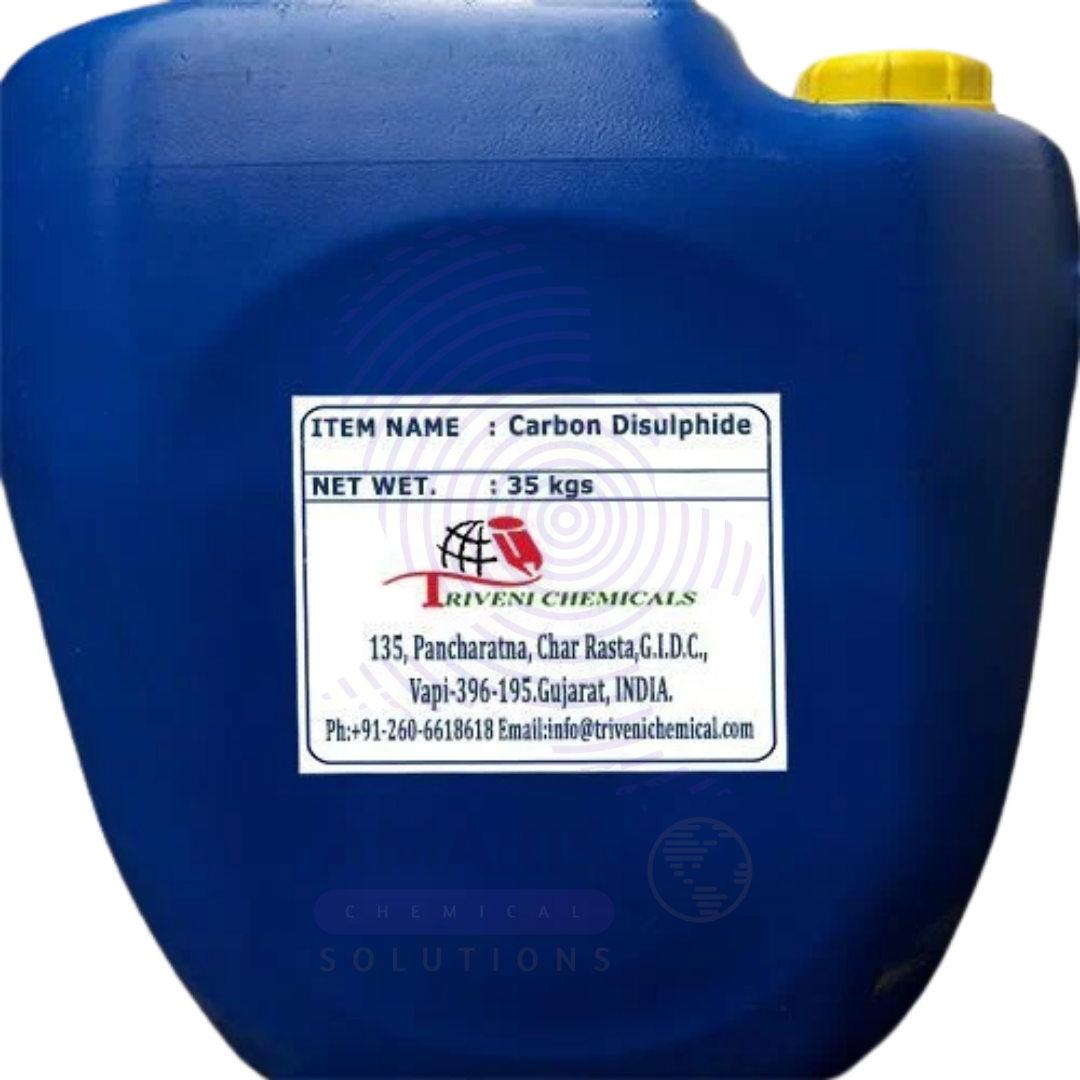
Back to products


Carboxymethyl Cellulose Food Grade
Original price was: $ 7.85.$ 7.74Current price is: $ 7.74.

Carbon Disulfide
Whatsapp Order
Carbon Disulfide (CS₂) is a volatile, flammable, and highly toxic organic solvent composed of carbon and sulfur. At 99% purity, it is a clear to pale yellow liquid with a pungent, sweet, ether-like odor. Carbon Disulfide is produced primarily by the reaction of carbon (charcoal) with sulfur vapors at high temperatures. Due to its excellent solvent properties and reactivity, it is used across multiple industries, including the production of rayon, cellophane, rubber chemicals, and pesticides. Despite its utility, Carbon Disulfide requires careful handling because of its toxicity, flammability, and environmental hazards.
Description
Carbon Disulfide
Primary Uses
- Chemical Industry
- Intermediate in Viscose Rayon & Cellophane Production: Used to convert alkali cellulose into cellulose xanthate.
- Production of Carbon Tetrachloride and other sulfur-containing organic chemicals.
- Reagent in Synthesis of Rubber Accelerators, pesticides, and flotation agents.
- Rubber & Tire Industry
- Used as a solvent and chemical intermediate in the manufacture of vulcanization accelerators and antioxidants.
- Mining & Metallurgy
- Ore Flotation Agent: Used in mineral processing to separate valuable minerals from ore.
- Assists in the recovery of precious metals via flotation processes.
- Pharmaceuticals & Agrochemicals
- Raw material for the synthesis of fungicides (e.g., dithiocarbamates), pesticides, and soil fumigants.
- Laboratory Use
- Used as a non-polar solvent for fats, resins, sulfur, iodine, and phosphorus.
- Employed in organic synthesis for creating sulfur-containing compounds.
Secondary Uses
- Oil & Gas Industry
- Used in petrochemical analysis and as a component in specialty extraction processes.
- Explosives
- Occasionally used in controlled formulations of explosives and pyrotechnics.
- Perfumes & Fragrance
- Historically used in perfume formulations due to its volatility (rare today due to toxicity).
- Microelectronics
- Explored as a sulfurizing agent in the production of semiconductors and solar cell precursors.
- Entomology/Fumigation (Historic Use)
- Formerly used as a fumigant and insecticide (now mostly obsolete due to health risks).
KEY PRODUCT FEATURES
1. Basic Identification Attributes
- Chemical Name (IUPAC): Carbon disulfide
- Common/Trade Name: Carbon Disulfide
- CAS Number: 75-15-0
- HS Code: 2903.13.00
- Molecular Formula: CS₂
- Molecular Weight: 76.14 g/mol
- Synonyms:
- Carbon bisulfide
- Dithiocarbonic anhydride
- CS₂
2. Physical & Chemical Properties
- Physical State: Liquid
- Color & Odor: Colorless to pale yellow; sweet, ether-like odor
- Melting Point: -111.5°C
- Boiling Point: 46.3°C
- Density: 1.263 g/cm³ at 20°C
- Vapor Pressure: 352 mmHg at 25°C
- Flash Point: -30°C (closed cup)
- Autoignition Temperature: ~100°C
- Explosion Limits: 1.3–50% (v/v in air)
- Solubility:
- Insoluble in water
- Soluble in ethanol, ether, benzene, and chloroform
- Stability: Stable under inert conditions; sensitive to light, air, and heat
3. Safety & Hazard Attributes
- Hazard Class (GHS):
- Flammable Liquid (Category 2)
- Acute Toxicity (Oral, Inhalation, Dermal – Categories 3, 2, 2)
- Specific Target Organ Toxicity (Repeated Exposure) – Category 1
- NFPA Ratings:
- Health: 3
- Flammability: 4
- Reactivity: 0
- Exposure Limits:
- OSHA PEL: 20 ppm (skin)
- ACGIH TLV: 1 ppm (TWA), 3 ppm (STEL)
- Toxicity:
- Highly toxic via inhalation, ingestion, and dermal exposure
- Affects central nervous system, liver, kidneys, and reproductive system
- Reactivity: Reactive with strong oxidizers and bases; forms explosive mixtures with air
4. Storage & Handling Attributes
- Storage Conditions:
- Store in cool, well-ventilated areas away from sunlight and ignition sources
- Keep under inert gas (e.g., nitrogen) in tightly sealed containers
- Container Type: Stainless steel drums or specially lined carbon steel containers
- Shelf Life: 1–2 years under proper conditions
- Special Handling:
- Use only with proper ventilation and explosion-proof equipment
- Ground and bond containers during transfer to prevent static discharge
5. Regulatory & Compliance Attributes
- FDA Status: Not approved for direct food or pharmaceutical use
- REACH Status: Registered
- IARC Classification: Group 3 (not classifiable as to carcinogenicity in humans)
- Transportation:
- UN Number: UN1131
- Hazard Class: 3 (Flammable Liquid)
- Packing Group: I (high danger)
- Waste Disposal:
- Dispose of as hazardous waste
- Use incineration or chemical treatment under controlled conditions
- Follow local, national, and international regulations
6. Environmental & Health Impact
- Ecotoxicity: Toxic to aquatic organisms; may cause long-term adverse effects
- Persistence: Moderately persistent in air; degrades by photolysis and oxidation
- Bioaccumulation: Low potential
- Carcinogenicity/Mutagenicity: Not conclusively identified as carcinogenic; may cause mutagenic effects at high exposures
- Biodegradability: Slowly biodegradable; more persistent in anaerobic environments
SAFETY HANDLING PRECAUTIONS
Safety Handling Precautions
Personal Protective Equipment (PPE):
- Chemical-resistant gloves (e.g., butyl rubber)
- Full-face respirator with organic vapor cartridge
- Chemical splash goggles or face shield
- Flame-resistant lab coat or protective suit
Handling Measures:
- Handle only in fume hoods or explosion-proof environments
- Avoid breathing vapors or skin contact
- Use spark-proof tools and non-sparking equipment
Storage Measures:
- Store in tightly closed, properly labeled containers
- Keep away from heat, sparks, and flames
- Segregate from oxidizing agents and strong bases
Hygiene Practices:
- Wash thoroughly after handling
- Remove contaminated clothing and wash before reuse
- Do not eat, drink, or smoke near storage or usage areas
First Aid Measures
- Inhalation: Move to fresh air immediately. Administer oxygen if breathing is difficult. Seek emergency medical attention.
- Skin Contact: Remove contaminated clothing. Wash with soap and water. Seek medical help for irritation or burns.
- Eye Contact: Rinse cautiously with water for 15–20 minutes. Remove contact lenses if present. Seek medical attention.
- Ingestion: Do not induce vomiting. Rinse mouth with water. Seek immediate medical attention.
Firefighting Measures
- Fire Hazards: Extremely flammable; forms explosive mixtures with air
- Extinguishing Media: Dry chemical, carbon dioxide (CO₂), foam; do not use water directly
- Special Precautions:
- Firefighters should wear self-contained breathing apparatus (SCBA) and chemical-resistant gear
- Use water spray to cool surrounding containers
- Decomposition Products: Carbon monoxide (CO), sulfur dioxide (SO₂), and carbon dioxide (CO₂)
Related products
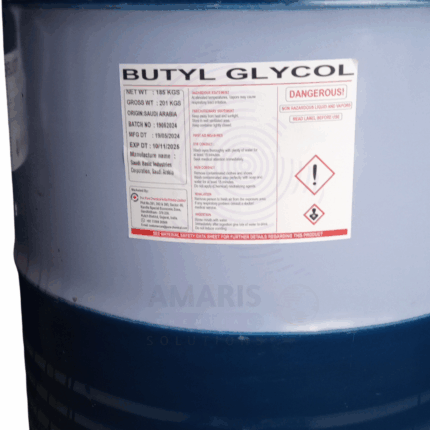
Butyl Glycol
Butyl Glycol, also known as 2-Butoxyethanol, is a colorless to pale yellow liquid with a mild, sweet ether-like odor. It is an organic solvent classified as a glycol ether, with the molecular formula C6H14O2. Butyl Glycol is highly miscible with water, alcohols, and many organic solvents. It is widely used in industrial and commercial applications due to its excellent solvent properties, low volatility, and moderate toxicity. Its high solvency and compatibility with both aqueous and organic phases make it valuable in coatings, cleaning products, inks, and adhesives.
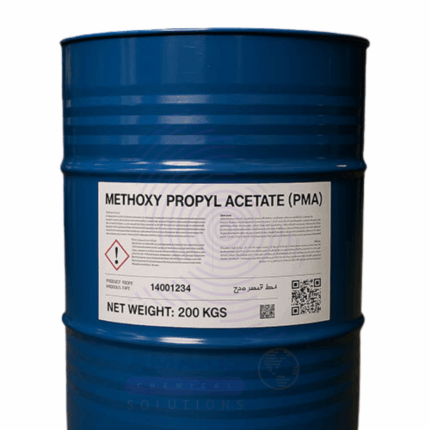
Methoxy Propyl Acetate
Methoxy Propyl Acetate is a clear, colorless liquid solvent with a mild fruity odor. It is an ester derived from methoxy propanol and acetic acid, widely used in coatings, inks, adhesives, and cleaning products due to its excellent solvency, moderate evaporation rate, and good compatibility with various resins. PMA offers low volatility and strong solvency for a broad range of materials, making it ideal for industrial and commercial applications.
N-Butanol
N-Butanol (1-butanol) is a four-carbon linear alcohol with the chemical formula C₄H₉OH. It is a colorless, flammable liquid with a mild, alcoholic odor. N-Butanol is widely used as a solvent in paints, coatings, adhesives, and chemical synthesis. It serves as an intermediate in the manufacture of plasticizers, butyl acrylate, and other chemicals. Its moderate volatility and solvent properties make it valuable in industrial and commercial applications.
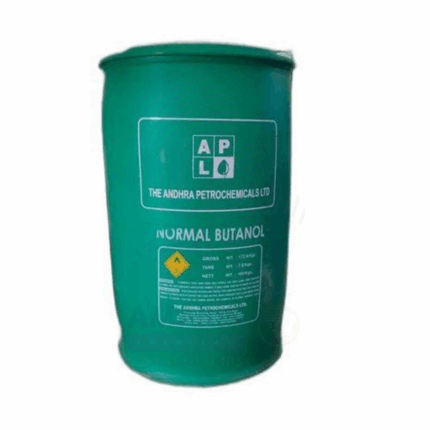
Normal Butanol
Normal Butanol is a straight-chain primary alcohol with the chemical formula C4H10O. It is a colorless, flammable liquid with a characteristic alcoholic odor. Known for its good solvent properties and moderate evaporation rate, n-Butanol is widely used in industrial applications such as solvents for paints, coatings, adhesives, and as an intermediate in chemical synthesis.
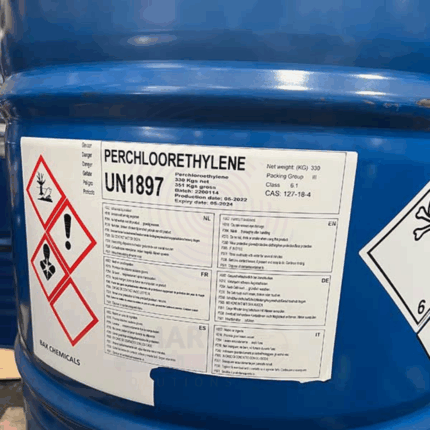
Perchloroethylene
Perchloroethylene (also known as tetrachloroethylene or PCE) is a clear, colorless liquid with a sweet odor, widely used as a solvent in dry cleaning and industrial degreasing. It has excellent solvent power for organic materials, is non-flammable, and chemically stable under normal conditions. Perchloroethylene is valued for its efficiency in removing oils, greases, and waxes from fabrics and metals, and serves as a key chemical intermediate in various industrial applications.
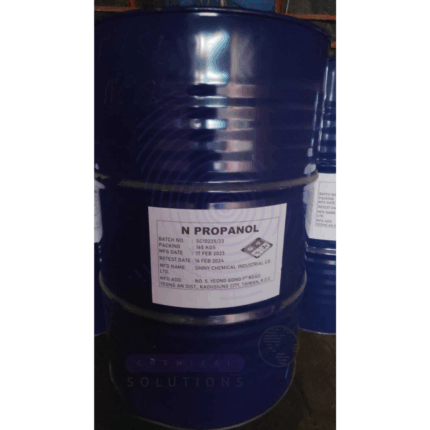
Prop BH N Propanol Technical Grade
Prop BH N Propanol Technical Grade, is a clear, colorless, flammable liquid alcohol used widely as a solvent and intermediate in chemical manufacturing. It has strong solvency properties for oils, resins, and various organic compounds. Due to its moderate evaporation rate and compatibility with water and other solvents, it is valuable in coatings, pharmaceuticals, and industrial cleaning formulations.
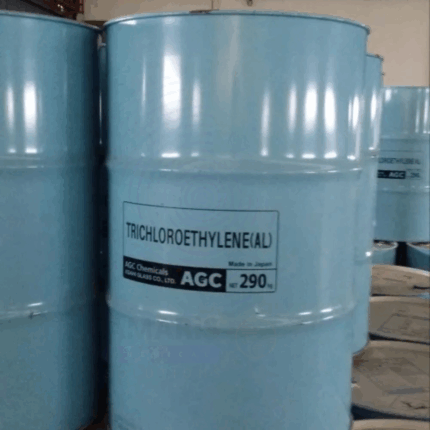
Trichloroethylene
Trichloroethylene (TCE) is a clear, non-flammable chlorinated solvent with a sweet, chloroform-like odor. It is widely used as an industrial solvent for degreasing and cleaning metal parts, thanks to its excellent ability to dissolve oils, greases, and waxes. Trichloroethylene is also used as a chemical intermediate and in the manufacture of adhesives, paints, and coatings. Its volatility and solvency make it essential in many manufacturing and maintenance processes, although use is regulated due to environmental and health concerns.
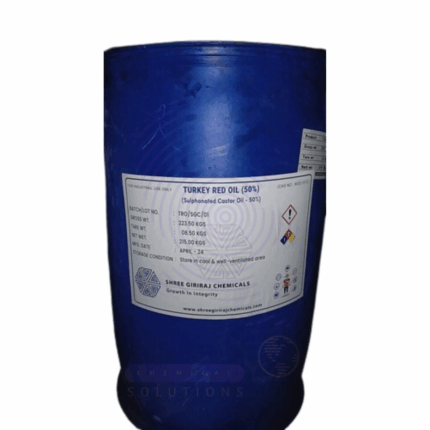
Turkey Red Oil (Sulphated Castor Oil)
Turkey Red Oil (Sulphated Castor Oil), also known as Sulphated Castor Oil, is a water-soluble derivative of castor oil produced by the sulfonation of castor oil. It appears as a viscous, amber to dark brown liquid with excellent emulsifying, detergent, and wetting properties. Turkey Red Oil is widely used as a natural surfactant and emulsifier in various industrial and personal care applications. It is known for its biodegradability, mildness, and ability to stabilize oil-in-water emulsions. Traditionally used in textile processing as a softener and lubricant, it now finds broad usage in cosmetics, detergents, leather processing, and cleaning products due to its unique functional attributes.












