

 Preservatives(food)
 Flavor Enhancers
 Acidulants
 Sweeteners
 Antioxidants
 Colorants(food)
 Nutraceutical Ingredients (food)
 Nutrient Supplements
 Emulsifiers
 Collectors
 Dust Suppressants
 Explosives and Blasting Agents
 Flocculants and Coagulants
 Frothers
 Leaching Agents
 pH Modifiers
 Precious Metal Extraction Agents
 Antioxidants(plastic)
 Colorants (Pigments, Dyes)
 Fillers and Reinforcements
 Flame Retardants
 Monomers
 Plasticizers
 Polymerization Initiators
 Stabilizers (UV, Heat)
 Antifoaming Agents
 Chelating Agents
 Coagulants and Flocculants
 Corrosion Inhibitors
 Disinfectants and Biocides
 Oxidizing Agents
 pH Adjusters
 Scale Inhibitors( water)
 Antioxidants(cosmetic)
 Emollients
 Fragrances and Essential Oils
 Humectants
 Preservatives
 Surfactants(cosmetic)
 Thickeners
 UV Filters
 Fertilizers
 Soil Conditioners
 Plant Growth Regulators
 Animal Feed Additives
 Biostimulants
 Pesticides (Herbicides, Insecticides, Fungicides)
 Active Pharmaceutical Ingredients (APIs)
 Excipients
 Solvents(pharmaceutical)
 Antibiotics
 Antiseptics and Disinfectants
 Vaccine Adjuvants
 Nutraceutical Ingredients (pharmaceutical)
 Analgesics & Antipyretics
 Analytical Reagents
 Solvents(lab)
 Chromatography Chemicals
 Spectroscopy Reagents
 microbiology-and-cell-culture-reagents
 Molecular Biology Reagents
 Biochemical Reagents
 Inorganic and Organic Standards
 Laboratory Safety Chemicals
 Specialty Laboratory Chemicals(Special Laboratory Equipment)
 Demulsifiers
 Hydraulic Fracturing Fluids
 Scale Inhibitors(oil)
 Surfactants(oil)
 Drilling Fluids
 Dyes and Pigments
 Bleaching Agents
 Softening Agents
 Finishing Agents
 Antistatic Agents
 Admixtures
 Waterproofing Agents
 Sealants and Adhesives
 Curing Compounds
 Concrete Repair Chemicals
 Anti-Corrosion Coatings
 Surfactants(cleaning)
 Builders
 Enzymes
 Solvents (Cleaning)
 Fragrances
 Electronic Chemicals
 Catalysts
 Lubricants
 Photographic Chemicals
 Refrigerants
 Automotive chemicals
 Pyrotechnic Chemicals
 Biodegradable Surfactants
 Bio-based Solvents
 Renewable Polymers
 Carbon Capture Chemicals
 Wastewater Treatment Chemicals
 Pigments
 Solvents(paint)
 Specialty Coatings
 Binders/Resins
 Additives
 Driers
 Anti-Corrosion Agents
 Functional Coatings
 Application-Specific Coatings
 Leavening Agents
 Dough Conditioners
 Flour Treatments
 Fat Replacers
 Decoratives
 Preservatives(baking)
 Plasticizers & Softeners
 Reinforcing Agents
 Adhesion Promoters
 Vulcanizing Agents
 Antidegradants
 Blowing Agents
 Fillers & Extenders
 Accelerators & Retarders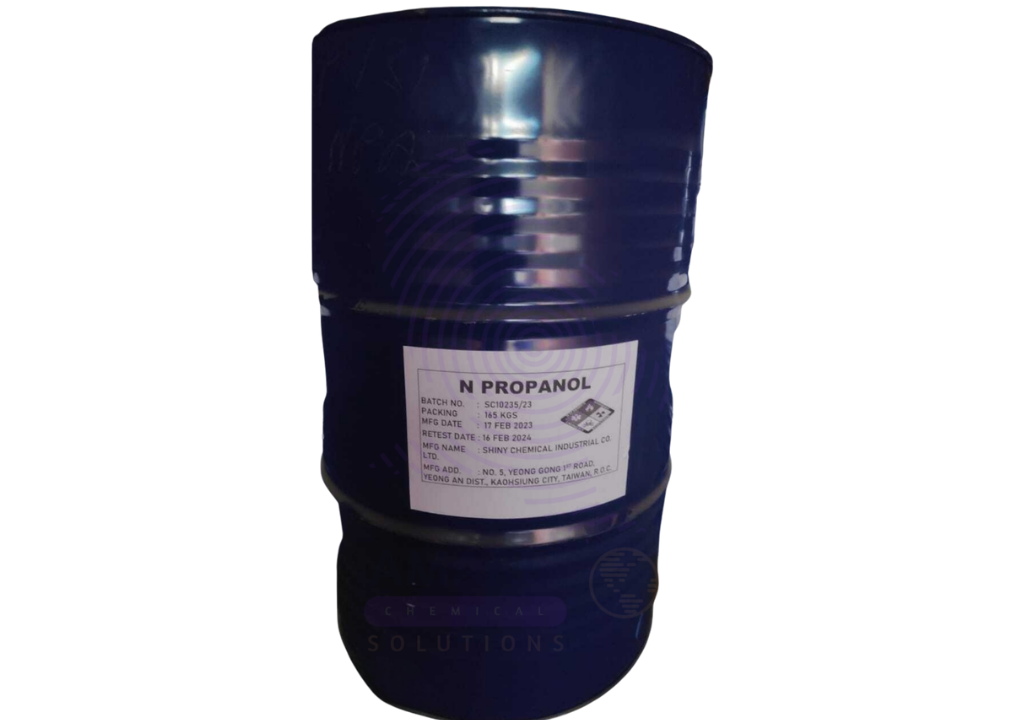




N-Propanol
N-Propanol, also known as n-Propyl Alcohol or 1-Propanol, is a clear, colorless, low-viscosity liquid with a characteristic mild alcohol-like odor. It is a primary alcohol with the molecular formula C₃H₈O, fully miscible with water and common organic solvents such as alcohols, ketones, ethers, glycols, and hydrocarbons. This high-purity, semi-volatile, polar solvent serves as both a versatile solvent and a chemical intermediate across multiple industrial sectors. N-Propanol has a flash point of 15–23°C and is classified as a highly flammable liquid. Technical grade N-Propanol is manufactured for industrial applications and is not intended for direct human consumption unless specifically certified as USP or Food Grade.
N-Propanol
Primary Uses
1. Printing Inks and Graphic Arts
-
Solvent in flexographic and gravure printing ink formulations due to its excellent solvency, mild odor profile, and rapid evaporation rate
-
Used in overprint varnishes and coating systems for packaging applications
-
Component in fountain solutions for lithographic printing processes
2. Paints and Coatings
-
Solvent in industrial coatings, wood finishes, and automotive refinish paints where controlled evaporation is required
-
Used in coil coatings, can coatings, and metal decorating applications
-
Coalescing agent in water-based coating formulations
3. Cleaning and Detergent Chemicals
-
Industrial degreasing solvent for removing oils, greases, and fluxes from metal surfaces and electronic components
-
Component in precision cleaning formulations for optics, lenses, and medical devices
-
Used in household and industrial hard surface cleaners
4. Specialty and Fine Chemicals
-
Chemical intermediate in the production of n-propyl acetate, n-propyl amines, and n-propyl halides
-
Feedstock for the synthesis of propyl parabens used as preservatives
-
Solvent in the manufacture of pharmaceuticals, agrochemicals, and dyestuffs
5. Cosmetic and Personal Care Chemicals
-
Solvent in fragrances, hair care products, and skin care formulations where rapid evaporation is desired
-
Used as a viscosity-reducing agent in cosmetic formulations
Secondary Uses
1. Laboratory Chemicals
-
General purpose solvent for chemical synthesis, extraction, and chromatography applications
-
Used as a cleaning solvent for laboratory glassware and equipment
2. Pharmaceutical Chemicals
-
Processing solvent in the manufacture of active pharmaceutical ingredients (APIs) and intermediates
-
Used in tablet coating formulations where rapid drying is required
3. Electronics Industry
-
Cleaning solvent for printed circuit boards and electronic components
-
Used in the formulation of photoresist strippers and developer solutions
4. Adhesives and Sealants
-
Solvent for pressure-sensitive adhesives, contact adhesives, and laminating adhesives
-
Used to adjust viscosity in adhesive formulations
5. Textile Chemicals
-
Scouring and cleaning agent for textile processing
-
Used in dyeing and finishing applications as a solvent carrier
6. Agricultural Chemicals
-
Co-solvent in pesticide and herbicide formulations
-
Used in the synthesis of certain crop protection chemicals
1. Basic Identification Attributes
-
Chemical Name (IUPAC): Propan-1-ol
-
Common/Trade Name: N-Propanol; n-Propyl Alcohol; 1-Propanol; Propyl Alcohol
-
CAS Number: 71-23-8
-
HS Code: 2905.12
-
Molecular Formula: C₃H₈O
-
Molecular Weight: 60.10 g/mol
-
Synonyms:
-
1-Propyl alcohol
-
Ethyl carbinol
-
Optal
-
Osmosol extra
-
2. Physical & Chemical Properties
-
Physical State: Clear liquid
-
Color & Odor: Colorless; characteristic mild alcohol-like odor
-
Boiling Point: 97–98°C
-
Melting Point: -126°C
-
Flash Point: 15–23°C (closed cup)
-
Auto-ignition Temperature: 371°C
-
Density: 0.803–0.805 g/cm³ at 20°C
-
Vapor Pressure: 20 hPa at 20°C
-
Viscosity: 2.26 cP at 20°C
-
Solubility: Miscible with water, ethanol, acetone, diethyl ether, and most organic solvents
-
Evaporation Rate: 0.8 (n-butyl acetate = 1)
-
Surface Tension: 23.8 mN/m at 20°C
-
Refractive Index: 1.384–1.386 at 20°C
-
Purity: ≥ 99.5% (typical technical grade)
3. Safety & Hazard Attributes
-
GHS Classification:
-
H225: Highly flammable liquid and vapor
-
H318: Causes serious eye damage
-
H336: May cause drowsiness or dizziness
-
-
Toxicity: Moderate acute toxicity; LD₅₀ oral rat: 1,870–2,800 mg/kg
-
Irritation: Causes serious eye irritation and may cause respiratory tract irritation
-
Exposure Limits:
-
OSHA PEL: 200 ppm (TWA)
-
ACGIH TLV: 200 ppm (TWA), 250 ppm (STEL)
-
-
Flammability: Highly flammable; vapor may form explosive mixtures with air
4. Storage & Handling Attributes
-
Storage Conditions: Store in tightly closed containers in a cool, dry, well-ventilated area away from heat sources, sparks, and open flames. Ground containers during transfer to prevent static discharge.
-
Container Type: Steel drums, HDPE drums, IBC totes, or bulk storage tanks
-
Shelf Life: 24–36 months when stored under recommended conditions
-
Handling Precautions:
-
Use explosion-proof electrical equipment
-
Ensure adequate ventilation or local exhaust
-
Avoid breathing vapors
-
Avoid contact with eyes and skin
-
Keep away from sources of ignition
-
-
Storage Measures: Store in a dedicated flammable liquids storage area; separate from oxidizing agents
5. Regulatory & Compliance Attributes
-
Regulatory Status:
-
TSCA (USA): Listed
-
DSL (Canada): Listed
-
EINECS/ELINCS (EU): 200-746-9
-
REACH: Registered for industrial use
-
FDA: 21 CFR 175.105, 175.300, 176.180 – approved for food-contact applications
-
-
Labeling Requirements: Must carry GHS flammable and health hazard pictograms
-
Transport Classification:
-
UN Number: 1274
-
Class: 3 (Flammable liquid)
-
Packing Group: II
-
6. Environmental & Health Impact
-
Biodegradability: Readily biodegradable (OECD 301)
-
Ecotoxicity: Low to moderate toxicity to aquatic organisms; LC₅₀ fish: > 100 mg/L
-
Bioaccumulation: Low potential for bioaccumulation (log Kow = 0.25)
-
VOC Status: Volatile organic compound; subject to VOC regulations in many jurisdictions
1. Safety Handling Precautions
-
PPE Required:
-
Eyes: Chemical splash goggles or face shield
-
Skin: Chemical-resistant gloves (nitrile, butyl rubber), chemical-resistant apron
-
Respiratory: Use NIOSH-approved organic vapor respirator if ventilation is inadequate
-
Body: Flame-resistant clothing in handling areas
-
-
Handling Guidelines:
-
Use in well-ventilated areas with explosion-proof equipment
-
Ground all containers during transfer
-
Avoid generation of static electricity
-
Prevent release to environment
-
Do not use near open flames or hot surfaces
-
-
Storage Measures:
-
Store in approved flammable liquids storage cabinets or areas
-
Maintain temperature below 40°C
-
Keep away from strong oxidizing agents (peroxides, chromates, nitric acid)
-
Secondary containment recommended
-
-
Hygiene Practices:
-
Wash hands thoroughly after handling
-
Remove contaminated clothing and launder before reuse
-
Do not eat, drink, or smoke in handling areas
-
2. First Aid Measures
-
Inhalation: Move person to fresh air immediately. If breathing is difficult, administer oxygen. If not breathing, perform artificial respiration. Seek medical attention if symptoms (dizziness, drowsiness, headache) persist.
-
Skin Contact: Remove contaminated clothing immediately. Rinse skin with plenty of water for at least 15 minutes. Wash with soap and water. Seek medical attention if irritation develops.
-
Eye Contact: Immediately rinse eyes with lukewarm, gently flowing water for at least 15 minutes while holding eyelids open. Remove contact lenses if present. Seek immediate medical attention.
-
Ingestion: Rinse mouth thoroughly with water. Do NOT induce vomiting. If vomiting occurs naturally, keep head low to prevent aspiration. Seek immediate medical attention.
3. Firefighting Measures
-
Fire Hazards: Highly flammable liquid and vapor. Vapor may travel to distant ignition sources and flash back. Vapors are heavier than air and may accumulate in low areas.
-
Flash Point: 15–23°C
-
Auto-ignition Temperature: 371°C
-
Flammable Limits: Lower: 2.1%; Upper: 13.5%
-
Extinguishing Media: Alcohol-resistant foam, dry chemical, carbon dioxide, water spray or fog
-
Special Firefighting Procedures:
-
Wear full protective clothing and self-contained breathing apparatus (SCBA)
-
Use water spray to cool exposed containers and disperse vapors
-
Fight fire from protected location or maximum distance
-
Contain firefighting runoff to prevent environmental contamination
-
-
Hazardous Combustion Products: Carbon monoxide, carbon dioxide, acrid smoke
Related products
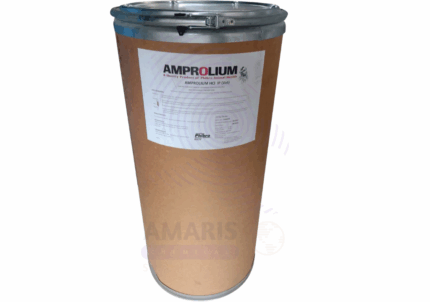
Amprolium Hydrochloride
Amprolium Hydrochloride is a white, odorless, crystalline powder used primarily as a coccidiostat, which means it inhibits the growth of Eimeria species (protozoan parasites) responsible for coccidiosis in poultry and other animals. It works by mimicking thiamine (vitamin B1), thereby competitively inhibiting thiamine uptake by the parasite, disrupting its metabolism, and preventing its proliferation. Amprolium HCl is widely used in veterinary medicine, especially in poultry farming, and is often included in feed or drinking water. It complies with BP 2008 and USP 32 pharmacopeial standards.
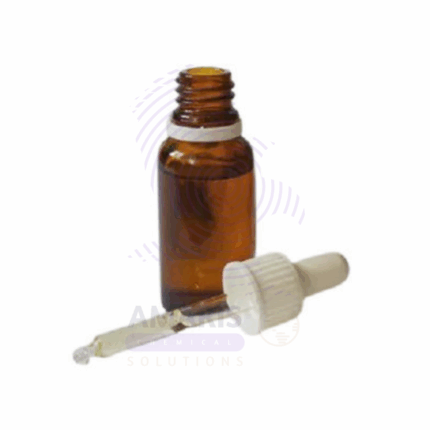
Argan Oil
Argan Oil is a nutrient-rich natural oil derived from the kernels of the Argan tree (Argania spinosa), native to Morocco. Extracted through cold pressing, it is golden-yellow in color and has a mildly nutty aroma. Renowned for its high content of essential fatty acids (oleic and linoleic acid), vitamin E (tocopherol), polyphenols, and antioxidants, Argan Oil is widely used in cosmetic, personal care, pharmaceutical, and nutraceutical formulations.
This oil is a potent emollient, moisturizer, and skin rejuvenator, making it highly effective in skincare and hair care products. Argan Oil also offers anti-inflammatory and wound-healing properties and is commonly used in anti-aging formulations. Its light texture and quick absorption make it ideal for both leave-on and rinse-off applications. Additionally, edible-grade Argan Oil is used in culinary preparations, contributing both flavor and nutritional benefits.
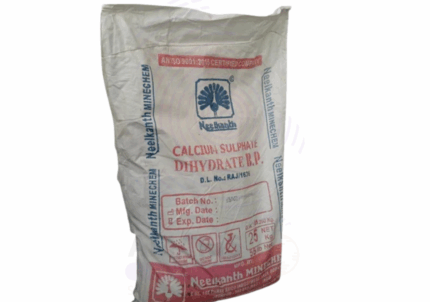
Calcium Sulphate Dihydrate
Calcium Sulphate Dihydrate, commonly known as gypsum, is a naturally occurring mineral widely used in agriculture, construction, and various industrial processes. It appears as a white or slightly translucent crystalline powder with moderate solubility in water. The compound is primarily used as a soil conditioner to improve soil structure and supply calcium and sulfur nutrients essential for plant growth. It also finds applications in the manufacture of plaster, cement, and as a filler in various products.
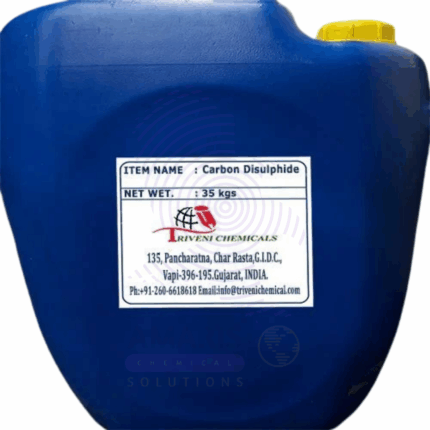
Carbon Disulfide
Carbon Disulfide (CS₂) is a volatile, flammable, and highly toxic organic solvent composed of carbon and sulfur. At 99% purity, it is a clear to pale yellow liquid with a pungent, sweet, ether-like odor. Carbon Disulfide is produced primarily by the reaction of carbon (charcoal) with sulfur vapors at high temperatures. Due to its excellent solvent properties and reactivity, it is used across multiple industries, including the production of rayon, cellophane, rubber chemicals, and pesticides. Despite its utility, Carbon Disulfide requires careful handling because of its toxicity, flammability, and environmental hazards.
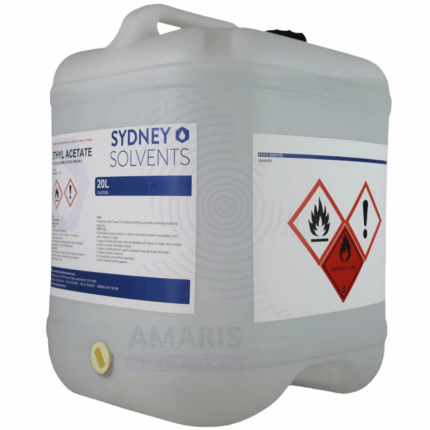
Ethyl Acetate
Ethyl Acetate is a clear, colorless, volatile organic solvent with a characteristic sweet, fruity odor reminiscent of pear drops. It is an ester formed by the condensation of ethanol and acetic acid. Known for its excellent solvency, low toxicity, and rapid evaporation rate, Ethyl Acetate is widely used as a solvent in coatings, adhesives, inks, pharmaceuticals, and chemical synthesis. It is miscible with most organic solvents and partially soluble in water. Ethyl Acetate offers high volatility, making it ideal for quick-drying formulations.
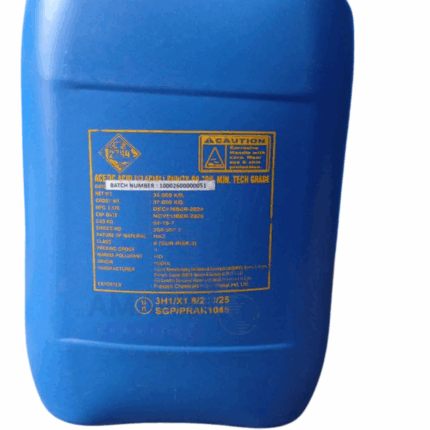
Glacial Acetic Acid Tech grade
Glacial Acetic Acid Tech grade is a clear, colorless liquid with a pungent vinegar-like odor. It is a less refined form of acetic acid primarily used for industrial and technical applications rather than food or pharmaceutical uses. Typically available in concentrations ranging from 80% to glacial (99-100%), it serves as a crucial chemical reagent, solvent, and intermediate in various industrial processes.
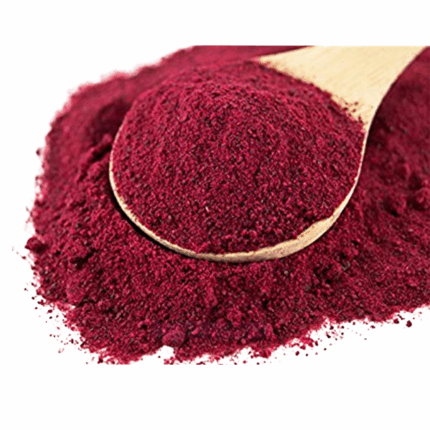
Red Cherry Powder Flavor
Red Cherry Powder Flavor is a high-quality, concentrated flavoring agent designed to impart a natural and vibrant cherry taste to a variety of food and beverage applications. This fine powder is made from carefully selected ingredients to ensure consistent flavor intensity, solubility, and stability. Ideal for use in dry mixes, confectionery, beverages, and baked goods, Red Cherry Powder Flavor provides a convenient and versatile way to enhance taste profiles without altering texture.
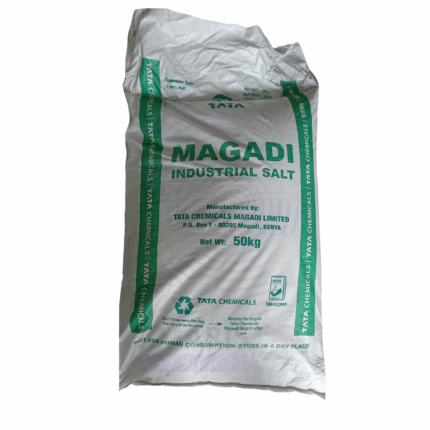
Sodium Chloride (Industrial Salt)
Sodium Chloride (Industrial Salt) is a highly purified, sterile, and non-pyrogenic salt intended for intravenous, intramuscular, and subcutaneous administration. It is commonly used in medical and pharmaceutical settings as a key component of intravenous fluids, for rehydration therapy, electrolyte replenishment, and as a diluent for injectable drugs. This grade meets stringent pharmacopoeial standards (British Pharmacopoeia) ensuring safety and compatibility with parenteral use.












