

 Preservatives(food)
 Flavors
 Acidulants
 Sweeteners
 Antioxidants
 Colorants(food)
 Nutraceutical Ingredients (food)
 Nutrient Supplements
 Emulsifiers
 Collectors
 Dust Suppressants
 Explosives and Blasting Agents
 Flocculants and Coagulants
 Frothers
 Leaching Agents
 pH Modifiers
 Precious Metal Extraction Agents
 Antioxidants(plastic)
 Colorants (Pigments, Dyes)
 Fillers and Reinforcements
 Flame Retardants
 Monomers
 Plasticizers
 Polymerization Initiators
 Stabilizers (UV, Heat)
 Antifoaming Agents
 Chelating Agents
 Coagulants and Flocculants
 Corrosion Inhibitors
 Disinfectants and Biocides
 Oxidizing Agents
 pH Adjusters
 Scale Inhibitors( water)
 Antioxidants(cosmetic)
 Emollients
 Oils
Oils Carrier Oills
 Essential Oils
 Humectants
 Preservatives
 Surfactants(cosmetic)
 Thickeners
 UV Filters
 Fragrance (Cosmetics)
 Fertilizers
 Soil Conditioners
 Plant Growth Regulators
 Animal Feed Additives
 Biostimulants
 Pesticides (Herbicides, Insecticides, Fungicides)
 Active Pharmaceutical Ingredients (APIs)
 Excipients
 Solvents(pharmaceutical)
 Antibiotics
 Antiseptics and Disinfectants
 Vaccine Adjuvants
 Nutraceutical Ingredients (pharmaceutical)
 Analgesics & Antipyretics
 Analytical Reagents
 Solvents(lab)
 Chromatography Chemicals
 Spectroscopy Reagents
 microbiology-and-cell-culture-reagents
 Molecular Biology Reagents
 Biochemical Reagents
 Inorganic and Organic Standards
 Laboratory Safety Chemicals
 Specialty Laboratory Chemicals(Special Laboratory Equipment)
 Demulsifiers
 Hydraulic Fracturing Fluids
 Scale Inhibitors(oil)
 Surfactants(oil)
 Drilling Fluids
 Dyes and Pigments
 Bleaching Agents
 Softening Agents
 Finishing Agents
 Antistatic Agents
 Admixtures
 Waterproofing Agents
 Sealants and Adhesives
 Curing Compounds
 Concrete Repair Chemicals
 Anti-Corrosion Coatings
 Surfactants(cleaning)
 Builders
 Enzymes
 Solvents (Cleaning)
 Electronic Chemicals
 Catalysts
 Lubricants
 Photographic Chemicals
 Refrigerants
 Automotive chemicals
 Pyrotechnic Chemicals
 Biodegradable Surfactants
 Bio-based Solvents
 Renewable Polymers
 Carbon Capture Chemicals
 Wastewater Treatment Chemicals
 Pigments
 Solvents(paint)
 Specialty Coatings
 Binders/Resins
 Additives
 Driers
 Anti-Corrosion Agents
 Functional Coatings
 Application-Specific Coatings
 Leavening Agents
 Dough Conditioners
 Flour Treatments
 Fat Replacers
 Decoratives
 Preservatives(baking)
 Plasticizers & Softeners
 Reinforcing Agents
 Adhesion Promoters
 Vulcanizing Agents
 Antidegradants
 Blowing Agents
 Fillers & Extenders
 Accelerators & Retarders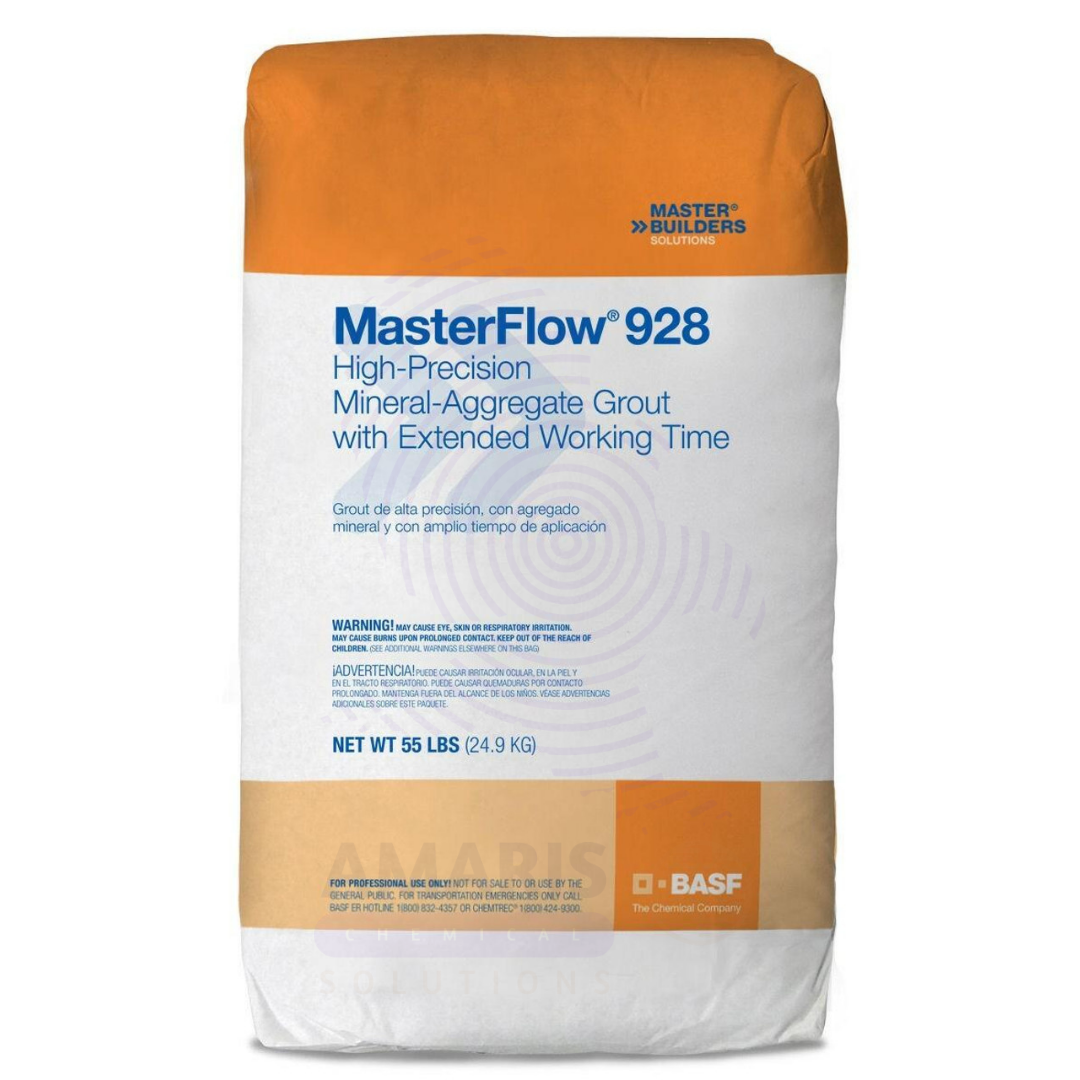

Master Flow
Master Flow is a high-performance concrete plasticizer and superplasticizer designed to improve the workability and flow of concrete mixtures without increasing water content. It enhances concrete slump, making placement and compaction easier, especially in large pours or complex formworks. Master Flow promotes better dispersion of cement particles, leading to improved strength development, reduced bleeding, and increased durability. It is widely used in ready-mix concrete, precast elements, and infrastructure projects to achieve superior surface finish and mechanical properties.
Master Flow
Primary Uses
- Concrete Workability Enhancement
Improves flow and slump of concrete mixtures for easier placement and compaction. - Water Reduction
Allows reduction in water content while maintaining workability, leading to higher strength and durability. - High-Performance Concrete
Used in producing high-strength and high-performance concrete for structural and architectural applications.
Secondary Uses
- Self-Leveling Concrete
Facilitates the production of self-leveling or self-compacting concrete mixes. - Precast and Ready-Mix Concrete
Enhances consistency and quality in precast and ready-mix concrete manufacturing. - Shotcrete
Improves pumpability and adhesion in sprayed concrete applications.
1. Basic Identification Attributes
- Chemical Name (IUPAC): Polycarboxylate ether-based superplasticizer (or specific polymeric compound depending on grade)
- Common/Trade Name: Master Flow
- CAS Number: Not applicable (commercial mixture)
- HS Code: 3824.90.00 (Other chemical products and preparations)
- Synonyms: Concrete superplasticizer; concrete plasticizer; polycarboxylate ether (PCE) admixture
2. Physical & Chemical Properties
- Physical State: Liquid
- Color & Odor: Light amber to brown; mild characteristic odor
- pH: Approximately 4–7 (depending on formulation)
- Solubility: Miscible with water
- Density: Approx. 1.05–1.15 g/cm³
- Stability: Stable under recommended storage conditions
3. Safety & Hazard Attributes
- GHS Classification: Not classified as hazardous under normal use
- Toxicity: Low toxicity; avoid prolonged skin contact
- Exposure Limits: No specific occupational limits; use standard industrial hygiene practices
4. Storage & Handling Attributes
- Storage Conditions: Store in cool, dry place away from direct sunlight and freezing temperatures
- Container Type: Supplied in sealed plastic drums or containers
- Shelf Life: Typically 6 to 12 months if stored properly
- Handling Precautions: Use gloves and eye protection; avoid inhalation and prolonged skin contact
5. Regulatory & Compliance Attributes
- Complies with relevant construction chemical regulations and standards
- Free from heavy metals and environmentally harmful substances
6. Environmental & Health Impact
- Biodegradability: Biodegradable under aerobic conditions
- Ecotoxicity: Low aquatic toxicity at recommended dosages
- Bioaccumulation: Not significant
- Carcinogenicity/Mutagenicity: Not classified as hazardous
Safety Handling Precautions
- PPE Required: Gloves, safety goggles recommended during handling
- Handling Guidelines: Use in well-ventilated areas; avoid skin and eye contact
- Storage Measures: Keep container tightly closed; avoid freezing and heat exposure
First Aid Measures
- Inhalation: Move to fresh air if irritation occurs
- Skin Contact: Wash thoroughly with soap and water
- Eye Contact: Rinse immediately with plenty of water; seek medical attention if irritation persists
- Ingestion: Rinse mouth; seek medical advice if discomfort occurs
Firefighting Measures
- Fire Hazards: Non-flammable liquid; use caution around electrical equipment
- Extinguishing Media: Use water spray, foam, or dry chemical extinguishers if surrounding materials catch fire
- Special Precautions: Wear protective equipment and self-contained breathing apparatus if necessary
- Hazardous Combustion Products: May emit carbon oxides and other toxic fumes on decomposition
Related products
Calcium Formate
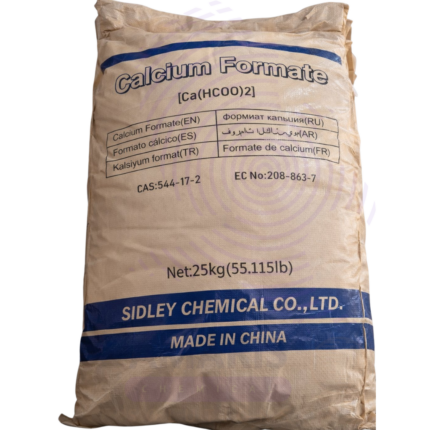
Calcium Formate is the calcium salt of formic acid, appearing as a white, free-flowing crystalline powder or granules. It is an odorless compound with a slightly bitter taste and is non-toxic. The chemical formula is Ca(HCOO)₂ with a molecular weight of 130.0 g/mol. Calcium Formate is slightly hygroscopic and readily soluble in water, with solubility of approximately 16.1 g/100 mL at 20°C. Its water solution is neutral with a pH of 6.0 to 8.0. The compound is stable under normal storage conditions and has a decomposition temperature exceeding 400°C. Technical grade Calcium Formate is manufactured for industrial applications including construction, animal feed, leather processing, and water treatment.
Calcium Nitrite
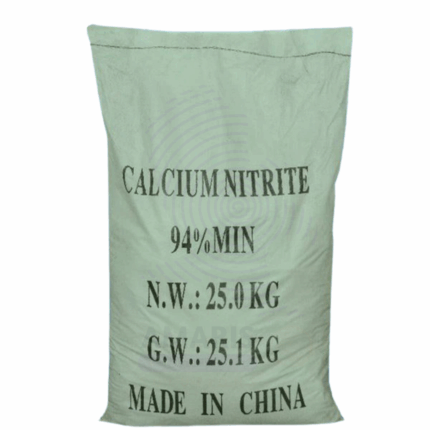
Calcium Nitrite is an inorganic compound commonly supplied as a white crystalline powder or granules. It serves primarily as a corrosion inhibitor in reinforced concrete structures, protecting steel reinforcement from rust and prolonging structural lifespan. Calcium nitrite is also used in various industrial processes as an oxidizing agent and preservative. Due to its high solubility in water and strong oxidizing properties, it effectively prevents chloride-induced corrosion and improves concrete durability.
Calcium stearate
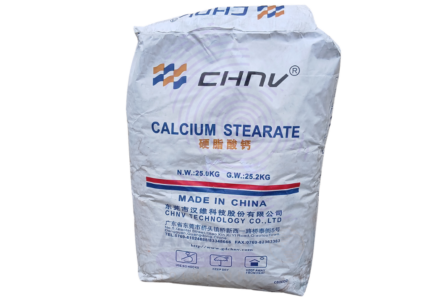
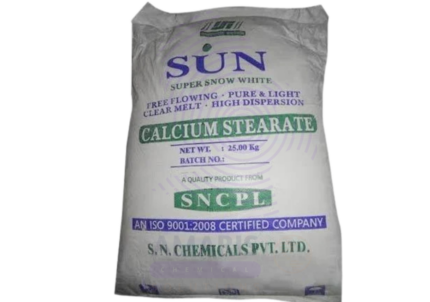
Calcium Stearate is a metallic stearate salt, appearing as a fine, white, hydrophobic powder. It is produced through the reaction of stearic acid (a fatty acid derived from natural oils and fats) with calcium oxide or calcium hydroxide. It functions primarily as an acid scavenger, lubricant, release agent, and stabilizer across multiple industrial sectors. Its unique combination of water repellency, low solubility, and high melting point makes it an essential processing additive in plastics, rubber, construction, and paper industries. Technical grade Calcium Stearate is manufactured for industrial performance applications and is not intended for direct food, pharmaceutical, or cosmetic use unless specifically certified and labeled for those applications.
Cellozize Tylose
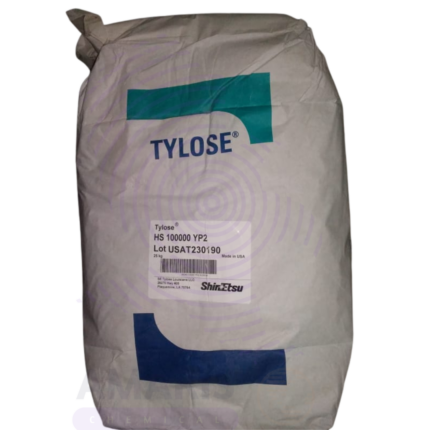
Cellozize Tylose, commonly known by the trade name Tylose, is a brand of hydroxyethyl cellulose (HEC), a non-ionic, water-soluble cellulose ether derived from natural cellulose. It appears as a white to off-white powder with excellent thickening, binding, and film-forming properties. Tylose is widely used as a rheology modifier, stabilizer, and thickener in various industries including construction, pharmaceuticals, cosmetics, and food. It provides viscosity control, improves texture, and enhances water retention in formulations. Due to its inert, non-toxic, and biodegradable nature, Tylose is favored as a versatile polymer in many applications.
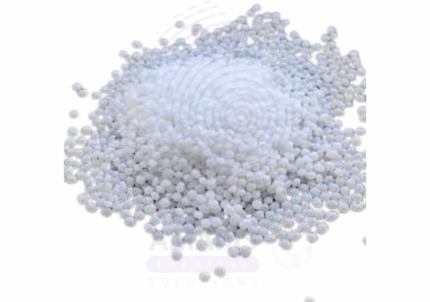
Fluiden
Fluiden is a specialized high-performance fluid additive commonly used to improve lubrication, reduce friction, and enhance the flow properties of various industrial fluids such as oils, coolants, and hydraulic fluids. It is typically a synthetic or semi-synthetic blend of surfactants, polymers, and corrosion inhibitors designed to optimize fluid stability, performance, and equipment protection. Fluiden products are utilized extensively in automotive, manufacturing, metalworking, and chemical processing industries to prolong machinery life, increase efficiency, and reduce maintenance costs. It appears as a clear to slightly colored liquid with low viscosity and excellent miscibility in water and oils depending on formulation.
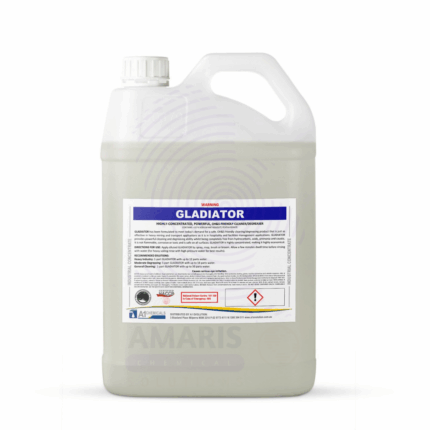
Gladiator
Gladiator is a high-performance structural adhesive based on methyl methacrylate (MMA) chemistry. Designed as a two-part reactive acrylic system, it offers exceptional bonding strength for demanding industrial and structural applications. With a shear strength exceeding 3,000 psi, Gladiator is particularly effective for bonding metals, plastics, and composite materials. It cures at room temperature and offers excellent resistance to mechanical stress, impact, vibration, and thermal cycling. Widely used in construction, automotive, marine, and maintenance applications, it features rapid setting, gap-filling capacity, and superior durability—even under harsh conditions.

Master Air
Master Air is a high-performance air release agent used primarily in concrete and construction applications. It facilitates the release of entrapped air bubbles from fresh concrete mixtures, improving workability, surface finish, and durability. This additive enhances the homogeneity of concrete by reducing air voids that can weaken the structure. Master Air is suitable for use in ready-mix concrete, precast elements, and other cementitious materials, contributing to improved mechanical properties and longevity of the final product.
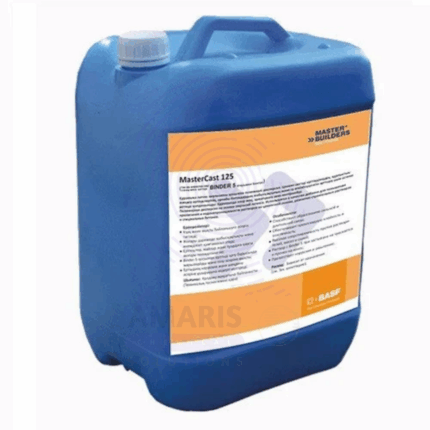
Master Cast
Master Cast is a high-quality gypsum-based casting material designed for producing precise and durable molds, prototypes, and decorative castings. It offers excellent flowability, rapid setting time, and high strength after curing. Master Cast is widely used in ceramics, sculpture, dentistry, and industrial mold-making applications where fine detail reproduction and surface smoothness are critical.












