

 Preservatives(food)
 Flavors
 Acidulants
 Sweeteners
 Antioxidants
 Colorants(food)
 Nutraceutical Ingredients (food)
 Nutrient Supplements
 Emulsifiers
 Collectors
 Dust Suppressants
 Explosives and Blasting Agents
 Flocculants and Coagulants
 Frothers
 Leaching Agents
 pH Modifiers
 Precious Metal Extraction Agents
 Antioxidants(plastic)
 Colorants (Pigments, Dyes)
 Fillers and Reinforcements
 Flame Retardants
 Monomers
 Plasticizers
 Polymerization Initiators
 Stabilizers (UV, Heat)
 Antifoaming Agents
 Chelating Agents
 Coagulants and Flocculants
 Corrosion Inhibitors
 Disinfectants and Biocides
 Oxidizing Agents
 pH Adjusters
 Scale Inhibitors( water)
 Antioxidants(cosmetic)
 Emollients
 Oils
Oils Carrier Oills
 Essential Oils
 Humectants
 Preservatives
 Surfactants(cosmetic)
 Thickeners
 UV Filters
 Fragrance (Cosmetics)
 Fertilizers
 Soil Conditioners
 Plant Growth Regulators
 Animal Feed Additives
 Biostimulants
 Pesticides (Herbicides, Insecticides, Fungicides)
 Active Pharmaceutical Ingredients (APIs)
 Excipients
 Solvents(pharmaceutical)
 Antibiotics
 Antiseptics and Disinfectants
 Vaccine Adjuvants
 Nutraceutical Ingredients (pharmaceutical)
 Analgesics & Antipyretics
 Analytical Reagents
 Solvents(lab)
 Chromatography Chemicals
 Spectroscopy Reagents
 microbiology-and-cell-culture-reagents
 Molecular Biology Reagents
 Biochemical Reagents
 Inorganic and Organic Standards
 Laboratory Safety Chemicals
 Specialty Laboratory Chemicals(Special Laboratory Equipment)
 Demulsifiers
 Hydraulic Fracturing Fluids
 Scale Inhibitors(oil)
 Surfactants(oil)
 Drilling Fluids
 Dyes and Pigments
 Bleaching Agents
 Softening Agents
 Finishing Agents
 Antistatic Agents
 Admixtures
 Waterproofing Agents
 Sealants and Adhesives
 Curing Compounds
 Concrete Repair Chemicals
 Anti-Corrosion Coatings
 Surfactants(cleaning)
 Builders
 Enzymes
 Solvents (Cleaning)
 Electronic Chemicals
 Catalysts
 Lubricants
 Photographic Chemicals
 Refrigerants
 Automotive chemicals
 Pyrotechnic Chemicals
 Biodegradable Surfactants
 Bio-based Solvents
 Renewable Polymers
 Carbon Capture Chemicals
 Wastewater Treatment Chemicals
 Pigments
 Solvents(paint)
 Specialty Coatings
 Binders/Resins
 Additives
 Driers
 Anti-Corrosion Agents
 Functional Coatings
 Application-Specific Coatings
 Leavening Agents
 Dough Conditioners
 Flour Treatments
 Fat Replacers
 Decoratives
 Preservatives(baking)
 Plasticizers & Softeners
 Reinforcing Agents
 Adhesion Promoters
 Vulcanizing Agents
 Antidegradants
 Blowing Agents
 Fillers & Extenders
 Accelerators & Retarders



Choline Chloride Powder
Choline Chloride Powder is a white to off-white crystalline powder containing 60% choline chloride, a quaternary ammonium salt essential as a nutrient in animal and poultry feed. It serves as a vital source of choline, an important component in fat metabolism, liver function, and cell membrane integrity. Produced through chemical synthesis, this powder form is highly soluble in water, making it easy to incorporate into feed premixes and supplements. Choline chloride is widely used in the agriculture industry to prevent choline deficiency, enhance growth performance, and improve overall health in livestock. Beyond animal nutrition, it finds applications in chemical manufacturing and pharmaceuticals.
Choline Chloride Powder
Primary Uses
- Animal Nutrition & Feed Industry
- Used as a nutritional supplement in poultry, swine, cattle, and aquaculture feeds to prevent choline deficiency.
- Enhances growth rate, feed efficiency, and production performance in livestock.
- Supports liver health by preventing fatty liver syndrome and improves fat metabolism.
- Improves reproduction, egg production, and overall vitality in poultry and other farm animals.
- Included in vitamin and mineral premixes for balanced animal diets.
- Pharmaceuticals & Nutraceuticals
- Raw material for synthesis of lecithin and other choline-containing compounds used in dietary supplements.
- Used in formulations targeting liver health, neurological function, and cardiovascular support.
- Chemical Industry
- Utilized as an intermediate in the manufacture of surfactants, emulsifiers, and corrosion inhibitors.
- Acts as a catalyst or stabilizer in certain chemical reactions.
Secondary Uses
- Human Food Industry
- Occasionally used as a food additive and nutrient fortifier in specialized dietary products and infant formulas (subject to regulatory approvals).
- Cosmetics & Personal Care
- Incorporated in formulations requiring moisturizing and cell membrane-supportive ingredients.
- Biotechnology
- Used as a nutrient source in cell culture media and fermentation processes.
1. Basic Identification Attributes
- Chemical Name (IUPAC): 2-Hydroxy-N,N,N-trimethylethanaminium chloride
- Common/Trade Name: Choline Chloride 60% Powder
- CAS Number: 67-48-1
- HS Code: 2923.29.00
- Molecular Formula: C5H14ClNO (for pure choline chloride)
- Synonyms:
- Choline chloride
- Vitamin B4 (historical)
- 2-Hydroxyethyltrimethylammonium chloride
2. Physical & Chemical Properties
- Physical State: Fine crystalline powder
- Color & Odor: White to off-white; odorless or slight ammoniacal odor
- Melting Point: ~302°C (decomposes)
- Boiling Point: Not applicable (decomposes before boiling)
- Density: ~1.2 g/cm³
- Solubility:
- Highly soluble in water (over 70 g/100 mL at 20°C)
- Slightly soluble in alcohol
- Stability: Stable under normal storage; hygroscopic (absorbs moisture from air)
3. Safety & Hazard Attributes
- Hazard Class (GHS): Generally considered low hazard; may cause irritation on dust exposure
- NFPA Ratings: Health 1, Flammability 1, Reactivity 0
- Exposure Limits: No established occupational exposure limits; avoid inhalation of dust
- Toxicity: Low toxicity; safe within recommended usage levels in feed and pharmaceuticals
- Reactivity: Stable; avoid moisture to prevent caking
4. Storage & Handling Attributes
- Storage Conditions: Store in a cool, dry, well-ventilated place, protected from moisture and contaminants
- Container Type: Moisture-proof bags or drums lined with polyethylene
- Shelf Life: Typically 2–3 years if stored properly
- Special Handling: Use dust masks and gloves when handling powder; avoid inhalation and contact with eyes
5. Regulatory & Compliance Attributes
- Approved as a feed additive by FDA, EFSA, and other global regulatory bodies
- Complies with feed and pharmaceutical grade standards
- REACH registered
- Transportation: Not classified as hazardous for transport
- Waste Disposal: Dispose according to local regulations; non-hazardous waste
6. Environmental & Health Impact
- Ecotoxicity: Low environmental toxicity; biodegradable
- Persistence: Degrades naturally without bioaccumulation
- Bioaccumulation: Not expected
- Carcinogenicity/Mutagenicity: Not classified as carcinogenic or mutagenic
- Biodegradability: Readily biodegradable
Safety Handling Precautions
- PPE: Wear dust masks, safety goggles, and gloves when handling powder
- Handling: Avoid inhalation of dust; use in well-ventilated areas
- Storage: Keep containers tightly sealed and dry
- Hygiene: Wash hands thoroughly after use; avoid eating, drinking, or smoking during handling
First Aid Measures
- Inhalation: Move to fresh air; if breathing difficulties occur, seek medical attention
- Skin Contact: Wash skin with soap and water; seek medical advice if irritation develops
- Eye Contact: Rinse eyes with plenty of water for 15 minutes; consult a physician if irritation persists
- Ingestion: Low toxicity; rinse mouth and seek medical advice if large quantities ingested
Firefighting Measures
- Fire Hazards: Not highly flammable; may emit toxic fumes on decomposition
- Extinguishing Media: Use water spray, foam, dry chemical, or carbon dioxide extinguishers
- Special Precautions: Firefighters should wear protective gear and respiratory protection
- Decomposition Products: May produce hydrogen chloride, nitrogen oxides, and carbon oxides upon burning
Related products
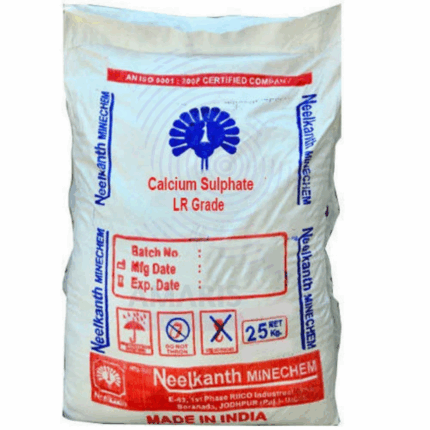
Calcium Sulphate
Calcium Sulphate is an inorganic compound composed of calcium, sulfur, and oxygen, commonly found in two forms: dihydrate (gypsum, CaSO4·2H2O) and anhydrous (CaSO4). It appears as a white or off-white crystalline powder or granules with low solubility in water. Calcium Sulphate is widely used in construction, agriculture, pharmaceuticals, food industry, and various industrial applications. It acts as a filler, hardening agent, and drying agent due to its physical and chemical properties. The dihydrate form (gypsum) is notable for use in plaster and cement, while the anhydrous form is often used as a drying agent and in refractory materials.
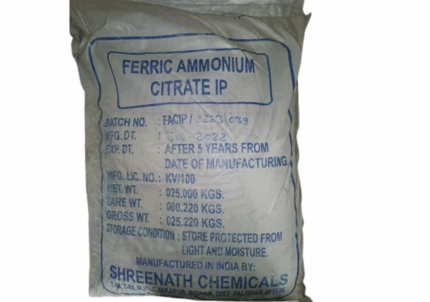
Ferric Ammonium Citrate
Ferric Ammonium Citrate is a dark green to black crystalline or granular inorganic compound composed of iron, ammonium ions, and citrate ions. It is a complex salt of citric acid with ferric iron (Fe³⁺) and ammonium. This compound is highly soluble in water, forming a greenish solution, and is widely utilized as a source of iron in various chemical, pharmaceutical, photographic, and food applications. It acts as a mild oxidizing agent and an iron supplement, valued for its bioavailability and ease of incorporation into formulations. Ferric Ammonium Citrate is typically available in different formulations distinguished by their water and ammonium content, such as green and brown types.
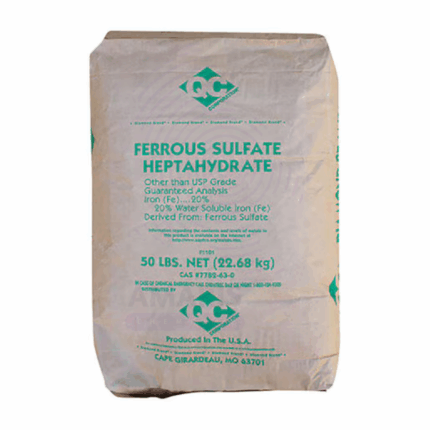
Ferrous Sulphate Heptahydrate
Ferrous Sulphate Heptahydrate, also known as iron(II) sulfate heptahydrate, is a pale green crystalline solid containing seven molecules of water of crystallization (FeSO₄·7H₂O). It is a widely used inorganic iron compound characterized by its high iron content (approximately 20% Fe) and good solubility in water. This hydrated salt is commonly used in agriculture, pharmaceuticals, water treatment, and various industrial processes. The heptahydrate form is preferred for many applications due to its stability, ease of handling, and cost-effectiveness.
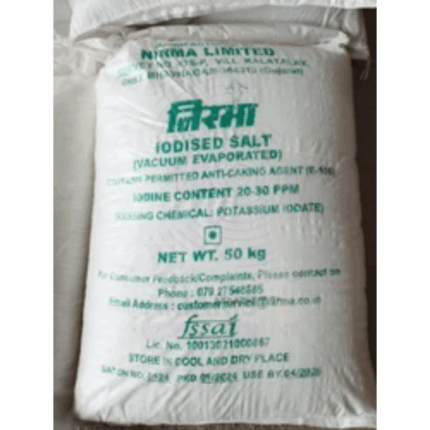
Iodised Salt
Iodised Salt is table salt (sodium chloride) fortified with a small, controlled amount of iodine, typically in the form of potassium iodate or potassium iodide. It appears as fine white crystalline granules, odorless, and with a characteristic salty taste. The addition of iodine helps prevent iodine deficiency disorders (IDD) such as goiter, mental impairment, and developmental abnormalities. Iodised Salt is widely used in households, food processing, and animal nutrition to ensure adequate dietary iodine intake.
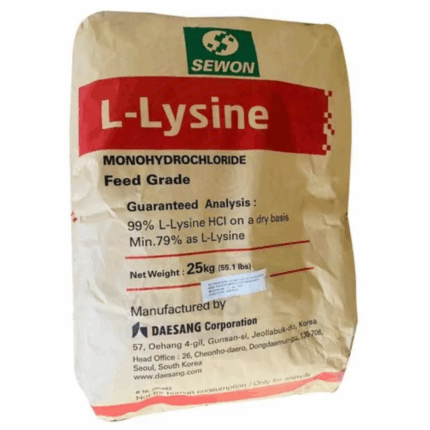
L-Lysine HCL Feed Grade
L-Lysine HCL Feed Grade is a highly pure form of the essential amino acid lysine combined with hydrochloric acid to improve its stability and solubility. It appears as a white crystalline powder and is widely used as a dietary supplement in animal feed to enhance growth, improve feed efficiency, and balance amino acid profiles. L-Lysine HCL is critical in poultry, swine, and aquaculture nutrition, helping to meet animals’ lysine requirements for protein synthesis and overall health.

Magnesium Oxide
Magnesium Oxide (MgO) is a white, odorless, alkaline earth metal oxide powder. It is produced by calcining magnesium carbonate or hydroxide at high temperatures, resulting in a fine, white powder with a high melting point. Magnesium Oxide is widely used for its refractory properties, chemical stability, and ability to neutralize acids. It serves important roles in pharmaceuticals, agriculture, environmental applications, and various industrial processes.

Tylosin Tartrate
Tylosin Tartrate is a water-soluble macrolide antibiotic derived from Streptomyces fradiae, primarily used in veterinary medicine. It is the tartrate salt form of tylosin, enhancing its solubility and making it ideal for administration via drinking water or injectable solutions. Tylosin Tartrate is active against a wide range of Gram-positive bacteria and some Gram-negative organisms, as well as Mycoplasma spp. It is particularly effective for treating respiratory, gastrointestinal, and reproductive infections in livestock and poultry.
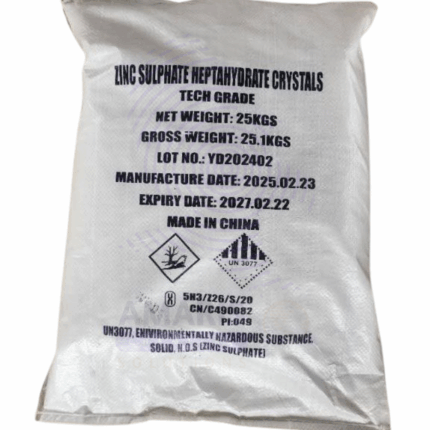
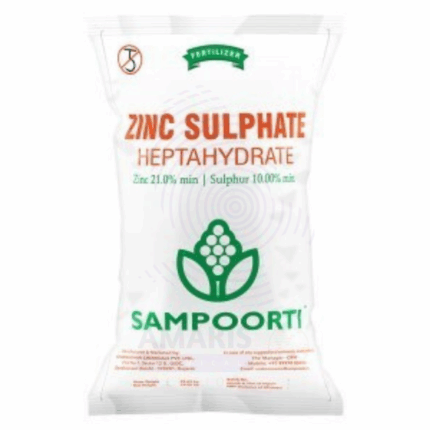
Zinc Sulphate Heptahydrate
Zinc Sulphate Heptahydrate (ZnSO₄·7H₂O) is a white, crystalline, water-soluble compound commonly used as a dietary supplement to treat zinc deficiency. It serves as a key ingredient in fertilizers, animal feeds, and industrial applications like water treatment and dyeing. The heptahydrate form contains seven water molecules, making it highly soluble and effective for various agricultural, medical, and chemical uses.












