

 Preservatives(food)
 Flavors
 Acidulants
 Sweeteners
 Antioxidants
 Colorants(food)
 Nutraceutical Ingredients (food)
 Nutrient Supplements
 Emulsifiers
 Collectors
 Dust Suppressants
 Explosives and Blasting Agents
 Flocculants and Coagulants
 Frothers
 Leaching Agents
 pH Modifiers
 Precious Metal Extraction Agents
 Antioxidants(plastic)
 Colorants (Pigments, Dyes)
 Fillers and Reinforcements
 Flame Retardants
 Monomers
 Plasticizers
 Polymerization Initiators
 Stabilizers (UV, Heat)
 Antifoaming Agents
 Chelating Agents
 Coagulants and Flocculants
 Corrosion Inhibitors
 Disinfectants and Biocides
 Oxidizing Agents
 pH Adjusters
 Scale Inhibitors( water)
 Antioxidants(cosmetic)
 Emollients
 Oils
Oils Carrier Oills
 Essential Oils
 Humectants
 Preservatives
 Surfactants(cosmetic)
 Thickeners
 UV Filters
 Fragrance (Cosmetics)
 Fertilizers
 Soil Conditioners
 Plant Growth Regulators
 Animal Feed Additives
 Biostimulants
 Pesticides (Herbicides, Insecticides, Fungicides)
 Active Pharmaceutical Ingredients (APIs)
 Excipients
 Solvents(pharmaceutical)
 Antibiotics
 Antiseptics and Disinfectants
 Vaccine Adjuvants
 Nutraceutical Ingredients (pharmaceutical)
 Analgesics & Antipyretics
 Analytical Reagents
 Solvents(lab)
 Chromatography Chemicals
 Spectroscopy Reagents
 microbiology-and-cell-culture-reagents
 Molecular Biology Reagents
 Biochemical Reagents
 Inorganic and Organic Standards
 Laboratory Safety Chemicals
 Specialty Laboratory Chemicals(Special Laboratory Equipment)
 Demulsifiers
 Hydraulic Fracturing Fluids
 Scale Inhibitors(oil)
 Surfactants(oil)
 Drilling Fluids
 Dyes and Pigments
 Bleaching Agents
 Softening Agents
 Finishing Agents
 Antistatic Agents
 Admixtures
 Waterproofing Agents
 Sealants and Adhesives
 Curing Compounds
 Concrete Repair Chemicals
 Anti-Corrosion Coatings
 Surfactants(cleaning)
 Builders
 Enzymes
 Solvents (Cleaning)
 Electronic Chemicals
 Catalysts
 Lubricants
 Photographic Chemicals
 Refrigerants
 Automotive chemicals
 Pyrotechnic Chemicals
 Biodegradable Surfactants
 Bio-based Solvents
 Renewable Polymers
 Carbon Capture Chemicals
 Wastewater Treatment Chemicals
 Pigments
 Solvents(paint)
 Specialty Coatings
 Binders/Resins
 Additives
 Driers
 Anti-Corrosion Agents
 Functional Coatings
 Application-Specific Coatings
 Leavening Agents
 Dough Conditioners
 Flour Treatments
 Fat Replacers
 Decoratives
 Preservatives(baking)
 Plasticizers & Softeners
 Reinforcing Agents
 Adhesion Promoters
 Vulcanizing Agents
 Antidegradants
 Blowing Agents
 Fillers & Extenders
 Accelerators & Retarders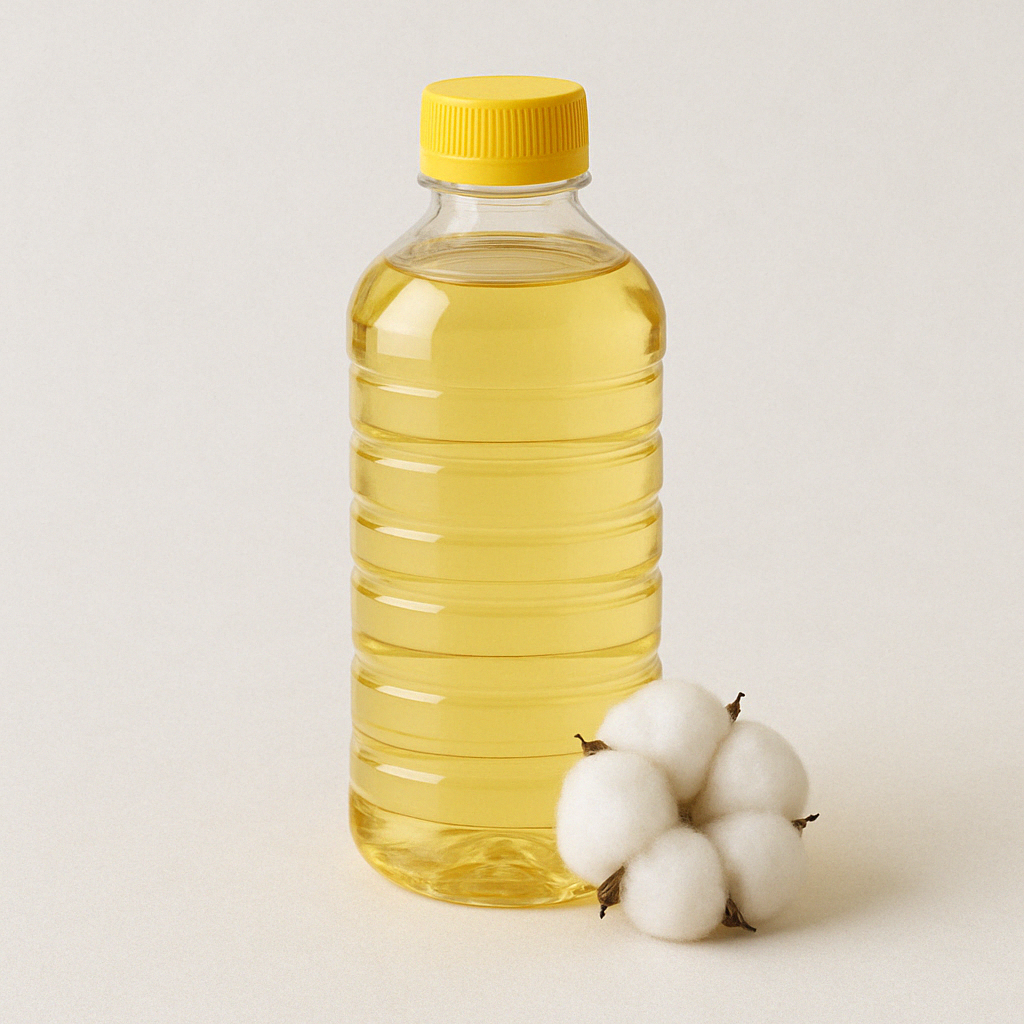
Cotton Seed Oil
Cotton Seed Oil is a light, odorless, vegetable oil extracted from the seeds of the cotton plant (Gossypium hirsutum and Gossypium herbaceum) through solvent extraction and refining processes. It is pale yellow with a neutral flavor, making it ideal for culinary, cosmetic, and industrial applications. Rich in polyunsaturated fatty acids, tocopherols, and antioxidants, Cotton Seed Oil is valued for its stability and high smoke point in cooking, as well as its emollient and conditioning properties in skin and hair care products.
In cosmetic formulations, it helps soften, nourish, and protect skin and hair, while in food production, it is used in frying oils, dressings, and snacks. Industrially, it finds applications in biodiesel production and soap manufacturing.
Cotton Seed Oil
Primary Uses
- Food and Beverage Industry
- Used as a cooking and frying oil due to its high smoke point and stability.
- Included in salad dressings, marinades, and mayonnaise for a light, neutral base.
- Common in snack food manufacturing, such as chips and crackers.
- Used in commercial baking for its non-dominant taste and shelf-stability.
- Blended with other vegetable oils in processed food products.
- Cosmetics and Personal Care
- Used as an emollient in lotions, creams, and moisturizers to soften and hydrate skin.
- Included in hair conditioners and treatments to restore shine and moisture.
- Used in lip balms and body oils for its lightweight texture and nourishing effect.
- Blended into soaps and bath oils for skin-conditioning and cleansing.
- Added to facial masks for its antioxidant and skin-replenishing benefits.
- Pharmaceuticals
- Used as a carrier oil in topical medicinal and herbal preparations.
- Employed in skin ointments and balms for its soothing and protective effects.
- Occasionally used as a base in massage oils and liniments.
Secondary Uses
- Pet Care Products
- Added to grooming formulations for moisturizing and coat-conditioning benefits.
- Used in paw balms to soothe and protect dry or cracked pads.
- Industrial Applications
- Used in soap production for its lathering and emulsifying properties.
- Applied in biodiesel production as a renewable feedstock.
- Utilized in textile and lubricant formulations as a base oil.
- Craft and DIY Formulations
- Popular in homemade skincare products such as salves and massage oils.
- Used in artisan soapmaking for its balance of cleansing and conditioning.
1. Basic Identification Attributes
- Botanical Name: Gossypium hirsutum, Gossypium herbaceum
- Common/Trade Name: Cotton Seed Oil
- INCI Name: Gossypium Herbaceum (Cotton) Seed Oil
- CAS Number: 8001-29-4
- HS Code: 1512.29
- Synonyms: Cotton Oil, Gossypium Seed Oil
2. Physical & Chemical Properties
- Physical State: Liquid vegetable oil
- Color & Odor: Pale yellow; mild or odorless
- Solubility: Insoluble in water; soluble in oils and alcohol
- Smoke Point: 420°F (216°C)
- Specific Gravity: 0.91–0.93
- Acid Value: < 1.0 mg KOH/g (refined)
- Main Components: Linoleic acid, oleic acid, palmitic acid, tocopherols
3. Safety & Hazard Attributes
- GHS Classification: Not classified as hazardous
- Toxicity: Non-toxic when properly refined and used
- Exposure Limits: None under normal conditions
- Allergen Information: Potential allergen for those sensitive to cotton-derived products
4. Storage & Handling Attributes
- Storage Conditions: Store in a cool, dry, and dark place
- Container Type: Food-grade drums or IBC containers
- Shelf Life: 12–18 months (refined); shorter for crude oil
- Handling Precautions: Avoid exposure to heat, light, and air to reduce oxidation
5. Regulatory & Compliance Attributes
- Approved for food use by FDA and EFSA (when fully refined)
- Compliant with cosmetic regulations (EU, ASEAN, USA)
- GRAS status for food applications
- Produced in GMP-certified facilities
6. Environmental & Health Impact
- Biodegradability: Biodegradable under natural conditions
- Ecotoxicity: Low environmental risk
- Bioaccumulation: Not expected
Safety Handling Precautions
- PPE Required: Gloves recommended during bulk handling
- Handling Guidelines: Keep sealed when not in use; use inert gas blanket if needed for bulk storage
First Aid Measures
- Inhalation: Not typically hazardous; move to fresh air if discomfort occurs
- Skin Contact: Generally safe; wash if irritation develops
- Eye Contact: Rinse with clean water if exposed
- Ingestion: Safe if food-grade; seek help if non-food-grade is ingested
Firefighting Measures
- Fire Hazards: Combustible at high temperatures
- Extinguishing Media: Foam, dry chemical, CO₂
- Special Precautions: Use full protective gear
- Hazardous Combustion Products: Carbon monoxide, carbon dioxide
Related products
Almond Wax
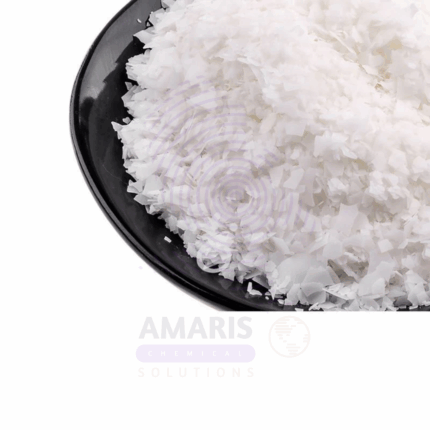
Almond Wax is a natural, plant-based wax derived from the hydrogenation of almond oil (Prunus amygdalus dulcis). It is a creamy to white, semi-solid wax with a mild, nutty scent and excellent emollient properties. Almond Wax is rich in fatty acids and has a smooth, soft texture, making it ideal for use in cosmetic, personal care, and candle formulations.
Due to its gentle consistency, skin-friendly profile, and moisturizing capabilities, Almond Wax is widely used in body butters, balms, lip care products, massage bars, and artisan soaps. It functions as a natural alternative to petroleum-based waxes and provides structure, viscosity, and glide to formulations. It also finds application in soft wax blends for natural candle products.
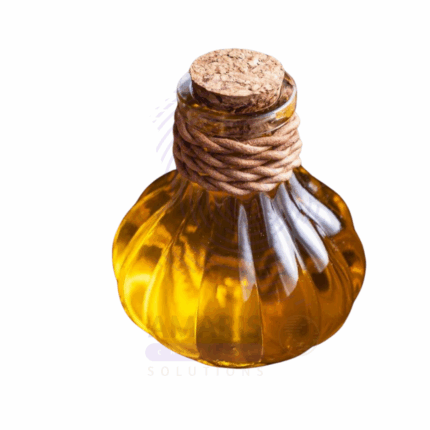
Baobab Oil
Baobab Oil is a luxurious, cold-pressed oil extracted from the seeds of the Adansonia digitata (baobab) tree, native to Africa. Rich in omega fatty acids (especially omega-3, 6, and 9), vitamins A, D, E, and F, and powerful antioxidants, Baobab Oil is prized for its deep moisturizing, skin-rejuvenating, and anti-inflammatory properties. It is a light, non-greasy oil that absorbs quickly into the skin, making it ideal for a wide range of cosmetic and personal care applications.
Baobab Oil is especially suited for dry, sensitive, or mature skin. It supports skin elasticity, improves tone, and helps reduce the appearance of scars and stretch marks. In hair care, it nourishes and protects, leaving hair soft and manageable. Its natural stability and skin compatibility make it a premium ingredient in high-performance formulations.
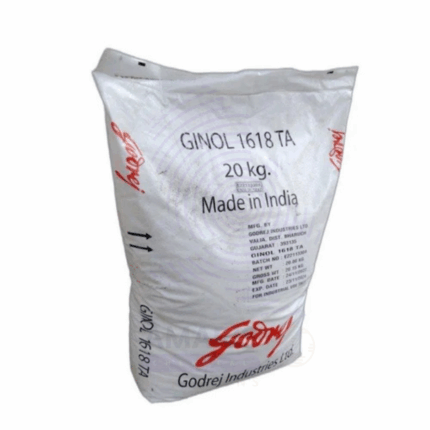
Ceto Stearyl Alcohol
Ceto Stearyl Alcohol 1618TA is a high-quality fatty alcohol blend primarily composed of cetyl (C16) and stearyl (C18) alcohols. It appears as a white, waxy solid or flakes with a mild fatty odor. This blend is widely used as an emollient, thickener, and co-emulsifier in cosmetic, pharmaceutical, and industrial formulations. Ceto Stearyl Alcohol 1618TA offers excellent lubricity, thickening, and stabilizing properties, enhancing the texture, consistency, and moisturizing characteristics of creams, lotions, and hair care products. It serves as a skin conditioning agent and contributes to the structural integrity of emulsions.
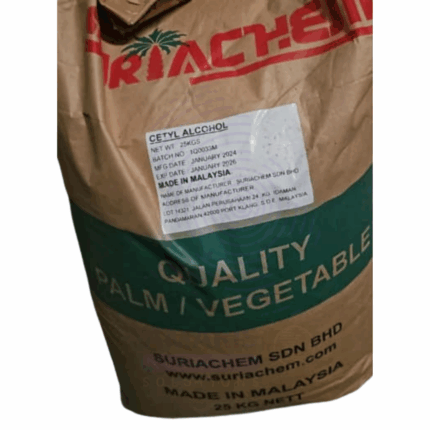
Cetyl Alcohol
Cetyl Alcohol, also known as 1-Hexadecanol or Palmityl Alcohol, is a fatty alcohol derived primarily from natural sources such as palm oil and coconut oil. It appears as a waxy, white to pale yellow solid with a faint fatty odor. Cetyl Alcohol is widely used in cosmetic, pharmaceutical, and industrial formulations due to its emollient, emulsifying, thickening, and stabilizing properties. It helps improve texture, consistency, and moisturizing effects in personal care products. Cetyl Alcohol is compatible with many ingredients, making it a versatile multifunctional ingredient.
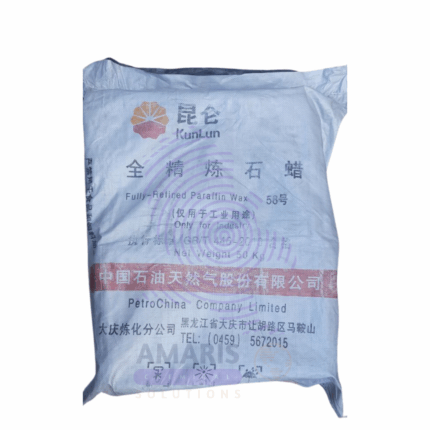
Fully Refined Paraffin Wax
Fully Refined Paraffin Wax is a highly purified, odorless, white to pale yellow wax obtained from the refining of petroleum-derived crude paraffin wax. It consists primarily of saturated hydrocarbons (alkanes) with chain lengths typically between C20 and C40. Due to its excellent chemical stability, non-toxicity, and versatility, Fully Refined Paraffin Wax is widely used across numerous industries including cosmetics, pharmaceuticals, food packaging, candle making, rubber processing, and electrical insulation. It exhibits a high melting point, low volatility, and good water resistance.
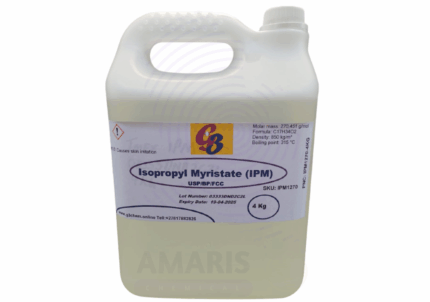
Isopropyl Myristate
Isopropyl Myristate is a clear, colorless, and oily liquid ester formed by the reaction of isopropyl alcohol and myristic acid. It has a mild, pleasant odor and excellent spreading properties. IPM is widely used in cosmetics, pharmaceuticals, and industrial applications as an emollient, solvent, and penetration enhancer due to its ability to improve texture and absorption of topical formulations.
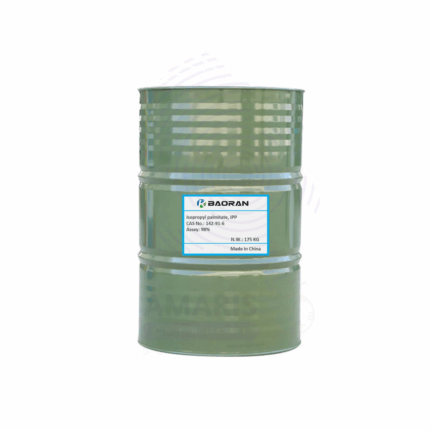
Isopropyl Palmitate
Isopropyl Palmitate IPP is a clear, colorless to pale yellow oily liquid formed by the esterification of isopropyl alcohol and palmitic acid. It has a mild odor and is widely used in cosmetic, pharmaceutical, and industrial formulations as an emollient, lubricant, and solvent. IPP is valued for its excellent skin absorption, non-greasy feel, and ability to improve texture and spreadability of topical products.
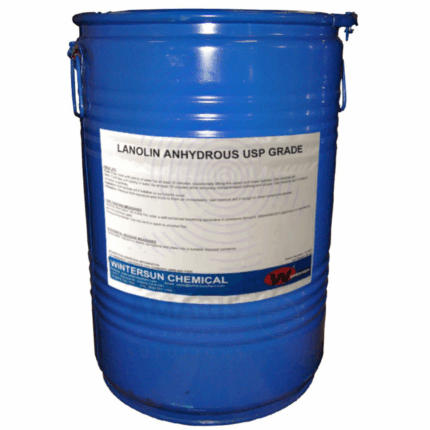
Lanolin Anhydrous
Lanolin Anhydrous is a purified, waxy substance derived from the sebaceous glands of sheep’s wool. It appears as a yellow to amber, semi-solid wax with a characteristic mild odor. Lanolin is highly valued for its excellent emollient, moisturizing, and protective properties, making it widely used in cosmetic, pharmaceutical, and personal care formulations. The anhydrous form is free from water, which enhances its stability and shelf life, and allows it to act as a natural barrier to lock moisture into the skin.












