

 Preservatives(food)
 Flavors
 Acidulants
 Sweeteners
 Antioxidants
 Colorants(food)
 Nutraceutical Ingredients (food)
 Nutrient Supplements
 Emulsifiers
 Collectors
 Dust Suppressants
 Explosives and Blasting Agents
 Flocculants and Coagulants
 Frothers
 Leaching Agents
 pH Modifiers
 Precious Metal Extraction Agents
 Antioxidants(plastic)
 Colorants (Pigments, Dyes)
 Fillers and Reinforcements
 Flame Retardants
 Monomers
 Plasticizers
 Polymerization Initiators
 Stabilizers (UV, Heat)
 Antifoaming Agents
 Chelating Agents
 Coagulants and Flocculants
 Corrosion Inhibitors
 Disinfectants and Biocides
 Oxidizing Agents
 pH Adjusters
 Scale Inhibitors( water)
 Antioxidants(cosmetic)
 Emollients
 Oils
Oils Carrier Oills
 Essential Oils
 Humectants
 Preservatives
 Surfactants(cosmetic)
 Thickeners
 UV Filters
 Fragrance (Cosmetics)
 Fertilizers
 Soil Conditioners
 Plant Growth Regulators
 Animal Feed Additives
 Biostimulants
 Pesticides (Herbicides, Insecticides, Fungicides)
 Active Pharmaceutical Ingredients (APIs)
 Excipients
 Solvents(pharmaceutical)
 Antibiotics
 Antiseptics and Disinfectants
 Vaccine Adjuvants
 Nutraceutical Ingredients (pharmaceutical)
 Analgesics & Antipyretics
 Analytical Reagents
 Solvents(lab)
 Chromatography Chemicals
 Spectroscopy Reagents
 microbiology-and-cell-culture-reagents
 Molecular Biology Reagents
 Biochemical Reagents
 Inorganic and Organic Standards
 Laboratory Safety Chemicals
 Specialty Laboratory Chemicals(Special Laboratory Equipment)
 Demulsifiers
 Hydraulic Fracturing Fluids
 Scale Inhibitors(oil)
 Surfactants(oil)
 Drilling Fluids
 Dyes and Pigments
 Bleaching Agents
 Softening Agents
 Finishing Agents
 Antistatic Agents
 Admixtures
 Waterproofing Agents
 Sealants and Adhesives
 Curing Compounds
 Concrete Repair Chemicals
 Anti-Corrosion Coatings
 Surfactants(cleaning)
 Builders
 Enzymes
 Solvents (Cleaning)
 Electronic Chemicals
 Catalysts
 Lubricants
 Photographic Chemicals
 Refrigerants
 Automotive chemicals
 Pyrotechnic Chemicals
 Biodegradable Surfactants
 Bio-based Solvents
 Renewable Polymers
 Carbon Capture Chemicals
 Wastewater Treatment Chemicals
 Pigments
 Solvents(paint)
 Specialty Coatings
 Binders/Resins
 Additives
 Driers
 Anti-Corrosion Agents
 Functional Coatings
 Application-Specific Coatings
 Leavening Agents
 Dough Conditioners
 Flour Treatments
 Fat Replacers
 Decoratives
 Preservatives(baking)
 Plasticizers & Softeners
 Reinforcing Agents
 Adhesion Promoters
 Vulcanizing Agents
 Antidegradants
 Blowing Agents
 Fillers & Extenders
 Accelerators & Retarders
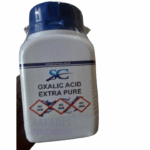


Dynamo Working Model
Original price was: $ 34.98.$ 34.83Current price is: $ 34.83.
Dynamo Working Model is a functional educational device designed to demonstrate the conversion of mechanical energy into electrical energy through electromagnetic induction. It includes components such as a rotating armature, coil windings, and magnets to simulate real-life dynamo operation. This model is widely used in physics and engineering laboratories, schools, and technical institutions for practical understanding of electricity generation and electromechanical energy conversion.
Dynamo Working Model
Primary Uses
- Demonstrating principles of electromagnetic induction in educational physics labs.
- Teaching energy conversion from mechanical to electrical power.
- Supporting experiments in electrical and mechanical engineering courses.
- Providing hands-on training in vocational and technical education.
- Enabling visualization of dynamo operation in renewable energy studies.
Secondary Uses
- Prototype demonstration for small-scale generator design and research.
- Use in workshops for practical lessons in electromechanics.
- Display in science fairs and exhibitions to promote STEM education.
- Reference tool in designing electrical machinery components.
- Supplementary aid in developing energy-efficient technologies.
1.Basic Identification Attributes
- Material: Copper wire coils, permanent magnets, metal shafts, and sturdy plastic or metal housing.
- Components: Armature, coil, magnets, rotating mechanism, base stand.Size: Compact and portable, designed for classroom and laboratory use.
2.Physical & Chemical Properties
- Mechanical parts engineered for durability and repeated use.
- Low-voltage electrical output safe for demonstration purposes.
- Magnetic materials provide consistent electromagnetic fields.
3.Safety & Hazard Attributes
- Low electrical risk due to minimal output voltage.
- Moving parts require caution to avoid finger injuries.
- Small detachable parts could pose choking hazards if mishandled.
4.Storage & Handling Attributes
- Store in dry, clean environments to prevent corrosion and dust accumulation.
- Handle with care to avoid damaging coils and magnetic components.
- Regular inspection for loose or worn parts recommended before use.
5.Regulatory & Compliance Attributes
- Manufactured in compliance with educational equipment safety standards.
- Suitable for use in GMP, GLP, and technical training institutions.
6.Environmental & Health Impact
- Constructed with recyclable materials where possible.
- Supports educational initiatives in sustainable and renewable energy technologies.
- Encourages reduction in carbon footprint through understanding of energy generation.
Safety Handling Precautions
- Operate only under supervision, especially in educational settings.
- Avoid placing fingers near rotating parts during operation.
- Use as per instructions to prevent mechanical or electrical hazards.
First Aid Measures
- For minor cuts or abrasions, clean wounds with antiseptic and cover.
- Seek medical advice for serious injuries or if exposed to magnetic fields unexpectedly.
- In case of electrical shock (unlikely), disconnect immediately and seek emergency help.
Firefighting Measures
- Non-flammable materials; however, electrical components require caution.
- Use CO2 or dry powder extinguishers for electrical fires.
- Avoid water-based extinguishers on electrical equipment.
Related products
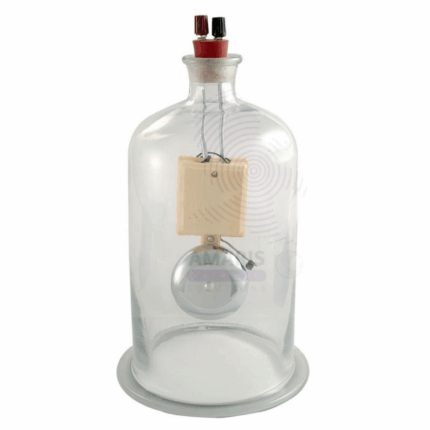
Bell in Vacuum
Bell in Vacuum is a crucial component used in vacuum systems to create an airtight seal and protect sensitive equipment from atmospheric contamination. Typically made of durable, corrosion-resistant materials, it forms part of vacuum chambers or devices requiring controlled environments. The bell ensures the maintenance of vacuum integrity by preventing air ingress, making it essential for experiments and industrial processes that depend on low-pressure or vacuum conditions.
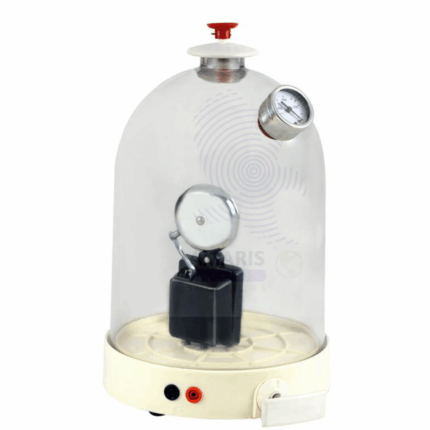
Bell in Vacuum with Air Pump with Plate
Bell in Vacuum with Air Pump with Plate is an integrated vacuum apparatus used to create and maintain low-pressure environments for laboratory and industrial applications. This assembly includes a vacuum bell, an air pump to evacuate air from the chamber, and a sturdy plate to support or seal samples or components during vacuum processes. Designed for durability and reliability, it is widely used in experiments requiring controlled atmospheric pressure, including vacuum filtration, drying, and physical science demonstrations.
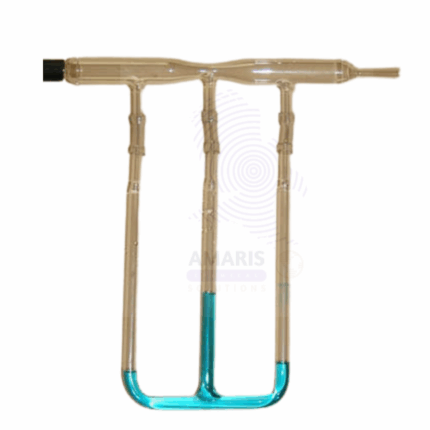
Bernoulli Tube Apparatus
Bernoulli Tube Apparatus is a precision-engineered device designed to demonstrate and analyze the principles of fluid dynamics, specifically Bernoulli’s theorem. It consists of a transparent, variable-diameter horizontal tube equipped with multiple pressure tap points connected to manometer tubes. This allows for the visual observation and quantitative measurement of pressure, velocity, and flow relationships as fluid moves through different cross-sectional areas. Commonly used in laboratory and industrial fluid mechanics testing, it helps validate theoretical predictions in controlled experimental conditions.

Centre of Gravity apparatus
The Centre of Gravity Apparatus is a precision instrument designed to demonstrate and measure the center of gravity of various objects. It consists of a rigid frame, adjustable clamps, and pointers that help identify the balance point of irregular shapes and composite bodies. Widely used in physics laboratories and industrial training, this apparatus aids in understanding the principles of equilibrium, stability, and moments. Its sturdy construction ensures accurate and repeatable measurements essential for educational and quality control purposes.
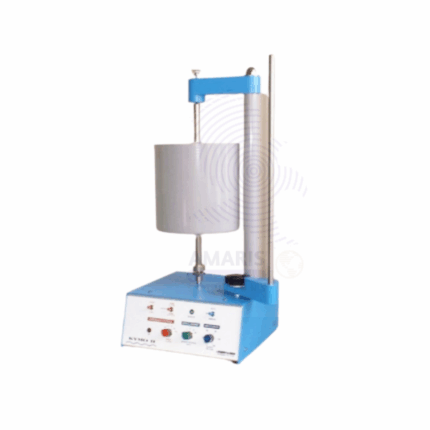
complete kymograph equipment
Complete Kymograph Equipment is a precision instrument used primarily in physiology and biological research to record changes in pressure, motion, or other physiological phenomena over time. It consists of a rotating drum wrapped with a recording paper and various attachments such as levers, pens, and sensors to capture mechanical movements or biological signals. This equipment is essential for experiments involving muscle contractions, blood pressure measurements, and other dynamic biological processes.

Contact key
Product Description
The Contact Key is a fundamental switching device used in electrical circuits to manually open or close the flow of current. Commonly used in physics laboratories for demonstration and experimentation with circuits, it enables controlled activation of current for brief or sustained durations. Made from durable, conductive metals with insulating bases, Contact Keys are essential components in circuit testing, timing devices, and low-voltage experimental setups.
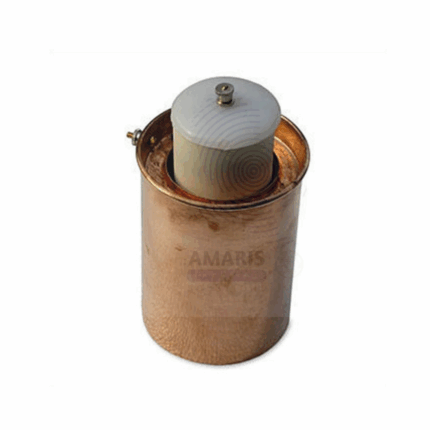
Daniel cell
The Daniel Cell is a classic electrochemical cell consisting of zinc and copper electrodes immersed in their respective sulfate solutions and connected by a salt bridge. It generates electrical energy through redox reactions and is used primarily for educational and laboratory demonstrations in electrochemistry.
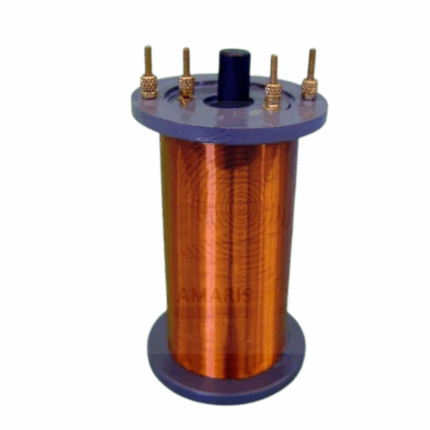
Induction Coil
Induction Coil is an electrical device used to generate high-voltage pulses from a low-voltage direct current (DC) supply. It typically consists of two coils of insulated wire (primary and secondary) wound around a shared iron core. When current is interrupted in the primary coil, a high voltage is induced in the secondary coil through electromagnetic induction. Induction coils are crucial in physics education, laboratory experiments, and ignition systems for demonstrating and utilizing high-voltage phenomena. They are widely used in applications involving spark generation, ionization, and electromagnetic studies.












