

 Preservatives(food)
 Flavors
 Acidulants
 Sweeteners
 Antioxidants
 Colorants(food)
 Nutraceutical Ingredients (food)
 Nutrient Supplements
 Emulsifiers
 Collectors
 Dust Suppressants
 Explosives and Blasting Agents
 Flocculants and Coagulants
 Frothers
 Leaching Agents
 pH Modifiers
 Precious Metal Extraction Agents
 Antioxidants(plastic)
 Colorants (Pigments, Dyes)
 Fillers and Reinforcements
 Flame Retardants
 Monomers
 Plasticizers
 Polymerization Initiators
 Stabilizers (UV, Heat)
 Antifoaming Agents
 Chelating Agents
 Coagulants and Flocculants
 Corrosion Inhibitors
 Disinfectants and Biocides
 Oxidizing Agents
 pH Adjusters
 Scale Inhibitors( water)
 Antioxidants(cosmetic)
 Emollients
 Oils
Oils Carrier Oills
 Essential Oils
 Humectants
 Preservatives
 Surfactants(cosmetic)
 Thickeners
 UV Filters
 Fragrance (Cosmetics)
 Fertilizers
 Soil Conditioners
 Plant Growth Regulators
 Animal Feed Additives
 Biostimulants
 Pesticides (Herbicides, Insecticides, Fungicides)
 Active Pharmaceutical Ingredients (APIs)
 Excipients
 Solvents(pharmaceutical)
 Antibiotics
 Antiseptics and Disinfectants
 Vaccine Adjuvants
 Nutraceutical Ingredients (pharmaceutical)
 Analgesics & Antipyretics
 Analytical Reagents
 Solvents(lab)
 Chromatography Chemicals
 Spectroscopy Reagents
 microbiology-and-cell-culture-reagents
 Molecular Biology Reagents
 Biochemical Reagents
 Inorganic and Organic Standards
 Laboratory Safety Chemicals
 Specialty Laboratory Chemicals(Special Laboratory Equipment)
 Demulsifiers
 Hydraulic Fracturing Fluids
 Scale Inhibitors(oil)
 Surfactants(oil)
 Drilling Fluids
 Dyes and Pigments
 Bleaching Agents
 Softening Agents
 Finishing Agents
 Antistatic Agents
 Admixtures
 Waterproofing Agents
 Sealants and Adhesives
 Curing Compounds
 Concrete Repair Chemicals
 Anti-Corrosion Coatings
 Surfactants(cleaning)
 Builders
 Enzymes
 Solvents (Cleaning)
 Electronic Chemicals
 Catalysts
 Lubricants
 Photographic Chemicals
 Refrigerants
 Automotive chemicals
 Pyrotechnic Chemicals
 Biodegradable Surfactants
 Bio-based Solvents
 Renewable Polymers
 Carbon Capture Chemicals
 Wastewater Treatment Chemicals
 Pigments
 Solvents(paint)
 Specialty Coatings
 Binders/Resins
 Additives
 Driers
 Anti-Corrosion Agents
 Functional Coatings
 Application-Specific Coatings
 Leavening Agents
 Dough Conditioners
 Flour Treatments
 Fat Replacers
 Decoratives
 Preservatives(baking)
 Plasticizers & Softeners
 Reinforcing Agents
 Adhesion Promoters
 Vulcanizing Agents
 Antidegradants
 Blowing Agents
 Fillers & Extenders
 Accelerators & Retarders
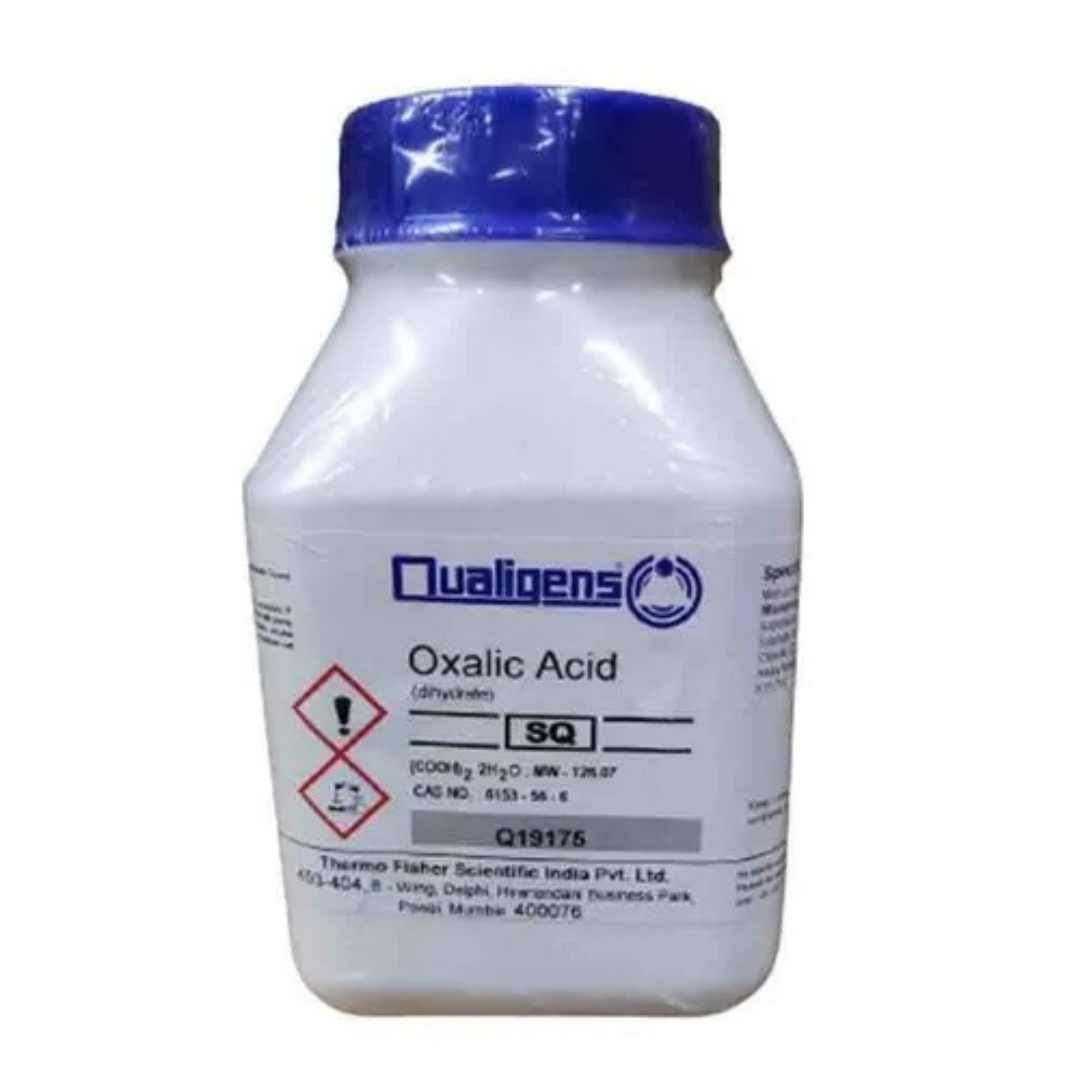




Oxalic Acid Extra Pure
Original price was: $ 16.00.$ 15.76Current price is: $ 15.76.
Oxalic Acid Extra Pure is a high-purity, crystalline organic compound known for its strong reducing and chelating properties. Appearing as a white, odorless solid, it is highly soluble in water and widely utilized in both laboratory and industrial settings.
This Extra Pure grade ensures reliable performance in analytical chemistry, metal cleaning, rust removal, and rare earth element processing. In the laboratory, it is commonly used to precipitate calcium ions and to prepare standard solutions for titration. In industries, Oxalic Acid is valued for its effectiveness in bleaching wood, cleaning marble, and removing iron stains from surfaces and textiles. Due to its toxicity and corrosiveness, it must be handled with appropriate personal protective equipment and stored securely in a cool, dry, well-ventilated area.
Oxalic Acid Extra Pure
Primary Uses
- Rust and Metal Stain Removal
- Used as a chelating agent to dissolve insoluble iron (III) compounds (rust) by forming a soluble complex ion, iron(III) oxalate. This makes it highly effective in industrial cleaners, automotive rust removers, and for treating metal surfaces prior to painting or coating.
- Bleaching Agent in Textile and Wood Industries
- Employed to bleach natural fibers like cotton and jute in the textile industry. In woodworking, it is used to chemically bleach darkened or stained wood (e.g., water stains on oak) by reducing colored compounds, lightening the wood’s appearance without sanding.
- Cleaning and Sanitizing Agent in Brewing and Dairy Industries
- Effectively removes calcium-based scales and beer stone (calcium oxalate) from fermentation tanks, kettles, and piping in breweries. Similarly, it is used to clean dairy equipment where it dissolves milkstone, a deposit of calcium and magnesium salts.
- Precipitating Agent in Rare Earth Element Processing
- Crucial in hydrometallurgy for the separation and purification of rare earth elements. Oxalic acid precipitates rare earth oxalates from solution, which are then filtered and calcined to produce the corresponding rare earth oxides.
Secondary Uses
- Analytical Chemistry (Volumetric Analysis)
- Serves as a primary standard in redox titrations (particularly in acidified potassium permanganate titrations) due to its high purity, stability, and well-defined reaction stoichiometry for standardizing solutions and determining oxidizing agent concentrations.
- Reactant in Organic Synthesis and Dye Intermediates
- Used as a starting material or catalyst in various organic syntheses, such as the production of certain antibiotics and fine chemicals. It is also involved in the synthesis of dyes and as a mordant in dyeing processes.
- Component in Metal Polishing and Electroplating Solutions
- Added to metal polish formulations for aluminum, brass, and other non-ferrous metals to remove tarnish and restore shine through its chelating and mild acidic action. Used in electroplating baths as a complexing agent to control the deposition rate and quality of the metal coating.
- Decontaminant and Decommissioning Agent in Nuclear Facilities
- Utilized to dissolve and decontaminate radioactive scale (often containing uranium and other radionuclides) from the surfaces of reactor components and piping, facilitating the safe decommissioning of nuclear facilities.
KEY ATTRIBUTES
1. Basic Identification Attributes
- Chemical Name: Oxalic Acid
- CAS Number: 144-62-7
- HS Code: 2917.11.00
- Molecular Formula: C₂H₂O₄ (Anhydrous)
- Synonyms:
- Ethanedioic acid
- Dicarboxylic acid
- Oxalate (conjugate base)
2. Physical & Chemical Properties
- Physical State: Solid (crystalline powder)
- Color & Odor: White; odorless
- Boiling Point: Decomposes before boiling
- Melting Point: ~189–191 °C (decomposes)
- Density: 1.9 g/cm³ (anhydrous)
- Solubility:
- Soluble in water (9.5 g/100 mL at 25 °C)
- Soluble in alcohols
- pH Level: ~1.3 (0.1 M aqueous solution; strongly acidic)
- Vapor Pressure: Negligible
- Flash Point: Not applicable (non-volatile solid)
- Autoignition Temperature: Not flammable under standard conditions
- Viscosity: Not applicable
3. Safety & Hazard Attributes
- Hazard Class (GHS Classification):
- Acute toxicity (oral, dermal) – Category 4
- Skin corrosion/irritation – Category 1B
- Serious eye damage – Category 1
- NFPA Ratings:
- Health: 3
- Flammability: 1
- Reactivity: 1
- Exposure Limits:
- OSHA PEL: 1 mg/m³ (TWA)
- ACGIH TLV: 1 mg/m³ (TWA)
- Reactivity:
- Incompatible with strong oxidizers, bases, and reducing agents
- Can react with metals to produce hydrogen gas
4. Storage & Handling Attributes
- Storage Conditions:
- Store in tightly closed containers
- Keep in cool, dry, well-ventilated area
- Incompatible Materials:
- Strong bases, oxidizers, sodium hypochlorite, nitric acid
- Container Type: Plastic or corrosion-resistant glass
- Shelf Life & Expiration Date: Stable for 2–3 years under recommended conditions
- Special Handling Requirements:
- Use gloves, safety goggles, lab coat
- Handle in a fume hood to avoid inhalation
5. Regulatory & Compliance Attributes
- Regulatory Status:
- Listed in REACH, TSCA, and other major regulatory databases
- Controlled under workplace exposure laws
- Hazard Symbols (GHS Pictograms):
- Transportation Restrictions:
- UN Number: UN 3261 (Corrosive solid, acidic, organic, n.o.s.)
- Hazard Class: 8
- Waste Disposal Method:
- Dispose of according to local regulations
- Do not release into sewers or environment
6. Environmental & Health Impact
- Ecotoxicity:
- Harmful to aquatic life at high concentrations
- Persistence in Environment: Readily biodegradable
- Carcinogenicity/Mutagenicity:
- Not classified as carcinogenic
- No mutagenic effects reported in standard assays
- Biodegradability: Rapidly biodegradable under aerobic conditions
SAFETY PRECAUTIONS
Personal Protective Equipment (PPE):
- Wear a lab coat, nitrile gloves, and chemical safety goggles.
- Use a dust mask or handle in a well-ventilated area or fume hood.
Handling:
- Avoid contact with skin, eyes, and clothing.
- Prevent inhalation of dust or vapors.
- Wash hands thoroughly after handling.
- Do not mix with strong oxidizers or bases.
Storage:
- Store in a tightly sealed container in a cool, dry, and well-ventilated place.
- Keep away from moisture, heat sources, and incompatible substances such as bases and oxidizing agents.
- Protect from light and humidity.
FIRST AID MEASURES
Inhalation:
- Move the person to fresh air immediately.
- Seek medical attention if symptoms such as coughing or breathing difficulty occur.
Skin Contact:
- Remove contaminated clothing.
- Wash skin thoroughly with soap and water.
- Get medical attention if irritation or burns develop.
Eye Contact:
- Rinse cautiously with water for at least 15 minutes.
- Remove contact lenses if present and easy to do.
- Seek immediate medical attention.
Ingestion:
- Rinse mouth with water.
- Do not induce vomiting.
- Seek immediate medical attention—can be harmful or fatal if
Related products
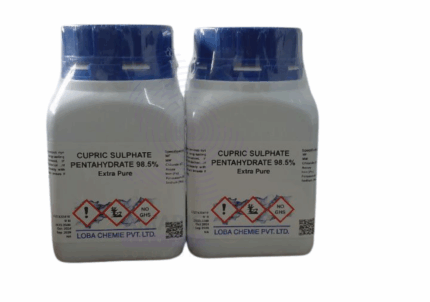
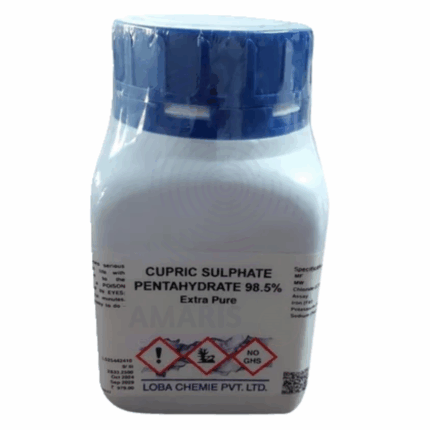
Cupric Sulphate Pentahydrate Extra Pure
Cupric Sulphate Pentahydrate Extra Pure is a vibrant blue crystalline compound widely used in laboratories for its high solubility and consistent copper ion content. It is essential in analytical chemistry for Fehling's and Benedict’s solutions, in electrochemistry for plating and battery experiments, and as a biological nutrient in microbiological media. The pentahydrate form offers ease of handling and precise formulation in aqueous solutions. This extra pure grade ensures exceptional purity, making it suitable for teaching labs, research applications, and controlled experimental procedures. Store in a sealed container away from heat and moisture to maintain its crystalline integrity.
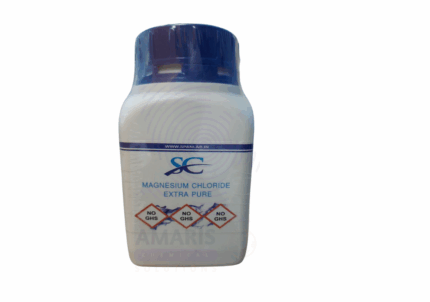
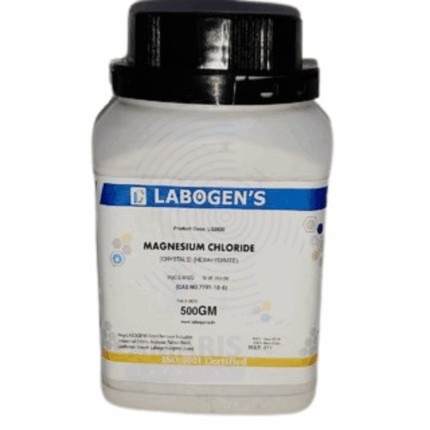
Magnesium Chloride Extra Pure
Magnesium Chloride Extra Pure is a highly soluble, refined chemical compound commonly used for its excellent hygroscopic and electrolyte properties. In laboratory and analytical settings, it is valued for preparing magnesium-based solutions and as a reagent in various chemical reactions. In pharmaceuticals, it serves as a magnesium supplement, aiding in nerve function and muscle health. It is also used in cosmetics and personal care products for its skin-conditioning benefits. Additionally, it finds applications in textile processing, dust control, and de-icing formulations, where its purity ensures minimal impurities in sensitive applications.
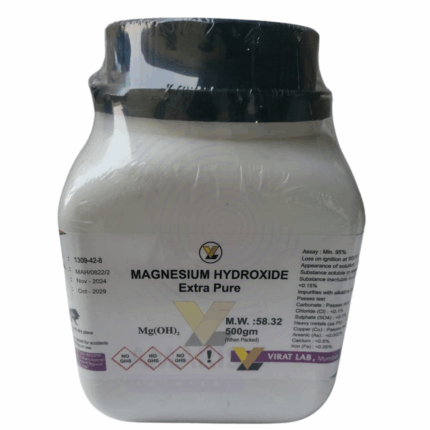
Magnesium Hydroxide Heavy Extra Pure
Magnesium Hydroxide Heavy Extra Pure is a high-purity, dense white powder widely utilized for its antacid and absorbent properties. In pharmaceutical formulations, it acts as a gentle laxative and an effective antacid to neutralize stomach acid. Due to its high purity, it is also used in laboratory experiments and analytical chemistry where precise reactions are essential. In cosmetic and personal care products, it functions as a pH adjuster and an absorbent in creams, lotions, and deodorants. Additionally, it serves roles in wastewater treatment, flame retardants, and ceramic manufacturing, offering consistent performance and low impurity content.
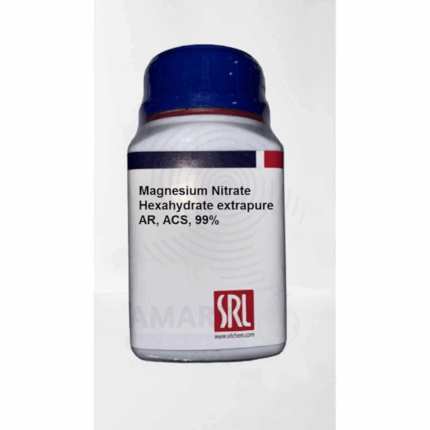
Magnesium Nitrate Hexahydrate Extra Pure
Magnesium Nitrate Hexahydrate Extra Pure is a crystalline compound known for its high solubility in water and exceptional purity, making it suitable for both laboratory and industrial applications. In analytical chemistry, it is commonly used as a reagent for preparing standard solutions and as a source of magnesium ions in various experimental procedures. Its oxidizing properties make it valuable in pyrotechnics and fertilizer formulations, where it provides essential nutrients for plant growth. This compound is also employed in ceramic production, textile treatments, and catalyst preparations, where a consistent, high-quality nitrate source is required. Its extra pure grade ensures minimal contamination, essential for high-precision work.
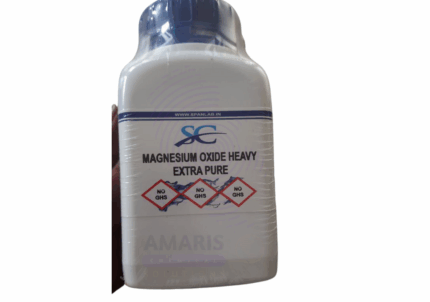
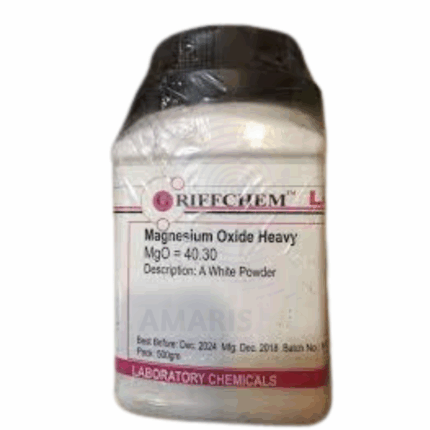
Magnesium Oxide Heavy Extra Pure
Magnesium Oxide Heavy Extra Pure is a high-purity, dense white powder prized for its excellent thermal stability, high melting point, and chemical inertness. It is widely used in laboratory applications as a standard reagent, pH adjuster, and desiccant. In pharmaceuticals, it functions as an antacid and a magnesium supplement, while in industrial processes, it is essential for producing refractory materials, ceramics, and insulating products due to its high heat resistance. The "heavy" form refers to its higher bulk density, making it particularly useful in applications where volume constraints are critical. Its extra pure grade ensures it meets the stringent demands of high-precision research and formulation work.
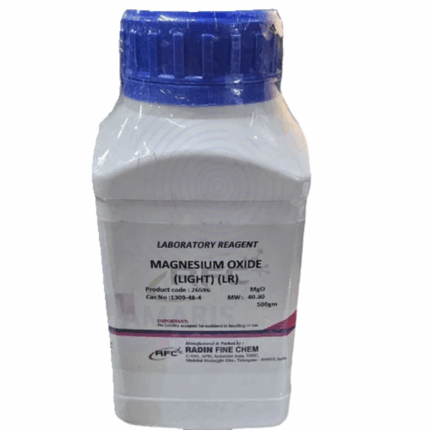
Magnesium Oxide Light Powder Extra Pure
Magnesium Oxide Light Powder Extra Pure is a fine, white, odorless powder with a lower bulk density compared to the heavy grade, offering high surface area and excellent reactivity. It is widely used in analytical laboratories, pharmaceuticals, and cosmetics due to its purity and gentle chemical behavior. In pharmaceutical formulations, it acts as an antacid and magnesium supplement, while in cosmetics, it is used for its absorbent and pH-adjusting properties. Its light, fluffy texture also makes it ideal for use in rubber, plastics, and coatings as a filler, stabilizer, or neutralizing agent. The extra pure grade ensures consistent quality for precise and sensitive applications.
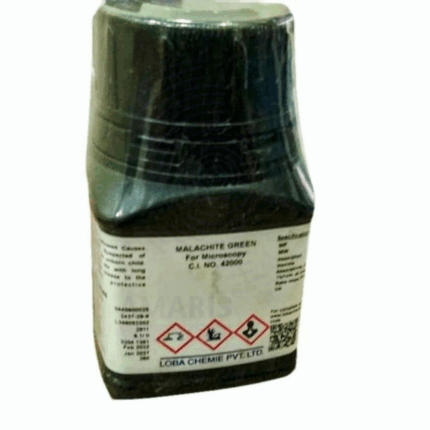
Malachite Green Extra Pure
Malachite Green Extra Pure is a synthetic dye of exceptional purity, recognized for its intense green coloration and versatile laboratory uses. It is commonly used as a biological stain, especially in microbiology for identifying and differentiating bacterial species, and in histology for staining cell structures. Additionally, Malachite Green serves as an effective fungicide and antiparasitic agent in aquaculture and laboratory testing. Its high purity ensures reliable performance in analytical applications, including redox titrations and as a pH indicator in specific chemical reactions. Its vivid color and chemical stability make it a valuable reagent in both teaching and professional research settings.
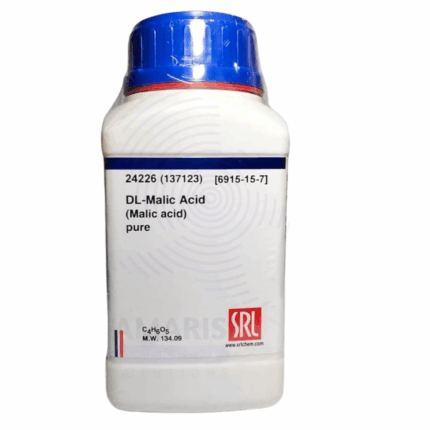
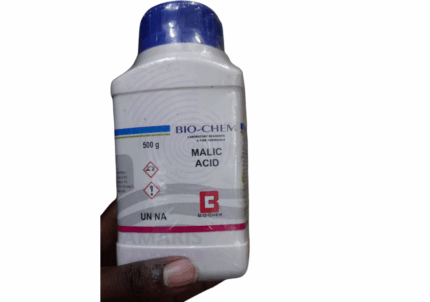
Malic Acid Extra Pure
Malic Acid Extra Pure is a high-grade, naturally occurring dicarboxylic acid known for its sharp, tart flavor and versatility in both laboratory and industrial settings. It is commonly found in fruits such as apples and is widely used as an acidulant in food and beverage formulations, where it enhances flavor, preserves freshness, and improves pH stability. In laboratory applications, Malic Acid is employed in biochemical research, particularly in studies involving the citric acid cycle, due to its role as an intermediate metabolite. Its excellent solubility in water and mild acidity also make it suitable for cosmetic formulations and pharmaceutical preparations. The extra pure grade ensures high analytical accuracy and consistent quality across applications requiring strict purity standards.












