

 Preservatives(food)
 Flavor Enhancers
 Acidulants
 Sweeteners
 Antioxidants
 Colorants(food)
 Nutraceutical Ingredients (food)
 Nutrient Supplements
 Emulsifiers
 Collectors
 Dust Suppressants
 Explosives and Blasting Agents
 Flocculants and Coagulants
 Frothers
 Leaching Agents
 pH Modifiers
 Precious Metal Extraction Agents
 Antioxidants(plastic)
 Colorants (Pigments, Dyes)
 Fillers and Reinforcements
 Flame Retardants
 Monomers
 Plasticizers
 Polymerization Initiators
 Stabilizers (UV, Heat)
 Antifoaming Agents
 Chelating Agents
 Coagulants and Flocculants
 Corrosion Inhibitors
 Disinfectants and Biocides
 Oxidizing Agents
 pH Adjusters
 Scale Inhibitors( water)
 Antioxidants(cosmetic)
 Emollients
 Fragrances and Essential Oils
 Humectants
 Preservatives
 Surfactants(cosmetic)
 Thickeners
 UV Filters
 Fertilizers
 Soil Conditioners
 Plant Growth Regulators
 Animal Feed Additives
 Biostimulants
 Pesticides (Herbicides, Insecticides, Fungicides)
 Active Pharmaceutical Ingredients (APIs)
 Excipients
 Solvents(pharmaceutical)
 Antibiotics
 Antiseptics and Disinfectants
 Vaccine Adjuvants
 Nutraceutical Ingredients (pharmaceutical)
 Analgesics & Antipyretics
 Analytical Reagents
 Solvents(lab)
 Chromatography Chemicals
 Spectroscopy Reagents
 microbiology-and-cell-culture-reagents
 Molecular Biology Reagents
 Biochemical Reagents
 Inorganic and Organic Standards
 Laboratory Safety Chemicals
 Specialty Laboratory Chemicals(Special Laboratory Equipment)
 Demulsifiers
 Hydraulic Fracturing Fluids
 Scale Inhibitors(oil)
 Surfactants(oil)
 Drilling Fluids
 Dyes and Pigments
 Bleaching Agents
 Softening Agents
 Finishing Agents
 Antistatic Agents
 Admixtures
 Waterproofing Agents
 Sealants and Adhesives
 Curing Compounds
 Concrete Repair Chemicals
 Anti-Corrosion Coatings
 Surfactants(cleaning)
 Builders
 Enzymes
 Solvents (Cleaning)
 Fragrances
 Electronic Chemicals
 Catalysts
 Lubricants
 Photographic Chemicals
 Refrigerants
 Automotive chemicals
 Pyrotechnic Chemicals
 Biodegradable Surfactants
 Bio-based Solvents
 Renewable Polymers
 Carbon Capture Chemicals
 Wastewater Treatment Chemicals
 Pigments
 Solvents(paint)
 Specialty Coatings
 Binders/Resins
 Additives
 Driers
 Anti-Corrosion Agents
 Functional Coatings
 Application-Specific Coatings
 Leavening Agents
 Dough Conditioners
 Flour Treatments
 Fat Replacers
 Decoratives
 Preservatives(baking)
 Plasticizers & Softeners
 Reinforcing Agents
 Adhesion Promoters
 Vulcanizing Agents
 Antidegradants
 Blowing Agents
 Fillers & Extenders
 Accelerators & Retarders
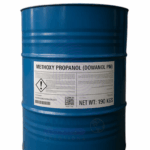


Ethoxy Propanol
Whatsapp Order
Ethoxy Propanol, also known as Propylene Glycol Monoethyl Ether (PnP), is a clear, colorless, low-viscosity solvent with a mild ether-like odor. It belongs to the family of glycol ethers and is miscible with water and most organic solvents. Ethoxy Propanol is widely valued for its excellent solvency, moderate evaporation rate, and compatibility with both polar and non-polar systems. It is extensively used in coatings, inks, cleaners, and chemical synthesis applications due to its balance of performance and safety.
Description
Ethoxy Propanol Uses
Primary Uses
- Paints, Coatings & Inks
- Acts as a coalescing agent in water-based paints and coatings to ensure film formation and durability.
- Used as a solvent for resins, dyes, and pigments in architectural, automotive, and industrial coatings.
- Improves flow, leveling, and gloss in latex paints and varnishes.
- Helps reduce surface tension in inks and improves drying time and print quality.
- Cleaners & Degreasers
- Employed as an active solvent in household, institutional, and industrial cleaners due to excellent grease-cutting ability.
- Used in glass and hard-surface cleaners for streak-free drying and effective removal of oily residues.
- Compatible with surfactants and alkaline builders in formulation of degreasers and heavy-duty detergents.
- Adhesives & Sealants
- Functions as a solvent or plasticizer in waterborne adhesives and sealants, aiding in uniform film formation and drying.
- Enhances wetting and open time in formulation, improving application performance.
- Compatible with polyurethane, acrylic, and phenolic adhesive systems.
- Textiles & Leather Processing
- Used as a solvent carrier in textile printing pastes and dyeing formulations.
- Helps control evaporation and improve uniformity in leather finishing processes.
- Electronics & Semiconductor Industry
- Used in precision cleaning of electronic components due to low residue and controlled evaporation.
- Employed in solvent blends for photoresist and printed circuit board cleaning.
- Chemical Intermediate
- Serves as a building block in the synthesis of surfactants, solvents, and agrochemical formulations.
- Used in manufacturing esters, plasticizers, and other specialty chemicals.
Secondary Uses
- Automotive Applications
- Added to fuel system cleaners and carburetor cleaners for its solubilizing and cleaning properties.
- Used in vehicle polish and detailing formulations for improved spreading and film integrity.
- Printing Industry
- Included in printing inks for improved pigment dispersion, drying control, and substrate adhesion.
- Helps maintain print sharpness and uniformity in high-speed printing processes.
- Cosmetics & Personal Care
- Occasionally used as a solvent or carrier in formulations like hair sprays, perfumes, and lotions (non-irritating at low concentrations).
- Contributes to volatility and spreadability of fragrances or actives.
- Agrochemical Formulations
- Used as a solvent or carrier in pesticide and herbicide formulations for better active ingredient dispersion and penetration.
KEY PRODUCT FEATURES
1. Basic Identification Attributes
- Chemical Name (IUPAC): 1-Ethoxy-2-propanol
- Common/Trade Name: Ethoxy Propanol, Propylene Glycol Monoethyl Ether (PnP)
- CAS Number: 1569-02-4
- HS Code: 2909.49.00
- Molecular Formula: C₅H₁₂O₂
- Synonyms:
- PnP
- Ethyl Propylene Glycol Ether
- 2-Propanol, 1-ethoxy-
- EPh (in some industrial contexts)
2. Physical & Chemical Properties
- Appearance: Clear, colorless liquid
- Odor: Mild, ether-like
- Boiling Point: ~135°C
- Melting Point: −90°C
- Flash Point: ~48–52°C (closed cup)
- Density (20°C): ~0.90 g/cm³
- Solubility: Completely miscible with water, alcohols, and many organic solvents
- Evaporation Rate: Moderate (slower than acetone, faster than glycols)
- Viscosity: Low (~2.0 cP at 20°C)
- Vapor Pressure: ~3.5 mmHg at 20°C
- Refractive Index: 1.405–1.410
3. Safety & Hazard Attributes
- Hazard Class (GHS):
- Flammable Liquid, Category 3
- Eye Irritation, Category 2A
- Toxicity: Low to moderate; inhalation and prolonged skin contact may cause irritation
- Exposure Limits:
- ACGIH TLV (TWA): Not specifically established
- Use in well-ventilated areas to limit vapor buildup
4. Storage & Handling Attributes
- Storage Conditions: Store in cool, dry, well-ventilated area; away from heat, sparks, and open flames
- Container Type: HDPE drums, metal drums, or IBCs
- Shelf Life: Typically 12–24 months in unopened containers
- Handling Precautions: Ground and bond containers when transferring; use flame-proof equipment where applicable
- Incompatible Materials: Strong oxidizing agents, acids, alkalis
5. Regulatory & Compliance Attributes
- Listed on major international chemical inventories (TSCA, EINECS, REACH)
- Acceptable in food-contact coatings under specific regulatory limits (check regional guidelines)
- Not classified as a hazardous air pollutant (HAP) under U.S. Clean Air Act
- May contribute to VOC content in regulated formulations (regulated under CARB, SCAQMD, etc.)
6. Environmental & Health Impact
- Ecotoxicity: Moderate — avoid direct discharge to surface water
- Persistence: Biodegradable under aerobic conditions
- Bioaccumulation: Low potential
- Carcinogenicity/Mutagenicity: Not classified as carcinogenic or mutagenic
SAFETY HANDLING PRECAUTIONS
Safety Handling Precautions
PPE Required:
- Chemical-resistant gloves (nitrile, neoprene)
- Splash goggles or safety glasses
- Flame-resistant lab coat or apron
- Vapor respirator if working in poorly ventilated areas
Handling Guidelines:
- Avoid breathing vapor or mist
- Prevent static discharge — ensure proper grounding
- Use explosion-proof ventilation or local exhaust if handling large volumes
Storage Measures:
- Store in tightly closed containers
- Keep away from ignition sources and direct sunlight
- Use nitrogen blanketing for long-term bulk storage if necessary
Hygiene Practices:
- Wash hands after handling
- Avoid eating, drinking, or smoking while using
- Clean equipment and surfaces after use
First Aid Measures
- Inhalation: Move to fresh air; seek medical attention if symptoms persist
- Skin Contact: Wash thoroughly with soap and water; remove contaminated clothing
- Eye Contact: Rinse cautiously with water for 15 minutes; consult a physician if irritation continues
- Ingestion: Do not induce vomiting; rinse mouth and seek immediate medical attention
Firefighting Measures
- Fire Hazards: Flammable liquid and vapor
- Extinguishing Media: Dry chemical, CO₂, alcohol-resistant foam, or water spray
- Special Precautions: Use full protective gear and self-contained breathing apparatus (SCBA)
- Decomposition Products: May produce carbon monoxide, carbon dioxide, and other irritating vapors when burned
Related products
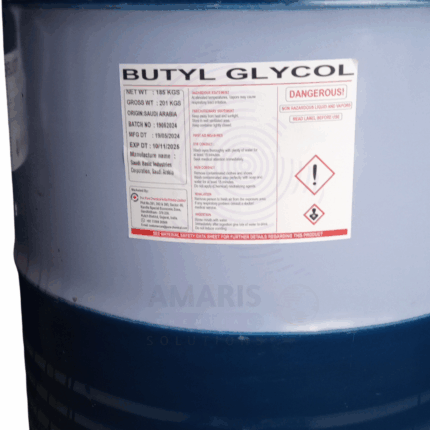
Butyl Glycol
Butyl Glycol, also known as 2-Butoxyethanol, is a colorless to pale yellow liquid with a mild, sweet ether-like odor. It is an organic solvent classified as a glycol ether, with the molecular formula C6H14O2. Butyl Glycol is highly miscible with water, alcohols, and many organic solvents. It is widely used in industrial and commercial applications due to its excellent solvent properties, low volatility, and moderate toxicity. Its high solvency and compatibility with both aqueous and organic phases make it valuable in coatings, cleaning products, inks, and adhesives.

Ethyl Glycol Acetate
Ethyl Glycol Acetate, also known as 2-Ethoxyethyl acetate, is a clear, colorless liquid solvent with a mild, sweet, and slightly fruity odor. It belongs to the family of glycol ethers and esters, combining excellent solvency power with moderate evaporation rates. This makes it highly suitable for use in coatings, inks, adhesives, and cleaning formulations where good solvency and controlled drying times are desired. Ethyl Glycol Acetate is compatible with a wide range of resins, including nitrocellulose, alkyd, acrylic, and vinyl resins, making it a versatile industrial solvent. Its balanced physical properties allow for efficient thinning, cleaning, and dissolution without rapid evaporation or harsh odors.

Ethylene Glycol Monoethyl Ether
Ethylene Glycol Monoethyl Ether, also known as 2-Ethoxyethanol or Ethyl Cellosolve, is a clear, colorless, and hygroscopic liquid with moderate volatility and excellent solvency. It belongs to the glycol ether family and is widely used as a solvent and coalescing agent due to its ability to dissolve both polar and non-polar compounds. It is miscible with water and many organic solvents and has a moderate boiling point (~135°C). It finds extensive applications across coatings, inks, adhesives, cleaners, and chemical synthesis industries.
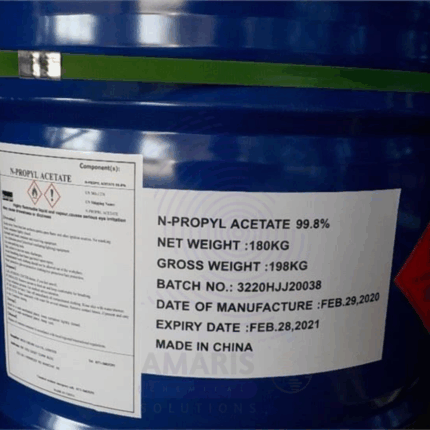
N propyl Acetate
N propyl Acetate is a clear, colorless, flammable liquid ester with a fruity odor, chemically known as propyl ethanoate. It is widely used as a solvent in coatings, inks, adhesives, and cleaning agents due to its excellent solvency and moderate evaporation rate. N-Propyl Acetate is valued for its ability to dissolve various resins and polymers, providing good film formation and gloss in paints and coatings.
N-Butanol
N-Butanol (1-butanol) is a four-carbon linear alcohol with the chemical formula C₄H₉OH. It is a colorless, flammable liquid with a mild, alcoholic odor. N-Butanol is widely used as a solvent in paints, coatings, adhesives, and chemical synthesis. It serves as an intermediate in the manufacture of plasticizers, butyl acrylate, and other chemicals. Its moderate volatility and solvent properties make it valuable in industrial and commercial applications.
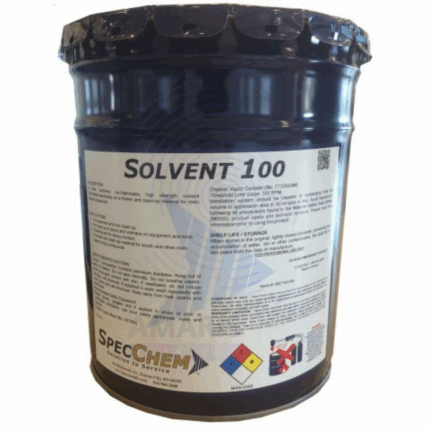
Naphta Solvent
Naphta Solvent Kokosal, commonly known as Kokosal, is a petroleum-derived hydrocarbon solvent composed primarily of aliphatic and aromatic hydrocarbons with a boiling range near 100°C. It is a clear, colorless to pale yellow liquid with a characteristic hydrocarbon odor. Kokosal is widely used as an industrial solvent due to its excellent solvency power, moderate evaporation rate, and compatibility with many resins, oils, and waxes. It is valued in applications such as coatings, adhesives, cleaning, and chemical synthesis.
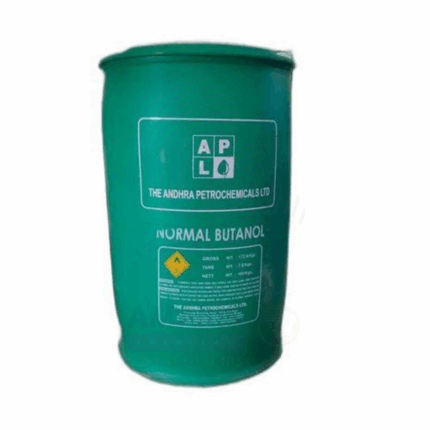
Normal Butanol
Normal Butanol is a straight-chain primary alcohol with the chemical formula C4H10O. It is a colorless, flammable liquid with a characteristic alcoholic odor. Known for its good solvent properties and moderate evaporation rate, n-Butanol is widely used in industrial applications such as solvents for paints, coatings, adhesives, and as an intermediate in chemical synthesis.
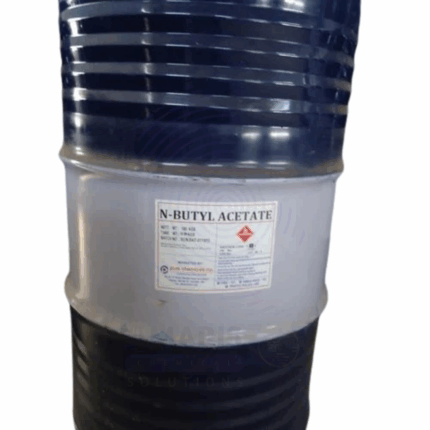
Normal Butyl Acetate
Normal Butyl Acetate (n-Butyl Acetate) is a clear, colorless, flammable liquid with a sweet, fruity odor. It is an ester formed by the reaction of acetic acid and n-butanol. Widely used as a solvent in various industries, it offers excellent solvency for many resins and coatings, making it a preferred choice in paints, adhesives, and inks. Its moderate evaporation rate contributes to good application properties.












