

 Preservatives(food)
 Flavors
 Acidulants
 Sweeteners
 Antioxidants
 Colorants(food)
 Nutraceutical Ingredients (food)
 Nutrient Supplements
 Emulsifiers
 Collectors
 Dust Suppressants
 Explosives and Blasting Agents
 Flocculants and Coagulants
 Frothers
 Leaching Agents
 pH Modifiers
 Precious Metal Extraction Agents
 Antioxidants(plastic)
 Colorants (Pigments, Dyes)
 Fillers and Reinforcements
 Flame Retardants
 Monomers
 Plasticizers
 Polymerization Initiators
 Stabilizers (UV, Heat)
 Antifoaming Agents
 Chelating Agents
 Coagulants and Flocculants
 Corrosion Inhibitors
 Disinfectants and Biocides
 Oxidizing Agents
 pH Adjusters
 Scale Inhibitors( water)
 Antioxidants(cosmetic)
 Emollients
 Oils
Oils Carrier Oills
 Essential Oils
 Humectants
 Preservatives
 Surfactants(cosmetic)
 Thickeners
 UV Filters
 Fragrance (Cosmetics)
 Fertilizers
 Soil Conditioners
 Plant Growth Regulators
 Animal Feed Additives
 Biostimulants
 Pesticides (Herbicides, Insecticides, Fungicides)
 Active Pharmaceutical Ingredients (APIs)
 Excipients
 Solvents(pharmaceutical)
 Antibiotics
 Antiseptics and Disinfectants
 Vaccine Adjuvants
 Nutraceutical Ingredients (pharmaceutical)
 Analgesics & Antipyretics
 Analytical Reagents
 Solvents(lab)
 Chromatography Chemicals
 Spectroscopy Reagents
 microbiology-and-cell-culture-reagents
 Molecular Biology Reagents
 Biochemical Reagents
 Inorganic and Organic Standards
 Laboratory Safety Chemicals
 Specialty Laboratory Chemicals(Special Laboratory Equipment)
 Demulsifiers
 Hydraulic Fracturing Fluids
 Scale Inhibitors(oil)
 Surfactants(oil)
 Drilling Fluids
 Dyes and Pigments
 Bleaching Agents
 Softening Agents
 Finishing Agents
 Antistatic Agents
 Admixtures
 Waterproofing Agents
 Sealants and Adhesives
 Curing Compounds
 Concrete Repair Chemicals
 Anti-Corrosion Coatings
 Surfactants(cleaning)
 Builders
 Enzymes
 Solvents (Cleaning)
 Electronic Chemicals
 Catalysts
 Lubricants
 Photographic Chemicals
 Refrigerants
 Automotive chemicals
 Pyrotechnic Chemicals
 Biodegradable Surfactants
 Bio-based Solvents
 Renewable Polymers
 Carbon Capture Chemicals
 Wastewater Treatment Chemicals
 Pigments
 Solvents(paint)
 Specialty Coatings
 Binders/Resins
 Additives
 Driers
 Anti-Corrosion Agents
 Functional Coatings
 Application-Specific Coatings
 Leavening Agents
 Dough Conditioners
 Flour Treatments
 Fat Replacers
 Decoratives
 Preservatives(baking)
 Plasticizers & Softeners
 Reinforcing Agents
 Adhesion Promoters
 Vulcanizing Agents
 Antidegradants
 Blowing Agents
 Fillers & Extenders
 Accelerators & Retarders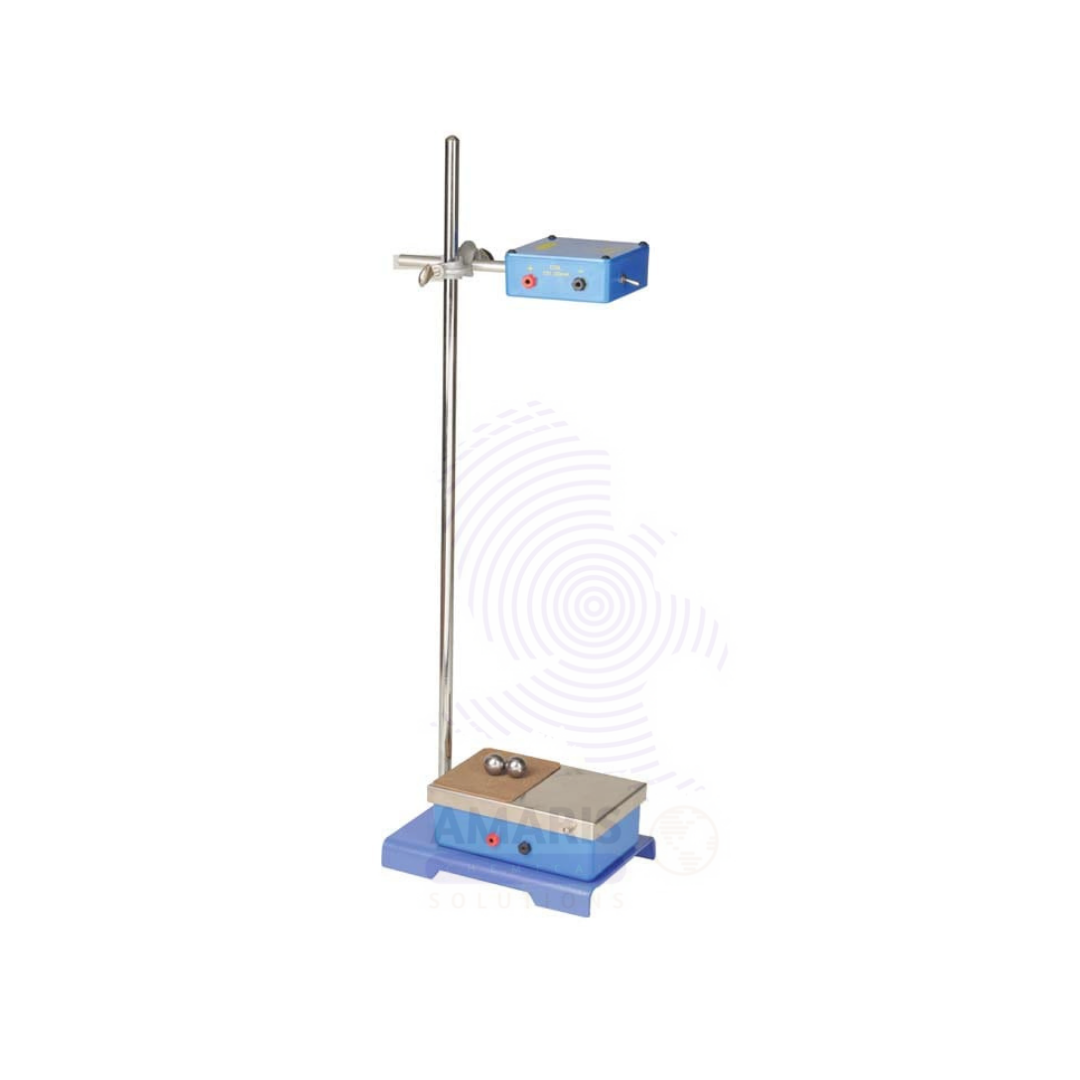

Free Fall Apparatus
Original price was: $ 52.77.$ 52.63Current price is: $ 52.63.
Free Fall Apparatus is an educational laboratory instrument designed to study the motion of freely falling objects under the influence of gravity. It typically consists of a vertical support stand, electromagnetic release mechanism, timing sensor or stopwatch interface, and a catching tray or cushioning base. When an object is released from rest, the apparatus records the time it takes to fall a known distance, allowing for precise calculations of acceleration due to gravity (g). Commonly used in physics laboratories, educational institutions, and research settings, the Free Fall Apparatus enables hands-on learning of Newtonian mechanics, kinematics, and motion analysis.
Free Fall Apparatus
Primary Uses
- Educational and Physics Laboratory Applications
- Demonstration of the laws of motion and uniform acceleration under gravity.
- Used to experimentally determine the value of acceleration due to gravity (g).
- Supports experiments on time, distance, and velocity relationships in free fall.
- Helps students understand the effects of air resistance and initial velocity in motion.
- Essential for verifying the equations of motion in introductory physics courses.
- Mechanical and Engineering Training
- Applied in technical institutions for mechanical motion analysis and data collection.
- Demonstrates fundamental principles in dynamics and motion-based calculations.
- Used to calibrate motion sensors and test precision in time-measurement instruments.
- Supports hands-on training in mechanical instrumentation and kinematic setups.
Secondary Uses
- Research and Experimental Applications
- Utilized in experimental physics for advanced studies on falling body dynamics.
- Supports precision testing of release and timing mechanisms in gravity-based experiments.
- Helps validate theoretical models of motion and energy transformation.
- Used in research involving materials’ behavior under impact or sudden deceleration.
- Demonstrates error analysis and uncertainty measurement in experimental physics.
1.Basic Identification Attributes
- Material: Aluminum or steel frame with plastic or rubber base; electronic or manual release unit
- Components: Electromagnet release, timing circuit, sensor gate or stopwatch, catcher tray
- Variants: Digital, analog, or computer-interface based depending on model
2.Physical & Chemical Properties
- High mechanical stability for accurate free fall path
- Electrically operated release system ensures precise starting conditions
- Durable, non-reactive components for extended lab use
3.Safety & Hazard Attributes
- Small falling mass may pose risk if not properly caught—must use catcher tray
- Electrical components must be handled with care and kept dry
- Ensure stable setup to avoid tipping or misalignment during operation
4.Storage & Handling Attributes
- Store upright on a flat surface in a dry, dust-free environment
- Avoid exposing electronic components to moisture
- Inspect wiring and release mechanisms before each use
5.Regulatory & Compliance Attributes
- Manufactured according to academic laboratory equipment standards
- Safe for use in school, college, and university lab settings
- Compatible with educational curricula in physics and engineering
6.Environmental & Health Impact
- Non-toxic, low environmental impact materials used
- Low power consumption for electronic components
- Designed for long-term educational reuse, reducing resource waste
Safety Handling Precautions
- Always secure the apparatus before use to prevent toppling
- Keep fingers clear of the release mechanism during setup
- Use protective eye gear when conducting experiments with projectiles or falling objects
First Aid Measures
- In case of impact injury, apply cold compress and seek medical evaluation if necessary
- For electrical mishaps, disconnect power immediately and follow lab safety protocol
- Clean any spills or debris around the base to prevent slipping or accidents
Firefighting Measures
- Non-flammable components; fire risk is minimal
- Use appropriate extinguishers for any nearby combustible materials
- Disconnect electrical supply in case of fire near the apparatus
Related products
Absorption Tower
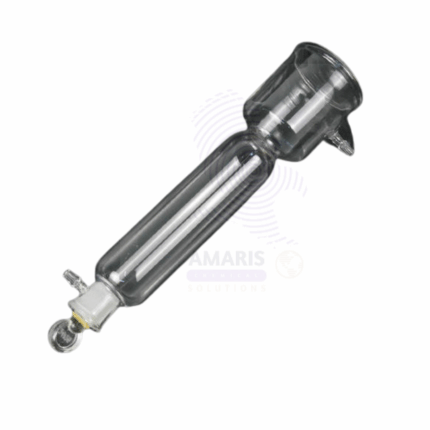
An Absorption Tower is a vertical vessel used in industrial processes to remove specific components from gas streams by contact with a liquid solvent. This equipment facilitates mass transfer between the gas and liquid phases, allowing targeted pollutants or valuable compounds to be absorbed efficiently. Absorption Towers are commonly employed in chemical plants, refineries, and environmental control systems for gas scrubbing, purification, and recovery applications. They are designed for optimal gas-liquid contact, often using packing materials or trays to enhance surface area and improve absorption efficiency.
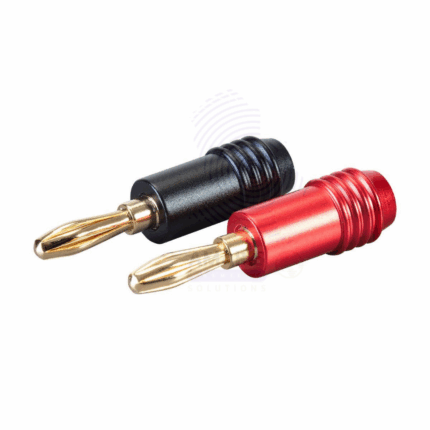
Banana Plug
The Banana Plug is a single-wire electrical connector used to join wires to equipment in testing, measuring, and laboratory applications. It features a cylindrical metal pin with a spring mechanism to ensure a secure and reliable connection. The plug is widely used for quick and easy connections in electronic testing devices, audio systems, and laboratory instruments. Made from high-conductivity metals such as brass or copper and often gold- or nickel-plated for corrosion resistance, the Banana Plug provides consistent electrical conductivity and durability.
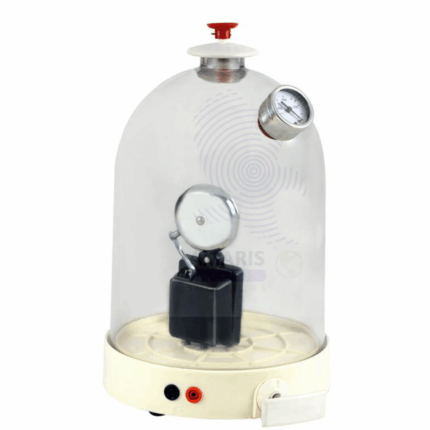
Bell in Vacuum with Air Pump with Plate
Bell in Vacuum with Air Pump with Plate is an integrated vacuum apparatus used to create and maintain low-pressure environments for laboratory and industrial applications. This assembly includes a vacuum bell, an air pump to evacuate air from the chamber, and a sturdy plate to support or seal samples or components during vacuum processes. Designed for durability and reliability, it is widely used in experiments requiring controlled atmospheric pressure, including vacuum filtration, drying, and physical science demonstrations.

clinostat clock type
The Clinostat Clock Type is a precision laboratory instrument designed to simulate microgravity conditions by continuously rotating biological samples or small objects along a horizontal axis. This rotation counteracts the effect of gravity, allowing researchers to study the effects of weightlessness on plant growth, cell cultures, and other biological specimens. Constructed with durable materials and calibrated for smooth, consistent rotation, the Clinostat Clock Type is widely used in botanical, microbiological, and space biology research.
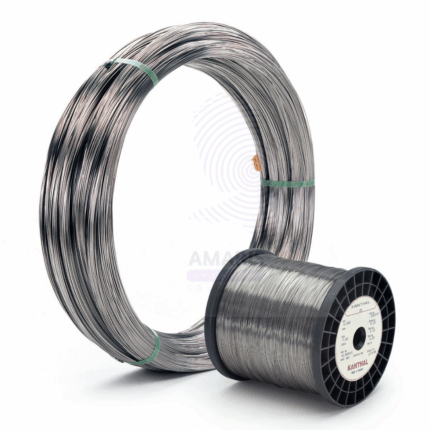
Constantine wire
Constantine Wire is an alloy wire composed primarily of copper, nickel, and zinc, known for its high electrical conductivity, corrosion resistance, and durability. It is widely used in electrical applications requiring reliable conduction and mechanical strength. The wire exhibits excellent resistance to oxidation and mechanical wear, making it suitable for various laboratory and industrial uses.
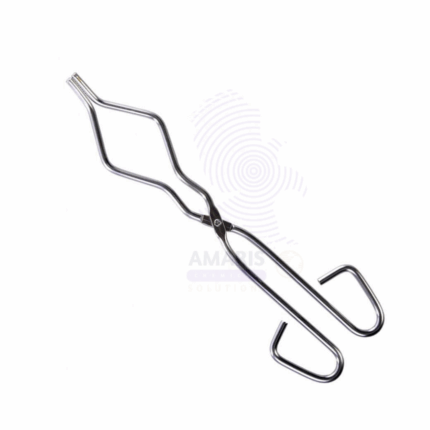
Crucible Tongs
Crucible Tongs are specialized metal tools designed for safely handling hot crucibles, evaporating dishes, and other laboratory apparatus exposed to high temperatures. Made from durable, heat-resistant metals such as stainless steel or nickel-plated steel, these tongs provide a firm grip, ensuring the safe transfer of heated items during laboratory procedures, including heating, melting, and chemical reactions.
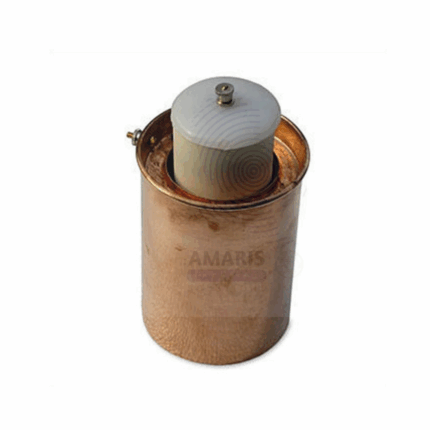
Daniel cell
The Daniel Cell is a classic electrochemical cell consisting of zinc and copper electrodes immersed in their respective sulfate solutions and connected by a salt bridge. It generates electrical energy through redox reactions and is used primarily for educational and laboratory demonstrations in electrochemistry.
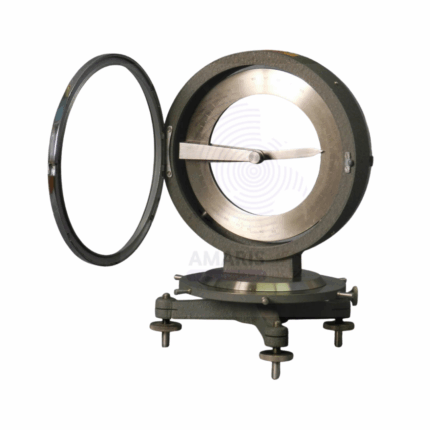
Dip Circle
A Dip Circle is a precision scientific instrument used for measuring the magnetic dip or inclination angle of the Earth’s magnetic field at a specific location. It consists of a magnetic needle or dip needle mounted on a graduated circular scale, which can rotate freely in the vertical plane. The instrument allows geologists, physicists, and surveyors to determine the angle between the horizontal plane and the Earth’s magnetic field lines, an important parameter in geomagnetic studies and navigation. Dip circles are commonly employed in academic research, mineral exploration, and educational demonstrations to analyze variations in Earth’s magnetism and assist in directional orientation.












