

 Preservatives(food)
 Flavor Enhancers
 Acidulants
 Sweeteners
 Antioxidants
 Colorants(food)
 Nutraceutical Ingredients (food)
 Nutrient Supplements
 Emulsifiers
 Collectors
 Dust Suppressants
 Explosives and Blasting Agents
 Flocculants and Coagulants
 Frothers
 Leaching Agents
 pH Modifiers
 Precious Metal Extraction Agents
 Antioxidants(plastic)
 Colorants (Pigments, Dyes)
 Fillers and Reinforcements
 Flame Retardants
 Monomers
 Plasticizers
 Polymerization Initiators
 Stabilizers (UV, Heat)
 Antifoaming Agents
 Chelating Agents
 Coagulants and Flocculants
 Corrosion Inhibitors
 Disinfectants and Biocides
 Oxidizing Agents
 pH Adjusters
 Scale Inhibitors( water)
 Antioxidants(cosmetic)
 Emollients
 Fragrances and Essential Oils
 Humectants
 Preservatives
 Surfactants(cosmetic)
 Thickeners
 UV Filters
 Fertilizers
 Soil Conditioners
 Plant Growth Regulators
 Animal Feed Additives
 Biostimulants
 Pesticides (Herbicides, Insecticides, Fungicides)
 Active Pharmaceutical Ingredients (APIs)
 Excipients
 Solvents(pharmaceutical)
 Antibiotics
 Antiseptics and Disinfectants
 Vaccine Adjuvants
 Nutraceutical Ingredients (pharmaceutical)
 Analgesics & Antipyretics
 Analytical Reagents
 Solvents(lab)
 Chromatography Chemicals
 Spectroscopy Reagents
 microbiology-and-cell-culture-reagents
 Molecular Biology Reagents
 Biochemical Reagents
 Inorganic and Organic Standards
 Laboratory Safety Chemicals
 Specialty Laboratory Chemicals(Special Laboratory Equipment)
 Demulsifiers
 Hydraulic Fracturing Fluids
 Scale Inhibitors(oil)
 Surfactants(oil)
 Drilling Fluids
 Dyes and Pigments
 Bleaching Agents
 Softening Agents
 Finishing Agents
 Antistatic Agents
 Admixtures
 Waterproofing Agents
 Sealants and Adhesives
 Curing Compounds
 Concrete Repair Chemicals
 Anti-Corrosion Coatings
 Surfactants(cleaning)
 Builders
 Enzymes
 Solvents (Cleaning)
 Fragrances
 Electronic Chemicals
 Catalysts
 Lubricants
 Photographic Chemicals
 Refrigerants
 Automotive chemicals
 Pyrotechnic Chemicals
 Biodegradable Surfactants
 Bio-based Solvents
 Renewable Polymers
 Carbon Capture Chemicals
 Wastewater Treatment Chemicals
 Pigments
 Solvents(paint)
 Specialty Coatings
 Binders/Resins
 Additives
 Driers
 Anti-Corrosion Agents
 Functional Coatings
 Application-Specific Coatings
 Leavening Agents
 Dough Conditioners
 Flour Treatments
 Fat Replacers
 Decoratives
 Preservatives(baking)
 Plasticizers & Softeners
 Reinforcing Agents
 Adhesion Promoters
 Vulcanizing Agents
 Antidegradants
 Blowing Agents
 Fillers & Extenders
 Accelerators & Retarders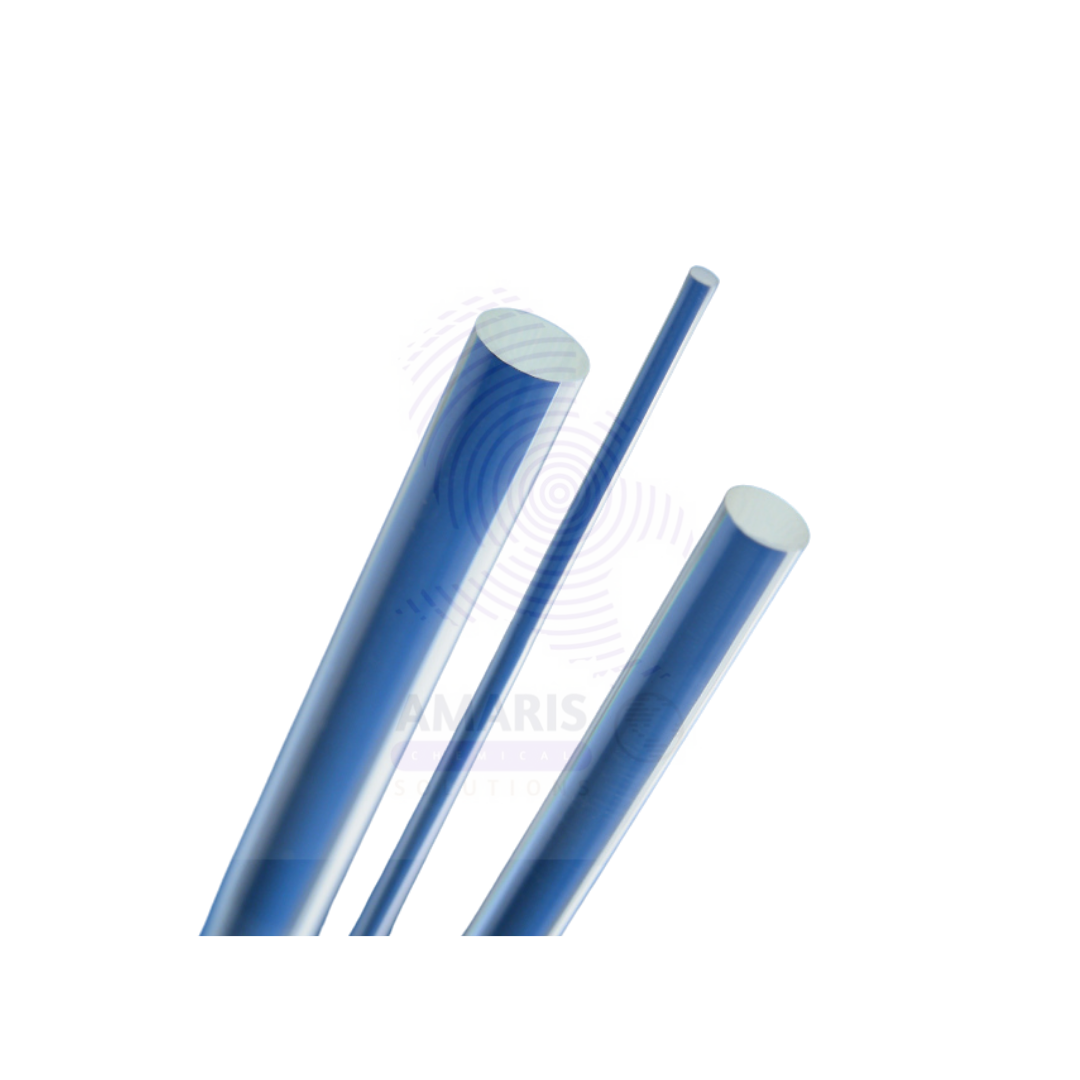



Glass Rod for Static Electricity
Original price was: $ 3.12.$ 3.06Current price is: $ 3.06.
Glass Rod for Static Electricity is a smooth, cylindrical rod made from high-quality glass designed specifically for generating static electricity through friction. Commonly used in physics laboratories and educational demonstrations, this rod serves as a fundamental tool to study electrostatics by producing and transferring electric charges when rubbed with materials like silk or wool. The rod’s chemically resistant, durable glass surface allows repeated use without degradation. It is an essential apparatus for teaching concepts such as charge generation, attraction, repulsion, and the behavior of static electricity in various materials.
Glass Rod for Static Electricity
Primary Uses
- Educational and Laboratory Applications
- Demonstrating the principles of static electricity generation through friction in physics experiments.
- Used in electrostatics experiments to produce and transfer electric charges.
- Illustrating the behavior of charged bodies, including attraction and repulsion forces.
- Supporting experiments on charge distribution and grounding effects.
- Employing in electrostatic demonstrations for students in academic settings.
Secondary Uses
- Research and Industrial Applications
- Assisting in research on static charge effects on materials and surfaces.
- Used in electrostatic precipitators and pollution control studies for understanding charge behavior.
- Supporting design and testing of antistatic materials and coatings.
- Demonstrating charge induction and discharge phenomena in industrial safety training.
1.Basic Identification Attributes
- Material: High-quality, chemically resistant glass.
- Shape: Smooth cylindrical rod, uniform diameter.
- Size: Available in various lengths suitable for laboratory and classroom use.
2.Physical & Chemical Properties
- Glass surface provides excellent durability and consistent charge generation.
- Chemically inert, resistant to most laboratory reagents and cleaning agents.
3.Safety & Hazard Attributes
- Fragile glass requires careful handling to prevent breakage and injury.
- Static charges generated may cause mild shocks; use with caution.
4.Storage & Handling Attributes
- Store in padded containers to avoid mechanical damage.
- Handle gently and use appropriate supports during experiments.
5.Regulatory & Compliance Attributes
- Manufactured to meet laboratory safety and quality standards.
6.Environmental & Health Impact
- Glass is recyclable and environmentally sustainable.
- No hazardous materials involved in production or use.
Safety Handling Precautions
- Use with care to prevent glass breakage and cuts.
- Avoid direct contact with strong electrical sources.
First Aid Measures
- Treat cuts or injuries from broken glass immediately.
- Seek medical attention if necessary.
Firefighting Measures
- Non-flammable material; no fire hazard.
Related products

Borosilicate Glass Tubings
Borosilicate Glass Tubings are high-quality glass tubes made from borosilicate material, known for excellent thermal resistance and chemical durability. These tubes are used extensively in laboratories and industries for transporting gases and liquids, conducting experiments, and fabricating custom glass apparatus. Their high resistance to thermal shock and chemical corrosion makes them ideal for harsh lab environments and industrial processes. Available in various diameters and lengths, these tubings can be cut or bent to suit specific experimental setups.
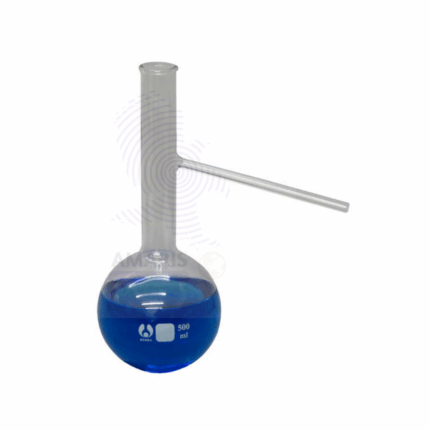
Distillation Flask with Side Arm
Distillation Flask with Side Arm is a specialized piece of laboratory glassware designed for use in distillation processes. Made from chemically resistant borosilicate glass, this flask features a round or pear-shaped body with a side arm outlet for vapor to pass through to the condenser. It serves as the container in which liquid mixtures are heated and vaporized, enabling separation based on boiling points. The side arm allows vapors to exit efficiently while minimizing the risk of leaks or contamination. This flask is essential in organic synthesis, chemical purification, and analytical laboratories, facilitating precise and safe distillation operations.

Expansion of Liquid Apparatus
Expansion of Liquid Apparatus is a laboratory device designed to measure the volumetric expansion of liquids when subjected to temperature changes. It consists of a graduated glass tube connected to a bulb containing the test liquid. As the liquid heats and expands, the change in volume is observed and recorded through the graduated scale. This apparatus is essential in physical chemistry and materials science for studying thermal expansion coefficients and understanding liquid behavior under varying thermal conditions. It is commonly made from chemically resistant borosilicate glass to withstand thermal stress and chemical exposure.
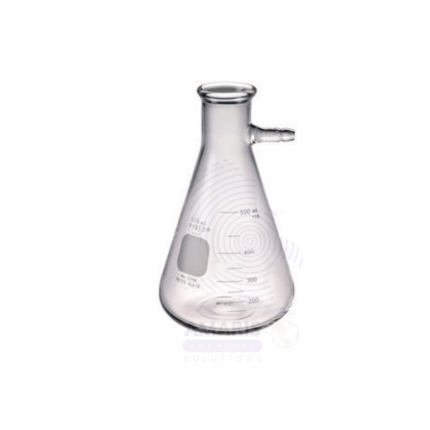
Filter Flask
Filter Flask is a specially designed laboratory glass vessel, typically made from chemically resistant borosilicate glass, featuring a thick-walled body and a side arm for connection to vacuum sources. It is used in vacuum filtration procedures to collect filtrates efficiently while providing durability and chemical resistance. The side arm allows attachment to vacuum pumps or aspirators to create suction, speeding up the filtration process. Filter flasks are essential in chemical, biological, and pharmaceutical labs for separating solids from liquids, clarifying solutions, and sample preparation.
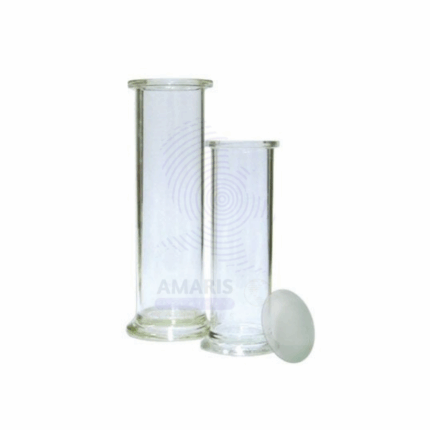
Gas Jar with Lid
Gas Jar with Lid is a durable, chemically resistant container designed for the collection, storage, and measurement of gases in laboratory settings. Typically made from high-quality borosilicate glass or plastic, the gas jar comes with a tight-fitting lid—often equipped with ports or holes—to ensure an airtight seal and facilitate gas transfer or measurement. This apparatus is essential for conducting gas collection experiments safely and accurately, preventing contamination and gas loss. Widely used in educational, research, and industrial laboratories, gas jars with lids enable efficient handling of gases such as oxygen, hydrogen, carbon dioxide, and other experimental gases.

Microscope cover slips
Microscope Cover Slips are thin, flat pieces of transparent glass or plastic used in microscopy to cover specimens placed on microscope slides. They serve to protect the specimen from contamination, prevent drying, and provide a uniform thickness for improved optical clarity during examination. Cover slips help to flatten the specimen, ensuring even focus and minimizing distortion under the microscope lens. They are typically made from high-quality borosilicate or soda-lime glass to offer excellent optical transparency and chemical resistance. Available in various sizes and thicknesses, cover slips are essential in biological, medical, and research laboratories for preparing wet mounts, fixed samples, and stained slides. Their use enhances image resolution and protects both the specimen and microscope objective lenses.
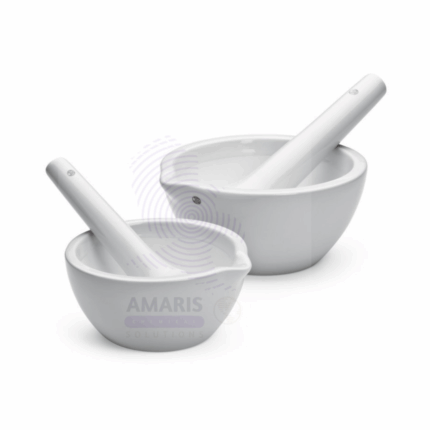
Mortar and pestle
Mortar and Pestle is a traditional laboratory apparatus consisting of a bowl (mortar) and a heavy club-shaped tool (pestle) used to manually grind, crush, and mix solid substances into fine powders or pastes. Made from durable materials such as ceramic, glass, porcelain, or stone, this tool facilitates the preparation of samples for chemical analysis, pharmaceutical compounding, and food laboratory testing. The mortar’s thick walls and the pestle’s sturdy design allow effective pulverization without contamination. Mortar and pestle sets are essential in laboratories for homogenizing powders, breaking down crystals, and preparing reagents and mixtures. Their simplicity and reliability make them a staple in chemistry, biology, pharmacology, and food science labs worldwide.
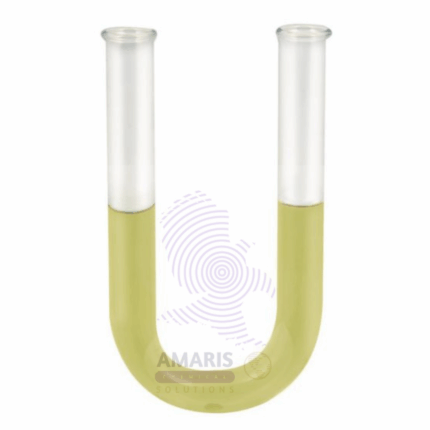
U tube lab glass
U Tube Lab Glass is a precision-crafted glass apparatus shaped in a U-form, widely used in laboratory experiments involving fluid dynamics, pressure measurement, and gas collection. Made from chemically resistant borosilicate glass, the U Tube offers excellent durability, thermal resistance, and clarity for easy observation of liquids and gases. It is commonly employed in physics, chemistry, and engineering labs for manometer setups, fluid flow experiments, and pressure differential measurements. The design ensures accurate and reliable results while withstanding the rigors of routine laboratory use.












