

 Preservatives(food)
 Flavors
 Acidulants
 Sweeteners
 Antioxidants
 Colorants(food)
 Nutraceutical Ingredients (food)
 Nutrient Supplements
 Emulsifiers
 Collectors
 Dust Suppressants
 Explosives and Blasting Agents
 Flocculants and Coagulants
 Frothers
 Leaching Agents
 pH Modifiers
 Precious Metal Extraction Agents
 Antioxidants(plastic)
 Colorants (Pigments, Dyes)
 Fillers and Reinforcements
 Flame Retardants
 Monomers
 Plasticizers
 Polymerization Initiators
 Stabilizers (UV, Heat)
 Antifoaming Agents
 Chelating Agents
 Coagulants and Flocculants
 Corrosion Inhibitors
 Disinfectants and Biocides
 Oxidizing Agents
 pH Adjusters
 Scale Inhibitors( water)
 Antioxidants(cosmetic)
 Emollients
 Oils
Oils Carrier Oills
 Essential Oils
 Humectants
 Preservatives
 Surfactants(cosmetic)
 Thickeners
 UV Filters
 Fragrance (Cosmetics)
 Fertilizers
 Soil Conditioners
 Plant Growth Regulators
 Animal Feed Additives
 Biostimulants
 Pesticides (Herbicides, Insecticides, Fungicides)
 Active Pharmaceutical Ingredients (APIs)
 Excipients
 Solvents(pharmaceutical)
 Antibiotics
 Antiseptics and Disinfectants
 Vaccine Adjuvants
 Nutraceutical Ingredients (pharmaceutical)
 Analgesics & Antipyretics
 Analytical Reagents
 Solvents(lab)
 Chromatography Chemicals
 Spectroscopy Reagents
 microbiology-and-cell-culture-reagents
 Molecular Biology Reagents
 Biochemical Reagents
 Inorganic and Organic Standards
 Laboratory Safety Chemicals
 Specialty Laboratory Chemicals(Special Laboratory Equipment)
 Demulsifiers
 Hydraulic Fracturing Fluids
 Scale Inhibitors(oil)
 Surfactants(oil)
 Drilling Fluids
 Dyes and Pigments
 Bleaching Agents
 Softening Agents
 Finishing Agents
 Antistatic Agents
 Admixtures
 Waterproofing Agents
 Sealants and Adhesives
 Curing Compounds
 Concrete Repair Chemicals
 Anti-Corrosion Coatings
 Surfactants(cleaning)
 Builders
 Enzymes
 Solvents (Cleaning)
 Electronic Chemicals
 Catalysts
 Lubricants
 Photographic Chemicals
 Refrigerants
 Automotive chemicals
 Pyrotechnic Chemicals
 Biodegradable Surfactants
 Bio-based Solvents
 Renewable Polymers
 Carbon Capture Chemicals
 Wastewater Treatment Chemicals
 Pigments
 Solvents(paint)
 Specialty Coatings
 Binders/Resins
 Additives
 Driers
 Anti-Corrosion Agents
 Functional Coatings
 Application-Specific Coatings
 Leavening Agents
 Dough Conditioners
 Flour Treatments
 Fat Replacers
 Decoratives
 Preservatives(baking)
 Plasticizers & Softeners
 Reinforcing Agents
 Adhesion Promoters
 Vulcanizing Agents
 Antidegradants
 Blowing Agents
 Fillers & Extenders
 Accelerators & Retarders

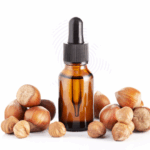
Grape Seed Oil
Original price was: $ 19.43.$ 19.35Current price is: $ 19.35.
Grape Seed Oil is a light, pale-yellow oil extracted from the seeds of grapes (Vitis vinifera), typically obtained through cold pressing or solvent extraction. Renowned for its high content of polyunsaturated fatty acids, especially linoleic acid, as well as antioxidants like vitamin E and phenolic compounds, Grape Seed Oil is prized for its nourishing, moisturizing, and anti-inflammatory properties. Widely used in cosmetics, skincare, pharmaceutical formulations, and culinary applications, it is valued for its non-greasy texture and rapid absorption. Grape Seed Oil supports skin elasticity, helps repair damaged skin, and provides a protective barrier against environmental stressors.
Grape Seed Oil
Primary Uses
- Cosmetic and Personal Care Chemicals
- Used extensively in skin care products such as moisturizers, serums, and anti-aging creams for its antioxidant and hydrating properties.
- Incorporated into hair care formulations to nourish and strengthen hair, reduce frizz, and promote shine.
- Used in massage oils and body lotions for its light texture and skin-softening benefits.
- Pharmaceutical Chemicals
- Employed as an excipient and carrier oil in topical and transdermal drug delivery systems.
- Used in wound healing ointments and dermatological formulations for skin regeneration.
- Food and Beverage Chemicals
- Utilized as a cooking oil and dietary supplement for its beneficial fatty acid profile and antioxidant content.
- Added as a flavor enhancer in salad dressings, sauces, and health food products.
- Cleaning and Detergent Chemicals
- Included in natural and gentle soaps and body washes for moisturizing and conditioning effects.
Secondary Uses
- Aromatherapy and Wellness
- Used as a carrier oil for essential oils in aromatherapy blends and massage treatments.
- Valued for its skin-soothing qualities in therapeutic massage and spa treatments.
- Industrial Applications
- Occasionally applied in leather conditioning and polishing products.
- Used in the manufacture of biodegradable lubricants and cosmetics.
1. Basic Identification Attributes
- Botanical Name: Vitis vinifera
- Common/Trade Name: Grape Seed Oil
- INCI Name: Vitis Vinifera (Grape) Seed Oil
- CAS Number: 8024-22-4
- HS Code: 1515.90
- Synonyms: Grapeseed Oil, Grape Oil
2. Physical & Chemical Properties
- Physical State: Clear, light yellow to pale amber liquid
- Color & Odor: Mild, nutty aroma; color ranges from pale yellow to light green
- Solubility: Insoluble in water; soluble in alcohol and oils
- Specific Gravity: 0.915 – 0.940
- Main Components: Linoleic acid (65-75%), oleic acid, palmitic acid, vitamin E, phenolic antioxidants
3. Safety & Hazard Attributes
- GHS Classification: Generally regarded as safe; low irritation potential
- Toxicity: Non-toxic, non-irritating when used appropriately
- Exposure Limits: No specific occupational limits; standard precautions recommended
- Allergen Information: Rarely causes allergic reactions
4. Storage & Handling Attributes
- Storage Conditions: Store in a cool, dry place away from light and heat
- Container Type: Amber glass or food-grade plastic containers
- Shelf Life: 12 to 24 months depending on storage conditions
- Handling Precautions: Keep containers sealed to prevent oxidation and rancidity
5. Regulatory & Compliance Attributes
- Compliant with cosmetic, pharmaceutical, and food-grade standards
- Produced in GMP-certified facilities
6. Environmental & Health Impact
- Biodegradability: Biodegradable
- Ecotoxicity: Low environmental impact
- Bioaccumulation: Not expected
Safety Handling Precautions
- PPE Required: Minimal; gloves recommended for industrial handling
- Handling Guidelines: Avoid contamination and prolonged exposure to air to prevent oxidation
First Aid Measures
- Inhalation: Not typically applicable; move to fresh air if irritation occurs
- Skin Contact: Wash with soap and water if irritation develops
- Eye Contact: Flush with water if accidental contact occurs
- Ingestion: Non-toxic; seek medical advice if large amounts ingested
Firefighting Measures
- Fire Hazards: Combustible; keep away from open flames and heat sources
- Extinguishing Media: Use foam, dry chemical, or CO₂ extinguishers
- Special Precautions: Avoid inhalation of smoke from burning oil
- Hazardous Combustion Products: Carbon oxides and other organic fumes
Related products
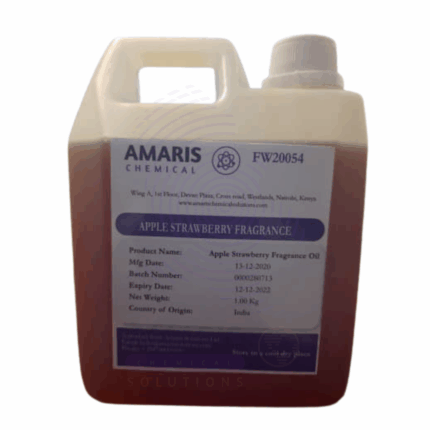
Apple Strawberry Fragrance Oil
Apple Strawberry Fragrance Oil is a concentrated synthetic fragrance blend that combines the fresh, sweet aroma of ripe apples with the juicy, vibrant scent of strawberries. This fragrance oil is designed for use in cosmetic, personal care, and household products, enhancing their sensory appeal. It offers excellent stability and compatibility with various formulations including lotions, soaps, candles, and air fresheners, providing a refreshing and fruity fragrance experience.
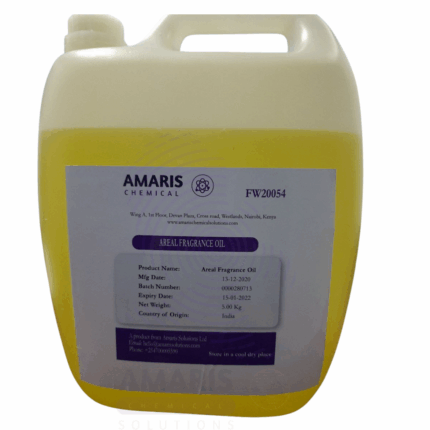
Areal Fragrance Oil
Areal Fragrance Oil is a premium synthetic fragrance blend designed to replicate the crisp, clean scent of fresh linen with subtle floral and breezy undertones. This fragrance oil is widely used across personal care and home fragrance applications due to its light, refreshing profile and excellent stability in both water- and oil-based systems. Its long-lasting scent makes it ideal for formulating products that evoke cleanliness, freshness, and comfort. Areal Fragrance Oil is compatible with various product bases and performs well under high-temperature processing conditions.
Baby Johnson Fragrance Oil
Baby Johnson Fragrance Oil is a delicate, powdery fragrance blend designed to replicate the soothing and familiar scent associated with traditional baby care products. It features soft floral, musk, and aldehydic notes that evoke a sense of cleanliness and comfort. This fragrance oil is highly stable in a wide range of formulations and offers excellent scent retention, making it ideal for personal care, household, and industrial fragrance applications. Its gentle scent profile is especially favored in products targeting sensitive users and infant care segments.

Camphor White Oil
Camphor White Oil is a steam-distilled essential oil obtained from the wood of the Camphor tree (Cinnamomum camphora), primarily from the white fraction, which is rich in 1,8-cineole, camphor, and linalool. This fraction is the most commonly used in aromatherapy and topical preparations due to its potent but relatively balanced composition compared to brown or yellow fractions. The oil has a sharp, penetrating aroma with a cooling, medicinal character.
Traditionally used in topical pain relief, respiratory care, and soothing balms, Camphor White Oil is known for its anti-inflammatory, decongestant, antiseptic, and stimulating effects. It is widely used in cosmetics, personal care, pharmaceuticals, and aromatherapy formulations.
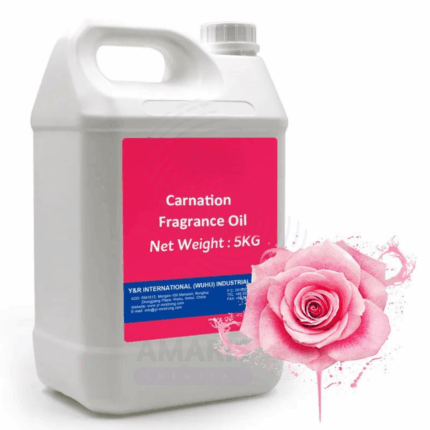
Carnation Fragrance Oil
Carnation Fragrance Oil is a premium-quality aromatic oil that captures the delicate, sweet, and floral scent of fresh carnation blossoms. Renowned for its rich, rosy fragrance with subtle spicy undertones, this fragrance oil is ideal for use in perfumes, personal care products, and home fragrances. Its excellent solubility and long-lasting aroma make it a preferred choice for creating elegant and refreshing scent profiles in a variety of applications.
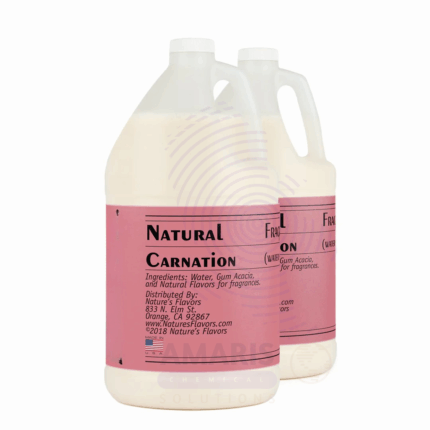
Carnation Water Soluble Fragrance
Carnation Water Soluble Fragrance is a delicately formulated aromatic blend that captures the spicy-floral essence of carnation petals in a water-compatible form. This fragrance is designed to dissolve completely in water-based systems without clouding or separation, making it ideal for use in a variety of personal care, household, and specialty applications. Its classic floral character imparts a soft, comforting scent, perfect for enhancing the sensory appeal of creams, sprays, cleansers, and other aqueous formulations. Known for its elegance and freshness, Carnation Fragrance adds a timeless aroma profile to any product.
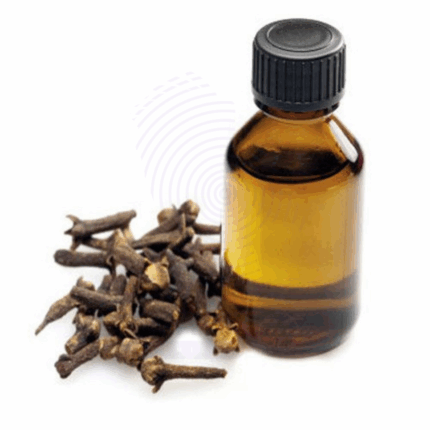
Clove Bud Oil
Clove Bud Oil is a potent essential oil obtained through steam distillation of the flower buds of the Syzygium aromaticum (formerly Eugenia caryophyllata) tree. Renowned for its strong, spicy, and warm aroma, it is rich in eugenol — a powerful natural compound with significant antiseptic, analgesic, and antimicrobial properties.
Used historically in dental care, traditional medicine, and perfumery, Clove Bud Oil is now widely applied in cosmetics, oral care, food flavoring, wellness, and natural cleaning products. It is also valued in aromatherapy for its grounding and energizing effects.

Clove Leaf Oil
Clove Leaf Oil is a high-phenol essential oil extracted via steam distillation from the leaves of Syzygium aromaticum (formerly Eugenia caryophyllata). It typically contains up to 80–85% eugenol, which gives it a sharper, more herbaceous aroma than clove bud oil. This oil is prized for its potent antiseptic, analgesic, antifungal, and antioxidant properties. Used in oral care, topical formulations, fragrances, cleaning agents, and agricultural applications, it is valued for both its therapeutic efficacy and aromatic profile.












