

 Preservatives(food)
 Flavor Enhancers
 Acidulants
 Sweeteners
 Antioxidants
 Colorants(food)
 Nutraceutical Ingredients (food)
 Nutrient Supplements
 Emulsifiers
 Collectors
 Dust Suppressants
 Explosives and Blasting Agents
 Flocculants and Coagulants
 Frothers
 Leaching Agents
 pH Modifiers
 Precious Metal Extraction Agents
 Antioxidants(plastic)
 Colorants (Pigments, Dyes)
 Fillers and Reinforcements
 Flame Retardants
 Monomers
 Plasticizers
 Polymerization Initiators
 Stabilizers (UV, Heat)
 Antifoaming Agents
 Chelating Agents
 Coagulants and Flocculants
 Corrosion Inhibitors
 Disinfectants and Biocides
 Oxidizing Agents
 pH Adjusters
 Scale Inhibitors( water)
 Antioxidants(cosmetic)
 Emollients
 Fragrances and Essential Oils
 Humectants
 Preservatives
 Surfactants(cosmetic)
 Thickeners
 UV Filters
 Fertilizers
 Soil Conditioners
 Plant Growth Regulators
 Animal Feed Additives
 Biostimulants
 Pesticides (Herbicides, Insecticides, Fungicides)
 Active Pharmaceutical Ingredients (APIs)
 Excipients
 Solvents(pharmaceutical)
 Antibiotics
 Antiseptics and Disinfectants
 Vaccine Adjuvants
 Nutraceutical Ingredients (pharmaceutical)
 Analgesics & Antipyretics
 Analytical Reagents
 Solvents(lab)
 Chromatography Chemicals
 Spectroscopy Reagents
 microbiology-and-cell-culture-reagents
 Molecular Biology Reagents
 Biochemical Reagents
 Inorganic and Organic Standards
 Laboratory Safety Chemicals
 Specialty Laboratory Chemicals(Special Laboratory Equipment)
 Demulsifiers
 Hydraulic Fracturing Fluids
 Scale Inhibitors(oil)
 Surfactants(oil)
 Drilling Fluids
 Dyes and Pigments
 Bleaching Agents
 Softening Agents
 Finishing Agents
 Antistatic Agents
 Admixtures
 Waterproofing Agents
 Sealants and Adhesives
 Curing Compounds
 Concrete Repair Chemicals
 Anti-Corrosion Coatings
 Surfactants(cleaning)
 Builders
 Enzymes
 Solvents (Cleaning)
 Fragrances
 Electronic Chemicals
 Catalysts
 Lubricants
 Photographic Chemicals
 Refrigerants
 Automotive chemicals
 Pyrotechnic Chemicals
 Biodegradable Surfactants
 Bio-based Solvents
 Renewable Polymers
 Carbon Capture Chemicals
 Wastewater Treatment Chemicals
 Pigments
 Solvents(paint)
 Specialty Coatings
 Binders/Resins
 Additives
 Driers
 Anti-Corrosion Agents
 Functional Coatings
 Application-Specific Coatings
 Leavening Agents
 Dough Conditioners
 Flour Treatments
 Fat Replacers
 Decoratives
 Preservatives(baking)
 Plasticizers & Softeners
 Reinforcing Agents
 Adhesion Promoters
 Vulcanizing Agents
 Antidegradants
 Blowing Agents
 Fillers & Extenders
 Accelerators & Retarders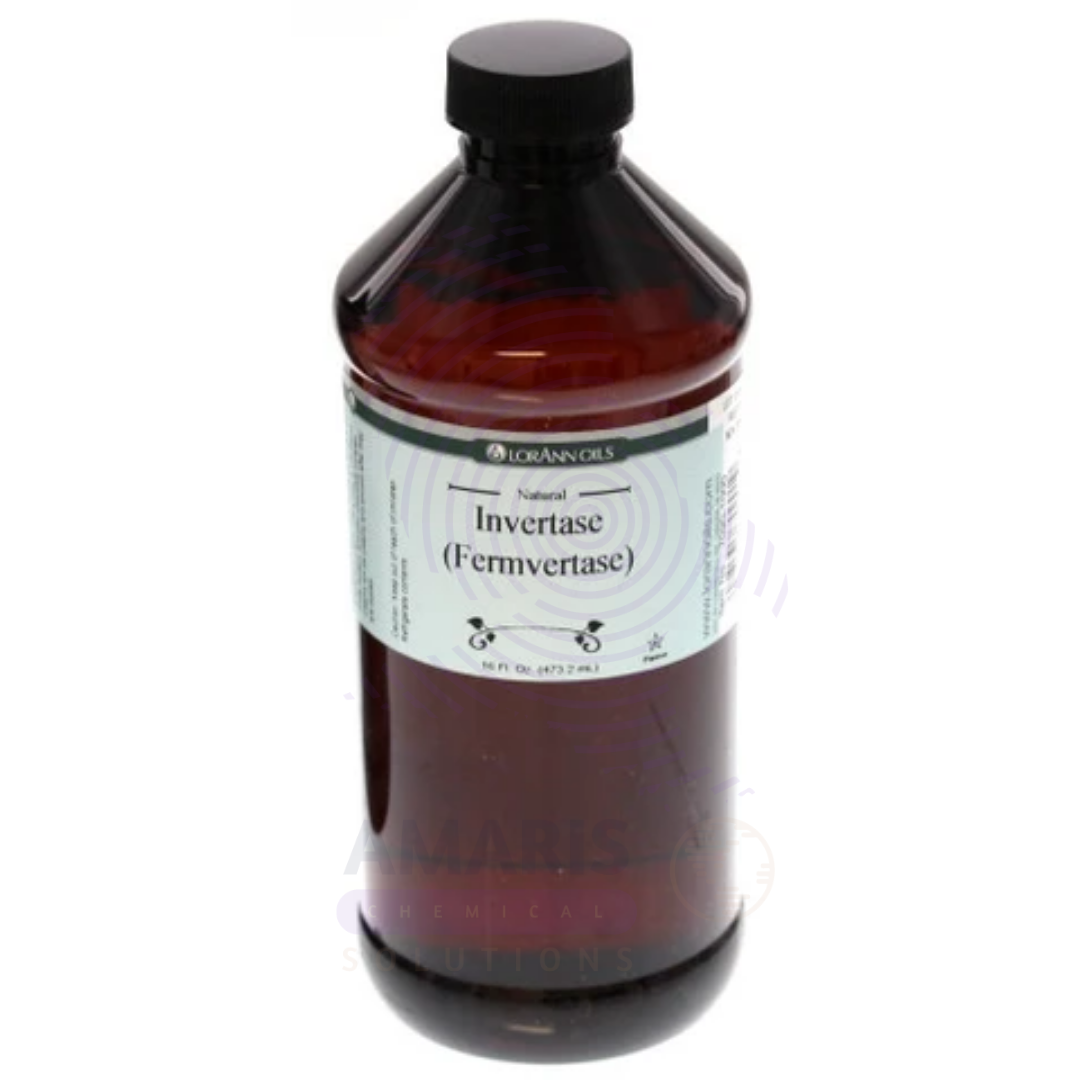


Invertase Extra Pure
Original price was: $ 18.00.$ 17.86Current price is: $ 17.86.
Invertase Extra Pure is a high-grade enzyme preparation that catalyzes the hydrolysis of sucrose into glucose and fructose. Valued for its exceptional purity and enzymatic activity, it is extensively used in biochemical research, food analysis, and industrial applications where accurate sugar conversion is critical. This enzyme plays a crucial role in fermentation processes, enzymatic assays, and carbohydrate studies. Its stability and efficiency make it a preferred choice in laboratories requiring consistent, reproducible results. For best performance, it should be stored in a cool, dry place and handled with care to preserve its enzymatic integrity.
Invertase Extra Pure
Primary Uses
- Enzymatic Hydrolysis of Sucrose:
Invertase catalyzes the breakdown of sucrose into glucose and fructose, making it essential in carbohydrate metabolism studies, enzyme kinetics, and biochemistry experiments. - Fermentation and Microbial Research:
Commonly used to support yeast fermentation studies and to analyze sugar utilization pathways in microbes. - Food Chemistry and Sugar Analysis:
Utilized in quantifying invert sugar content and evaluating sugar transformation during storage or processing.
Secondary Uses
- Educational Demonstrations of Enzyme Activity:
Serves as a reliable model enzyme in biotechnology or biology labs to teach about enzyme specificity, pH dependence, and temperature effects. - Substrate for Biosensor Development:
Studied in biosensors where invertase is immobilized to detect sugars or other analytes through enzymatic action. - Pharmaceutical and Nutraceutical Research:
Investigated for its role in formulating sugar-modified compounds or studying enzyme-stabilizing excipients.
| PACK SIZE | 100ml |
|---|
1. Basic Identification Attributes
- Product Name: Invertase
- Grade: Extra Pure (Laboratory/Analytical Grade)
- Also Known As: β-fructofuranosidase
- Enzyme Commission Number (EC): 3.2.1.26
- CAS Number: 9001-57-4
- Appearance: Off-white to beige powder
- Odor: Faint characteristic enzyme odor
- Source: Typically derived from Saccharomyces cerevisiae (yeast) or fungi
2. Physical & Chemical Properties
- Activity Range: Typically 100–300 U/mg (may vary by supplier)
- Solubility: Soluble in water, forms clear or slightly turbid solutions
- Optimal pH: 4.5–5.5
- Optimal Temperature: 50–60°C
- Stability: Sensitive to heat above 60°C and extreme pH; stable when stored dry and cold
3. Safety & Hazard Attributes
- GHS Classification: Not classified as hazardous
- Hazard Statements: None known for Extra Pure grade
- PPE Requirements:
- Dust mask or respirator (if handling large amounts)
- Gloves
- Safety goggles
- Lab coat
- First Aid Measures:
- Inhalation: Remove to fresh air; seek help if irritation occurs
- Skin Contact: Wash with water
- Eye Contact: Rinse thoroughly with water
- Ingestion: Rinse mouth; not considered hazardous in lab-grade amounts
4. Storage & Handling Attributes
- Storage Conditions:
- Store at 2–8°C in a dry, airtight container
- Avoid moisture, heat, and direct sunlight
- May be kept frozen for long-term storage
- Handling Notes:
- Use clean, dry instruments
- Reconstitute only when needed
- Avoid aerosol formation
5. Regulatory & Compliance Attributes
- Labeling Requirements: Non-hazardous; handle as a protein/enzyme
- Shelf Life: Up to 1–2 years when properly stored
6. Laboratory Applications
- Primary Uses:
- Hydrolysis of sucrose into glucose and fructose (inversion)
- Biochemical assays for carbohydrate analysis
- Food chemistry and sugar profile studies
- Enzymology teaching and demonstration
- Secondary Uses:
- Industrial enzyme research (e.g., in confectionery and syrups)
- Fermentation efficiency studies
- Biofuel research involving sugar breakdown
SAFETY PRECAUTIONS
Personal Protective Equipment (PPE):
- Wear a lab coat, nitrile gloves, and safety goggles.
- Use a dust mask or fume hood when handling powder to avoid inhalation of enzyme particles.
Handling:
- Avoid breathing dust or aerosols.
- Prevent contact with skin and eyes.
- Handle with care to prevent generating dust.
- Wash hands thoroughly after handling.
Storage:
- Store in a cool, dry, and well-ventilated area.
- Keep the container tightly closed.
- Protect from moisture and heat.
- Avoid contamination with other chemicals.
FIRST AID MEASURES
Inhalation:
- Move to fresh air immediately.
- Seek medical attention if respiratory irritation or allergic reaction occurs.
Skin Contact:
- Wash with soap and water.
- Remove contaminated clothing.
- Seek medical advice if irritation or allergic symptoms appear.
Eye Contact:
- Rinse thoroughly with water for several minutes.
- Remove contact lenses if present and easy to do.
- Seek medical attention if irritation persists.
Ingestion:
- Rinse mouth with water.
- Do not induce vomiting.
- Seek medical attention if discomfort or symptoms develop.
FIRE FIGHTING MEASURES
Flammability:
- Not classified as flammable, but organic dust may present a combustible dust hazard.
Extinguishing Media:
- Use water spray, CO₂, dry chemical, or foam.
- Avoid high-pressure water jet that may spread dust.
Hazardous Combustion Products:
- May emit carbon oxides and nitrogen oxides if involved in fire.
Firefighter Protection:
- Wear self-contained breathing apparatus (SCBA) and full protective clothing.
- Avoid inhalation of combustion fumes.
Related products
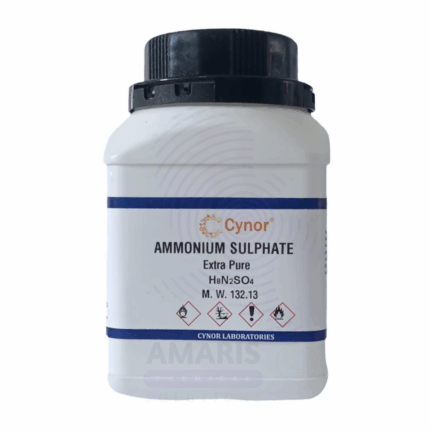
Ammonium Sulphate Extra Pure
Ammonium Sulphate Extra Pure is a high-purity, white crystalline compound widely used in laboratory settings for biochemical, analytical, and inorganic chemistry applications. It is especially renowned for its role in protein purification through salting-out techniques, where it helps to selectively precipitate proteins without denaturing them. In analytical chemistry, it is used as a source of ammonium and sulfate ions in standard solution preparation and as a supporting electrolyte in various reactions. Its extra pure grade guarantees minimal contaminants, making it suitable for sensitive experiments and research involving enzymes, buffers, and molecular biology. It should be stored in a tightly sealed container in a cool, dry environment to prevent caking and moisture absorption.
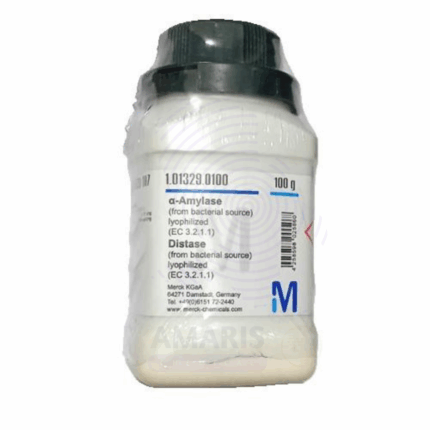
Amylase Extra Pure
Amylase Extra Pure is a high-purity enzyme preparation used extensively in laboratory settings for biochemical, enzymatic, and molecular biology research. It catalyzes the hydrolysis of starch into simpler sugars like maltose and glucose, making it essential in studies of carbohydrate metabolism, enzyme kinetics, and digestive processes. Its extra pure grade ensures minimal non-enzymatic contaminants, providing consistent and reliable performance in sensitive assays, substrate specificity tests, and educational experiments. Ideal for use in enzymology, food analysis, and biotechnology applications, amylase should be stored under cool, dry conditions—typically refrigerated or frozen—to preserve its enzymatic activity and stability.
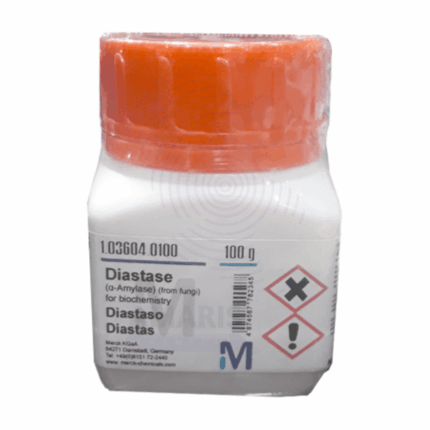
Diastase Enzyme Powder Extra Pure
Diastase Enzyme Powder Extra Pure is a high-activity amylolytic enzyme preparation used in laboratory settings to catalyze the breakdown of starch into simpler sugars like maltose and glucose. It plays a crucial role in biochemical and enzymatic assays, fermentation studies, and educational demonstrations involving carbohydrate metabolism. This extra pure grade ensures high enzyme purity, offering reliable and reproducible results in analytical work and research. Ideal for controlled hydrolysis experiments and studies on enzyme kinetics, it should be stored in a cool, dry place to preserve its enzymatic activity and stability.
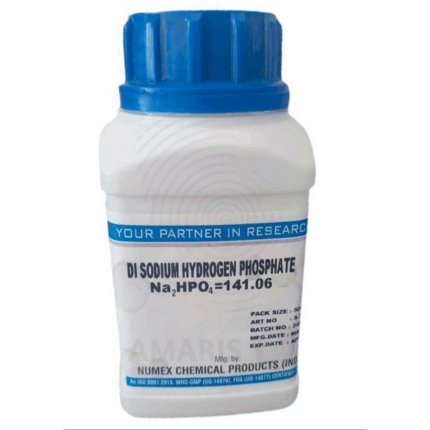
Disodium Hydrogen Phosphate Extra Pure
Disodium Hydrogen Phosphate Extra Pure is a high-purity, anhydrous inorganic salt widely used in laboratory settings as a buffering agent, pH regulator, and reagent in chemical analysis. It plays a crucial role in preparing phosphate buffer systems for biochemical assays, molecular biology protocols, and microbial culture media. With its reliable solubility and consistent reactivity, it supports accurate calibration of pH in solutions. Its extra pure grade ensures minimal contamination, making it ideal for use in sensitive analytical and research environments. Proper storage in airtight containers is recommended to prevent moisture absorption and preserve its effectiveness.
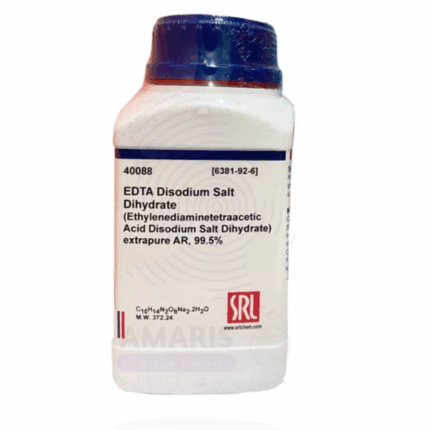
EDTA Disodium Salt Extra Pure
EDTA Disodium Salt Extra Pure is a high-purity chelating agent widely used in laboratory settings for complexometric titrations, metal ion sequestration, and buffer preparation. It binds strongly with divalent and trivalent metal ions like calcium, magnesium, and iron, making it essential in water hardness testing, biochemical research, and analytical chemistry. Its stability and effectiveness in controlling metal ion activity also make it valuable in molecular biology protocols and diagnostic reagent formulations.
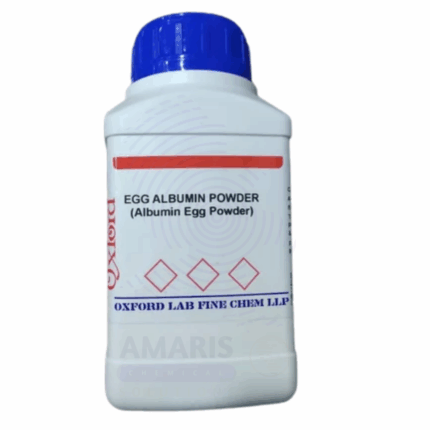
Egg Albumen Extra Pure
Egg Albumen Extra Pure is a high-grade laboratory reagent derived from the white of eggs, known for its excellent protein content and binding properties. It is commonly used in biochemical experiments, protein electrophoresis, microbiological media, and as a blocking agent in immunoassays like ELISA. Its purity ensures consistent results in sensitive lab procedures involving protein interactions, enzyme activity studies, and cell culture applications.
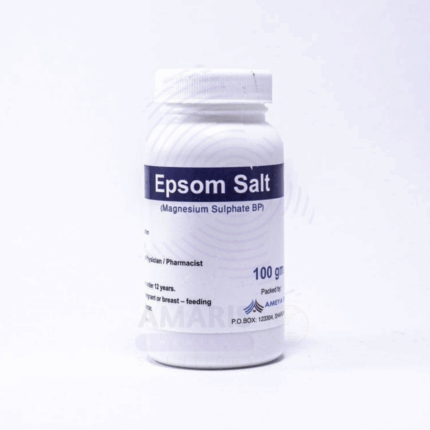
Epsom Salts Magnesium Sulphate Extra Pure
Epsom Salts Magnesium Sulphate Extra Pure is a high-purity, crystalline compound widely used in laboratory settings as a source of magnesium ions and as a drying or stabilizing agent in various chemical reactions. It is particularly valuable in analytical chemistry, buffer preparation, and qualitative tests involving sulfate or magnesium detection. In biological and biochemical research, it is often used to prepare nutrient solutions and culture media. The extra pure grade ensures minimal contaminants, making it suitable for precision applications and sensitive experiments. It should be stored in a cool, dry place to maintain its crystalline structure and prevent moisture absorption.
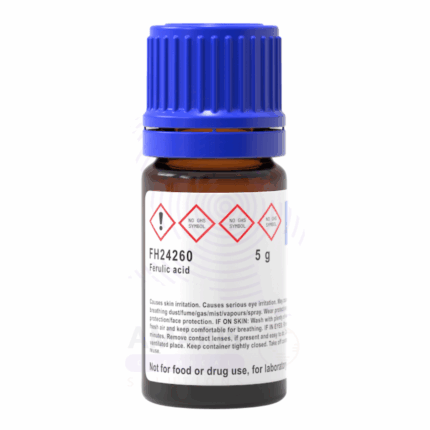
Ferulic Acid Extra Pure
Ferulic Acid Extra Pure is a high-grade organic compound widely valued for its potent antioxidant properties. Naturally found in the cell walls of plants such as rice, wheat, and oats, it plays a key role in protecting cells from oxidative stress by neutralizing free radicals. In laboratory and research settings, Ferulic Acid is frequently used in studies related to aging, skincare formulations, and UV protection, due to its ability to stabilize sensitive ingredients like vitamins C and E. Its high purity makes it especially suitable for pharmaceutical and cosmetic applications where consistency and efficacy are critical. This compound is also explored for its potential anti-inflammatory and antimicrobial benefits, further expanding its versatility across various scientific and industrial domains.












