

 Preservatives(food)
 Flavor Enhancers
 Acidulants
 Sweeteners
 Antioxidants
 Colorants(food)
 Nutraceutical Ingredients (food)
 Nutrient Supplements
 Emulsifiers
 Collectors
 Dust Suppressants
 Explosives and Blasting Agents
 Flocculants and Coagulants
 Frothers
 Leaching Agents
 pH Modifiers
 Precious Metal Extraction Agents
 Antioxidants(plastic)
 Colorants (Pigments, Dyes)
 Fillers and Reinforcements
 Flame Retardants
 Monomers
 Plasticizers
 Polymerization Initiators
 Stabilizers (UV, Heat)
 Antifoaming Agents
 Chelating Agents
 Coagulants and Flocculants
 Corrosion Inhibitors
 Disinfectants and Biocides
 Oxidizing Agents
 pH Adjusters
 Scale Inhibitors( water)
 Antioxidants(cosmetic)
 Emollients
 Fragrances and Essential Oils
 Humectants
 Preservatives
 Surfactants(cosmetic)
 Thickeners
 UV Filters
 Fertilizers
 Soil Conditioners
 Plant Growth Regulators
 Animal Feed Additives
 Biostimulants
 Pesticides (Herbicides, Insecticides, Fungicides)
 Active Pharmaceutical Ingredients (APIs)
 Excipients
 Solvents(pharmaceutical)
 Antibiotics
 Antiseptics and Disinfectants
 Vaccine Adjuvants
 Nutraceutical Ingredients (pharmaceutical)
 Analgesics & Antipyretics
 Analytical Reagents
 Solvents(lab)
 Chromatography Chemicals
 Spectroscopy Reagents
 microbiology-and-cell-culture-reagents
 Molecular Biology Reagents
 Biochemical Reagents
 Inorganic and Organic Standards
 Laboratory Safety Chemicals
 Specialty Laboratory Chemicals(Special Laboratory Equipment)
 Demulsifiers
 Hydraulic Fracturing Fluids
 Scale Inhibitors(oil)
 Surfactants(oil)
 Drilling Fluids
 Dyes and Pigments
 Bleaching Agents
 Softening Agents
 Finishing Agents
 Antistatic Agents
 Admixtures
 Waterproofing Agents
 Sealants and Adhesives
 Curing Compounds
 Concrete Repair Chemicals
 Anti-Corrosion Coatings
 Surfactants(cleaning)
 Builders
 Enzymes
 Solvents (Cleaning)
 Fragrances
 Electronic Chemicals
 Catalysts
 Lubricants
 Photographic Chemicals
 Refrigerants
 Automotive chemicals
 Pyrotechnic Chemicals
 Biodegradable Surfactants
 Bio-based Solvents
 Renewable Polymers
 Carbon Capture Chemicals
 Wastewater Treatment Chemicals
 Pigments
 Solvents(paint)
 Specialty Coatings
 Binders/Resins
 Additives
 Driers
 Anti-Corrosion Agents
 Functional Coatings
 Application-Specific Coatings
 Leavening Agents
 Dough Conditioners
 Flour Treatments
 Fat Replacers
 Decoratives
 Preservatives(baking)
 Plasticizers & Softeners
 Reinforcing Agents
 Adhesion Promoters
 Vulcanizing Agents
 Antidegradants
 Blowing Agents
 Fillers & Extenders
 Accelerators & Retarders
-3%

Kipps Apparatus Glass
Original price was: $ 38.89.$ 38.76Current price is: $ 38.76.

Knife Switch
Original price was: $ 7.88.$ 7.74Current price is: $ 7.74.

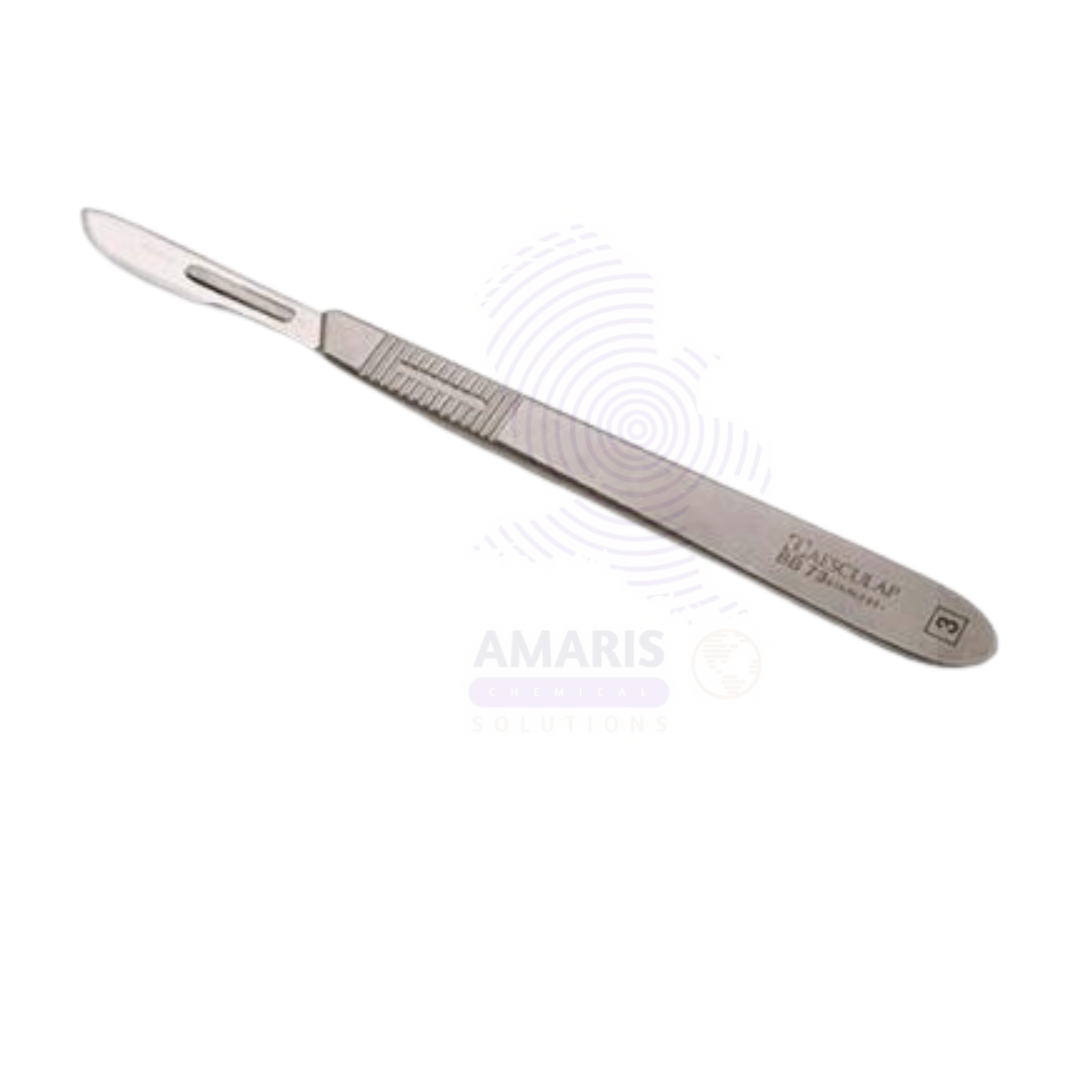
Knife Edge Scalpel
Original price was: $ 3.12.$ 3.04Current price is: $ 3.04.
Whatsapp Order
The Knife Edge Scalpel is a precision cutting instrument designed for fine dissection and surgical procedures in laboratory and medical settings. Featuring an extremely sharp, tapered blade with a knife-edge profile, this scalpel ensures clean, accurate cuts with minimal tissue damage. Constructed from high-quality stainless steel or specialized alloys, the Knife Edge Scalpel offers excellent corrosion resistance and durability. It is widely used in pathology, biological research, microsurgery, and other applications requiring meticulous cutting performance.
Description
Knife Edge Scalpel
Primary Uses
- Medical and Laboratory Applications
- Used for precise incisions in surgical procedures and dissections.
- Ideal for cutting soft tissues in biological and anatomical studies.
- Employed in pathology labs for specimen preparation.
- Utilized in microsurgery and delicate laboratory manipulations requiring fine control.
- Supports sample preparation for histological and microscopic analysis.
Secondary Uses
- Research and Educational Settings
- Used in research labs for tissue extraction and sample processing.
- Commonly applied in teaching labs to train students in surgical and dissection techniques.
- Suitable for use in forensic and veterinary laboratories for detailed specimen work.
KEY PRODUCT FEATURES
1.Basic Identification Attributes
- Material: High-grade stainless steel or surgical alloy
- Blade Design: Sharp knife-edge for precise cutting
- Handle Compatibility: Fits standard scalpel handles or comes as a fixed unit
2.Physical & Chemical Properties
- Sharpness: Extremely fine cutting edge for minimal tissue trauma
- Corrosion Resistance: Resistant to rust and staining from biological materials
- Durability: Maintains edge sharpness over multiple uses when properly maintained
3.Safety & Hazard Attributes
- Blade is extremely sharp and can cause injury if mishandled
- Single-use or reusable depending on model and sterilization protocols
- Requires safe handling and disposal to prevent accidental cuts and contamination
4.Storage & Handling Attributes
- Store in sterile packaging or designated scalpel holders
- Handle with care, using protective gloves when changing blades
- Dispose of used blades in approved sharps containers
5.Regulatory & Compliance Attributes
- Manufactured under medical device quality standards (e.g., ISO 13485)
- Suitable for use in GMP and GLP regulated laboratories and medical facilities
6.Environmental & Health Impact
- Stainless steel is recyclable; disposal of used blades must follow medical waste protocols
- Single-use blades help reduce contamination risk but increase waste
SAFETY HANDLING PRECAUTIONS
Safety Handling Precautions
- Always use personal protective equipment such as gloves and eye protection
- Handle scalpel blades with extreme caution to avoid injury
- Follow institutional protocols for blade replacement and disposal
First Aid Measures
- For cuts, clean wound immediately and apply pressure to stop bleeding
- Seek medical attention if cut is deep or shows signs of infection
- Follow standard protocols for exposure to biological materials
Firefighting Measures
- Non-flammable material
- Use appropriate extinguishing methods for surrounding combustibles
Related products
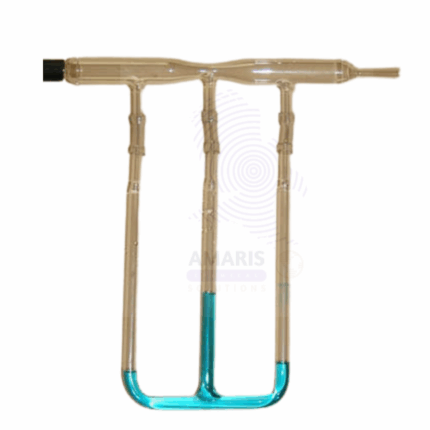
Bernoulli Tube Apparatus
Bernoulli Tube Apparatus is a precision-engineered device designed to demonstrate and analyze the principles of fluid dynamics, specifically Bernoulli’s theorem. It consists of a transparent, variable-diameter horizontal tube equipped with multiple pressure tap points connected to manometer tubes. This allows for the visual observation and quantitative measurement of pressure, velocity, and flow relationships as fluid moves through different cross-sectional areas. Commonly used in laboratory and industrial fluid mechanics testing, it helps validate theoretical predictions in controlled experimental conditions.

Chromatogram Paper
Chromatogram Paper is a specialized high-quality absorbent paper used primarily in chromatography techniques for the separation and analysis of chemical substances. Manufactured to have consistent texture and porosity, it facilitates effective migration of solvents and analytes, allowing clear and reproducible chromatographic patterns. Widely utilized in laboratories for qualitative and quantitative chemical analysis, Chromatogram Paper is essential for research, quality control, and educational purposes.
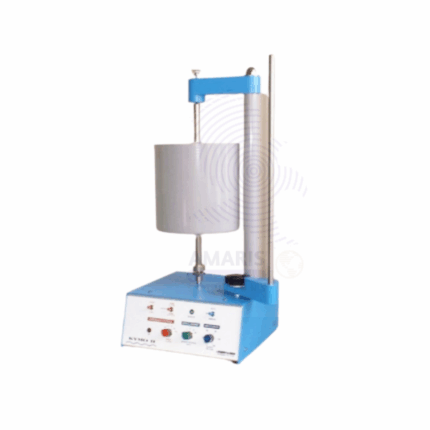
complete kymograph equipment
Complete Kymograph Equipment is a precision instrument used primarily in physiology and biological research to record changes in pressure, motion, or other physiological phenomena over time. It consists of a rotating drum wrapped with a recording paper and various attachments such as levers, pens, and sensors to capture mechanical movements or biological signals. This equipment is essential for experiments involving muscle contractions, blood pressure measurements, and other dynamic biological processes.
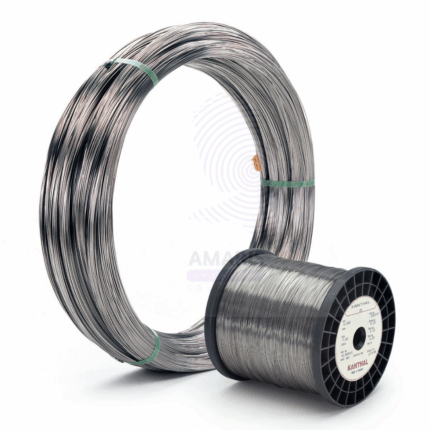
Constantine wire
Constantine Wire is an alloy wire composed primarily of copper, nickel, and zinc, known for its high electrical conductivity, corrosion resistance, and durability. It is widely used in electrical applications requiring reliable conduction and mechanical strength. The wire exhibits excellent resistance to oxidation and mechanical wear, making it suitable for various laboratory and industrial uses.
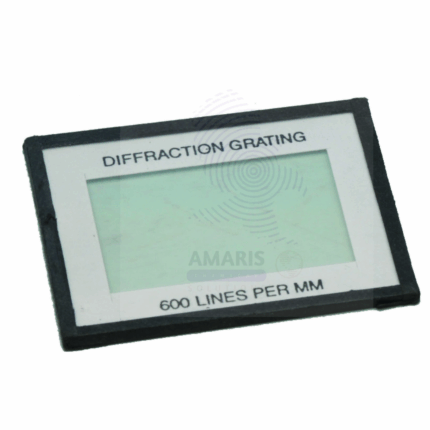
Diffraction Gratings
Diffraction Gratings are precision optical components used to disperse light into its component wavelengths for spectral analysis. These gratings consist of a surface with a series of closely spaced lines or grooves that diffract incoming light at specific angles depending on wavelength, enabling separation and measurement of spectral bands. Available in transmission or reflection formats, diffraction gratings are made from materials like glass or quartz and are often coated for enhanced optical performance. They are widely used in laboratories, research institutions, and industrial applications involving spectroscopy, photonics, and laser systems.
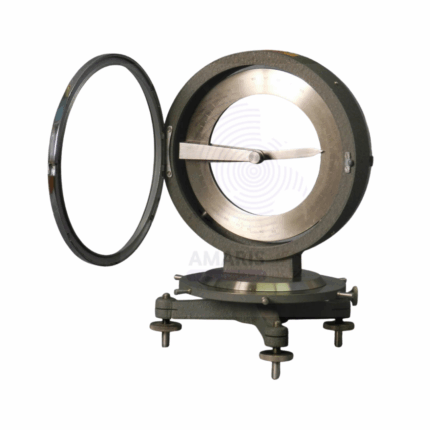
Dip Circle
A Dip Circle is a precision scientific instrument used for measuring the magnetic dip or inclination angle of the Earth’s magnetic field at a specific location. It consists of a magnetic needle or dip needle mounted on a graduated circular scale, which can rotate freely in the vertical plane. The instrument allows geologists, physicists, and surveyors to determine the angle between the horizontal plane and the Earth’s magnetic field lines, an important parameter in geomagnetic studies and navigation. Dip circles are commonly employed in academic research, mineral exploration, and educational demonstrations to analyze variations in Earth’s magnetism and assist in directional orientation.
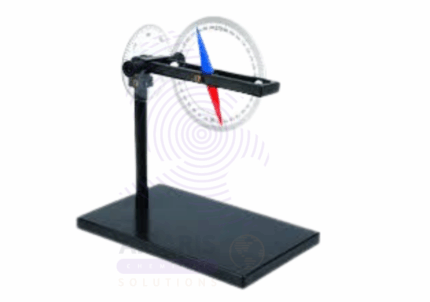
Dip Needle
A Dip Needle is a finely balanced magnetic needle used to measure the magnetic dip or inclination angle of the Earth’s magnetic field. Mounted to pivot freely in a vertical plane, the needle aligns itself with the Earth’s magnetic field lines, enabling precise determination of the angle between the horizontal plane and magnetic field direction. Dip Needles are essential instruments in geophysics, navigation, and laboratory studies of magnetism. They provide crucial data for mapping magnetic variations, compass calibration, and educational demonstrations. Typically constructed with magnetized steel or alloy, dip needles are designed for sensitivity and durability in field and lab environments.
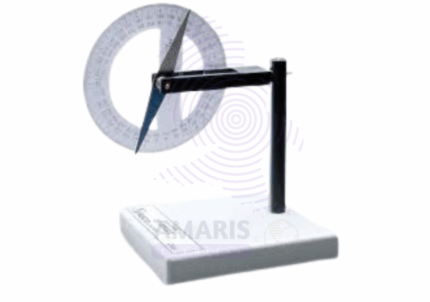
Dip Needle Complete
Dip Needle Complete is a fully assembled and calibrated magnetic dip measurement instrument used for precise determination of the Earth’s magnetic inclination angle. This complete apparatus includes a magnetized dip needle mounted on a low-friction pivot within a protective housing, accompanied by a graduated circular scale for accurate angular readings. The instrument is designed for use in geophysical surveys, educational labs, and research institutions to study Earth’s magnetic field behavior. The complete setup ensures reliable, repeatable measurements with enhanced durability and ease of use, suitable for both field and laboratory environments.












