

 Preservatives(food)
 Flavor Enhancers
 Acidulants
 Sweeteners
 Antioxidants
 Colorants(food)
 Nutraceutical Ingredients (food)
 Nutrient Supplements
 Emulsifiers
 Collectors
 Dust Suppressants
 Explosives and Blasting Agents
 Flocculants and Coagulants
 Frothers
 Leaching Agents
 pH Modifiers
 Precious Metal Extraction Agents
 Antioxidants(plastic)
 Colorants (Pigments, Dyes)
 Fillers and Reinforcements
 Flame Retardants
 Monomers
 Plasticizers
 Polymerization Initiators
 Stabilizers (UV, Heat)
 Antifoaming Agents
 Chelating Agents
 Coagulants and Flocculants
 Corrosion Inhibitors
 Disinfectants and Biocides
 Oxidizing Agents
 pH Adjusters
 Scale Inhibitors( water)
 Antioxidants(cosmetic)
 Emollients
 Fragrances and Essential Oils
 Humectants
 Preservatives
 Surfactants(cosmetic)
 Thickeners
 UV Filters
 Fertilizers
 Soil Conditioners
 Plant Growth Regulators
 Animal Feed Additives
 Biostimulants
 Pesticides (Herbicides, Insecticides, Fungicides)
 Active Pharmaceutical Ingredients (APIs)
 Excipients
 Solvents(pharmaceutical)
 Antibiotics
 Antiseptics and Disinfectants
 Vaccine Adjuvants
 Nutraceutical Ingredients (pharmaceutical)
 Analgesics & Antipyretics
 Analytical Reagents
 Solvents(lab)
 Chromatography Chemicals
 Spectroscopy Reagents
 microbiology-and-cell-culture-reagents
 Molecular Biology Reagents
 Biochemical Reagents
 Inorganic and Organic Standards
 Laboratory Safety Chemicals
 Specialty Laboratory Chemicals(Special Laboratory Equipment)
 Demulsifiers
 Hydraulic Fracturing Fluids
 Scale Inhibitors(oil)
 Surfactants(oil)
 Drilling Fluids
 Dyes and Pigments
 Bleaching Agents
 Softening Agents
 Finishing Agents
 Antistatic Agents
 Admixtures
 Waterproofing Agents
 Sealants and Adhesives
 Curing Compounds
 Concrete Repair Chemicals
 Anti-Corrosion Coatings
 Surfactants(cleaning)
 Builders
 Enzymes
 Solvents (Cleaning)
 Fragrances
 Electronic Chemicals
 Catalysts
 Lubricants
 Photographic Chemicals
 Refrigerants
 Automotive chemicals
 Pyrotechnic Chemicals
 Biodegradable Surfactants
 Bio-based Solvents
 Renewable Polymers
 Carbon Capture Chemicals
 Wastewater Treatment Chemicals
 Pigments
 Solvents(paint)
 Specialty Coatings
 Binders/Resins
 Additives
 Driers
 Anti-Corrosion Agents
 Functional Coatings
 Application-Specific Coatings
 Leavening Agents
 Dough Conditioners
 Flour Treatments
 Fat Replacers
 Decoratives
 Preservatives(baking)
 Plasticizers & Softeners
 Reinforcing Agents
 Adhesion Promoters
 Vulcanizing Agents
 Antidegradants
 Blowing Agents
 Fillers & Extenders
 Accelerators & Retarders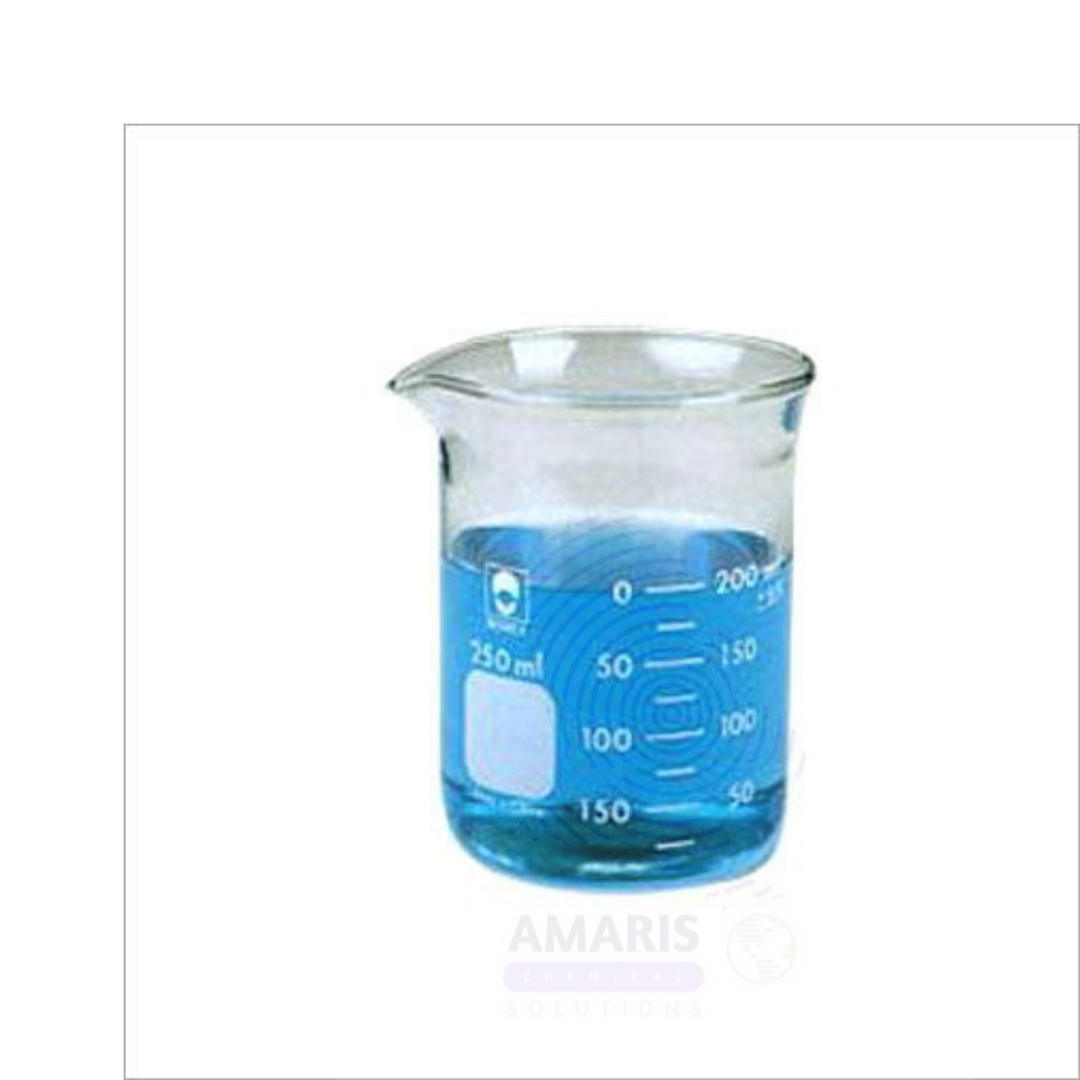

Laboratory beaker
Original price was: $ 7.88.$ 7.67Current price is: $ 7.67.
Product Description
Laboratory Beakers are versatile cylindrical glass or plastic containers used widely in scientific laboratories for mixing, stirring, heating, and measuring liquids. Made typically from borosilicate glass or durable plastic, they offer excellent chemical resistance and thermal stability. Their wide mouths and spouted rims allow easy pouring and handling during experiments. Laboratory Beakers are fundamental lab apparatus for qualitative and quantitative analysis in chemistry, biology, and industrial research.
Laboratory beaker
Primary Uses
- Laboratory and Research Applications
- Holding, mixing, and heating chemical solutions during experiments.
- Measuring approximate liquid volumes for reactions and analyses.
- Used as containers for sample preparation and storage.
- Supports titration, dilution, and other standard lab procedures.
- Suitable for boiling liquids and performing chemical reactions under controlled conditions.
Secondary Uses
- Educational and Industrial Settings
- Used in schools and universities for teaching laboratory techniques.
- Applied in industrial labs for sample processing and testing.
1.Basic Identification Attributes
- Material: Borosilicate glass or chemically resistant plastic
- Design: Cylindrical shape with flat bottom and spouted rim
- Sizes: Available in various volumes, typically ranging from 10 mL to several liters
2.Physical & Chemical Properties
- Chemical Resistance: Resistant to acids, alkalis, and many solvents
- Thermal Resistance: Suitable for heating and autoclaving (glass type)
- Transparency: Clear for easy observation of contents
3.Safety & Hazard Attributes
- Fragile (glass); requires careful handling to avoid breakage
- Plastic variants offer shatter resistance but may have lower chemical tolerance
4.Storage & Handling Attributes
- Store in stable, dry locations to prevent damage
- Inspect regularly for chips or cracks before use
- Clean thoroughly after each use to avoid contamination
5.Regulatory & Compliance Attributes
- Manufactured to comply with laboratory glassware standards
- Suitable for use in GMP and GLP compliant labs
6.Environmental & Health Impact
- Glass beakers are recyclable and environmentally sustainable
- Plastic beakers may be recyclable depending on material type
Safety Handling Precautions
- Use protective gloves and eye protection when heating or handling chemicals
- Avoid sudden temperature changes to prevent cracking
First Aid Measures
- For cuts caused by glass breakage, clean wounds and seek medical attention if needed
- Follow chemical safety protocols for spills or exposure
Firefighting Measures
- Non-flammable glass material
- Use appropriate extinguishing methods for surrounding combustible materials
Related products
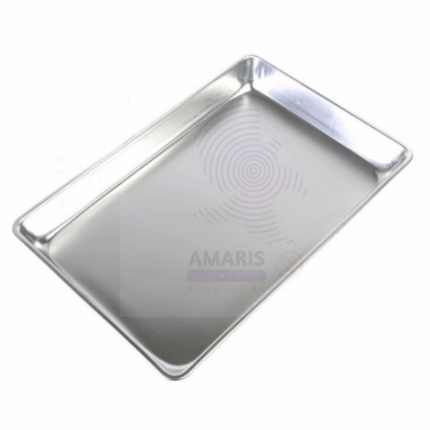
Aluminum Dissecting Pan with wax
Aluminum Dissecting Pan with Wax is a durable, lightweight pan designed specifically for dissection and specimen preparation in laboratory, educational, and research settings. The pan features a sturdy aluminum base combined with a layer of wax that securely holds biological specimens in place during dissection. This design provides an easy-to-clean, reusable workspace that enhances precision and control for students, educators, and scientists. Its corrosion-resistant aluminum construction ensures longevity and resistance to chemicals typically used in dissection.
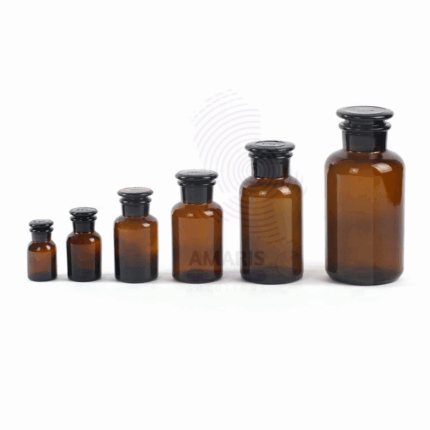
Amber laboratory reagent bottles
Amber Laboratory Reagent Bottles are high-quality glass containers designed specifically for storing light-sensitive reagents and chemicals in laboratory settings. The amber color provides effective protection against ultraviolet (UV) and visible light that can degrade sensitive compounds. These bottles feature durable construction with chemical-resistant glass and secure closures to maintain sample integrity and prevent contamination. Commonly used in chemical, pharmaceutical, and research laboratories, Amber Laboratory Reagent Bottles ensure safe, reliable storage and handling of a wide range of reagents.
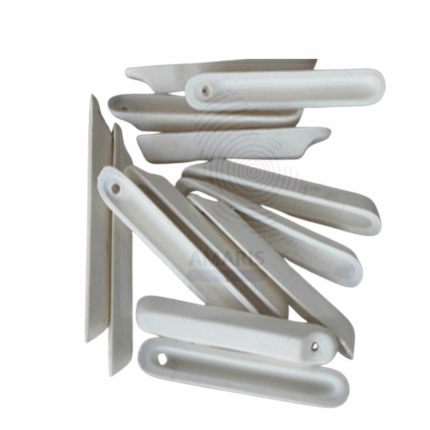
Combustion Boat
Product Description
The Combustion Boat is a small, heat-resistant container typically made of porcelain or quartz, designed to hold samples during combustion analysis. It is used primarily in laboratories to contain solid or powdered samples that are subjected to high temperatures for elemental analysis, especially in organic and inorganic chemistry. The boat withstands extreme temperatures without reacting with the sample, ensuring accurate and uncontaminated results.

Condenser liebig
The Liebig Condenser is a straight glass tube surrounded by a water jacket used to cool and condense vapors back into liquids during distillation processes. It is a fundamental laboratory apparatus designed for efficient heat exchange, allowing vapors to lose heat and convert back to liquid form. Constructed from durable borosilicate glass, the Liebig condenser withstands thermal stress and chemical corrosion, making it suitable for repeated use in various laboratory and industrial distillation and reflux applications.

Cork to fit boiling tube cork
Cork to fit boiling tube cork is a precision-cut natural or synthetic cork designed to seal boiling tubes securely in laboratory settings. These corks provide an airtight seal while resisting mild heat and chemical exposure typically encountered in general lab procedures. They help prevent contamination, evaporation, or spillage of contents during storage, gentle heating, or experimental handling. Available in various diameters, these corks are essential for maintaining experimental integrity in both research and industrial laboratories.
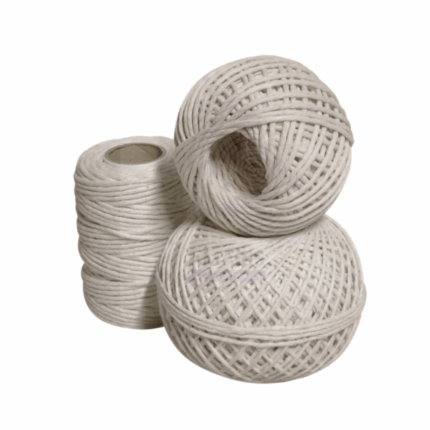
Cotton twine
Cotton Twine is a versatile filament made from twisted strands of natural cotton fibers. It is soft yet durable, offering flexibility and strength for binding, tying, or securing items in both laboratory and industrial environments. Cotton twine is non-abrasive, lint-minimal, and chemically inert to most laboratory reagents, making it suitable for specimen tying, light bundling, or general-purpose securing within controlled settings.
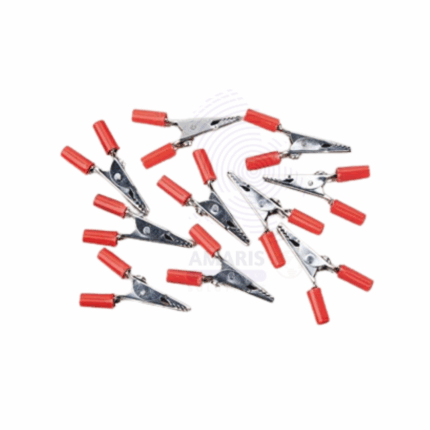
Crocodile Clips
Crocodile Clips are versatile electrical connectors featuring serrated jaws to securely grip wires or terminals. Commonly made from copper or brass with a nickel or chrome plating, these clips ensure reliable conductivity and mechanical stability. Widely used in laboratory and industrial settings for quick temporary electrical connections, testing, and circuit prototyping.
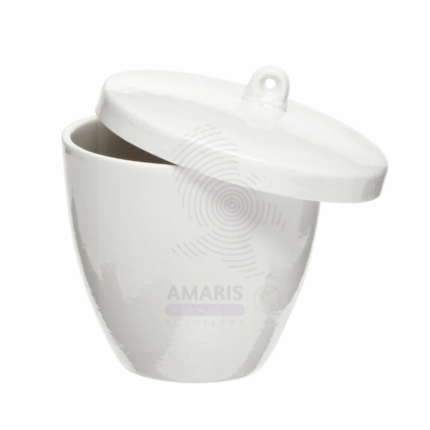
Crucible with lid
Crucible with Lid is a heat-resistant container used in laboratories and industries to heat, melt, or calcine substances at very high temperatures. Typically made from materials such as porcelain, alumina, or graphite, these crucibles can withstand thermal shock and chemical corrosion. The accompanying lid helps contain the sample, minimize contamination, and reduce material loss during heating or combustion processes.












