

 Preservatives(food)
 Flavor Enhancers
 Acidulants
 Sweeteners
 Antioxidants
 Colorants(food)
 Nutraceutical Ingredients (food)
 Nutrient Supplements
 Emulsifiers
 Collectors
 Dust Suppressants
 Explosives and Blasting Agents
 Flocculants and Coagulants
 Frothers
 Leaching Agents
 pH Modifiers
 Precious Metal Extraction Agents
 Antioxidants(plastic)
 Colorants (Pigments, Dyes)
 Fillers and Reinforcements
 Flame Retardants
 Monomers
 Plasticizers
 Polymerization Initiators
 Stabilizers (UV, Heat)
 Antifoaming Agents
 Chelating Agents
 Coagulants and Flocculants
 Corrosion Inhibitors
 Disinfectants and Biocides
 Oxidizing Agents
 pH Adjusters
 Scale Inhibitors( water)
 Antioxidants(cosmetic)
 Emollients
 Fragrances and Essential Oils
 Humectants
 Preservatives
 Surfactants(cosmetic)
 Thickeners
 UV Filters
 Fertilizers
 Soil Conditioners
 Plant Growth Regulators
 Animal Feed Additives
 Biostimulants
 Pesticides (Herbicides, Insecticides, Fungicides)
 Active Pharmaceutical Ingredients (APIs)
 Excipients
 Solvents(pharmaceutical)
 Antibiotics
 Antiseptics and Disinfectants
 Vaccine Adjuvants
 Nutraceutical Ingredients (pharmaceutical)
 Analgesics & Antipyretics
 Analytical Reagents
 Solvents(lab)
 Chromatography Chemicals
 Spectroscopy Reagents
 microbiology-and-cell-culture-reagents
 Molecular Biology Reagents
 Biochemical Reagents
 Inorganic and Organic Standards
 Laboratory Safety Chemicals
 Specialty Laboratory Chemicals(Special Laboratory Equipment)
 Demulsifiers
 Hydraulic Fracturing Fluids
 Scale Inhibitors(oil)
 Surfactants(oil)
 Drilling Fluids
 Dyes and Pigments
 Bleaching Agents
 Softening Agents
 Finishing Agents
 Antistatic Agents
 Admixtures
 Waterproofing Agents
 Sealants and Adhesives
 Curing Compounds
 Concrete Repair Chemicals
 Anti-Corrosion Coatings
 Surfactants(cleaning)
 Builders
 Enzymes
 Solvents (Cleaning)
 Fragrances
 Electronic Chemicals
 Catalysts
 Lubricants
 Photographic Chemicals
 Refrigerants
 Automotive chemicals
 Pyrotechnic Chemicals
 Biodegradable Surfactants
 Bio-based Solvents
 Renewable Polymers
 Carbon Capture Chemicals
 Wastewater Treatment Chemicals
 Pigments
 Solvents(paint)
 Specialty Coatings
 Binders/Resins
 Additives
 Driers
 Anti-Corrosion Agents
 Functional Coatings
 Application-Specific Coatings
 Leavening Agents
 Dough Conditioners
 Flour Treatments
 Fat Replacers
 Decoratives
 Preservatives(baking)
 Plasticizers & Softeners
 Reinforcing Agents
 Adhesion Promoters
 Vulcanizing Agents
 Antidegradants
 Blowing Agents
 Fillers & Extenders
 Accelerators & Retarders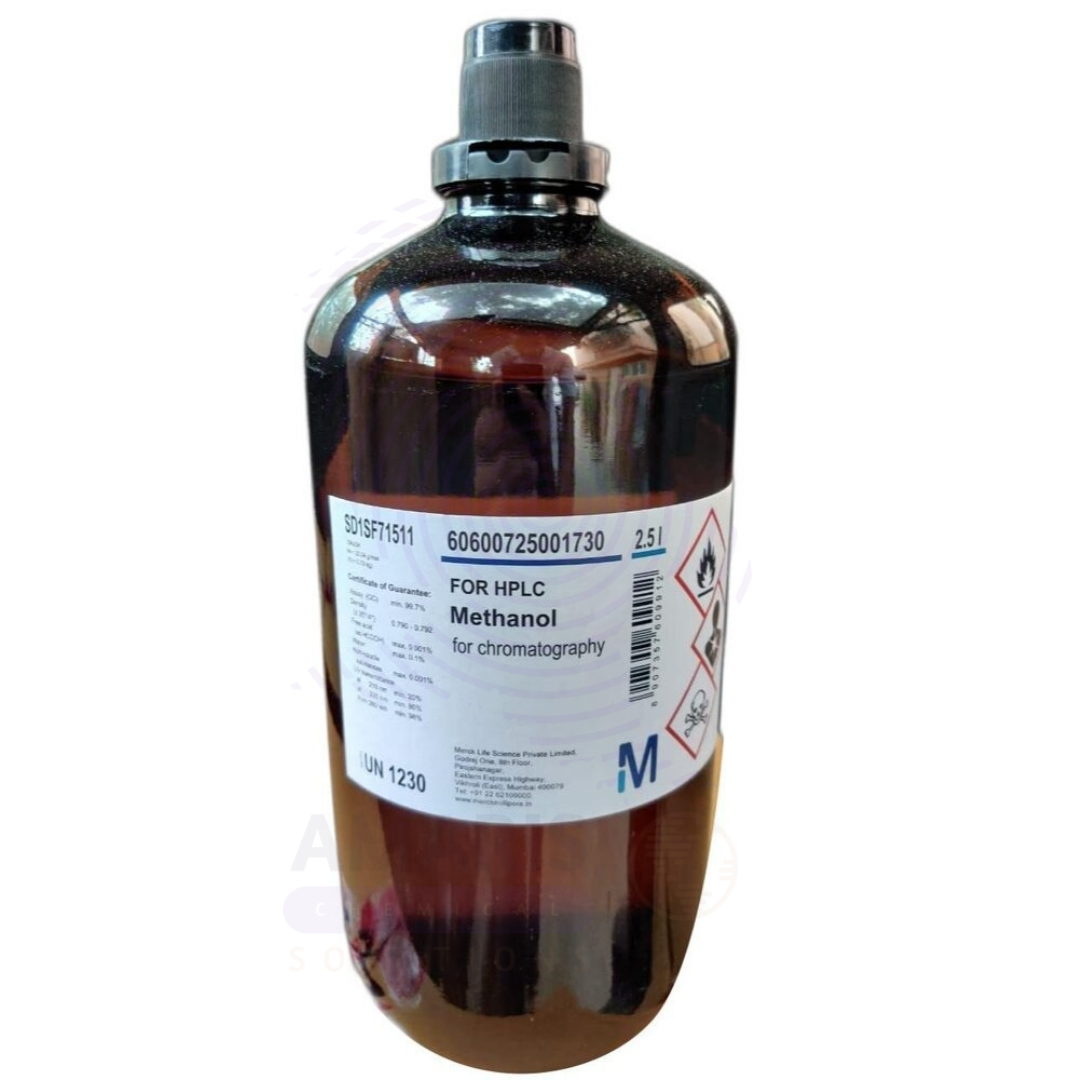
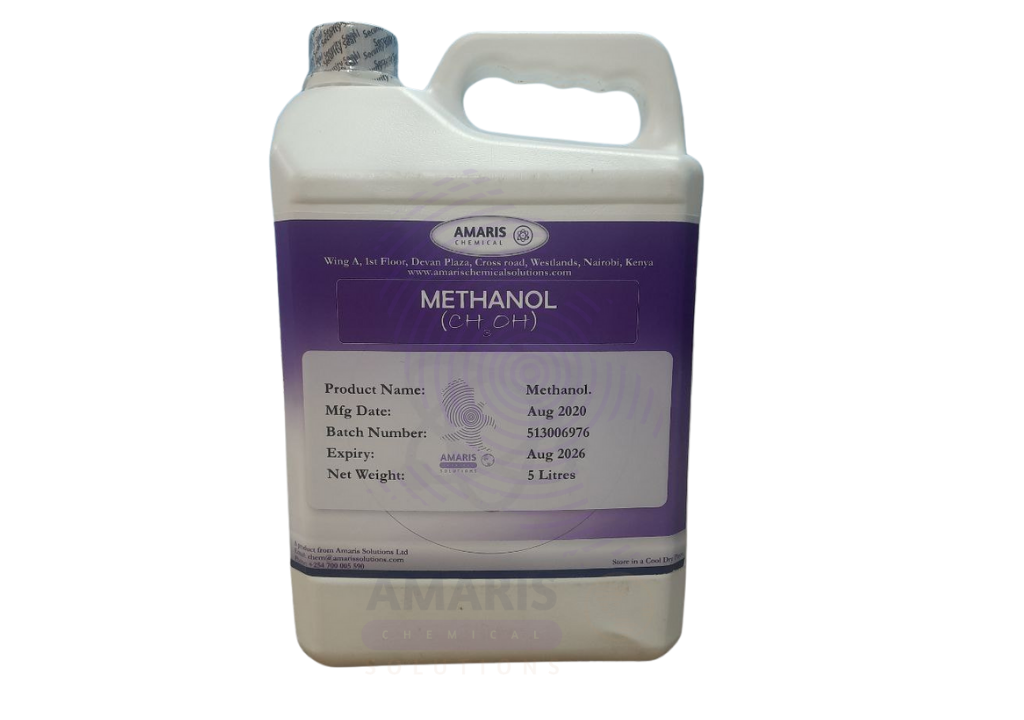
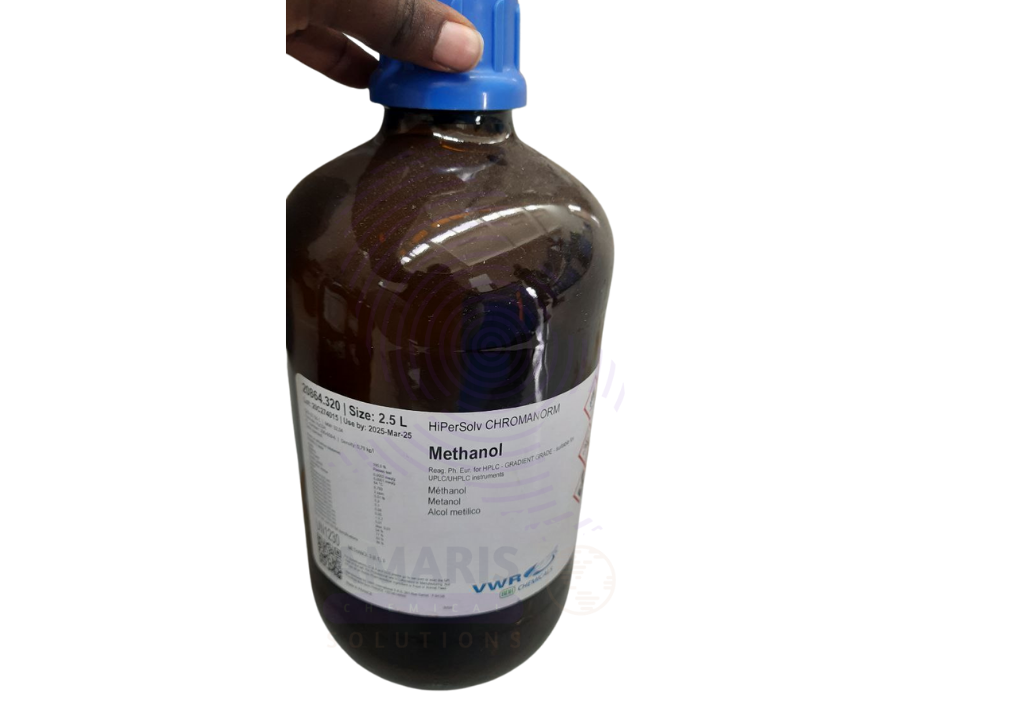
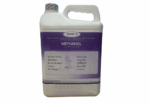
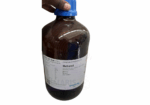

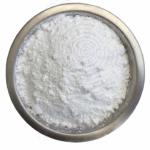

Methanol Extra Pure
Original price was: $ 30.35.$ 30.23Current price is: $ 30.23.
Methanol Extra Pure is a clear, colorless, and highly volatile liquid with a mild alcohol-like odor, refined to an exceptional level of purity. It is widely used as a solvent in laboratories and industrial settings due to its excellent miscibility with water and many organic compounds. Methanol serves as a key reagent in chemical synthesis, particularly in the production of formaldehyde, methyl esters, and biodiesel. In analytical chemistry, it’s used for chromatography and spectroscopic applications where high purity is essential. Its rapid evaporation rate and strong solvency make it ideal for cleaning delicate equipment and preparing lab samples.
Methanol Extra Pure
Primary Uses
- Solvent in Chemical Reactions:
- Widely used as a polar protic solvent in organic synthesis and chromatographic analysis due to its excellent miscibility with water and organic solvents.
- Sample Preparation & Extraction:
- Commonly applied in extraction, dilution, and dissolution of analytes in spectroscopy, HPLC, and GC methods.
- Reagent in Organic Synthesis:
- Acts as a methylating agent or starting material in producing esters, formaldehyde, and other organic compounds.
Secondary Uses
- Fuel for Spirit Lamps & Calorimetry:
- Used as a clean-burning fuel for lab burners, calorimeters, and flame tests.
- Preservative for Biological Samples:
- Sometimes used for tissue preservation and fixation in histology and microbiology.
- Antifreeze Studies:
- Employed in freezing point depression experiments and in the formulation of coolant simulations.
| PACK SIZE | 2.5 Litres Glass bottle |
|---|
1. Basic Identification Attributes
- Chemical Name: Methanol
- Synonyms: Methyl alcohol, Wood alcohol
- CAS Number: 67-56-1
- Molecular Formula: CH₃OH
- Molecular Weight: 32.04 g/mol
- Appearance: Colorless liquid
- Odor: Slightly sweet, alcohol-like odor
- Grade: Extra Pure
- Solubility: Completely miscible with water, ethanol, ether, and acetone
- Boiling Point: ~64.7 °C
- Melting Point: ~–97.6 °C
2. Safety & Hazard Attributes
- GHS Classification:
- Flammable liquids (Category 2)
- Acute toxicity, oral (Category 3)
- Acute toxicity, inhalation (Category 3)
- Specific target organ toxicity – single exposure (Category 1, affects optic nerve and central nervous system)
- Hazard Statements:
- H225: Highly flammable liquid and vapor
- H301 + H311 + H331: Toxic if swallowed, in contact with skin or if inhaled
- H370: Causes damage to organs (eyes, nervous system)
- Precautionary Statements:
- P210: Keep away from heat/sparks/open flames
- P280: Wear protective gloves/eye protection
- P260: Do not breathe vapors
- P301+P310: IF SWALLOWED: Immediately call a poison center/doctor
- P370+P378: In case of fire: Use CO₂, dry chemical, or alcohol-resistant foam
- Personal Protective Equipment (PPE):
- Chemical-resistant gloves (e.g. nitrile)
- Safety goggles
- Lab coat
- Fume hood for handling
- First Aid Measures:
- Inhalation: Move to fresh air; seek immediate medical attention
- Skin Contact: Wash thoroughly with soap and water
- Eye Contact: Rinse with water for at least 15 minutes
- Ingestion: Do NOT induce vomiting; seek immediate medical help
- Fire Hazards:
- Highly flammable
- Vapors can travel to ignition sources
- Emits toxic fumes (carbon monoxide and formaldehyde) when burned
3. Storage & Handling Attributes
- Storage Conditions:
- Store in a cool, well-ventilated place
- Keep container tightly closed
- Keep away from heat, sparks, and open flame
- Use explosion-proof equipment
- Handling Tips:
- Use only in well-ventilated areas or fume hood
- Prevent vapor buildup
- Avoid contact with skin and eyes
4. Laboratory Applications
- Primary Uses:
- Solvent in extractions, chromatography, and organic synthesis
- Reagent in biodiesel production and esterification
- Used in DNA precipitation and preservation
- Secondary Uses:
- Fuel for spirit burners and lab stoves
- Cleaning agent for glassware and lab tools
- Model compound in physical chemistry and spectroscopy studies
SAFETY PRECAUTIONS
Personal Protective Equipment (PPE):
- Wear lab coats, chemical-resistant gloves (e.g., nitrile), and safety goggles.
- Use in a fume hood or well-ventilated area.
Handling:
- Avoid inhalation, ingestion, and contact with skin or eyes.
- Do not use near open flames, sparks, or hot surfaces.
- Wash thoroughly after handling.
Storage:
- Store in a cool, dry, and well-ventilated area.
- Keep the container tightly closed and away from heat, flames, and oxidizers.
- Store in flammable liquid storage cabinets.
FIRST AID MEASURES
Inhalation:
- Move the person to fresh air immediately.
- If breathing is difficult, give oxygen and seek emergency medical help.
Skin Contact:
- Wash with soap and water.
- Remove contaminated clothing.
- Seek medical attention if irritation develops.
Eye Contact:
- Rinse cautiously with plenty of water for at least 15 minutes.
- Remove contact lenses if present and easy to do.
- Seek immediate medical attention.
Ingestion:
- Do not induce vomiting.
- Rinse your mouth thoroughly with water.
- Seek immediate medical attention — methanol is toxic if ingested.
FIRE FIGHTING MEASURES
Flammability:
- Highly flammable liquid and vapor.
Extinguishing Media:
- Use alcohol-resistant foam, dry chemical, or carbon dioxide (CO₂).
- Water spray can be used to cool exposed containers.
Hazardous Combustion Products:
- May emit carbon monoxide (CO) and carbon dioxide (CO₂) when burned.
Firefighter Protection:
- Wear self-contained breathing apparatus (SCBA) and full protective clothing.
Related products
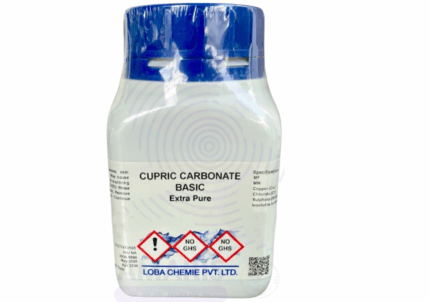
Cupric Carbonate Extra Pure
Cupric Carbonate Extra Pure is a fine, green, high-purity compound used in laboratories for inorganic synthesis, analytical chemistry, and educational demonstrations. It serves as a reliable source of copper ions in reactions and decomposes upon heating to form copper oxide, making it useful for studying thermal decomposition. In qualitative analysis, it is employed to observe characteristic reactions of copper salts. Its extra pure grade ensures minimal interference from impurities, supporting accurate experimental outcomes. Cupric carbonate should be handled in a dry environment and stored in tightly sealed containers to prevent degradation and maintain stability.
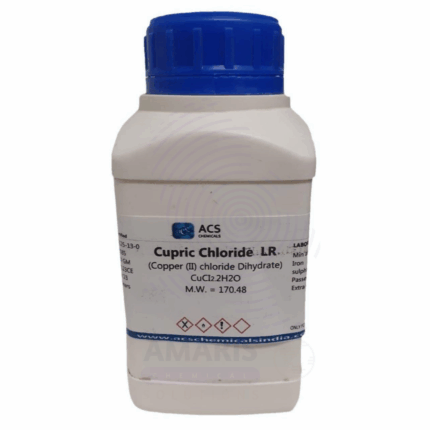
Cupric Chloride Extra Pure
Cupric Chloride Extra Pure is a green to yellowish crystalline compound widely used in laboratories as a catalyst, reagent, and source of copper ions in various chemical reactions. It plays a key role in organic synthesis, photochemical processes, and analytical chemistry procedures, especially for detecting reducing agents and halide ions. Its high solubility in water and alcohol allows for versatile application across wet-lab experiments. The extra pure grade ensures excellent reliability and minimal impurities, making it ideal for precision work in research and education. Store in a cool, dry place, protected from moisture and light to preserve its reactivity.
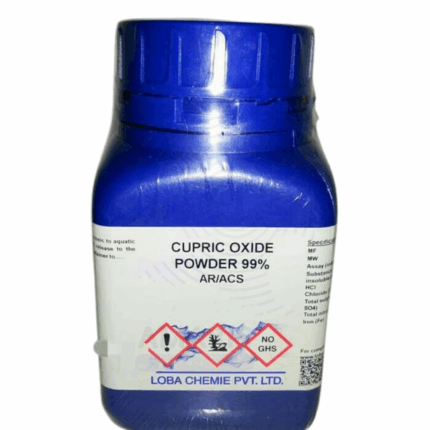
Cupric Oxide Extra Pure
Cupric Oxide Extra Pure is a black, fine powder extensively used in laboratory settings as a stable, high-purity source of copper in oxidation state +2. It is commonly applied in organic synthesis, inorganic reactions, and thermal decomposition studies, as well as in qualitative and quantitative analysis of copper. Its thermal stability also makes it suitable for ceramic glazing and as a precursor in catalyst preparation. This extra pure grade ensures low impurity levels, essential for accurate experimental results and reproducible data in both educational and research laboratories. It should be stored in a tightly sealed container away from moisture and strong acids.
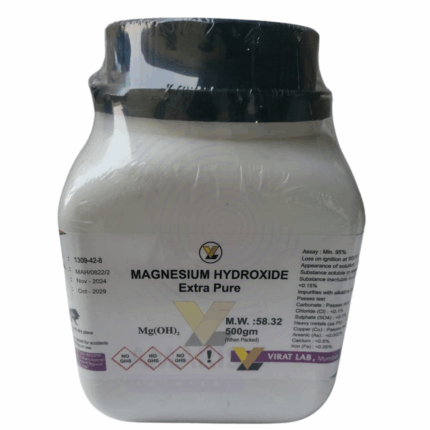
Magnesium Hydroxide Heavy Extra Pure
Magnesium Hydroxide Heavy Extra Pure is a high-purity, dense white powder widely utilized for its antacid and absorbent properties. In pharmaceutical formulations, it acts as a gentle laxative and an effective antacid to neutralize stomach acid. Due to its high purity, it is also used in laboratory experiments and analytical chemistry where precise reactions are essential. In cosmetic and personal care products, it functions as a pH adjuster and an absorbent in creams, lotions, and deodorants. Additionally, it serves roles in wastewater treatment, flame retardants, and ceramic manufacturing, offering consistent performance and low impurity content.
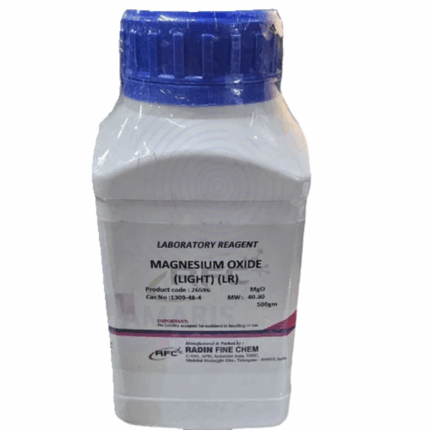
Magnesium Oxide Light Powder Extra Pure
Magnesium Oxide Light Powder Extra Pure is a fine, white, odorless powder with a lower bulk density compared to the heavy grade, offering high surface area and excellent reactivity. It is widely used in analytical laboratories, pharmaceuticals, and cosmetics due to its purity and gentle chemical behavior. In pharmaceutical formulations, it acts as an antacid and magnesium supplement, while in cosmetics, it is used for its absorbent and pH-adjusting properties. Its light, fluffy texture also makes it ideal for use in rubber, plastics, and coatings as a filler, stabilizer, or neutralizing agent. The extra pure grade ensures consistent quality for precise and sensitive applications.
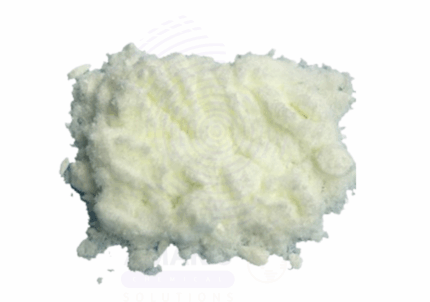
Methoxy Benzophenone Sulfonic Acid Extra Pure
Methoxy Benzophenone Sulfonic Acid Extra Pure is a high-purity, water-soluble organic compound primarily used as a UV filter in cosmetic and pharmaceutical formulations. This compound is valued for its ability to absorb harmful ultraviolet radiation, particularly in the UVB range, making it a key ingredient in sunscreens, lotions, and other personal care products requiring photo-stability. In laboratory settings, it is employed in research involving photochemistry and polymer stabilization. Its sulfonic acid group enhances water solubility, while the methoxy and benzophenone components provide strong UV-absorbing characteristics, ensuring effective and consistent performance in formulations demanding high safety and efficacy standards.
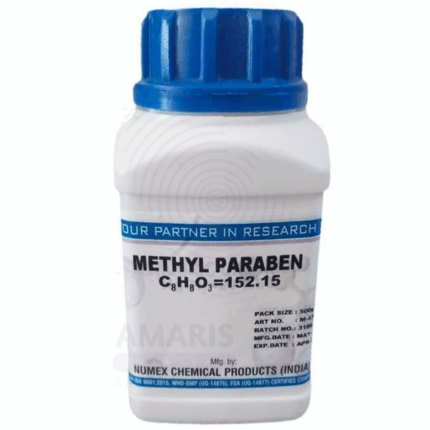
Methyl Paraben Extra Pure
Methyl Paraben Extra Pure is a high-purity chemical widely used as a preservative in pharmaceuticals, cosmetics, personal care products, and food applications. It is valued for its strong antimicrobial and antifungal properties, helping to extend the shelf life of various formulations by preventing the growth of bacteria and mold. In laboratories, it is commonly employed in microbiological media and analytical standards. Its excellent stability across a broad pH range, combined with low toxicity and high efficacy even at low concentrations, makes it a preferred choice in sensitive applications. This extra pure grade ensures consistent quality and performance for critical uses.
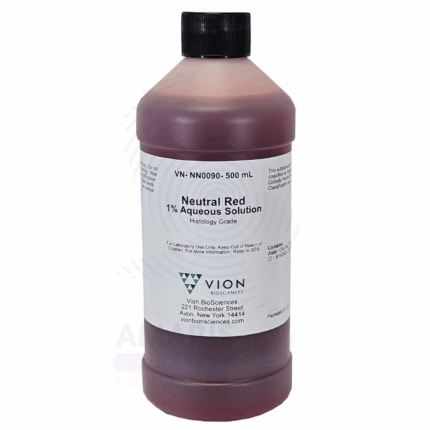
Neutral Red Solution Extra Pure
Neutral Red Solution Extra Pure is a high-purity, ready-to-use solution of the pH indicator dye Neutral Red, widely employed in biological, biochemical, and analytical laboratories. Known for its distinct color change—red in acidic environments and yellow in alkaline—it is commonly used to stain lysosomes in viable cells, making it invaluable in cell viability assays, cytotoxicity studies, and microscopic cell structure investigations.
This Extra Pure grade ensures excellent clarity and precision in results, especially in sensitive microbiological and histological procedures. It is frequently used in conjunction with culture media to observe metabolic activities and in vital staining techniques to differentiate between live and dead cells. Proper handling involves storing it in tightly sealed amber containers away from light and heat to maintain its stability and effectiveness.












