

 Preservatives(food)
 Flavor Enhancers
 Acidulants
 Sweeteners
 Antioxidants
 Colorants(food)
 Nutraceutical Ingredients (food)
 Nutrient Supplements
 Emulsifiers
 Collectors
 Dust Suppressants
 Explosives and Blasting Agents
 Flocculants and Coagulants
 Frothers
 Leaching Agents
 pH Modifiers
 Precious Metal Extraction Agents
 Antioxidants(plastic)
 Colorants (Pigments, Dyes)
 Fillers and Reinforcements
 Flame Retardants
 Monomers
 Plasticizers
 Polymerization Initiators
 Stabilizers (UV, Heat)
 Antifoaming Agents
 Chelating Agents
 Coagulants and Flocculants
 Corrosion Inhibitors
 Disinfectants and Biocides
 Oxidizing Agents
 pH Adjusters
 Scale Inhibitors( water)
 Antioxidants(cosmetic)
 Emollients
 Fragrances and Essential Oils
 Humectants
 Preservatives
 Surfactants(cosmetic)
 Thickeners
 UV Filters
 Fertilizers
 Soil Conditioners
 Plant Growth Regulators
 Animal Feed Additives
 Biostimulants
 Pesticides (Herbicides, Insecticides, Fungicides)
 Active Pharmaceutical Ingredients (APIs)
 Excipients
 Solvents(pharmaceutical)
 Antibiotics
 Antiseptics and Disinfectants
 Vaccine Adjuvants
 Nutraceutical Ingredients (pharmaceutical)
 Analgesics & Antipyretics
 Analytical Reagents
 Solvents(lab)
 Chromatography Chemicals
 Spectroscopy Reagents
 microbiology-and-cell-culture-reagents
 Molecular Biology Reagents
 Biochemical Reagents
 Inorganic and Organic Standards
 Laboratory Safety Chemicals
 Specialty Laboratory Chemicals(Special Laboratory Equipment)
 Demulsifiers
 Hydraulic Fracturing Fluids
 Scale Inhibitors(oil)
 Surfactants(oil)
 Drilling Fluids
 Dyes and Pigments
 Bleaching Agents
 Softening Agents
 Finishing Agents
 Antistatic Agents
 Admixtures
 Waterproofing Agents
 Sealants and Adhesives
 Curing Compounds
 Concrete Repair Chemicals
 Anti-Corrosion Coatings
 Surfactants(cleaning)
 Builders
 Enzymes
 Solvents (Cleaning)
 Fragrances
 Electronic Chemicals
 Catalysts
 Lubricants
 Photographic Chemicals
 Refrigerants
 Automotive chemicals
 Pyrotechnic Chemicals
 Biodegradable Surfactants
 Bio-based Solvents
 Renewable Polymers
 Carbon Capture Chemicals
 Wastewater Treatment Chemicals
 Pigments
 Solvents(paint)
 Specialty Coatings
 Binders/Resins
 Additives
 Driers
 Anti-Corrosion Agents
 Functional Coatings
 Application-Specific Coatings
 Leavening Agents
 Dough Conditioners
 Flour Treatments
 Fat Replacers
 Decoratives
 Preservatives(baking)
 Plasticizers & Softeners
 Reinforcing Agents
 Adhesion Promoters
 Vulcanizing Agents
 Antidegradants
 Blowing Agents
 Fillers & Extenders
 Accelerators & Retarders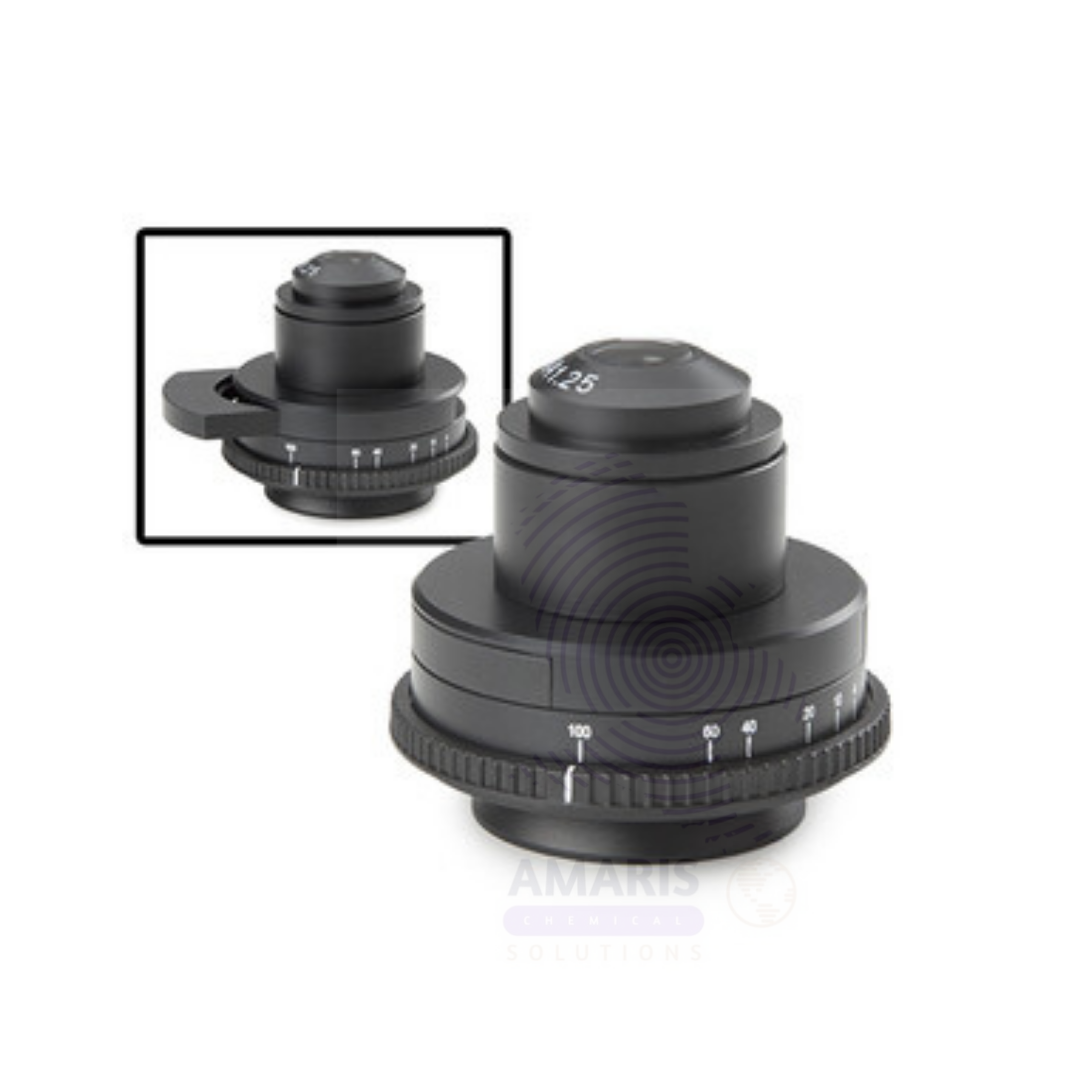


Microscope condenser
Original price was: $ 17.99.$ 17.87Current price is: $ 17.87.
A Microscope Condenser is a vital optical component in a microscope designed to focus and concentrate light onto the specimen being observed. It is typically positioned beneath the microscope stage and plays a crucial role in controlling illumination intensity, contrast, and resolution during microscopic examination. The condenser gathers and directs light from the microscope’s illumination source into a cone of light focused on the specimen, enhancing image clarity and detail. Condensers often include adjustable diaphragms (such as iris diaphragms) to regulate the amount of light and improve contrast. Available in various designs including Abbe, achromatic, and aplanatic condensers, they cater to different magnification levels and imaging requirements. Microscope condensers are essential for achieving optimal image quality in biological, medical, and materials science applications.
Microscope condenser
Primary Uses
- Laboratory and Medical Applications
- Focusing light precisely onto specimens to enhance visualization.
- Adjusting illumination intensity and contrast during microscopic analysis.
- Supporting brightfield, phase contrast, and other microscopy techniques.
Secondary Uses
- Research and Industrial Applications
- Improving image quality in materials science microscopy.
- Enhancing observation of thin films and microstructures
1.Basic Identification Attributes
- Material: Optical glass and metal housing.
- Type: Abbe, achromatic, aplanatic, or specialized condensers.
- Adjustment: Equipped with iris diaphragm or aperture controls.
2.Physical & Chemical Properties
- Optical Quality: High clarity glass lenses with anti-reflective coatings.
- Mechanical: Precision focusing and adjustment mechanisms.
- Durability: Robust metal parts for stable mounting and alignment.
3.Safety & Hazard Attributes
- Fragile optical components require careful handling.
- Small parts may pose a choking hazard; keep out of reach of children.
4.Storage & Handling Attributes
- Store in clean, dust-free environments.
- Use lens covers or cases to prevent scratches and contamination.
- Handle with care to avoid misalignment or damage.
5.Regulatory & Compliance Attributes
- Manufactured to comply with laboratory optical and safety standards.
6.Environmental & Health Impact
- Made primarily of glass and metal; recyclable materials.
- No hazardous substances in typical use.
Safety Handling Precautions
- Avoid touching lens surfaces with bare fingers.
- Use appropriate tools and gloves when installing or adjusting.
First Aid Measures
- In case of broken glass, clean wounds and seek medical attention if necessary.
Firefighting Measures
- Non-flammable component.
- Use appropriate extinguishing methods for surrounding electrical or laboratory fires.
Related products

Concave mirrors
Product Description
Concave Mirrors are curved reflective surfaces that converge light rays to a focal point. They are widely used in scientific experiments and optical devices to focus light and form real or virtual images depending on the object's position relative to the focal length. Made from high-quality polished glass or metal with a reflective coating, these mirrors provide precise image formation essential for laboratory and industrial applications in optics and physics.

Diffraction Gratings
Diffraction Gratings are precision optical components used to disperse light into its component wavelengths for spectral analysis. These gratings consist of a surface with a series of closely spaced lines or grooves that diffract incoming light at specific angles depending on wavelength, enabling separation and measurement of spectral bands. Available in transmission or reflection formats, diffraction gratings are made from materials like glass or quartz and are often coated for enhanced optical performance. They are widely used in laboratories, research institutions, and industrial applications involving spectroscopy, photonics, and laser systems.

Microscope
A Microscope is an essential laboratory instrument designed to magnify and visualize small objects or specimens that are not visible to the naked eye. It uses a system of lenses—typically an objective lens and an eyepiece lens—to enlarge images of biological samples, materials, or microscopic particles for detailed examination. Microscopes come in various types including compound, stereo, electron, and digital, each suited for specific applications in biology, materials science, medicine, and research. High-quality microscopes offer adjustable magnification, fine focus controls, and illumination systems to enhance clarity and contrast. Widely used in clinical diagnostics, microbiology, pharmaceutical research, and education, microscopes are vital for studying cell structures, microorganisms, tissue samples, and more. They provide precise, reliable visualization crucial for scientific analysis and discovery.

Microscope cover slips
Microscope Cover Slips are thin, flat pieces of transparent glass or plastic used in microscopy to cover specimens placed on microscope slides. They serve to protect the specimen from contamination, prevent drying, and provide a uniform thickness for improved optical clarity during examination. Cover slips help to flatten the specimen, ensuring even focus and minimizing distortion under the microscope lens. They are typically made from high-quality borosilicate or soda-lime glass to offer excellent optical transparency and chemical resistance. Available in various sizes and thicknesses, cover slips are essential in biological, medical, and research laboratories for preparing wet mounts, fixed samples, and stained slides. Their use enhances image resolution and protects both the specimen and microscope objective lenses.
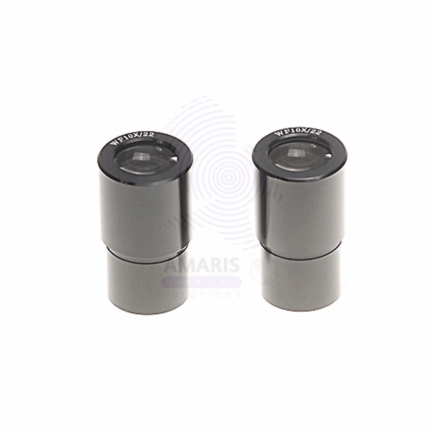
Microscope eye piece
A Microscope Eye Piece, also known as the ocular lens, is the lens or group of lenses located at the top of a microscope through which the user views the magnified specimen. It typically provides an additional magnification—commonly 5x, 10x, or 15x—working in conjunction with the objective lenses to achieve total magnification. The eyepiece contains optical components designed to enhance image clarity, brightness, and field of view. Modern eyepieces may include features such as reticles for measurement, adjustable diopters for individual eye correction, and wide-field optics for increased viewing comfort. Made from precision optical glass and durable housing, microscope eyepieces are essential for delivering a clear, sharp, and comfortable viewing experience in scientific, medical, educational, and industrial laboratories.
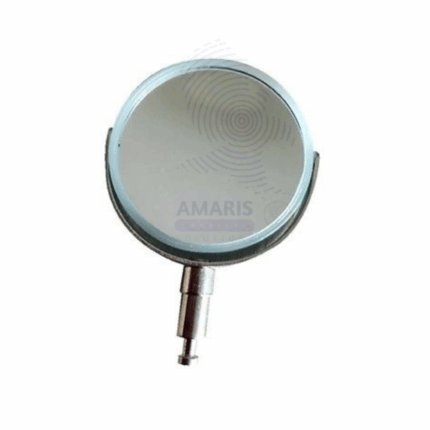
Microscope mirror
A Microscope Mirror is an optical accessory used to direct and focus external light onto the specimen being examined under a microscope. Traditionally mounted beneath the microscope stage, the mirror reflects ambient or artificial light upward through the condenser and specimen to illuminate the sample. Microscope mirrors typically have one flat and one concave reflective surface, allowing users to adjust the intensity and focus of the light beam. Made from highly polished glass or metal with reflective coatings, these mirrors are essential in microscopes lacking built-in illumination systems or as backup lighting aids. They enhance visibility, contrast, and detail, making them valuable in educational, medical, and research laboratory settings.
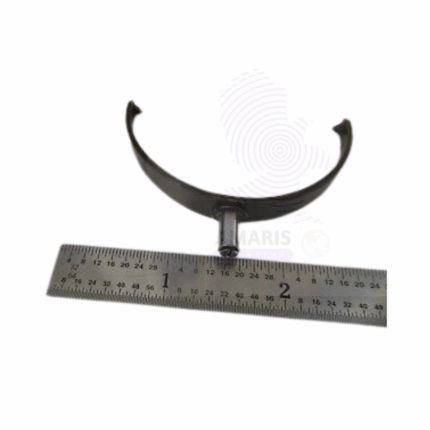
Microscope mirror holder
A Microscope Mirror Holder is a precision laboratory accessory designed to securely mount and position the microscope mirror beneath the stage. It allows for adjustable angling and stable placement of the mirror to direct light optimally onto specimens during microscopic examination. Typically made from durable metal or plastic, the holder features clamps or brackets to hold the mirror firmly while enabling smooth rotational and tilt movements. This accessory is essential for microscopes without built-in illumination systems, facilitating better light control, improved specimen visibility, and enhanced image contrast. Widely used in educational, medical, and research laboratories, the microscope mirror holder aids in consistent and effective lighting setup.
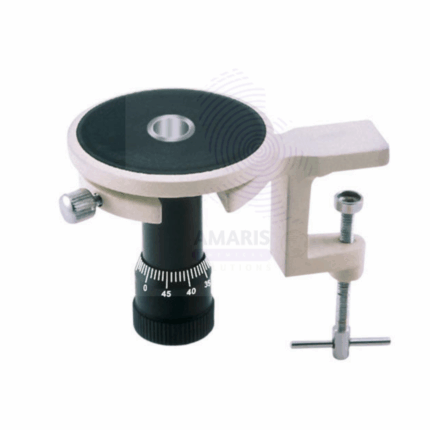
Microtone hand type
Product Description
The Microtone Hand Type is a precision manual laboratory instrument designed for fine and controlled cutting or sectioning of specimens, particularly in biological and histological applications. It allows users to prepare thin slices or sections of tissues for microscopic examination, ensuring uniform thickness and minimal damage to samples. Typically handheld and ergonomically designed, this device is made from durable materials with sharp blades that can be replaced or adjusted as needed. The Microtone Hand Type is essential in pathology labs, research facilities, and educational settings where detailed tissue analysis is required.












