

 Preservatives(food)
 Flavors
 Acidulants
 Sweeteners
 Antioxidants
 Colorants(food)
 Nutraceutical Ingredients (food)
 Nutrient Supplements
 Emulsifiers
 Collectors
 Dust Suppressants
 Explosives and Blasting Agents
 Flocculants and Coagulants
 Frothers
 Leaching Agents
 pH Modifiers
 Precious Metal Extraction Agents
 Antioxidants(plastic)
 Colorants (Pigments, Dyes)
 Fillers and Reinforcements
 Flame Retardants
 Monomers
 Plasticizers
 Polymerization Initiators
 Stabilizers (UV, Heat)
 Antifoaming Agents
 Chelating Agents
 Coagulants and Flocculants
 Corrosion Inhibitors
 Disinfectants and Biocides
 Oxidizing Agents
 pH Adjusters
 Scale Inhibitors( water)
 Antioxidants(cosmetic)
 Emollients
 Oils
Oils Carrier Oills
 Essential Oils
 Humectants
 Preservatives
 Surfactants(cosmetic)
 Thickeners
 UV Filters
 Fragrance (Cosmetics)
 Fertilizers
 Soil Conditioners
 Plant Growth Regulators
 Animal Feed Additives
 Biostimulants
 Pesticides (Herbicides, Insecticides, Fungicides)
 Active Pharmaceutical Ingredients (APIs)
 Excipients
 Solvents(pharmaceutical)
 Antibiotics
 Antiseptics and Disinfectants
 Vaccine Adjuvants
 Nutraceutical Ingredients (pharmaceutical)
 Analgesics & Antipyretics
 Analytical Reagents
 Solvents(lab)
 Chromatography Chemicals
 Spectroscopy Reagents
 microbiology-and-cell-culture-reagents
 Molecular Biology Reagents
 Biochemical Reagents
 Inorganic and Organic Standards
 Laboratory Safety Chemicals
 Specialty Laboratory Chemicals(Special Laboratory Equipment)
 Demulsifiers
 Hydraulic Fracturing Fluids
 Scale Inhibitors(oil)
 Surfactants(oil)
 Drilling Fluids
 Dyes and Pigments
 Bleaching Agents
 Softening Agents
 Finishing Agents
 Antistatic Agents
 Admixtures
 Waterproofing Agents
 Sealants and Adhesives
 Curing Compounds
 Concrete Repair Chemicals
 Anti-Corrosion Coatings
 Surfactants(cleaning)
 Builders
 Enzymes
 Solvents (Cleaning)
 Electronic Chemicals
 Catalysts
 Lubricants
 Photographic Chemicals
 Refrigerants
 Automotive chemicals
 Pyrotechnic Chemicals
 Biodegradable Surfactants
 Bio-based Solvents
 Renewable Polymers
 Carbon Capture Chemicals
 Wastewater Treatment Chemicals
 Pigments
 Solvents(paint)
 Specialty Coatings
 Binders/Resins
 Additives
 Driers
 Anti-Corrosion Agents
 Functional Coatings
 Application-Specific Coatings
 Leavening Agents
 Dough Conditioners
 Flour Treatments
 Fat Replacers
 Decoratives
 Preservatives(baking)
 Plasticizers & Softeners
 Reinforcing Agents
 Adhesion Promoters
 Vulcanizing Agents
 Antidegradants
 Blowing Agents
 Fillers & Extenders
 Accelerators & Retarders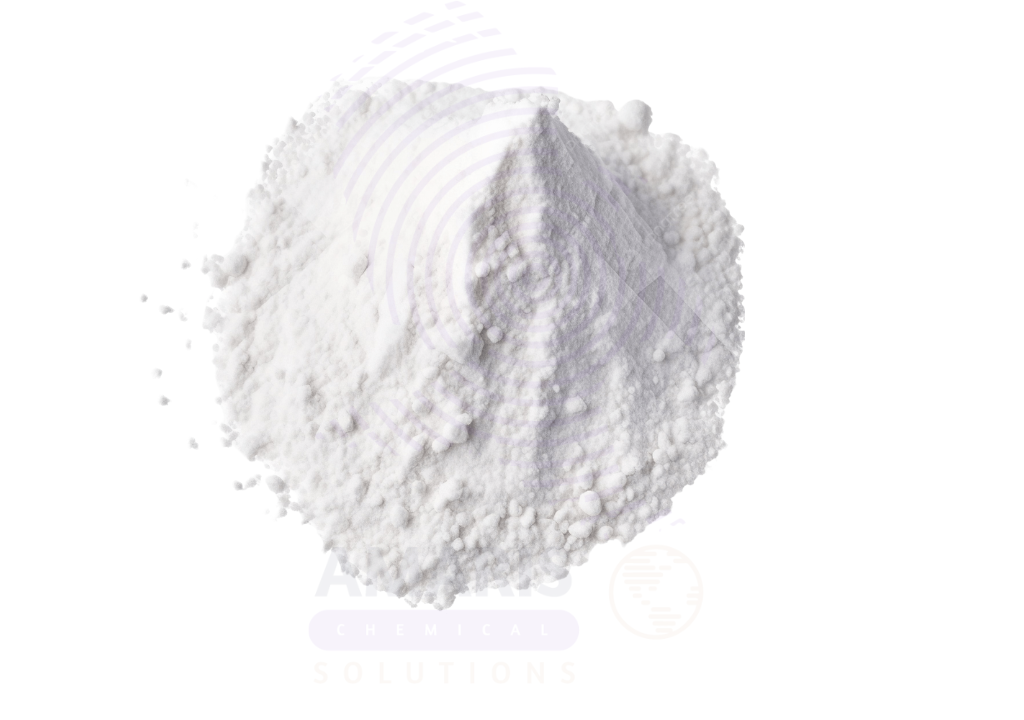




Tripolidine HCL BP
Tripolidine HCL BP is a high-purity pharmaceutical-grade antihistamine used primarily to treat allergic conditions. It acts as a selective H1 histamine receptor antagonist, helping to relieve symptoms such as itching, sneezing, nasal congestion, and hives by blocking the action of histamine. The British Pharmacopoeia (BP) grade ensures compliance with stringent quality standards required for medicinal use. Tripolidine HCL is commonly formulated into tablets and syrups for effective allergy management.
Tripolidine HCL BP
Primary Uses
- Pharmaceutical Industry:
- Active ingredient in antihistamine medications for treating allergic rhinitis, urticaria (hives), conjunctivitis, and other hypersensitivity reactions.
- Used in formulations for seasonal allergies and chronic allergic conditions.
Secondary Uses
- Combination Drug Formulations:
- Often combined with decongestants, analgesics, or other cold and allergy medication components to provide multi-symptom relief.
- Veterinary Medicine:
- Utilized occasionally in veterinary formulations to manage allergic responses in animals.
- Research & Development:
- Used in pharmacological research to study histamine receptor antagonism and develop improved allergy therapeutics.
1. Basic Key Attributes
- Chemical Name (IUPAC): 1-(4-Methylphenyl)-4-(1-pyrrolidinyl)-2-pyridinamine hydrochloride
- Common/Trade Name: Tripolidine HCL BP
- CAS Number: 3587-57-5
- HS Code: 2933.69.90
- Synonyms: Tripolidine Hydrochloride
2. Physical & Chemical Properties
- Physical State: Fine crystalline powder
- Color & Odor: White to off-white; odorless
- Melting Point: Approximately 190-192 °C
- Solubility: Soluble in water and alcohol
- Purity: Meets British Pharmacopoeia (BP) specifications
3. Safety & Hazard Attributes
- GHS Classification: Not classified as hazardous under standard pharmaceutical handling
- Toxicity: Low toxicity; overdose may cause sedation, dry mouth, or dizziness
- Exposure Limits: Follow pharmaceutical industry safety standards
4. Storage & Handling Attributes
- Storage Conditions: Store in a cool, dry, and well-ventilated place away from direct sunlight and moisture
- Container Type: Sealed, moisture-proof containers such as HDPE drums or bottles
- Shelf Life: Typically 24 months under proper storage
- Handling Precautions: Avoid dust inhalation and contact with skin or eyes
5. Regulatory & Compliance Attributes
- Complies with British Pharmacopoeia (BP) standards
- Produced under Good Manufacturing Practices (GMP) for pharmaceutical use
- Registered with relevant regulatory authorities for medicinal applications
6. Environmental & Health Impact
- Biodegradability: Not readily biodegradable; proper disposal recommended
- Ecotoxicity: Limited data; avoid environmental release
- Bioaccumulation: Not significant
Safety Handling Precautions
- PPE Required: Use gloves, dust mask, and eye protection during handling
- Handling Guidelines: Use adequate ventilation to minimize dust exposure
- Storage Measures: Keep containers tightly closed and protected from moisture
First Aid Measures
- Inhalation: Move to fresh air; seek medical advice if breathing difficulties occur
- Skin Contact: Wash with soap and water thoroughly
- Eye Contact: Rinse immediately with plenty of water; seek medical attention if irritation persists
- Ingestion: Rinse mouth and seek immediate medical attention
Firefighting Measures
- Fire Hazards: Combustible under fire conditions
- Extinguishing Media: Use foam, dry chemical, or carbon dioxide extinguishers
- Hazardous Combustion Products: Carbon oxides, nitrogen oxides
Related products
Carbocisteine AJI 92
Carbocisteine AJI 92 is a high-purity pharmaceutical-grade amino acid derivative, chemically known as S-carboxymethyl-L-cysteine. It is a white to off-white crystalline powder with a slightly sulfurous odor and is freely soluble in water. Carbocisteine functions primarily as a mucolytic agent—reducing the viscosity of mucus and promoting expectoration in respiratory tract infections. The "AJI 92" specification refers to its compliance with the purity standards established by Ajinomoto's amino acid quality benchmarks, ensuring it meets stringent pharmaceutical-grade quality control for active pharmaceutical ingredients (APIs). It is widely used in oral syrups, tablets, and granules in both human and veterinary medicine.
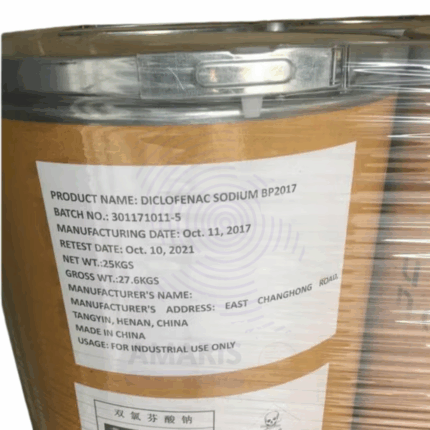
Diclofenac Sodium BP
Diclofenac Sodium is a nonsteroidal anti-inflammatory drug (NSAID) widely used for its potent analgesic, anti-inflammatory, and antipyretic properties. It is the sodium salt form of diclofenac, providing enhanced solubility and rapid absorption. Diclofenac Sodium BP (British Pharmacopoeia standard) ensures pharmaceutical-grade purity and compliance with stringent quality standards. It is commonly formulated in oral tablets, topical gels, injections, and ophthalmic preparations.
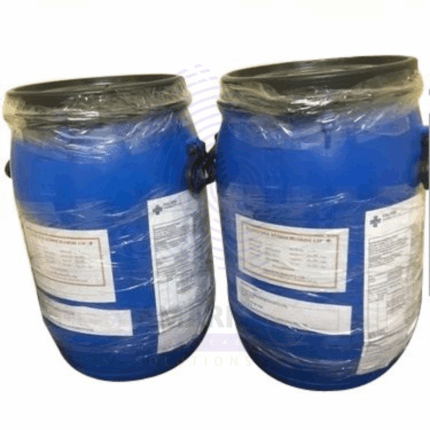
Dicyclomine Hydrochloride
Dicyclomine Hydrochloride is an anticholinergic and antispasmodic agent used primarily to relieve smooth muscle spasms in the gastrointestinal tract. It works by blocking muscarinic receptors, thereby reducing muscle contractions and spasms, which helps alleviate symptoms of irritable bowel syndrome (IBS) and other functional bowel disorders. It is commonly available in oral tablets, capsules, and injectable formulations.
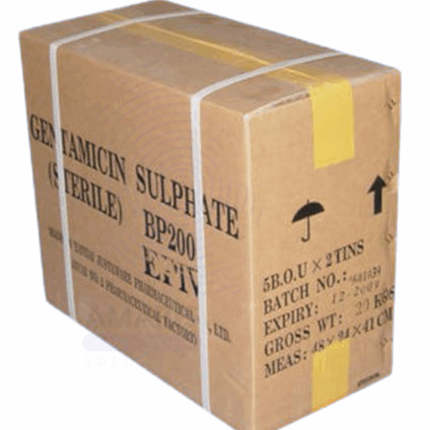
Gentamycin Sulphate
Gentamycin Sulphate is an aminoglycoside antibiotic derived from Micromonospora purpurea and Micromonospora griseorubida. It appears as a white or off-white crystalline powder, highly soluble in water, with a characteristic aminoglycoside odor. Gentamycin Sulphate is widely used in human and veterinary medicine for its broad-spectrum bactericidal activity against aerobic Gram-negative and some Gram-positive bacteria. It works by inhibiting bacterial protein synthesis through binding to the 30S ribosomal subunit, leading to bacterial cell death. Due to its effectiveness against severe infections and multi-drug resistant strains, it is an essential antibiotic in clinical settings.
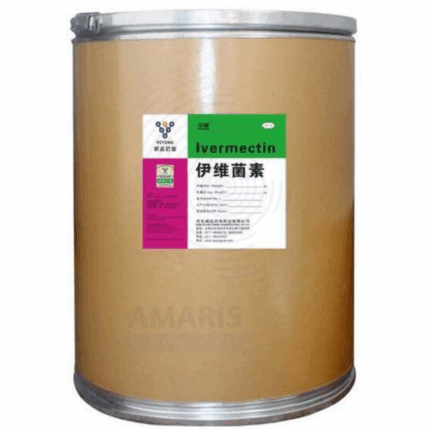
Ivermectin BP Vet
Ivermectin BP Vet is a potent, broad-spectrum antiparasitic agent widely used in veterinary medicine. It belongs to the avermectin family and works by disrupting nerve and muscle function in parasites, leading to paralysis and death. Ivermectin is highly effective against a range of internal and external parasites, including gastrointestinal worms, lungworms, mites, lice, and certain ticks. Available in oral, injectable, and topical forms, it is trusted for use in livestock, poultry, and companion animals. Its reliable efficacy, wide safety margin, and ease of administration make it an essential treatment in animal health and parasite control programs.
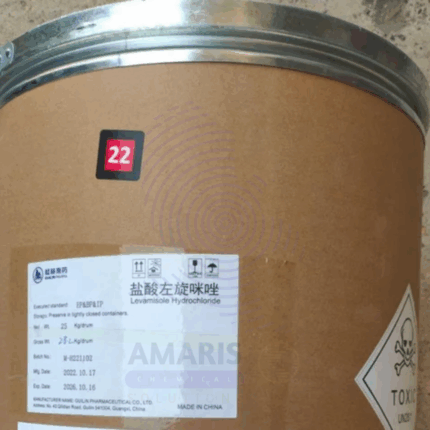
Levamisole Hcl BP2000
Levamisole Hcl BP2000 is a white to off-white crystalline powder, soluble in water, with anthelmintic and immunomodulatory properties. It is primarily used as a veterinary antiparasitic agent effective against gastrointestinal nematodes in livestock. Levamisole HCL BP2000 conforms to British Pharmacopoeia standards, ensuring high purity and quality for pharmaceutical and veterinary formulations. Beyond veterinary uses, it is also researched for immunostimulant properties in medical applications.
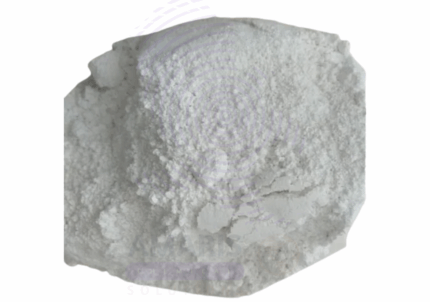
Mebendazole USP ( Micronized white)
Mebendazole USP (Micronized White) is a pharmaceutical-grade anthelmintic agent used for the treatment of parasitic worm infections. The micronized white powder form offers enhanced bioavailability and better dispersion in pharmaceutical formulations. It is effective against a broad spectrum of intestinal parasites including roundworms, whipworms, hookworms, and pinworms. Mebendazole is commonly used in oral tablet and suspension preparations, ensuring efficient parasite eradication with minimal side effects.
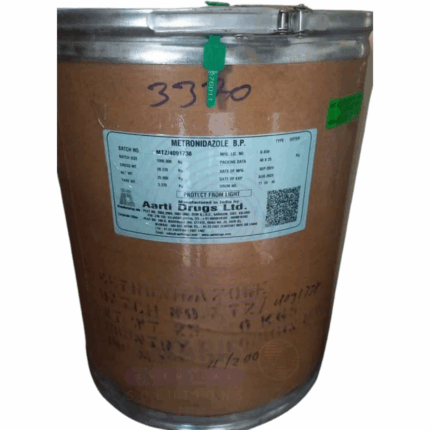
Metronidazole BP
Metronidazole BP is a benzoate ester derivative of metronidazole, used primarily as an antiprotozoal and antibacterial agent. It is a prodrug that hydrolyzes in the body to release metronidazole, making it more palatable for pediatric and geriatric oral suspensions. It complies with the British Pharmacopoeia (BP) standards for purity and efficacy.












