

 Preservatives(food)
 Flavors
 Acidulants
 Sweeteners
 Antioxidants
 Colorants(food)
 Nutraceutical Ingredients (food)
 Nutrient Supplements
 Emulsifiers
 Collectors
 Dust Suppressants
 Explosives and Blasting Agents
 Flocculants and Coagulants
 Frothers
 Leaching Agents
 pH Modifiers
 Precious Metal Extraction Agents
 Antioxidants(plastic)
 Colorants (Pigments, Dyes)
 Fillers and Reinforcements
 Flame Retardants
 Monomers
 Plasticizers
 Polymerization Initiators
 Stabilizers (UV, Heat)
 Antifoaming Agents
 Chelating Agents
 Coagulants and Flocculants
 Corrosion Inhibitors
 Disinfectants and Biocides
 Oxidizing Agents
 pH Adjusters
 Scale Inhibitors( water)
 Antioxidants(cosmetic)
 Emollients
 Oils
Oils Carrier Oills
 Essential Oils
 Humectants
 Preservatives
 Surfactants(cosmetic)
 Thickeners
 UV Filters
 Fragrance (Cosmetics)
 Fertilizers
 Soil Conditioners
 Plant Growth Regulators
 Animal Feed Additives
 Biostimulants
 Pesticides (Herbicides, Insecticides, Fungicides)
 Active Pharmaceutical Ingredients (APIs)
 Excipients
 Solvents(pharmaceutical)
 Antibiotics
 Antiseptics and Disinfectants
 Vaccine Adjuvants
 Nutraceutical Ingredients (pharmaceutical)
 Analgesics & Antipyretics
 Analytical Reagents
 Solvents(lab)
 Chromatography Chemicals
 Spectroscopy Reagents
 microbiology-and-cell-culture-reagents
 Molecular Biology Reagents
 Biochemical Reagents
 Inorganic and Organic Standards
 Laboratory Safety Chemicals
 Specialty Laboratory Chemicals(Special Laboratory Equipment)
 Demulsifiers
 Hydraulic Fracturing Fluids
 Scale Inhibitors(oil)
 Surfactants(oil)
 Drilling Fluids
 Dyes and Pigments
 Bleaching Agents
 Softening Agents
 Finishing Agents
 Antistatic Agents
 Admixtures
 Waterproofing Agents
 Sealants and Adhesives
 Curing Compounds
 Concrete Repair Chemicals
 Anti-Corrosion Coatings
 Surfactants(cleaning)
 Builders
 Enzymes
 Solvents (Cleaning)
 Electronic Chemicals
 Catalysts
 Lubricants
 Photographic Chemicals
 Refrigerants
 Automotive chemicals
 Pyrotechnic Chemicals
 Biodegradable Surfactants
 Bio-based Solvents
 Renewable Polymers
 Carbon Capture Chemicals
 Wastewater Treatment Chemicals
 Pigments
 Solvents(paint)
 Specialty Coatings
 Binders/Resins
 Additives
 Driers
 Anti-Corrosion Agents
 Functional Coatings
 Application-Specific Coatings
 Leavening Agents
 Dough Conditioners
 Flour Treatments
 Fat Replacers
 Decoratives
 Preservatives(baking)
 Plasticizers & Softeners
 Reinforcing Agents
 Adhesion Promoters
 Vulcanizing Agents
 Antidegradants
 Blowing Agents
 Fillers & Extenders
 Accelerators & Retarders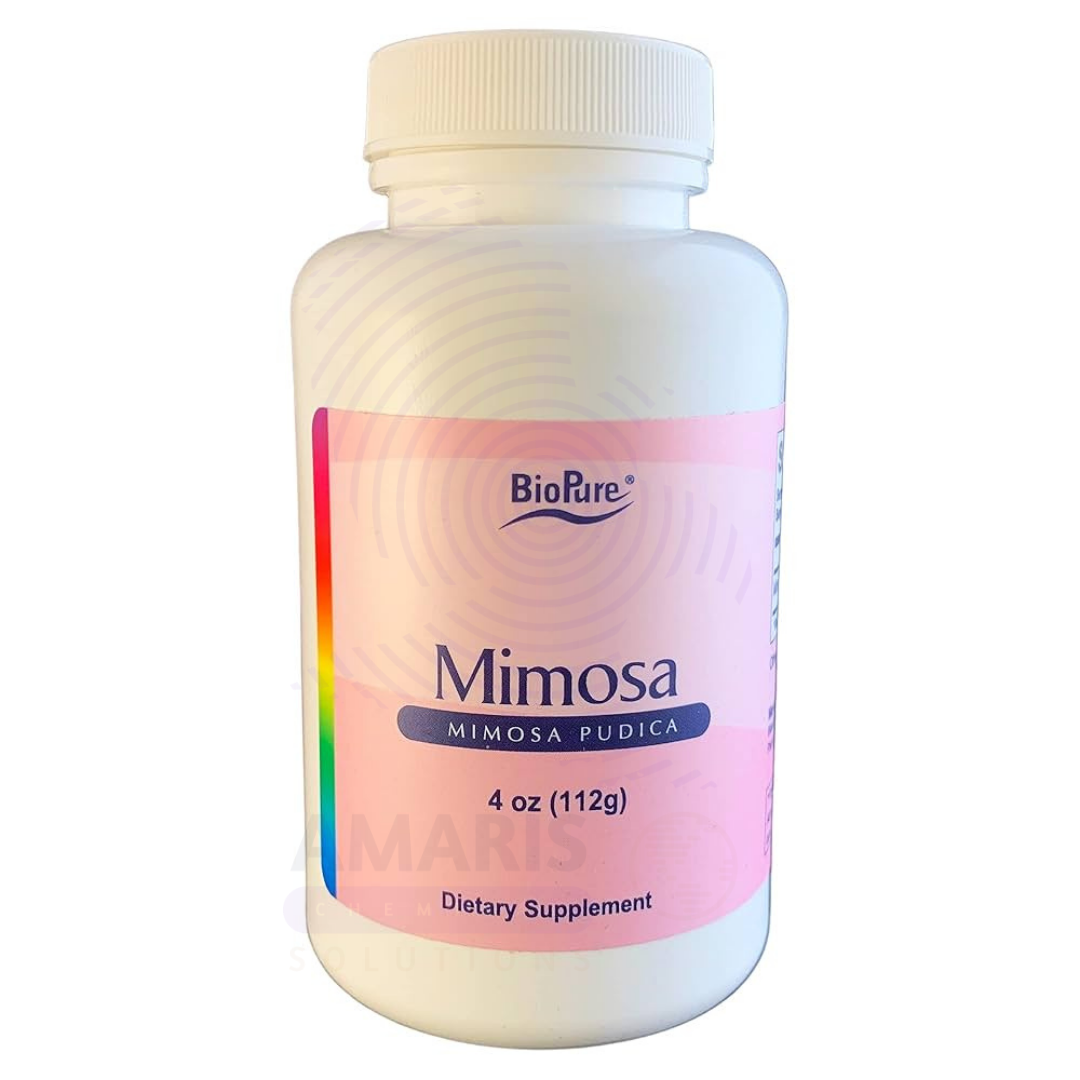


Mimosa Powder Extra Pure
Original price was: $ 17.90.$ 17.78Current price is: $ 17.78.
Mimosa Powder Extra Pure is a finely ground, high-purity botanical extract derived from the bark or leaves of Acacia spp. (commonly known as mimosa). This extra pure grade is meticulously processed to retain key phytochemicals—such as tannins, flavonoids, and phenolic compounds—in highly consistent concentrations. In laboratory settings, it is prized for use in phytochemical analysis, antioxidant testing, and evaluation of anti-inflammatory or antimicrobial activity.
With minimal impurities, Mimosa Powder is well-suited for biochemical assays, formulation trials, and comparative research on natural extracts. It may also be used in cosmetic formulations, nutraceutical studies, or dietary supplement development, where standardization and safety are critical. Proper storage in cool, dry, and dark conditions is recommended to maintain potency and prevent degradation.
Mimosa Powder Extra Pure
Primary Uses
- Source of Tannins for Leather Tanning
- Used in the vegetable tanning process to convert animal hides into durable, rot-resistant leather. The high concentration of condensed tannins (flavonoids) in the powder binds to collagen proteins, stabilizing the hide structure.
- Natural Dye for Textiles and Fabrics
- Serves as a substantive dye to color natural fibers like wool, silk, and cotton, yielding shades of yellow, tan, brown, and grey. The color outcome depends on the mordant used (e.g., alum for bright yellows, iron for darker grey-browns).
- Raw Material for Extract Production
- Act as the starting material for the industrial or laboratory-scale production of Mimosa extract. This involves aqueous extraction to concentrate the active compounds (tannins, saponins) into a liquid or solid form for use in tanning, cosmetics, and herbal products.
- Biomaterial for Cosmetic and Dermatological Preparations
- Incorporated into skincare formulations (creams, lotions, serums) for its purported regenerative and soothing properties, largely attributed to compounds like beta-sitosterol. It is a key ingredient in some traditional and modern wound-healing and anti-aging products.
Secondary Uses
- Adhesive and Resin Precursor
- The tannins can be reacted with aldehydes (e.g., formaldehyde) or used alone to produce natural-based adhesives for wood products, such as particleboard and plywood, or as a precursor to synthetic tannin resins.
- Antioxidant in Laboratory Studies
- Used in in vitroresearch as a source of natural polyphenols and flavonoids to study free radical scavenging activity, metal chelation, and inhibition of lipid peroxidation in biochemical and food science models.
- Flocculant in Water Treatment Studies
- Investigated for its potential as a natural, biodegradable flocculant. The tannins and other polymeric compounds can help aggregate and settle suspended colloidal particles in turbid water in experimental treatment setups.
- Teaching Tool in Phytochemistry and Ethnobotany
- Serves as an excellent sample for laboratory exercises demonstrating the extraction and qualitative analysis of plant secondary metabolites, such as the Stiasny number for tannin quantification or thin-layer chromatography (TLC) fingerprinting. It is also used to discuss the principles of ethnobotany and the traditional uses of medicinal plants.
1. Basic Identification Attributes
- Chemical Name: Mimosa Powder
- Botanical Source: Derived from the bark of Acacia dealbata, Acacia mearnsii, or related species
- Common Constituents: Tannins (especially condensed tannins), polyphenols, and other plant-derived bioactives
- Appearance: Fine brown to reddish-brown powder
- Odor: Mildly woody or astringent
- Solubility: Partially soluble in water (due to tannin content)
- Grade: Extra Pure
2. Safety & Hazard Attributes
- General Classification: Natural plant-derived material, generally regarded as low-toxicity, but should be handled as a chemical due to tannin content
- Hazards:
- May cause mild skin or eye irritation in sensitive individuals
- Inhalation of fine powder may irritate respiratory tract
- PPE Required:
- Lab gloves
- Dust mask or respirator (if handling large quantities)
- Safety goggles
- First Aid Measures:
- Eyes: Rinse with water if irritation occurs
- Skin: Wash with soap and water
- Inhalation: Move to fresh air
- Ingestion: Non-toxic in small quantities, but not intended for internal use in a lab setting
- Fire Hazard:
- Combustible organic powder
- Keep away from ignition sources
- Use dry chemical, CO₂, or foam extinguishers
3. Storage & Handling
- Storage Conditions:
- Store in a cool, dry place away from moisture and direct sunlight
- Keep container tightly closed
- Avoid contact with oxidizing agents
- Handling Notes:
- Handle in a well-ventilated area
- Use care to avoid generating dust
4. Laboratory Applications
- Primary Uses:
- Tannin analysis and quantification in natural product chemistry
- Natural dyeing and staining for textiles and histology (due to its high tannin content)
- Astringent agent in herbal/pharmaceutical formulations (for research only)
- Secondary Uses:
- Teaching tool in botanical studies or phytochemical screening
- Research on plant-derived antioxidants or anti-inflammatory agents
SAFETY PRECAUTIONS
Personal Protective Equipment (PPE):
- Wear a lab coat, nitrile gloves, and safety goggles.
- Use a dust mask or operate in a fume hood to avoid inhalation of fine particles.
Handling:
- Avoid inhalation, ingestion, and contact with eyes or skin.
- Prevent formation and dispersion of dust.
- Wash hands thoroughly after use.
- Handle with care as natural plant powders may contain allergenic or bioactive compounds.
Storage:
- Store in a cool, dry, and well-ventilated place.
- Keep the container tightly sealed and away from direct sunlight and moisture.
- Keep away from oxidizing agents and strong acids.
FIRST AID MEASURES
Inhalation:
- Remove the individual to fresh air.
- Seek medical attention if respiratory irritation persists.
Skin Contact:
- Wash skin with soap and water.
- Remove and wash contaminated clothing.
- Seek medical attention if irritation or reaction occurs.
Eye Contact:
- Rinse cautiously with plenty of water for several minutes.
- Remove contact lenses if present and easy to do.
- Continue rinsing and seek medical attention if symptoms persist.
Ingestion:
- Rinse mouth with water.
- Do not induce vomiting.
- Seek medical advice, especially if large amounts were ingested.
FIRE FIGHTING MEASURES
Flammability:
- Combustible in powder form; dust may form explosive mixtures with air.
Extinguishing Media:
- Use dry chemical, foam, or CO₂ extinguishers.
- Avoid using strong water jets.
Hazardous Combustion Products:
- May produce carbon monoxide, carbon dioxide, and organic fumes.
Firefighter Protection:
- Use self-contained breathing apparatus (SCBA) and full protective gear.
- Avoid inhalation of combustion fumes.
Related products
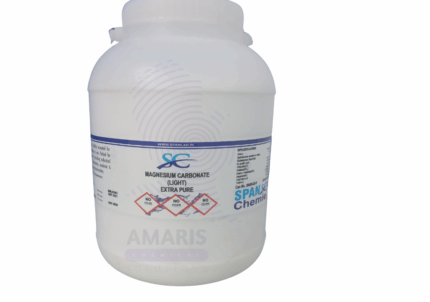
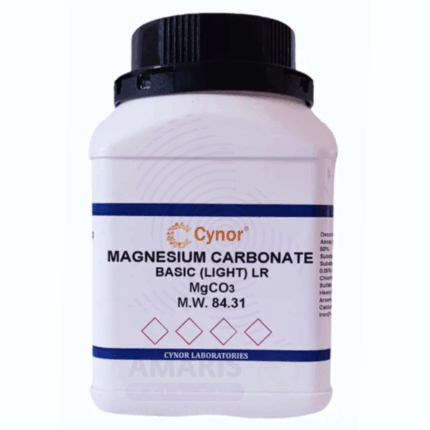
Magnesium Carbonate Light Extra Pure
Magnesium Carbonate Light Extra Pure is a fine, white, odorless powder known for its excellent absorbent, drying, and antacid properties. It is widely used in pharmaceutical formulations, cosmetics, food additives, and laboratory reagents. Its “light” form refers to its low bulk density, making it ideal for applications requiring a fluffy, easily dispersible powder. In personal care products, it serves as a filler and opacifier, while in pharmaceuticals, it acts as a mild antacid and magnesium supplement. Its high purity ensures consistent performance in analytical procedures and specialty chemical processes.
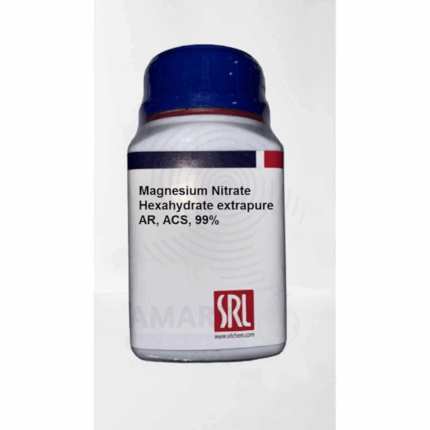
Magnesium Nitrate Hexahydrate Extra Pure
Magnesium Nitrate Hexahydrate Extra Pure is a crystalline compound known for its high solubility in water and exceptional purity, making it suitable for both laboratory and industrial applications. In analytical chemistry, it is commonly used as a reagent for preparing standard solutions and as a source of magnesium ions in various experimental procedures. Its oxidizing properties make it valuable in pyrotechnics and fertilizer formulations, where it provides essential nutrients for plant growth. This compound is also employed in ceramic production, textile treatments, and catalyst preparations, where a consistent, high-quality nitrate source is required. Its extra pure grade ensures minimal contamination, essential for high-precision work.
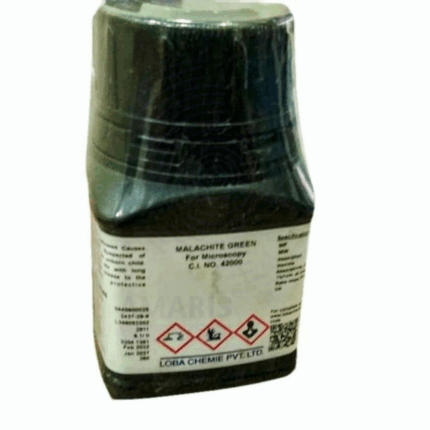
Malachite Green Extra Pure
Malachite Green Extra Pure is a synthetic dye of exceptional purity, recognized for its intense green coloration and versatile laboratory uses. It is commonly used as a biological stain, especially in microbiology for identifying and differentiating bacterial species, and in histology for staining cell structures. Additionally, Malachite Green serves as an effective fungicide and antiparasitic agent in aquaculture and laboratory testing. Its high purity ensures reliable performance in analytical applications, including redox titrations and as a pH indicator in specific chemical reactions. Its vivid color and chemical stability make it a valuable reagent in both teaching and professional research settings.
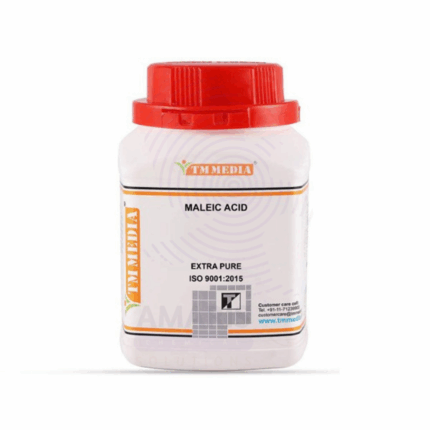
Maleic Acid Extra Pure
Maleic Acid Extra Pure is a high-purity organic compound valued for its strong acidic properties and wide range of laboratory and industrial applications. It appears as a white crystalline solid and is primarily used in organic synthesis, particularly in the production of polymers, resins, and plasticizers. In research laboratories, Maleic Acid serves as a buffering agent, a precursor to fumaric acid, and an intermediate in various chemical reactions. Its excellent solubility in water and compatibility with other reactants make it especially useful in biochemical and analytical procedures. The extra pure grade ensures minimal contamination, providing reliable results in sensitive experiments and high-precision manufacturing processes.
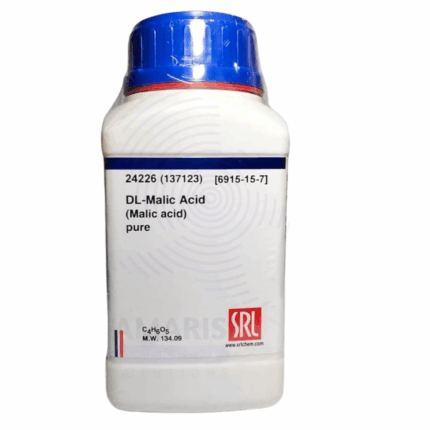
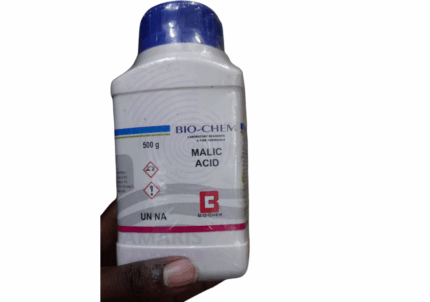
Malic Acid Extra Pure
Malic Acid Extra Pure is a high-grade, naturally occurring dicarboxylic acid known for its sharp, tart flavor and versatility in both laboratory and industrial settings. It is commonly found in fruits such as apples and is widely used as an acidulant in food and beverage formulations, where it enhances flavor, preserves freshness, and improves pH stability. In laboratory applications, Malic Acid is employed in biochemical research, particularly in studies involving the citric acid cycle, due to its role as an intermediate metabolite. Its excellent solubility in water and mild acidity also make it suitable for cosmetic formulations and pharmaceutical preparations. The extra pure grade ensures high analytical accuracy and consistent quality across applications requiring strict purity standards.
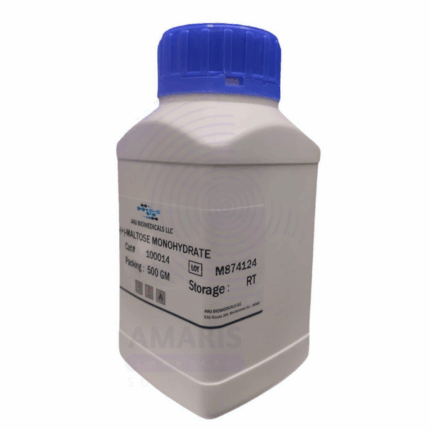
Maltose Extra Pure
Maltose Extra Pure is a disaccharide composed of two glucose units, commonly known as malt sugar. This extra pure grade ensures exceptional quality and consistency, making it ideal for use in biochemical research, fermentation studies, and laboratory analysis. In the food industry, maltose is valued for its mild sweetness and is often used in brewing, baking, and confectionery to promote fermentation and enhance flavor. It also plays a role in energy metabolism studies and is frequently used as a carbon source in microbiological media. Its stability and solubility in water make it easy to incorporate into various formulations, offering a dependable ingredient for scientific and industrial use where high purity is essential.
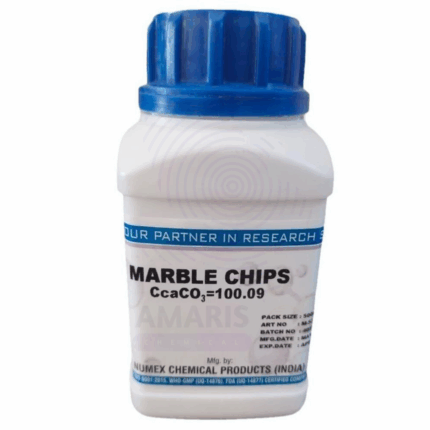
Marble Chips Extra Pure
Marble Chips Extra Pure are high-grade, naturally occurring calcium carbonate fragments that have been carefully processed to ensure exceptional purity. These white or off-white chips are widely used in laboratory experiments, especially in demonstrations involving acid-carbonate reactions where the release of carbon dioxide is observed. Beyond educational and research use, they also serve as a buffering agent, filtration medium, and mild abrasive in various industrial applications. Due to their chemical stability and high calcium content, marble chips are ideal for use in controlled environments where contaminants must be minimized.
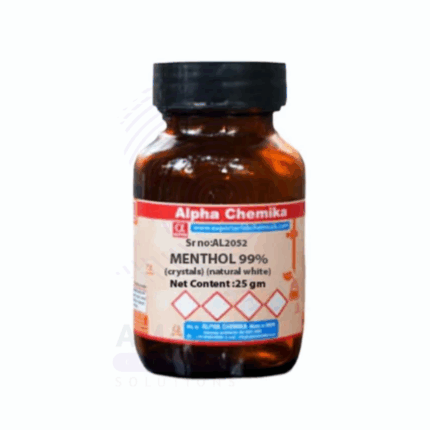
Menthol Crystals Extra Pure
Menthol Crystals Extra Pure are colorless to white, needle-like crystals derived from peppermint or other mint oils and refined to the highest purity. Known for their strong, refreshing minty aroma, they are widely used in pharmaceutical, cosmetic, and personal care formulations. These crystals provide a cooling sensation on the skin and mucous membranes, making them a common ingredient in balms, liniments, throat lozenges, and inhalants. In laboratories, menthol crystals are also used in sensory studies and product development. Their purity ensures consistent performance and minimal interference in sensitive formulations.












