

 Preservatives(food)
 Flavor Enhancers
 Acidulants
 Sweeteners
 Antioxidants
 Colorants(food)
 Nutraceutical Ingredients (food)
 Nutrient Supplements
 Emulsifiers
 Collectors
 Dust Suppressants
 Explosives and Blasting Agents
 Flocculants and Coagulants
 Frothers
 Leaching Agents
 pH Modifiers
 Precious Metal Extraction Agents
 Antioxidants(plastic)
 Colorants (Pigments, Dyes)
 Fillers and Reinforcements
 Flame Retardants
 Monomers
 Plasticizers
 Polymerization Initiators
 Stabilizers (UV, Heat)
 Antifoaming Agents
 Chelating Agents
 Coagulants and Flocculants
 Corrosion Inhibitors
 Disinfectants and Biocides
 Oxidizing Agents
 pH Adjusters
 Scale Inhibitors( water)
 Antioxidants(cosmetic)
 Emollients
 Fragrances and Essential Oils
 Humectants
 Preservatives
 Surfactants(cosmetic)
 Thickeners
 UV Filters
 Fertilizers
 Soil Conditioners
 Plant Growth Regulators
 Animal Feed Additives
 Biostimulants
 Pesticides (Herbicides, Insecticides, Fungicides)
 Active Pharmaceutical Ingredients (APIs)
 Excipients
 Solvents(pharmaceutical)
 Antibiotics
 Antiseptics and Disinfectants
 Vaccine Adjuvants
 Nutraceutical Ingredients (pharmaceutical)
 Analgesics & Antipyretics
 Analytical Reagents
 Solvents(lab)
 Chromatography Chemicals
 Spectroscopy Reagents
 microbiology-and-cell-culture-reagents
 Molecular Biology Reagents
 Biochemical Reagents
 Inorganic and Organic Standards
 Laboratory Safety Chemicals
 Specialty Laboratory Chemicals(Special Laboratory Equipment)
 Demulsifiers
 Hydraulic Fracturing Fluids
 Scale Inhibitors(oil)
 Surfactants(oil)
 Drilling Fluids
 Dyes and Pigments
 Bleaching Agents
 Softening Agents
 Finishing Agents
 Antistatic Agents
 Admixtures
 Waterproofing Agents
 Sealants and Adhesives
 Curing Compounds
 Concrete Repair Chemicals
 Anti-Corrosion Coatings
 Surfactants(cleaning)
 Builders
 Enzymes
 Solvents (Cleaning)
 Fragrances
 Electronic Chemicals
 Catalysts
 Lubricants
 Photographic Chemicals
 Refrigerants
 Automotive chemicals
 Pyrotechnic Chemicals
 Biodegradable Surfactants
 Bio-based Solvents
 Renewable Polymers
 Carbon Capture Chemicals
 Wastewater Treatment Chemicals
 Pigments
 Solvents(paint)
 Specialty Coatings
 Binders/Resins
 Additives
 Driers
 Anti-Corrosion Agents
 Functional Coatings
 Application-Specific Coatings
 Leavening Agents
 Dough Conditioners
 Flour Treatments
 Fat Replacers
 Decoratives
 Preservatives(baking)
 Plasticizers & Softeners
 Reinforcing Agents
 Adhesion Promoters
 Vulcanizing Agents
 Antidegradants
 Blowing Agents
 Fillers & Extenders
 Accelerators & Retarders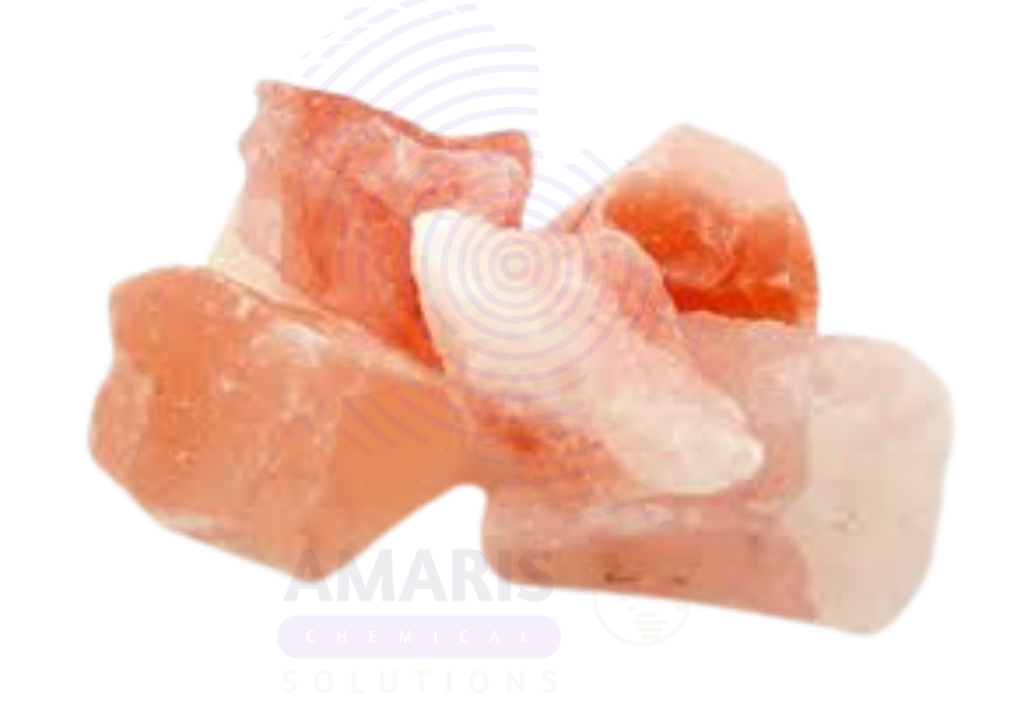
Mineral lick ( Rock Salt)
Mineral Lick, commonly known as Rock Salt, is a naturally occurring mineral primarily composed of sodium chloride. It is harvested from salt deposits and widely used as a mineral supplement for livestock and wildlife, providing essential nutrients. Mineral Lick enhances animal health by promoting hydration, digestion, and mineral balance. It also has applications in industry, agriculture, and food processing.
Mineral lick ( Rock Salt)
Primary Uses
- Animal Nutrition
- Mineral supplement for cattle, sheep, goats, horses, deer, and other grazing animals.
- Provides essential sodium and trace minerals needed for metabolic functions and fluid balance.
- Supports healthy digestion and nutrient absorption.
- Encourages water intake, preventing dehydration.
- Improves growth, milk production, and reproductive performance.
- Agricultural Use
- Soil mineral replenishment in salt-deficient lands.
- Used in mineral blocks combined with other essential nutrients for livestock.
- Food Industry
- After refining and purification, processed into edible table salt.
- Used in food preservation, seasoning, and curing.
Secondary Uses
- Industrial Applications
- Water softening agent to remove calcium and magnesium ions.
- De-icing and anti-icing agent for roads and pathways in winter climates.
- Raw material in chemical manufacturing (chlorine, caustic soda).
- Used in textile dyeing and processing.
- Environmental Uses
- Dust control on unpaved roads.
- Used in wastewater treatment processes.
- Traditional and Cultural Uses
- Incorporated in livestock care rituals and mineral lick stations in wildlife parks and zoos.
- Used as a natural preservative in certain traditional food preparations.
- Pet and Zoo Animal Care
- Salt licks supplied for captive animals to ensure adequate mineral intake.
1. Basic Identification Attributes
- Chemical Name (IUPAC): Sodium chloride
- Common/Trade Name: Mineral Lick, Rock Salt
- CAS Number: 7647-14-
- HS Code: 2501.00.00
- Synonyms: Halite, Salt rock, Common salt
2. Physical & Chemical Properties
- Physical State: Solid, crystalline rock
- Color & Odor: White to pale pink or grayish; odorless
- Solubility: Soluble in water
- Density: Approx. 2.16 g/cm³
- Composition: Primarily NaCl with trace minerals (calcium, magnesium, potassium)
3. Safety & Hazard Attributes
- GHS Classification: Not hazardous under normal use
- Toxicity: Low toxicity; generally safe for intended applications
- Exposure Limits: No specific occupational limits; use standard precautions
4. Storage & Handling Attributes
- Storage Conditions: Store in a dry, cool, well-ventilated place to avoid moisture and clumping
- Container Type: Blocks, bags, or loose bulk
- Shelf Life: Indefinite if stored properly
- Handling Precautions: Avoid inhaling dust; use gloves when handling large quantities
5. Regulatory & Compliance Attributes
- Complies with FDA and Codex Alimentarius standards for food and feed safety
- Meets animal feed supplement regulations and quality standards
6. Environmental & Health Impact
- Biodegradability: Naturally occurring mineral, no biodegradation needed
- Ecotoxicity: Low environmental impact when used as intended
- Bioaccumulation: Not applicable
- Carcinogenicity/Mutagenicity: Not classified as hazardous
Safety Handling Precautions
- PPE Required: Gloves recommended for bulk handling; dust masks in dusty environments
- Handling Guidelines: Avoid inhaling dust; prevent prolonged skin contact with dust
- Storage Measures: Keep containers sealed and dry
First Aid Measures
- Inhalation: Move to fresh air if respiratory irritation occurs
- Skin Contact: Wash skin with water to remove dust
- Eye Contact: Rinse eyes thoroughly with water if dust enters
- Ingestion: Generally safe; seek medical attention if large quantities ingested
Firefighting Measures
- Fire Hazards: Non-flammable and non-combustible
- Extinguishing Media: Not applicable
- Special Precautions: None needed
- Hazardous Combustion Products: None
Related products
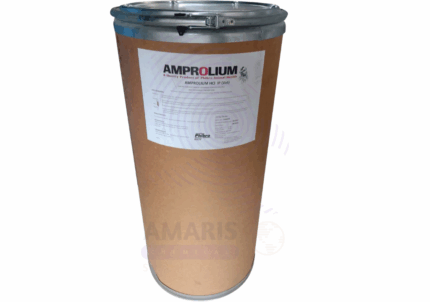
Amprolium Hydrochloride
Amprolium Hydrochloride is a white, odorless, crystalline powder used primarily as a coccidiostat, which means it inhibits the growth of Eimeria species (protozoan parasites) responsible for coccidiosis in poultry and other animals. It works by mimicking thiamine (vitamin B1), thereby competitively inhibiting thiamine uptake by the parasite, disrupting its metabolism, and preventing its proliferation. Amprolium HCl is widely used in veterinary medicine, especially in poultry farming, and is often included in feed or drinking water. It complies with BP 2008 and USP 32 pharmacopeial standards.
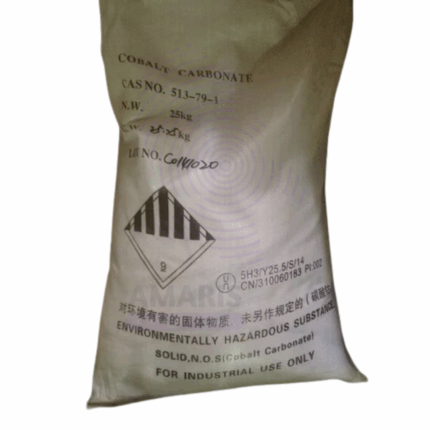
Cobalt Carbonate
Cobalt Carbonate is a rose-red to purplish powder with a metal content of approximately 46% cobalt by weight. It is an inorganic compound primarily used as a source of cobalt, either as a raw material in chemical synthesis or as a micronutrient in various formulations. It is slightly soluble in water and decomposes upon heating, releasing carbon dioxide and leaving cobalt oxide (CoO). Cobalt Carbonate is used in ceramics, catalysts, animal nutrition, batteries, and metal surface treatments. Its controlled release of cobalt makes it useful in both industrial and biological applications.
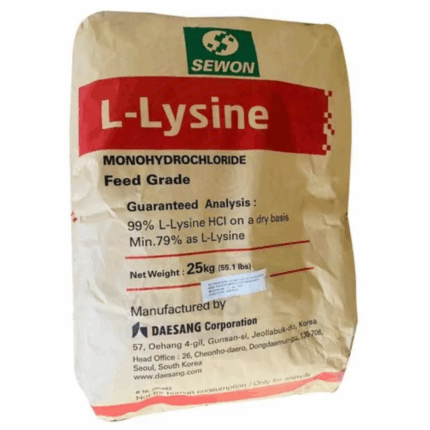
L-Lysine HCL Feed Grade
L-Lysine HCL Feed Grade is a highly pure form of the essential amino acid lysine combined with hydrochloric acid to improve its stability and solubility. It appears as a white crystalline powder and is widely used as a dietary supplement in animal feed to enhance growth, improve feed efficiency, and balance amino acid profiles. L-Lysine HCL is critical in poultry, swine, and aquaculture nutrition, helping to meet animals’ lysine requirements for protein synthesis and overall health.
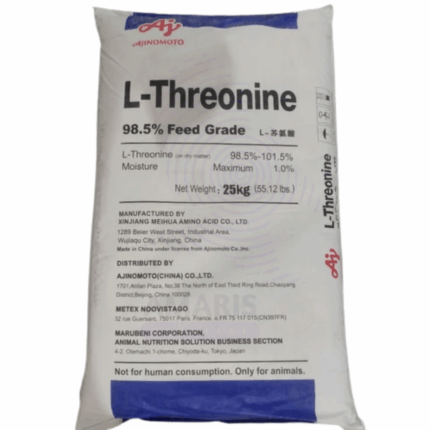
L-Threonine Feed Grade
L-Threonine Feed Grade is a high-purity essential amino acid used primarily as a nutritional supplement in animal feed. It appears as a white crystalline powder and is vital for protein synthesis, growth, and overall health in livestock. This feed-grade form of L-Threonine helps balance amino acid profiles in animal diets, especially in monogastric animals like poultry and swine, improving feed efficiency and production performance.

Magnesium Sulphate (Epsom Salt)
Magnesium Sulphate Epsom Salt, commonly known as Epsom Salt, is an inorganic salt composed of magnesium, sulfur, and oxygen with the formula MgSO₄. It typically appears as colorless or white crystalline granules and is highly soluble in water. In its heptahydrate form (MgSO₄·7H₂O), it is widely used in agriculture, pharmaceuticals, food, and industrial applications. Epsom Salt is valued for its muscle relaxant, laxative, and magnesium supplementation properties, as well as for its role in improving soil fertility and plant growth.
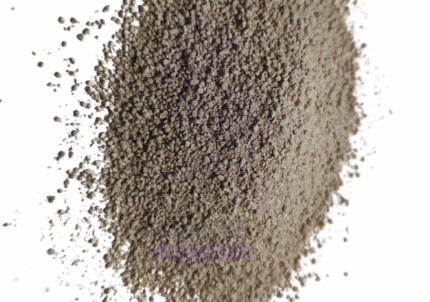
Salinomycin Granular Feed Grade
Salinomycin Granular Feed Grade is an ionophore antibiotic widely used as a coccidiostat in poultry and livestock feed. It helps control and prevent coccidiosis, a parasitic disease affecting the intestinal tract of animals, thereby improving growth performance and feed efficiency. This granular formulation ensures uniform mixing in feed and stable dosage delivery.

Toxin Binder Premix
Toxin Binder Premix is a specialized feed additive formulated to adsorb and neutralize a broad range of mycotoxins and other harmful toxins present in animal feed. It enhances animal health by preventing the absorption of toxins in the gastrointestinal tract, thereby improving feed efficiency and productivity. The premix typically contains activated clays, yeast cell wall components, and other natural or synthetic adsorbents designed for use in livestock, poultry, and aquaculture feeds. This product supports animal growth, immune function, and overall well-being by mitigating the adverse effects of feed contamination.
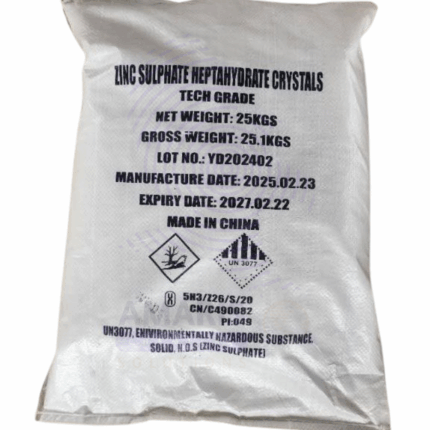
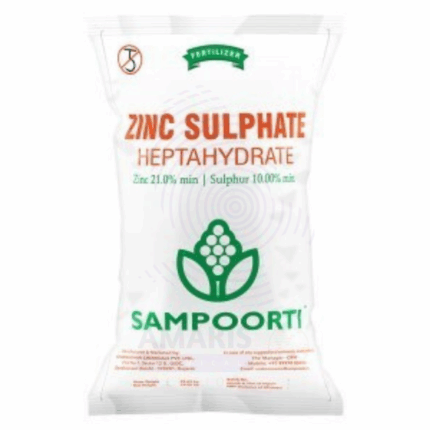
Zinc Sulphate Heptahydrate
Zinc Sulphate Heptahydrate (ZnSO₄·7H₂O) is a white, crystalline, water-soluble compound commonly used as a dietary supplement to treat zinc deficiency. It serves as a key ingredient in fertilizers, animal feeds, and industrial applications like water treatment and dyeing. The heptahydrate form contains seven water molecules, making it highly soluble and effective for various agricultural, medical, and chemical uses.












