

 Preservatives(food)
 Flavors
 Acidulants
 Sweeteners
 Antioxidants
 Colorants(food)
 Nutraceutical Ingredients (food)
 Nutrient Supplements
 Emulsifiers
 Collectors
 Dust Suppressants
 Explosives and Blasting Agents
 Flocculants and Coagulants
 Frothers
 Leaching Agents
 pH Modifiers
 Precious Metal Extraction Agents
 Antioxidants(plastic)
 Colorants (Pigments, Dyes)
 Fillers and Reinforcements
 Flame Retardants
 Monomers
 Plasticizers
 Polymerization Initiators
 Stabilizers (UV, Heat)
 Antifoaming Agents
 Chelating Agents
 Coagulants and Flocculants
 Corrosion Inhibitors
 Disinfectants and Biocides
 Oxidizing Agents
 pH Adjusters
 Scale Inhibitors( water)
 Antioxidants(cosmetic)
 Emollients
 Oils
Oils Carrier Oills
 Essential Oils
 Humectants
 Preservatives
 Surfactants(cosmetic)
 Thickeners
 UV Filters
 Fragrance (Cosmetics)
 Fertilizers
 Soil Conditioners
 Plant Growth Regulators
 Animal Feed Additives
 Biostimulants
 Pesticides (Herbicides, Insecticides, Fungicides)
 Active Pharmaceutical Ingredients (APIs)
 Excipients
 Solvents(pharmaceutical)
 Antibiotics
 Antiseptics and Disinfectants
 Vaccine Adjuvants
 Nutraceutical Ingredients (pharmaceutical)
 Analgesics & Antipyretics
 Analytical Reagents
 Solvents(lab)
 Chromatography Chemicals
 Spectroscopy Reagents
 microbiology-and-cell-culture-reagents
 Molecular Biology Reagents
 Biochemical Reagents
 Inorganic and Organic Standards
 Laboratory Safety Chemicals
 Specialty Laboratory Chemicals(Special Laboratory Equipment)
 Demulsifiers
 Hydraulic Fracturing Fluids
 Scale Inhibitors(oil)
 Surfactants(oil)
 Drilling Fluids
 Dyes and Pigments
 Bleaching Agents
 Softening Agents
 Finishing Agents
 Antistatic Agents
 Admixtures
 Waterproofing Agents
 Sealants and Adhesives
 Curing Compounds
 Concrete Repair Chemicals
 Anti-Corrosion Coatings
 Surfactants(cleaning)
 Builders
 Enzymes
 Solvents (Cleaning)
 Electronic Chemicals
 Catalysts
 Lubricants
 Photographic Chemicals
 Refrigerants
 Automotive chemicals
 Pyrotechnic Chemicals
 Biodegradable Surfactants
 Bio-based Solvents
 Renewable Polymers
 Carbon Capture Chemicals
 Wastewater Treatment Chemicals
 Pigments
 Solvents(paint)
 Specialty Coatings
 Binders/Resins
 Additives
 Driers
 Anti-Corrosion Agents
 Functional Coatings
 Application-Specific Coatings
 Leavening Agents
 Dough Conditioners
 Flour Treatments
 Fat Replacers
 Decoratives
 Preservatives(baking)
 Plasticizers & Softeners
 Reinforcing Agents
 Adhesion Promoters
 Vulcanizing Agents
 Antidegradants
 Blowing Agents
 Fillers & Extenders
 Accelerators & Retarders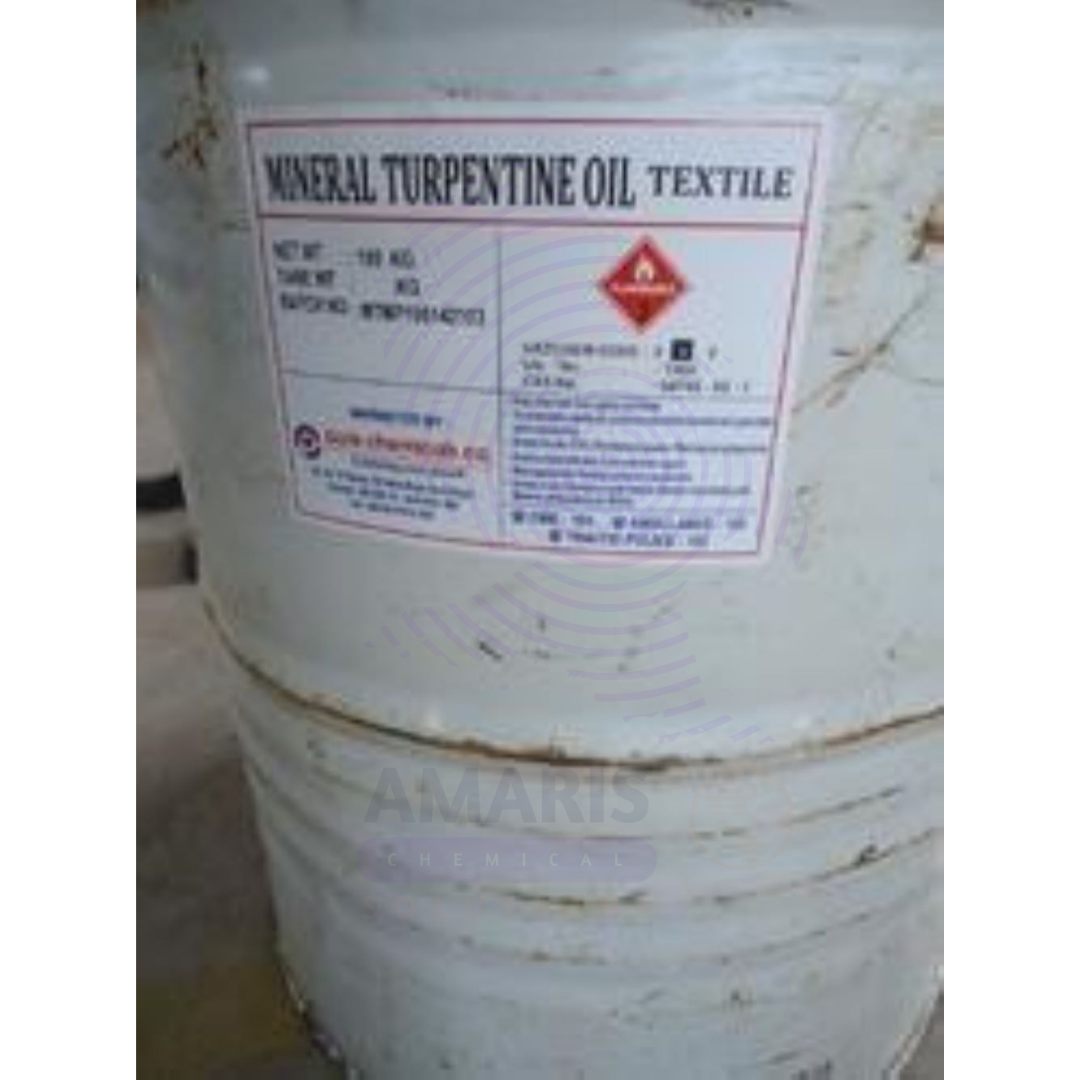


Mineral Turpentine
Mineral Turpentine, also known as White Spirit or Stoddard Solvent, is a clear, petroleum-derived solvent widely used in industrial, commercial, and household applications. It is a mixture of aliphatic and alicyclic hydrocarbons obtained from the distillation of crude oil. Mineral Turpentine serves as an effective solvent for paints, varnishes, and adhesives and is valued for its moderate evaporation rate and good solvency power.
Mineral Turpentine
Primary Uses
- Paints and Coatings
- Used as a solvent and thinner for oil-based paints, enamels, and varnishes.
- Facilitates smooth application and proper drying of coatings.
- Helps clean paint brushes, rollers, and spray equipment after use.
- Adhesives and Sealants
- Solvent in production and application of adhesives and sealants.
- Enhances flow and workability of glue and paste formulations.
- Cleaning Agent
- Removes grease, oil, wax, and tar from metal surfaces and tools.
- Used in industrial degreasing and maintenance processes.
Secondary Uses
- Printing Industry
- Solvent in lithographic and flexographic inks for printing applications.
- Chemical Manufacturing
- Used as a carrier solvent for extraction and chemical reactions.
- Household Use
- Used in DIY and craft applications for cleaning and thinning paints and varnishes.
- Removes adhesives, ink stains, and sticky residues from various surfaces.
- Automotive and Machinery
- Degreases engine parts and mechanical components.
- Cleans surfaces before painting or coating.
- Art and Restoration
- Used by artists for cleaning brushes and thinning oil-based paints.
- Helps in restoring old paintings and varnished furniture.
1. Basic Identification Attributes
- Chemical Name (IUPAC): Petroleum distillate (various hydrocarbons)
- Common/Trade Name: Mineral Turpentine, White Spirit, Stoddard Solvent
- CAS Number: 8052-41-3
- HS Code: 2710.19.00
- Synonyms: Mineral spirits, Petroleum solvent, Paint thinner
2. Physical & Chemical Properties
- Physical State: Clear, colorless liquid
- Color & Odor: Mild petroleum odor
- Boiling Point: 140–200°C (varies by grade)
- Flash Point: 38–62°C (depending on formulation)
- Density: Approx. 0.77–0.80 g/cm³
- Solubility: Insoluble in water; soluble in most organic solvents
3. Safety & Hazard Attributes
- GHS Classification: Flammable liquid (Category 3)
- Toxicity: Moderate toxicity; avoid inhalation and prolonged skin contact
- Exposure Limits: OSHA PEL ~500 ppm (varies by jurisdiction)
4. Storage & Handling Attributes
- Storage Conditions: Store in a cool, well-ventilated area away from heat and ignition sources
- Container Type: Supplied in metal drums, plastic containers, or cans
- Shelf Life: Typically 2–3 years if stored properly
- Handling Precautions: Use in well-ventilated areas; avoid open flames and sparks
5. Regulatory & Compliance Attributes
- Complies with OSHA, REACH, and EPA regulations for solvents
- Meets industry standards for paint thinners and industrial solvents
6. Environmental & Health Impact
- Biodegradability: Readily biodegradable under aerobic conditions
- Ecotoxicity: Toxic to aquatic life; avoid release into waterways
- Bioaccumulation: Low potential
- Carcinogenicity/Mutagenicity: Not classified as carcinogenic
Safety Handling Precautions
- PPE Required: Gloves, goggles, and protective clothing recommended
- Handling Guidelines: Avoid inhaling vapors; use respiratory protection in confined spaces
- Storage Measures: Keep containers tightly closed; store away from incompatible materials
First Aid Measures
- Inhalation: Move to fresh air; seek medical attention if symptoms persist
- Skin Contact: Wash with soap and water; remove contaminated clothing
- Eye Contact: Rinse with plenty of water for at least 15 minutes; seek medical attention if irritation persists
- Ingestion: Do not induce vomiting; seek immediate medical attention
Firefighting Measures
- Fire Hazards: Flammable liquid and vapor
- Extinguishing Media: Use foam, dry chemical, carbon dioxide (CO₂), or water spray
- Special Precautions: Avoid inhalation of combustion gases; use full protective equipment
- Hazardous Combustion Products: Carbon oxides, unburned hydrocarbons
Related products
Butyl Glycol
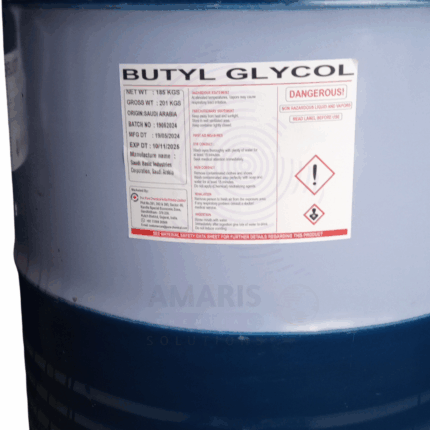
Butyl Glycol, also known as 2-Butoxyethanol, is a colorless to pale yellow liquid with a mild, sweet ether-like odor. It is an organic solvent classified as a glycol ether, with the molecular formula C6H14O2. Butyl Glycol is highly miscible with water, alcohols, and many organic solvents. It is widely used in industrial and commercial applications due to its excellent solvent properties, low volatility, and moderate toxicity. Its high solvency and compatibility with both aqueous and organic phases make it valuable in coatings, cleaning products, inks, and adhesives.

Ethyl Glycol Acetate
Ethyl Glycol Acetate, also known as 2-Ethoxyethyl acetate, is a clear, colorless liquid solvent with a mild, sweet, and slightly fruity odor. It belongs to the family of glycol ethers and esters, combining excellent solvency power with moderate evaporation rates. This makes it highly suitable for use in coatings, inks, adhesives, and cleaning formulations where good solvency and controlled drying times are desired. Ethyl Glycol Acetate is compatible with a wide range of resins, including nitrocellulose, alkyd, acrylic, and vinyl resins, making it a versatile industrial solvent. Its balanced physical properties allow for efficient thinning, cleaning, and dissolution without rapid evaporation or harsh odors.
Glacial Acetic Acid Tech grade
Glacial Acetic Acid Tech grade is a clear, colorless liquid with a pungent vinegar-like odor. It is a less refined form of acetic acid primarily used for industrial and technical applications rather than food or pharmaceutical uses. Typically available in concentrations ranging from 80% to glacial (99-100%), it serves as a crucial chemical reagent, solvent, and intermediate in various industrial processes.
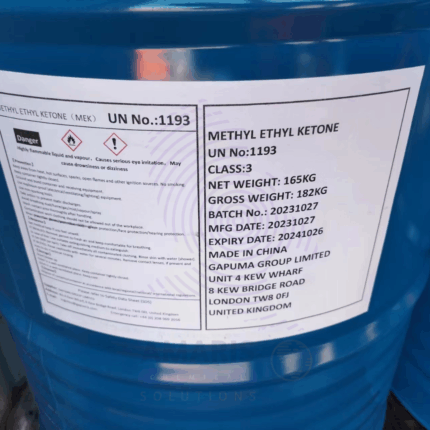
Methyl Ethyl Ketone
Methyl Ethyl Ketone, also known as Butanone, is a clear, colorless liquid with a sharp, sweet odor. It is a highly effective solvent widely used in industrial processes due to its excellent solvency, fast evaporation rate, and compatibility with a wide range of substances. MEK is commonly used in coatings, adhesives, printing inks, and cleaning formulations.
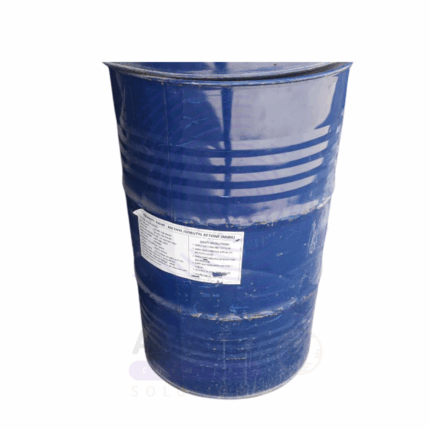
Methyl Iso Butyl Ketone
Methyl Iso Butyl Ketone (MIBK) is a clear, colorless liquid with a characteristic sharp, sweet odor. It is a versatile solvent widely used in industrial applications due to its excellent solvency, moderate evaporation rate, and chemical stability. MIBK is commonly utilized in coatings, adhesives, printing inks, and chemical synthesis.
N-Butanol
N-Butanol (1-butanol) is a four-carbon linear alcohol with the chemical formula C₄H₉OH. It is a colorless, flammable liquid with a mild, alcoholic odor. N-Butanol is widely used as a solvent in paints, coatings, adhesives, and chemical synthesis. It serves as an intermediate in the manufacture of plasticizers, butyl acrylate, and other chemicals. Its moderate volatility and solvent properties make it valuable in industrial and commercial applications.
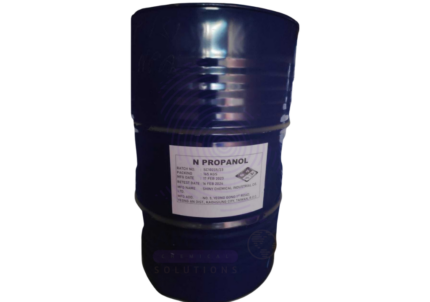
N-Propanol
N-Propanol, also known as n-Propyl Alcohol or 1-Propanol, is a clear, colorless, low-viscosity liquid with a characteristic mild alcohol-like odor. It is a primary alcohol with the molecular formula C₃H₈O, fully miscible with water and common organic solvents such as alcohols, ketones, ethers, glycols, and hydrocarbons. This high-purity, semi-volatile, polar solvent serves as both a versatile solvent and a chemical intermediate across multiple industrial sectors. N-Propanol has a flash point of 15–23°C and is classified as a highly flammable liquid. Technical grade N-Propanol is manufactured for industrial applications and is not intended for direct human consumption unless specifically certified as USP or Food Grade.

Xylene
Xylene is a clear, colorless, flammable aromatic hydrocarbon solvent consisting of three isomers: ortho-, meta-, and para-xylene. It is widely utilized in various industries for its excellent solvency, chemical stability, and moderate evaporation rate. Xylene serves as a key raw material in chemical manufacturing and an effective solvent in coatings, adhesives, inks, and cleaning applications.












