

 Preservatives(food)
 Flavors
 Acidulants
 Sweeteners
 Antioxidants
 Colorants(food)
 Nutraceutical Ingredients (food)
 Nutrient Supplements
 Emulsifiers

 Collectors
 Dust Suppressants
 Explosives and Blasting Agents
 Flocculants and Coagulants
 Frothers
 Leaching Agents
 pH Modifiers
 Precious Metal Extraction Agents

 Antioxidants(plastic)
 Colorants (Pigments, Dyes)
 Fillers and Reinforcements
 Flame Retardants
 Monomers
 Plasticizers
 Polymerization Initiators
 Stabilizers (UV, Heat)

 Antifoaming Agents
 Chelating Agents
 Coagulants and Flocculants
 Corrosion Inhibitors
 Disinfectants and Biocides
 Oxidizing Agents
 pH Adjusters
 Scale Inhibitors( water)

 Antioxidants(cosmetic)
 Emollients
 Oils
 Carrier Oills
 Essential Oils
 Humectants
 Preservatives
 Surfactants(cosmetic)
 Thickeners
 UV Filters
 Fragrance (Cosmetics)

 Fertilizers
 Soil Conditioners
 Plant Growth Regulators
 Animal Feed Additives
 Biostimulants
 Pesticides (Herbicides, Insecticides, Fungicides)

 Active Pharmaceutical Ingredients (APIs)
 Excipients
 Solvents(pharmaceutical)
 Antibiotics
 Antiseptics and Disinfectants
 Vaccine Adjuvants
 Nutraceutical Ingredients (pharmaceutical)
 Analgesics & Antipyretics

 Analytical Reagents
 Solvents(lab)
 Chromatography Chemicals
 Spectroscopy Reagents
 microbiology-and-cell-culture-reagents
 Molecular Biology Reagents
 Biochemical Reagents
 Inorganic and Organic Standards
 Laboratory Safety Chemicals
 Specialty Laboratory Chemicals(Special Laboratory Equipment)

 Demulsifiers
 Hydraulic Fracturing Fluids
 Scale Inhibitors(oil)
 Surfactants(oil)
 Drilling Fluids

 Dyes and Pigments
 Bleaching Agents
 Softening Agents
 Finishing Agents
 Antistatic Agents

 Admixtures
 Waterproofing Agents
 Sealants and Adhesives
 Curing Compounds
 Concrete Repair Chemicals
 Anti-Corrosion Coatings

 Surfactants(cleaning)
 Builders
 Enzymes
 Solvents (Cleaning)

 Electronic Chemicals
 Catalysts
 Lubricants
 Photographic Chemicals
 Refrigerants
 Automotive chemicals
 Pyrotechnic Chemicals

 Biodegradable Surfactants
 Bio-based Solvents
 Renewable Polymers
 Carbon Capture Chemicals
 Wastewater Treatment Chemicals

 Pigments
 Solvents(paint)
 Specialty Coatings
 Binders/Resins
 Additives
 Driers
 Anti-Corrosion Agents
 Functional Coatings
 Application-Specific Coatings

 Leavening Agents
 Dough Conditioners
 Flour Treatments
 Fat Replacers
 Decoratives
 Preservatives(baking)

 Plasticizers & Softeners
 Reinforcing Agents
 Adhesion Promoters
 Vulcanizing Agents
 Antidegradants
 Blowing Agents
 Fillers & Extenders
 Accelerators & Retarders



Nicotinamide Extra Pure
Original price was: $ 17.40.$ 17.34Current price is: $ 17.34.
Nicotinamide Extra Pure is a refined, high-purity form of vitamin B3, widely recognized for its essential role in human and animal health. It serves as a vital component in the synthesis of NAD⁺ and NADP⁺, coenzymes that are fundamental to numerous metabolic and enzymatic reactions in living cells. In laboratory settings, it is frequently used in biochemical research, cell culture media, and vitamin assays due to its stable and bioactive nature.
In pharmaceutical applications, nicotinamide is commonly used in the formulation of supplements and dermatological treatments, where it supports skin barrier function, reduces inflammation, and helps alleviate acne and hyperpigmentation. Its presence in cosmetic products is valued for promoting smoother, more even-toned skin. The Extra Pure grade guarantees minimal impurities, making it ideal for sensitive applications in health care, research, and personal care products. It should be stored in a cool, dry environment away from light to maintain its integrity.
Nitric Acid Extra Pure
Primary Uses
- Production of Nitrogen-based Fertilizers
- Used in the large-scale industrial synthesis of ammonium nitrate, a key nitrogen fertilizer, via neutralization with ammonia. It is also involved in producing other nitrate fertilizers like calcium ammonium nitrate.
- Nitrating Agent for Explosives and Organic Compounds
- Serves as a potent nitrating agent in organic synthesis to introduce nitro-groups into molecules. This is crucial for manufacturing explosives (e.g., TNT, nitroglycerin) and industrial chemicals like nitrobenzene, a precursor to aniline.
- Metal Processing and Pickling
- Employed for etching, pickling, and passivating metal surfaces, especially stainless steel. It dissolves surface impurities and forms a protective oxide layer that enhances corrosion resistance. Also used in metal refining and ore processing.
- Oxidizing Agent in Rocket Propellant and Chemical Synthesis
- Acts as a strong oxidizing agent in liquid-fueled rocket propellants (often as red fuming nitric acid). In laboratories and industry, it is used to oxidize metals and other elements to their highest oxidation states.
Secondary Uses
- Analytical Chemistry and Digestions
- A primary acid in “wet digestions” to dissolve trace metals and organic matter in samples (e.g., environmental, biological) prior to analysis by ICP-MS, AAS, or other spectroscopic techniques.
- Etchant in Microelectronics and Semiconductor Manufacturing
- Used to selectively etch metal layers (e.g., aluminum, copper) and clean silicon wafers during the fabrication of microelectronic components and semiconductor devices.
- Teaching Tool in Redox and Acid-Base Chemistry
- Ideal for classroom demonstrations illustrating its dual role as a strong acid and powerful oxidizing agent. Reactions with copper (producing nitrogen oxides) or its ability to passively oxidize aluminum are classic educational examples.
- Precursor for Specialty Chemicals and Catalysts
- Used to synthesize a wide range of specialty chemicals, including nitrate salts, dyes, pharmaceuticals, and nylon precursors. It is also involved in preparing catalysts for various industrial processes.
1. Basic Identification Attributes
- Chemical Name: Nicotinamide
- CAS Number: 98-92-0
- HS Code: 2936.26.00
- Molecular Formula: C₆H₆N₂O
- Synonyms:
- Niacinamide
- Vitamin B3 amide
- Pyridine-3-carboxamide
- 3-Pyridinecarboxamide
2. Physical & Chemical Properties
- Physical State: Crystalline solid
- Color & Odor: White, odorless powder
- Boiling Point: Decomposes before boiling
- Melting Point: 128–131 °C
- Density: ~1.4 g/cm³
- Solubility: Freely soluble in water, ethanol; slightly soluble in ether and chloroform
- pH Level: ~6.0–7.5 (in 1% solution)
- Vapor Pressure: Negligible
- Flash Point: >160 °C (closed cup)
- Autoignition Temperature: Not readily available
- Viscosity: Not applicable (solid material)
3. Safety & Hazard Attributes
- Hazard Class (GHS Classification): Not classified as hazardous
- NFPA Ratings:
- Health: 1
- Flammability: 1
- Reactivity: 0
- Exposure Limits: No OSHA PEL or ACGIH TLV established
- Reactivity: Stable under normal conditions; avoid strong oxidizers
4. Storage & Handling Attributes
- Storage Conditions:
- Store tightly sealed in a cool, dry, and well-ventilated area
- Protect from moisture and light
- Incompatible Materials: Strong oxidizing agents
- Container Type: Amber glass or HDPE containers
- Shelf Life & Expiration Date: Typically 3–5 years if stored properly
- Special Handling Requirements:
- Use standard PPE (gloves, goggles, lab coat)
- Minimize dust generation and inhalation
5. Regulatory & Compliance Attributes
- Regulatory Status:
- Listed under FDA (GRAS), REACH, TSCA, and other regulatory inventories
- Hazard Symbols (GHS Pictograms): None required
- Transportation Restrictions: Not regulated (non-hazardous)
- Waste Disposal Method: Dispose in accordance with local and national regulations; typically non-hazardous waste
6. Environmental & Health Impact
- Ecotoxicity: Low toxicity to aquatic organisms
- Persistence in Environment: Biodegradable
- Carcinogenicity/Mutagenicity:
- Not listed as carcinogenic by IARC, NTP, or OSHA
- Biodegradability: Readily biodegradable; low environmental persistence
SAFETY PRECAUTIONS
Personal Protective Equipment (PPE):
- Wear a lab coat, nitrile gloves, and protective goggles.
- Use a dust mask or work in a fume hood if dust generation is likely.
Handling:
- Avoid contact with skin, eyes, and clothing.
- Minimize dust formation; avoid inhaling airborne particles.
- Wash hands thoroughly after handling.
- Do not eat, drink, or smoke while using this product.
Storage:
- Store in a tightly sealed container in a cool, dry, and well-ventilated place.
- Keep away from strong oxidizing agents and direct sunlight.
- Protect from moisture and excessive heat.
FIRST AID MEASURES
Inhalation:
- Move the affected person to fresh air immediately.
- Seek medical advice if symptoms such as coughing or shortness of breath develop.
Skin Contact:
- Wash thoroughly with soap and water.
- Remove any contaminated clothing.
- Seek medical attention if irritation or discomfort persists.
Eye Contact:
- Rinse cautiously with water for several minutes.
- Remove contact lenses if present and easy to do.
- Continue rinsing and consult a medical professional if irritation continues.
Ingestion:
- Rinse mouth with water.
- Do not induce vomiting.
- Seek immediate medical attention if large amounts are swallowed or if discomfort occurs.
FIRE FIGHTING MEASURES
Flammability:
- Not considered highly flammable, but combustible at high temperatures.
Extinguishing Media:
- Use water spray, dry chemical, CO₂, or foam.
- Avoid high-pressure water jets that may spread dust.
Hazardous Combustion Products:
- May produce toxic gases such as nitrogen oxides and carbon oxides when burned.
Firefighter Protection:
- Wear full protective gear and a self-contained breathing apparatus (SCBA).
- Avoid exposure to fumes, and ventilate the area after fire suppression.
Related products
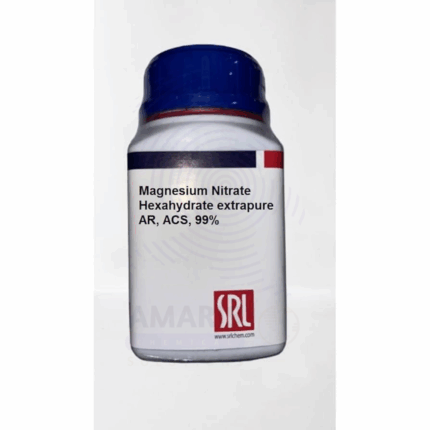
Magnesium Nitrate Hexahydrate Extra Pure
Magnesium Nitrate Hexahydrate Extra Pure is a crystalline compound known for its high solubility in water and exceptional purity, making it suitable for both laboratory and industrial applications. In analytical chemistry, it is commonly used as a reagent for preparing standard solutions and as a source of magnesium ions in various experimental procedures. Its oxidizing properties make it valuable in pyrotechnics and fertilizer formulations, where it provides essential nutrients for plant growth. This compound is also employed in ceramic production, textile treatments, and catalyst preparations, where a consistent, high-quality nitrate source is required. Its extra pure grade ensures minimal contamination, essential for high-precision work.
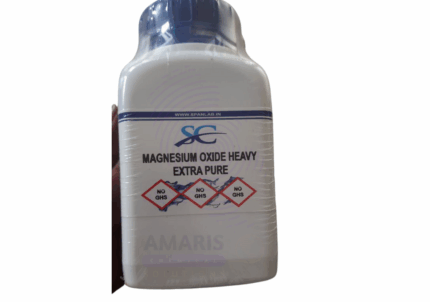
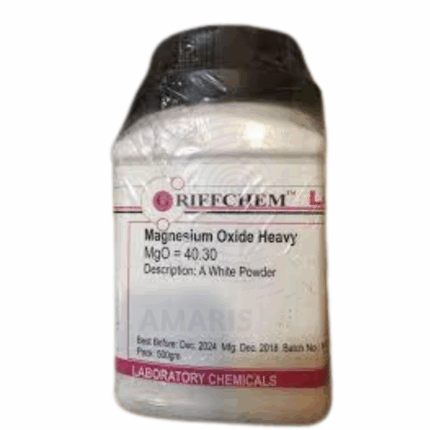
Magnesium Oxide Heavy Extra Pure
Magnesium Oxide Heavy Extra Pure is a high-purity, dense white powder prized for its excellent thermal stability, high melting point, and chemical inertness. It is widely used in laboratory applications as a standard reagent, pH adjuster, and desiccant. In pharmaceuticals, it functions as an antacid and a magnesium supplement, while in industrial processes, it is essential for producing refractory materials, ceramics, and insulating products due to its high heat resistance. The "heavy" form refers to its higher bulk density, making it particularly useful in applications where volume constraints are critical. Its extra pure grade ensures it meets the stringent demands of high-precision research and formulation work.
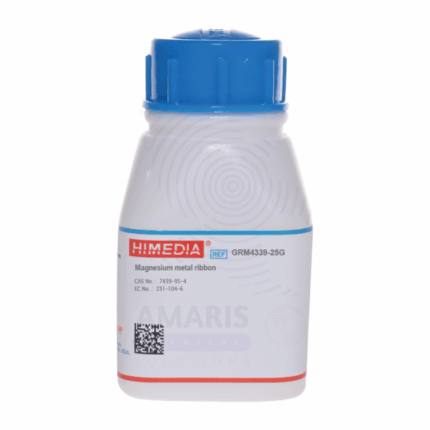
Magnesium Ribbon Extra Pure
Magnesium Ribbon Extra Pure is a highly reactive metallic strip known for its silvery appearance and clean-burning properties. It is widely used in laboratory demonstrations, particularly in combustion and oxidation experiments, where it burns with a bright white flame, showcasing exothermic reactions vividly. Due to its high purity, it ensures minimal contamination in analytical and research applications. Beyond academics, magnesium ribbon also finds niche uses in pyrotechnics, metal alloy production, and chemical synthesis where controlled reactivity and reliable performance are essential. Its lightweight and malleable nature make it easy to handle and ideal for precision experimental setups.
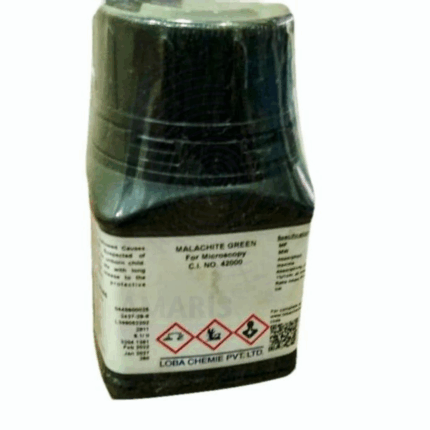
Malachite Green Extra Pure
Malachite Green Extra Pure is a synthetic dye of exceptional purity, recognized for its intense green coloration and versatile laboratory uses. It is commonly used as a biological stain, especially in microbiology for identifying and differentiating bacterial species, and in histology for staining cell structures. Additionally, Malachite Green serves as an effective fungicide and antiparasitic agent in aquaculture and laboratory testing. Its high purity ensures reliable performance in analytical applications, including redox titrations and as a pH indicator in specific chemical reactions. Its vivid color and chemical stability make it a valuable reagent in both teaching and professional research settings.
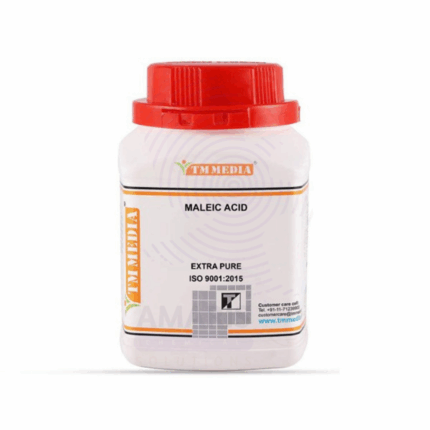
Maleic Acid Extra Pure
Maleic Acid Extra Pure is a high-purity organic compound valued for its strong acidic properties and wide range of laboratory and industrial applications. It appears as a white crystalline solid and is primarily used in organic synthesis, particularly in the production of polymers, resins, and plasticizers. In research laboratories, Maleic Acid serves as a buffering agent, a precursor to fumaric acid, and an intermediate in various chemical reactions. Its excellent solubility in water and compatibility with other reactants make it especially useful in biochemical and analytical procedures. The extra pure grade ensures minimal contamination, providing reliable results in sensitive experiments and high-precision manufacturing processes.
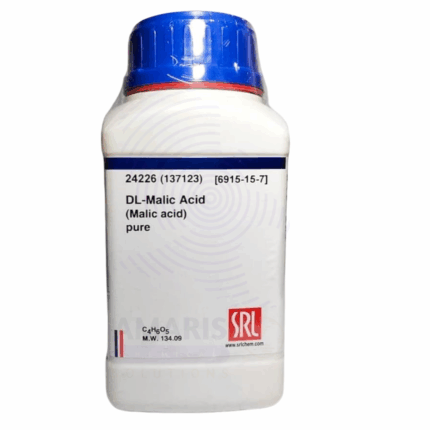
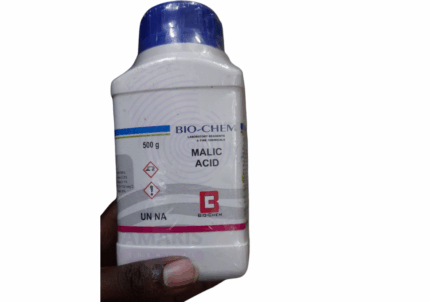
Malic Acid Extra Pure
Malic Acid Extra Pure is a high-grade, naturally occurring dicarboxylic acid known for its sharp, tart flavor and versatility in both laboratory and industrial settings. It is commonly found in fruits such as apples and is widely used as an acidulant in food and beverage formulations, where it enhances flavor, preserves freshness, and improves pH stability. In laboratory applications, Malic Acid is employed in biochemical research, particularly in studies involving the citric acid cycle, due to its role as an intermediate metabolite. Its excellent solubility in water and mild acidity also make it suitable for cosmetic formulations and pharmaceutical preparations. The extra pure grade ensures high analytical accuracy and consistent quality across applications requiring strict purity standards.
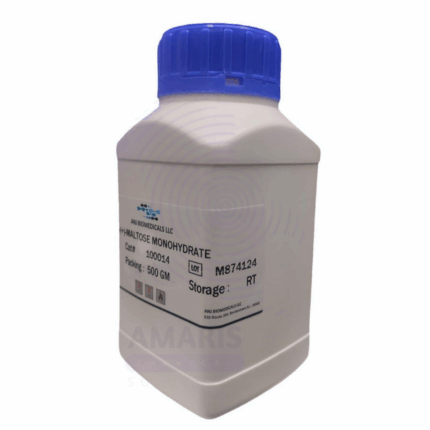
Maltose Extra Pure
Maltose Extra Pure is a disaccharide composed of two glucose units, commonly known as malt sugar. This extra pure grade ensures exceptional quality and consistency, making it ideal for use in biochemical research, fermentation studies, and laboratory analysis. In the food industry, maltose is valued for its mild sweetness and is often used in brewing, baking, and confectionery to promote fermentation and enhance flavor. It also plays a role in energy metabolism studies and is frequently used as a carbon source in microbiological media. Its stability and solubility in water make it easy to incorporate into various formulations, offering a dependable ingredient for scientific and industrial use where high purity is essential.
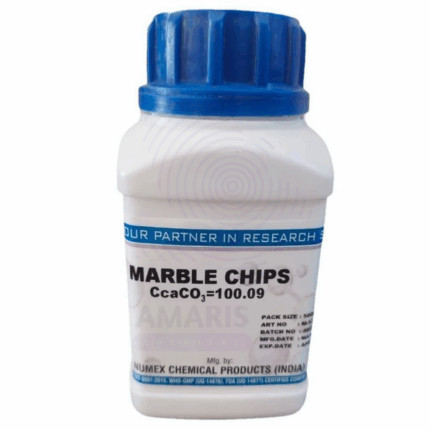
Marble Chips Extra Pure
Marble Chips Extra Pure are high-grade, naturally occurring calcium carbonate fragments that have been carefully processed to ensure exceptional purity. These white or off-white chips are widely used in laboratory experiments, especially in demonstrations involving acid-carbonate reactions where the release of carbon dioxide is observed. Beyond educational and research use, they also serve as a buffering agent, filtration medium, and mild abrasive in various industrial applications. Due to their chemical stability and high calcium content, marble chips are ideal for use in controlled environments where contaminants must be minimized.