

 Preservatives(food)
 Flavors
 Acidulants
 Sweeteners
 Antioxidants
 Colorants(food)
 Nutraceutical Ingredients (food)
 Nutrient Supplements
 Emulsifiers
 Collectors
 Dust Suppressants
 Explosives and Blasting Agents
 Flocculants and Coagulants
 Frothers
 Leaching Agents
 pH Modifiers
 Precious Metal Extraction Agents
 Antioxidants(plastic)
 Colorants (Pigments, Dyes)
 Fillers and Reinforcements
 Flame Retardants
 Monomers
 Plasticizers
 Polymerization Initiators
 Stabilizers (UV, Heat)
 Antifoaming Agents
 Chelating Agents
 Coagulants and Flocculants
 Corrosion Inhibitors
 Disinfectants and Biocides
 Oxidizing Agents
 pH Adjusters
 Scale Inhibitors( water)
 Antioxidants(cosmetic)
 Emollients
 Oils
Oils Carrier Oills
 Essential Oils
 Humectants
 Preservatives
 Surfactants(cosmetic)
 Thickeners
 UV Filters
 Fragrance (Cosmetics)
 Fertilizers
 Soil Conditioners
 Plant Growth Regulators
 Animal Feed Additives
 Biostimulants
 Pesticides (Herbicides, Insecticides, Fungicides)
 Active Pharmaceutical Ingredients (APIs)
 Excipients
 Solvents(pharmaceutical)
 Antibiotics
 Antiseptics and Disinfectants
 Vaccine Adjuvants
 Nutraceutical Ingredients (pharmaceutical)
 Analgesics & Antipyretics
 Analytical Reagents
 Solvents(lab)
 Chromatography Chemicals
 Spectroscopy Reagents
 microbiology-and-cell-culture-reagents
 Molecular Biology Reagents
 Biochemical Reagents
 Inorganic and Organic Standards
 Laboratory Safety Chemicals
 Specialty Laboratory Chemicals(Special Laboratory Equipment)
 Demulsifiers
 Hydraulic Fracturing Fluids
 Scale Inhibitors(oil)
 Surfactants(oil)
 Drilling Fluids
 Dyes and Pigments
 Bleaching Agents
 Softening Agents
 Finishing Agents
 Antistatic Agents
 Admixtures
 Waterproofing Agents
 Sealants and Adhesives
 Curing Compounds
 Concrete Repair Chemicals
 Anti-Corrosion Coatings
 Surfactants(cleaning)
 Builders
 Enzymes
 Solvents (Cleaning)
 Electronic Chemicals
 Catalysts
 Lubricants
 Photographic Chemicals
 Refrigerants
 Automotive chemicals
 Pyrotechnic Chemicals
 Biodegradable Surfactants
 Bio-based Solvents
 Renewable Polymers
 Carbon Capture Chemicals
 Wastewater Treatment Chemicals
 Pigments
 Solvents(paint)
 Specialty Coatings
 Binders/Resins
 Additives
 Driers
 Anti-Corrosion Agents
 Functional Coatings
 Application-Specific Coatings
 Leavening Agents
 Dough Conditioners
 Flour Treatments
 Fat Replacers
 Decoratives
 Preservatives(baking)
 Plasticizers & Softeners
 Reinforcing Agents
 Adhesion Promoters
 Vulcanizing Agents
 Antidegradants
 Blowing Agents
 Fillers & Extenders
 Accelerators & Retarders


Papaya Seed Oil
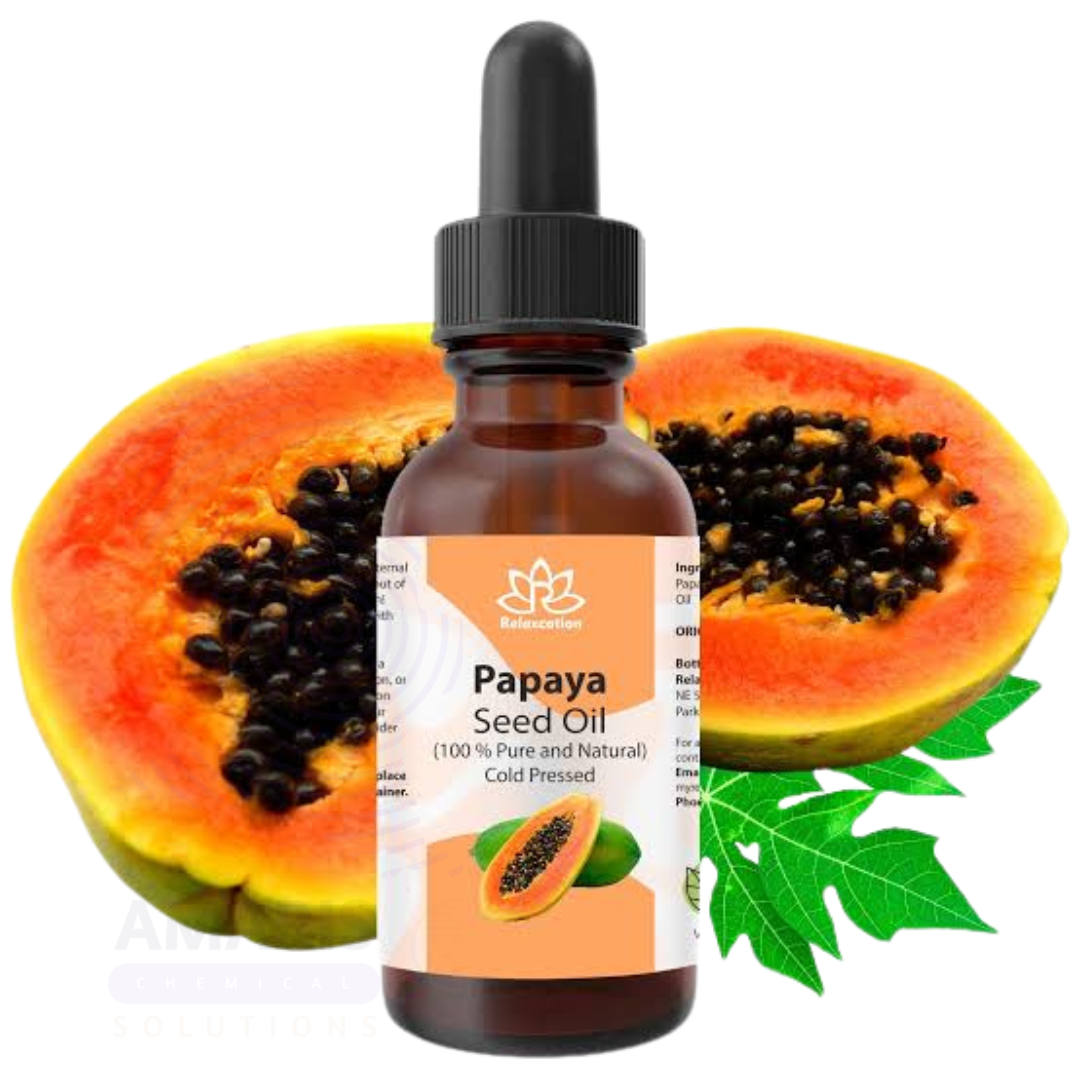
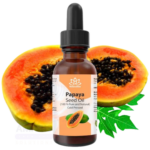
Papaya Seed Oil is a natural, cold-pressed carrier oil extracted from the seeds of Carica papaya. Rich in oleic acid (71-78%) and natural antioxidants, it offers excellent moisturizing, anti-aging, and skin-smoothing properties . Features a lightweight texture, rapid absorption, and contains the enzyme papain. Suitable for facial serums, creams, lotions, massage oils, and hair care products. Not for internal use. Store in a cool, dark place.
Papaya Seed Oil
PRIMARY USES
1. Carrier Oil for Cosmetic and Personal Care Formulations
Primary Use: A natural, cold-pressed carrier oil extracted from the seeds of the papaya fruit (Carica papaya). It serves as a base oil in cosmetic, personal care, and aromatherapy formulations for diluting essential oils and providing skin-nourishing benefits .
How it helps: For cosmetic formulators and product developers, papaya seed oil is valued for its lightweight texture, rapid absorption, and rich emollient properties . It is characterized by a healthy monounsaturated fatty acid profile, abundant in oleic acid (approximately 71-78%), and contains natural antioxidants including tocopherols, carotenoids, and phenolic compounds .
2. Skincare and Anti-Aging Applications
Primary Use: Used in facial serums, creams, lotions, and anti-aging formulations for its moisturizing, antioxidant, and skin-smoothing properties .
How it helps: Papaya seed oil supports improved skin hydration, texture, and even-looking skin tone . It contains papain, a unique enzyme that provides a skin-smoothing effect . The oil is often included in formulations designed to support anti-aging, anti-inflammatory, and antioxidant benefits .
3. Aromatherapy and Massage Applications
Primary Use: Used as a carrier oil for diluting essential oils in massage blends, body oils, and aromatherapy applications .
How it helps: Aromatherapy practitioners and massage therapists use papaya seed oil as a skin-friendly base that allows essential oils to be applied safely. It soothes and nourishes the skin while restoring natural radiance and softness .
SECONDARY USES
1. Hair Care: Used in hair oils, conditioners, and scalp treatments to moisturize the scalp, add natural gloss, and promote silky texture .
2. Soap and Cosmetic Manufacturing: Used in soap making, face masks, scrubs, and natural beauty products .
3. Sustainable Beauty: Papaya seeds, once considered a by-product of the food industry, are now upcycled into high-value oil, representing an innovative example of sustainable, zero-waste beauty .
1. BASIC IDENTIFICATION ATTRIBUTES
-
Product Type: Natural carrier oil; cold-pressed from seeds; not a fragrance oil or essential oil
-
Botanical Name: Carica papaya
-
Plant Family: Caricaceae
-
Extraction Method: Cold-pressed from papaya seeds
-
Appearance: Pale yellow to greenish-gold liquid
-
Aroma Profile: Very faint or no aroma (carrier oils are not aromatic)
-
Country of Origin: Varies by manufacturer (Philippines, India, Kenya, Brazil, Ghana, Angola common)
2. TECHNICAL & PERFORMANCE PROPERTIES
-
Primary Action: Carrier/base oil for diluting essential oils; skin moisturizer and emollient
-
Oil Yield: Approximately 27-30% of seed weight
-
Fatty Acid Profile:
-
Oleic Acid: 71-78% (dominant)
-
Palmitic Acid: 14-16%
-
Linoleic Acid: 5-12%
-
Stearic Acid: 4-5%
-
-
Unsaturated Fatty Acids: 78-82% total
-
Saponification Value: 193.5 mg KOH/g oil
-
Iodine Value: 76.9-86.0 g I2/100g oil
-
Melting Transition: 12.4°C
-
Crystallization Transition: -48.2°C
-
Oxidation Resistance: 77.97 hours (high oxidative stability)
-
Shelf Life: Typically 1-2 years when stored properly
-
Blends Well With: Essential oils, other carrier oils (jojoba, almond, coconut, grapeseed)
3. PHYSICAL & OPERATIONAL PROPERTIES
-
Preparation: Ensure product is at room temperature before use. Shake or stir to ensure uniform consistency before incorporation
-
Usage Instructions: For dilution of essential oils, typical concentration is 1-3 drops of essential oil per teaspoon (5ml) of carrier oil. For skincare formulations, incorporate at appropriate levels depending on desired properties. May be used alone or blended with other carrier oils for massage
-
Storage Conditions: Store in a cool, dark, dry place away from direct sunlight and heat sources. Keep container tightly sealed when not in use
-
Cleaning: In case of spills, wipe with a clean cloth. Use warm water and mild soap for cleaning equipment and surfaces
-
Container: Typically supplied in amber glass bottles with dropper for easy application
4. SAFETY & COMPLIANCE ATTRIBUTES
-
Safety Classification: For external use only; not for internal use; not for use in food applications without further toxicological studies ; avoid contact with eyes; discontinue use if skin irritation occurs
-
Regulatory Compliance: Non-toxic; generally recognized as safe for cosmetic use; may contain benzyl isothiocyanate which has been shown to affect vascular contraction
-
Hazard Statements: No significant hazards; may cause mild skin sensitivity in some individuals
-
Precautionary Statements: Keep out of reach of children. Avoid eyes and mucous membranes. Perform a patch test before first use. If pregnant, nursing, taking medication, or have a medical condition, consult a health professional prior to use
-
First Aid - Eye Contact: Rinse cautiously with water for several minutes. Remove contact lenses if present. If irritation persists, seek medical attention
-
First Aid - Skin Contact: Wash with plenty of soap and water. If skin irritation occurs, discontinue use
-
First Aid - Inhalation: Not applicable for normal use
-
First Aid - Ingestion: Do NOT induce vomiting. Rinse mouth with water. Never give anything by mouth to an unconscious person. Seek immediate medical attention
5. STORAGE & HANDLING ATTRIBUTES
-
Storage: Store in original container in a cool, dark, well-ventilated area away from incompatible materials. Keep away from direct sunlight, heat, and moisture
-
Inspection: Check for signs of degradation (rancidity, unusual odour, discolouration) before use. Do not use if product appears degraded
-
Handling: Use appropriate PPE (gloves, safety goggles) when handling large quantities. Avoid contact with skin and eyes. Use in well-ventilated areas
-
Shelf Life: Typically 1-2 years when stored properly
-
Environmental Disposal: Do not release into drains, waterways, or soil. Dispose in accordance with local regulations
1. SAFETY PRECAUTIONS
Personal Safety: Avoid skin and eye contact. Perform a patch test before first use. Wash hands thoroughly after handling. Discontinue use if irritation occurs.
Environmental Safety: Do not release into drains, waterways, or soil. Dispose in accordance with local regulations.
Fire Safety: Combustible liquid. Keep away from open flames, sparks, and heat sources. In case of fire, use water spray, foam, dry chemical powder, or carbon dioxide (CO₂).
Storage Safety: Store away from oxidizing agents, acids, and alkalis. Keep container tightly closed. Store in a cool, dark, dry place.
Operational Safety: Use only in well-ventilated areas. Avoid breathing mists or vapours.
Training Requirement: Personnel handling carrier oils should be trained in safe handling procedures, proper dilution rates, and emergency response protocols. Ensure safety data sheets (SDS) are readily accessible.
2. FIRST AID MEASURES
Eye Exposure: Rinse immediately with plenty of clean water for at least 15 minutes, holding eyelids open. Remove contact lenses if present. If irritation persists, seek medical attention.
Skin Exposure: Remove contaminated clothing. Wash affected area with plenty of soap and water. If skin irritation develops, discontinue use and seek medical attention.
Inhalation: Move affected person to fresh air. If breathing is difficult, administer oxygen. If breathing has stopped, give artificial respiration. Seek immediate medical attention.
Ingestion: Do NOT induce vomiting. Rinse mouth with water. Never give anything by mouth to an unconscious person. Seek immediate medical attention.
3. FIRE FIGHTING MEASURES
Flammability: Combustible liquid. Flash point varies by formulation.
Extinguishing Media: Use water spray, foam, dry chemical powder, or carbon dioxide (CO₂).
Fire Response: In the event of fire, evacuate the area and call emergency services. Wear self-contained breathing apparatus and protective clothing. Do not inhale fumes from burning materials. Contain fire water runoff to prevent environmental contamination.
Related products
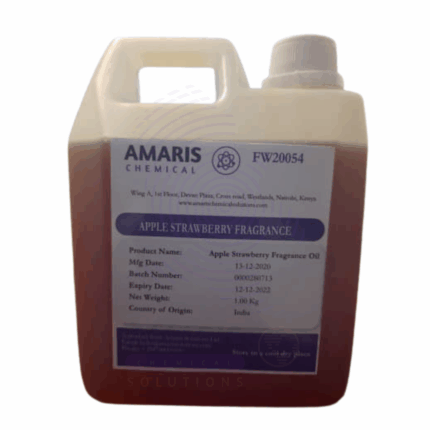
Apple Strawberry Fragrance Oil
Apple Strawberry Fragrance Oil is a concentrated synthetic fragrance blend that combines the fresh, sweet aroma of ripe apples with the juicy, vibrant scent of strawberries. This fragrance oil is designed for use in cosmetic, personal care, and household products, enhancing their sensory appeal. It offers excellent stability and compatibility with various formulations including lotions, soaps, candles, and air fresheners, providing a refreshing and fruity fragrance experience.
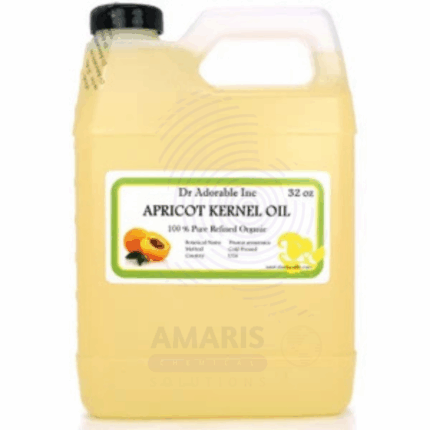
Apricot Fragrance Oil
Apricot Fragrance Oil is a concentrated synthetic blend designed to replicate the sweet, mellow, and slightly tangy scent of fresh apricots. This versatile fragrance oil is widely used in the cosmetic, personal care, and home care industries for its comforting and fruity aroma. It offers excellent scent retention and formulation compatibility across oil- and alcohol-based systems. With its warm, inviting character, Apricot Fragrance Oil enhances the sensory experience in a wide variety of end products, from skin care to environmental fragrance.
Caraway Oil
Caraway Oil is a volatile essential oil steam-distilled from the dried seeds of the Caraway plant (Carum carvi), a member of the Apiaceae family. It has a spicy, sweet, herbaceous aroma with warm undertones and is pale yellow to colorless in appearance. Known for its long-standing use in traditional herbal medicine and culinary flavoring, Caraway Oil contains carvone and limonene as its major constituents, responsible for its distinct aroma and therapeutic effects.
This oil is widely used in aromatherapy, digestive remedies, cosmetics, and pharmaceutical formulations. It is also valued in flavor manufacturing and oral care products for its carminative and antimicrobial properties.
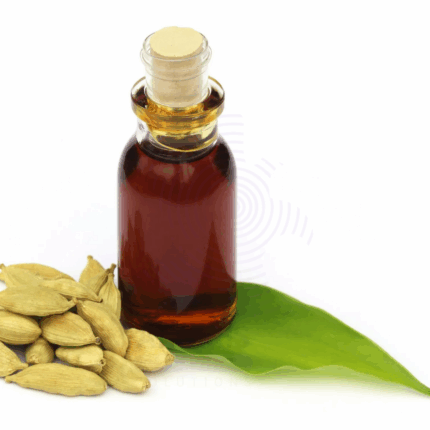
Cardamon Oil
Cardamon Oil is a premium essential oil steam-distilled from the seeds of Elettaria cardamomum, a plant native to India and Sri Lanka and widely cultivated across tropical regions. It carries a warm, spicy-sweet aroma with hints of eucalyptus and citrus, and ranges from colorless to pale yellow in appearance. Known for its digestive, antiseptic, expectorant, and uplifting qualities, it is valued in aromatherapy, perfumery, cosmetics, pharmaceuticals, and food applications.
Rich in compounds like cineole (1,8-cineole), α-terpineol, and linalyl acetate, Cardamom Oil provides both flavor and therapeutic effects, making it a versatile ingredient across several industries.
Celery Leaf Oil
Celery Leaf Oil is an essential oil steam-distilled from the fresh leaves of the Apium graveolens plant. It carries a warm, spicy, herbaceous aroma with green, earthy undertones. Unlike celery seed oil, the leaf-derived oil is lighter and fresher in scent, making it suitable for more delicate aromatic blends. Known for its anti-inflammatory, diuretic, and digestive-supportive properties in traditional wellness practices, Celery Leaf Oil is increasingly used in cosmetics, aromatherapy, fragrance, and natural wellness applications. It’s also gaining popularity in functional perfumery and detoxifying skincare products.
Celery Seed Oil
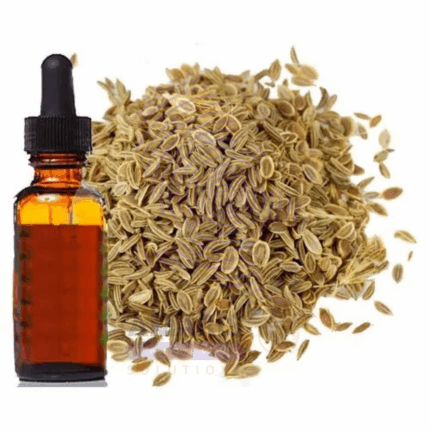
Celery Seed Oil is a concentrated essential oil obtained by steam distillation from the dried seeds of the Apium graveolens plant. It features a warm, spicy, earthy aroma with slightly bitter undertones and is rich in compounds like limonene, sedanolide, and selinene. Traditionally used in natural medicine for its anti-inflammatory, digestive, and diuretic properties, Celery Seed Oil is also increasingly recognized in cosmetic, aromatherapy, and flavoring applications. It is distinct from celery leaf oil, carrying a denser, more resinous aromatic profile and a stronger pharmacological potency.
Chamomile Oil
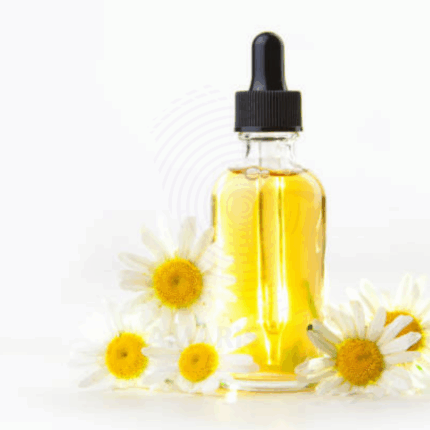
Chamomile Oil is a highly valued essential oil extracted from the flowers of the Matricaria chamomilla (German Chamomile) or Chamaemelum nobile (Roman Chamomile) through steam distillation or solvent extraction. Renowned for its calming, anti-inflammatory, and soothing properties, Chamomile Oil exhibits a sweet, fruity, herbaceous aroma with apple-like undertones. It is widely used in aromatherapy, cosmetics, pharmaceuticals, and natural wellness products. This oil supports skin health, reduces stress, and provides relief from various inflammatory conditions, making it a cornerstone in holistic health and beauty formulations.
Coconut Water Soluble Fragrance
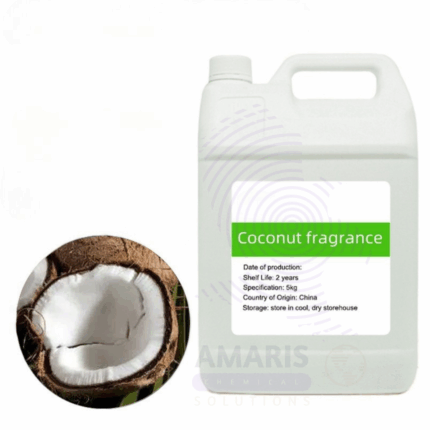
Coconut Water Soluble Fragrance is a tropical, creamy-sweet scent formulated to blend seamlessly into water-based applications without clouding or separation. Capturing the smooth and comforting aroma of fresh coconut, this fragrance is ideal for personal care, household, and specialty products where a soft and exotic tropical scent is desired. It offers excellent stability in aqueous systems, ensuring long-lasting fragrance performance in everything from mists and cleansers to air fresheners and fabric care products.












