

 Preservatives(food)
 Flavor Enhancers
 Acidulants
 Sweeteners
 Antioxidants
 Colorants(food)
 Nutraceutical Ingredients (food)
 Nutrient Supplements
 Emulsifiers
 Collectors
 Dust Suppressants
 Explosives and Blasting Agents
 Flocculants and Coagulants
 Frothers
 Leaching Agents
 pH Modifiers
 Precious Metal Extraction Agents
 Antioxidants(plastic)
 Colorants (Pigments, Dyes)
 Fillers and Reinforcements
 Flame Retardants
 Monomers
 Plasticizers
 Polymerization Initiators
 Stabilizers (UV, Heat)
 Antifoaming Agents
 Chelating Agents
 Coagulants and Flocculants
 Corrosion Inhibitors
 Disinfectants and Biocides
 Oxidizing Agents
 pH Adjusters
 Scale Inhibitors( water)
 Antioxidants(cosmetic)
 Emollients
 Fragrances and Essential Oils
 Humectants
 Preservatives
 Surfactants(cosmetic)
 Thickeners
 UV Filters
 Fertilizers
 Soil Conditioners
 Plant Growth Regulators
 Animal Feed Additives
 Biostimulants
 Pesticides (Herbicides, Insecticides, Fungicides)
 Active Pharmaceutical Ingredients (APIs)
 Excipients
 Solvents(pharmaceutical)
 Antibiotics
 Antiseptics and Disinfectants
 Vaccine Adjuvants
 Nutraceutical Ingredients (pharmaceutical)
 Analgesics & Antipyretics
 Analytical Reagents
 Solvents(lab)
 Chromatography Chemicals
 Spectroscopy Reagents
 microbiology-and-cell-culture-reagents
 Molecular Biology Reagents
 Biochemical Reagents
 Inorganic and Organic Standards
 Laboratory Safety Chemicals
 Specialty Laboratory Chemicals(Special Laboratory Equipment)
 Demulsifiers
 Hydraulic Fracturing Fluids
 Scale Inhibitors(oil)
 Surfactants(oil)
 Drilling Fluids
 Dyes and Pigments
 Bleaching Agents
 Softening Agents
 Finishing Agents
 Antistatic Agents
 Admixtures
 Waterproofing Agents
 Sealants and Adhesives
 Curing Compounds
 Concrete Repair Chemicals
 Anti-Corrosion Coatings
 Surfactants(cleaning)
 Builders
 Enzymes
 Solvents (Cleaning)
 Fragrances
 Electronic Chemicals
 Catalysts
 Lubricants
 Photographic Chemicals
 Refrigerants
 Automotive chemicals
 Pyrotechnic Chemicals
 Biodegradable Surfactants
 Bio-based Solvents
 Renewable Polymers
 Carbon Capture Chemicals
 Wastewater Treatment Chemicals
 Pigments
 Solvents(paint)
 Specialty Coatings
 Binders/Resins
 Additives
 Driers
 Anti-Corrosion Agents
 Functional Coatings
 Application-Specific Coatings
 Leavening Agents
 Dough Conditioners
 Flour Treatments
 Fat Replacers
 Decoratives
 Preservatives(baking)
 Plasticizers & Softeners
 Reinforcing Agents
 Adhesion Promoters
 Vulcanizing Agents
 Antidegradants
 Blowing Agents
 Fillers & Extenders
 Accelerators & Retarders
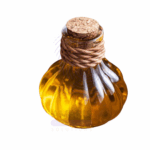

Pearlizer
Pearlizer (UFABLEND) is a specialized additive designed to impart a lustrous, pearlescent finish to a variety of coatings, paints, cosmetics, and plastics. It enhances the aesthetic appeal by creating shimmering and iridescent effects through the controlled dispersion of mica, titanium dioxide, or other pearlescent pigments. Pearlizer (UFABLEND) offers excellent compatibility with different formulations, providing stability and improved visual effects.
Pearlizer (UFABLEND)
Primary Uses
- Coatings and Paints
- Used in automotive, industrial, and decorative coatings to provide a pearlescent, glossy finish.
- Enhances exterior durability and visual appeal of architectural paints.
- Cosmetics
- Incorporated into makeup products such as eyeshadows, lipsticks, and nail polishes for shimmer and shine.
- Used in skincare formulations to add a radiant glow or illuminating effect.
- Plastics and Polymers
- Added to plastic compounds and masterbatches to produce pearlescent effects in molded or extruded products.
- Used in packaging materials for premium visual appeal.
- Printing Inks
- Utilized in specialty printing inks for luxury packaging and labels to create iridescent finishes.
Secondary Uses
- Textiles
- Applied as a finishing agent in textile coatings to impart a pearlescent sheen.
- Crafts and Art Supplies
- Used in craft paints and resins for decorative and artistic effects.
- Household Products
- Included in waxes, polishes, and detergents to improve gloss and sheen on surfaces.
- Food Industry (Limited Use)
- In very low concentrations and approved grades, used as a decorative effect in confectionery and edible coatings (subject to regulatory approval).
1. Basic Identification Attributes
- Chemical Name (IUPAC): Pearlescent pigment dispersion (varies by formulation)
- Common/Trade Name: Pearlizer (UFABLEND)
- CAS Number: Proprietary mixture
- HS Code: 3206.49.00 (Other pigments)
- Synonyms: Pearlescent additive; pearlescent pigment dispersion
2. Physical & Chemical Properties
- Physical State: Liquid or paste dispersion
- Color & Odor: Milky white to translucent; mild or no odor
- pH: Typically 6.0 – 8.0
- Solubility: Dispersible in water or solvents depending on formulation
- Density: Approx. 1.0 – 1.2 g/cm³
3. Safety & Hazard Attributes
- GHS Classification: Generally non-hazardous
- Toxicity: Low toxicity; avoid inhalation of powder forms
- Exposure Limits: Standard industrial hygiene practices recommended
4. Storage & Handling Attributes
- Storage Conditions: Store in a cool, dry place away from direct sunlight and freezing temperatures
- Container Type: Supplied in drums, pails, or plastic containers with airtight seals
- Shelf Life: Typically 12 months if stored properly
- Handling Precautions: Avoid skin contact and inhalation of aerosols or powders
5. Regulatory & Compliance Attributes
- Complies with relevant pigment and cosmetic additive standards
- Approved for use in coatings, plastics, and cosmetics by international regulatory bodies
- Meets REACH and other chemical safety regulations
6. Environmental & Health Impact
- Biodegradability: Not readily biodegradable due to mineral pigment content
- Ecotoxicity: Low environmental risk under normal use and disposal conditions
- Bioaccumulation: Not expected
- Safety: Minimal risk if handled according to guidelines
Safety Handling Precautions
- PPE Required: Gloves, safety goggles, and dust mask when handling powders or concentrates
- Handling Guidelines: Use in well-ventilated areas; avoid inhalation of airborne particles
- Storage Measures: Keep containers tightly closed and stored away from incompatible materials
First Aid Measures
- Skin Contact: Wash thoroughly with soap and water
- Eye Contact: Rinse with plenty of water for at least 15 minutes; seek medical attention if irritation persists
- Inhalation: Move to fresh air if irritation occurs; seek medical help if symptoms persist
- Ingestion: Rinse mouth; seek medical advice if symptoms develop
Firefighting Measures
- Fire Hazards: Non-flammable
- Extinguishing Media: Use water spray, foam, or dry chemical extinguishers for surrounding fires
- Special Precautions: Use standard protective equipment
- Hazardous Combustion Products: May produce fumes if organic solvents are present
Related products
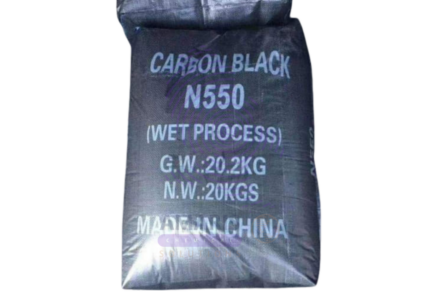
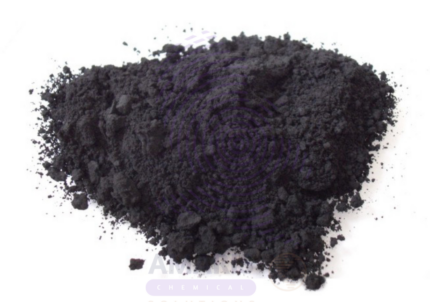
Carbon Black
Carbon Black Concentrate Dispersions are homogeneous, ready-to-use formulations consisting of high-quality carbon black uniformly dispersed in a compatible liquid or solid carrier system. These products are engineered to deliver precise, repeatable carbon black loading levels at concentrations of 15%, 25%, 40%, and 50%, enabling manufacturers to achieve consistent jetness, tint strength, UV protection, electrical conductivity, and reinforcement across a wide range of industrial applications. Each variant is identified by a unique product code (169FF, 121FF, 13FF, 32PP) denoting the specific carbon black grade, with the percentage indicating the exact weight concentration of carbon black in the dispersion. These products eliminate the handling hazards, dust contamination, and dispersion inconsistencies associated with raw powdered carbon black, while significantly improving manufacturing efficiency, color matching, and end-product performance. They are designed to be "let down" (diluted) into a compatible base material at recommended ratios to achieve the target carbon black level for specific formulation requirements. These are industrial-grade products and are not intended for food, pharmaceutical, or cosmetic applications unless explicitly certified otherwise.
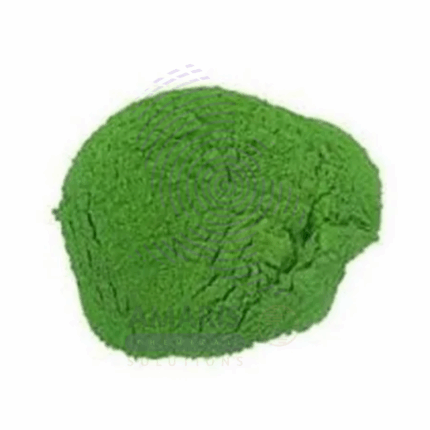
Cetex Green Dye sdn Oil Soluble
Cetex Green Dye sdn oil soluble is a synthetic oil-soluble dye known for its vibrant green coloration and excellent solubility in oils, fats, and hydrocarbon solvents. It is widely used in industries requiring stable and intense green color in oil-based formulations. The dye exhibits good resistance to heat, light, and chemical exposure, making it suitable for applications in cosmetics, plastics, and inks. Cetex Green Dye SDN offers consistent color strength and dispersion in various oil mediums.
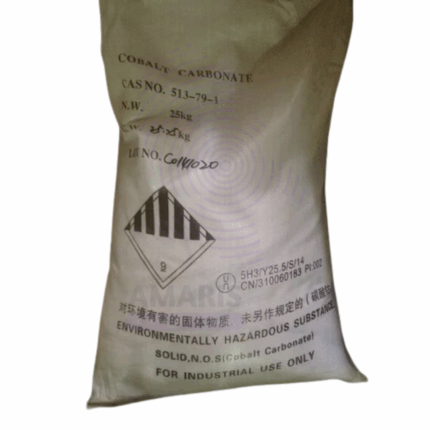
Cobalt Carbonate
Cobalt Carbonate is a rose-red to purplish powder with a metal content of approximately 46% cobalt by weight. It is an inorganic compound primarily used as a source of cobalt, either as a raw material in chemical synthesis or as a micronutrient in various formulations. It is slightly soluble in water and decomposes upon heating, releasing carbon dioxide and leaving cobalt oxide (CoO). Cobalt Carbonate is used in ceramics, catalysts, animal nutrition, batteries, and metal surface treatments. Its controlled release of cobalt makes it useful in both industrial and biological applications.
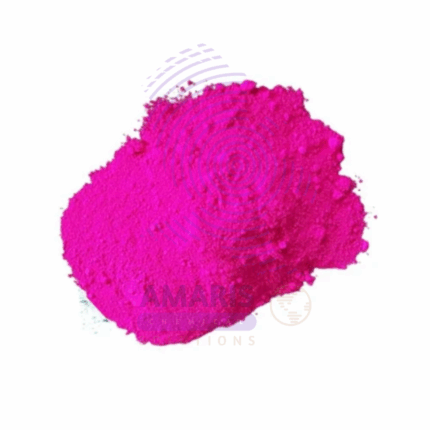
Pink Dye
Pink Dye is a synthetic dye formulation offering a vibrant pink coloration with a 6% dye concentration. It exhibits excellent affinity for protein fibers such as wool, silk, and nylon, providing bright and consistent pink hues. The dye is water-soluble under acidic conditions and is commonly used in textile dyeing, leather processing, and specialty applications requiring durable and vivid pink color. It also demonstrates good fastness to washing, light, and perspiration.
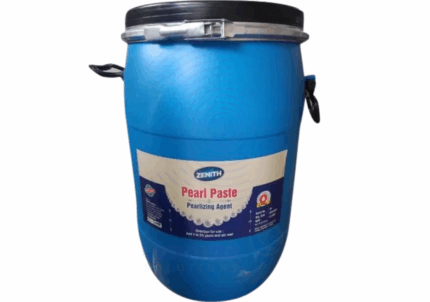
Sparkle 660 (Pearlizing Agent)
Sparkle 660 (Pearlizing Agent) is a specialized pearlizing agent used to impart a lustrous, iridescent finish to various products. It typically consists of micronized mica coated with titanium dioxide or other oxides to create a shimmering pearl effect. This additive is widely employed in personal care, cosmetics, and industrial formulations to enhance visual appeal with a pearlescent shine.
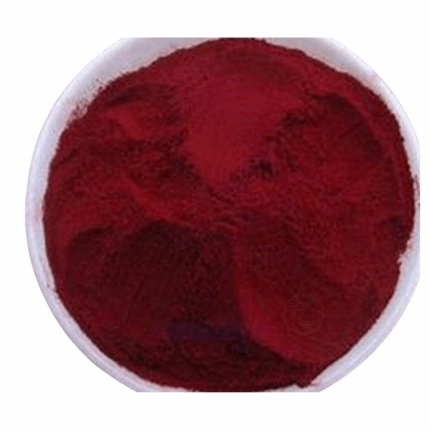
Strawberry Red Pigment
Strawberry red pigment is a concentrated synthetic pigment dispersion providing a bright and vivid strawberry-red coloration. Known for its excellent lightfastness, chemical resistance, and thermal stability, it is widely used in paints, coatings, plastics, inks, and specialty industrial applications. The pigment ensures consistent color strength and durability across multiple manufacturing processes and substrates.
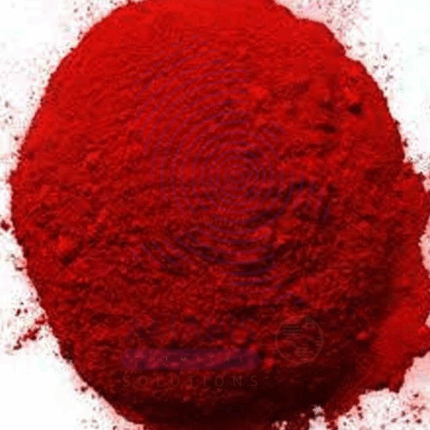
Tomato Red Dye
Tomato Red Dye is a synthetic azo dye prized for its vibrant, bright red coloration and excellent water solubility. It delivers consistent, vivid red shades that are stable under a variety of environmental conditions, including exposure to light, heat, and washing. This dye is extensively used across multiple industries including food and beverage, cosmetics, pharmaceuticals, and textiles. In food applications, it enhances the visual appeal of products such as beverages, confectionery, sauces, and baked goods. Its compatibility with different formulation types and regulatory approvals make it a reliable choice for cosmetic products like lipsticks, blushes, and nail polishes, as well as pharmaceutical tablets and syrups for identification and aesthetic purposes. The dye's superior performance, combined with strict adherence to safety and quality standards, ensures that it meets the requirements of manufacturers and regulatory bodies worldwide.
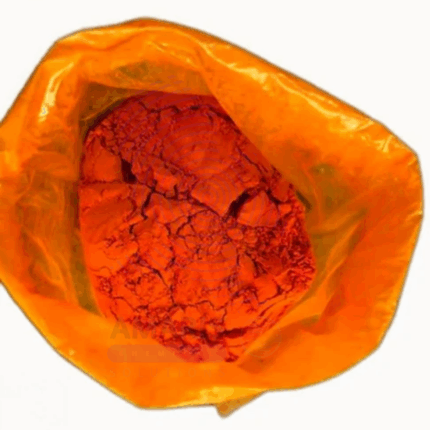
Waxol Solvent Yellow 2
Waxol Solvent Yellow 2 is a synthetic solvent dye known for its bright yellow hue and excellent solubility in organic solvents such as oils, waxes, hydrocarbons, and plasticizers. It provides consistent and vibrant yellow coloration in solvent-based systems, making it suitable for use in plastics, inks, coatings, and lubricants. The dye offers good chemical resistance and lightfastness, ensuring durability and stability of color in industrial and decorative applications. Waxol Solvent Yellow 2 is widely used where water-soluble dyes are unsuitable, providing high tinting strength and compatibility with various non-polar substrates.












