

 Preservatives(food)
 Flavor Enhancers
 Acidulants
 Sweeteners
 Antioxidants
 Colorants(food)
 Nutraceutical Ingredients (food)
 Nutrient Supplements
 Emulsifiers
 Collectors
 Dust Suppressants
 Explosives and Blasting Agents
 Flocculants and Coagulants
 Frothers
 Leaching Agents
 pH Modifiers
 Precious Metal Extraction Agents
 Antioxidants(plastic)
 Colorants (Pigments, Dyes)
 Fillers and Reinforcements
 Flame Retardants
 Monomers
 Plasticizers
 Polymerization Initiators
 Stabilizers (UV, Heat)
 Antifoaming Agents
 Chelating Agents
 Coagulants and Flocculants
 Corrosion Inhibitors
 Disinfectants and Biocides
 Oxidizing Agents
 pH Adjusters
 Scale Inhibitors( water)
 Antioxidants(cosmetic)
 Emollients
 Fragrances and Essential Oils
 Humectants
 Preservatives
 Surfactants(cosmetic)
 Thickeners
 UV Filters
 Fertilizers
 Soil Conditioners
 Plant Growth Regulators
 Animal Feed Additives
 Biostimulants
 Pesticides (Herbicides, Insecticides, Fungicides)
 Active Pharmaceutical Ingredients (APIs)
 Excipients
 Solvents(pharmaceutical)
 Antibiotics
 Antiseptics and Disinfectants
 Vaccine Adjuvants
 Nutraceutical Ingredients (pharmaceutical)
 Analgesics & Antipyretics
 Analytical Reagents
 Solvents(lab)
 Chromatography Chemicals
 Spectroscopy Reagents
 microbiology-and-cell-culture-reagents
 Molecular Biology Reagents
 Biochemical Reagents
 Inorganic and Organic Standards
 Laboratory Safety Chemicals
 Specialty Laboratory Chemicals(Special Laboratory Equipment)
 Demulsifiers
 Hydraulic Fracturing Fluids
 Scale Inhibitors(oil)
 Surfactants(oil)
 Drilling Fluids
 Dyes and Pigments
 Bleaching Agents
 Softening Agents
 Finishing Agents
 Antistatic Agents
 Admixtures
 Waterproofing Agents
 Sealants and Adhesives
 Curing Compounds
 Concrete Repair Chemicals
 Anti-Corrosion Coatings
 Surfactants(cleaning)
 Builders
 Enzymes
 Solvents (Cleaning)
 Fragrances
 Electronic Chemicals
 Catalysts
 Lubricants
 Photographic Chemicals
 Refrigerants
 Automotive chemicals
 Pyrotechnic Chemicals
 Biodegradable Surfactants
 Bio-based Solvents
 Renewable Polymers
 Carbon Capture Chemicals
 Wastewater Treatment Chemicals
 Pigments
 Solvents(paint)
 Specialty Coatings
 Binders/Resins
 Additives
 Driers
 Anti-Corrosion Agents
 Functional Coatings
 Application-Specific Coatings
 Leavening Agents
 Dough Conditioners
 Flour Treatments
 Fat Replacers
 Decoratives
 Preservatives(baking)
 Plasticizers & Softeners
 Reinforcing Agents
 Adhesion Promoters
 Vulcanizing Agents
 Antidegradants
 Blowing Agents
 Fillers & Extenders
 Accelerators & Retarders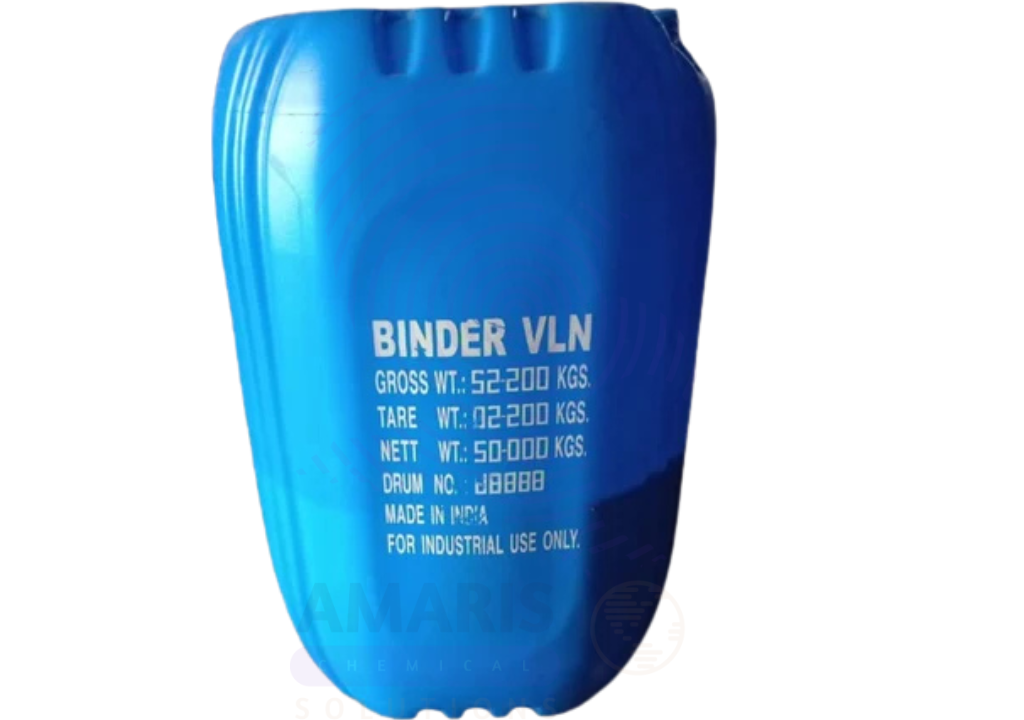

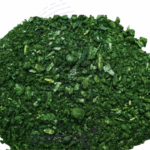

Pigment Binder
Pigment Binder is a key component in paint, coating, and ink formulations that serves to bind pigment particles together and adhere them to the substrate. It provides mechanical strength, durability, and resistance to environmental factors such as moisture, UV radiation, and chemicals. Pigment binders influence the finish, gloss, flexibility, and adhesion properties of the final product, making them essential for high-performance coatings in various industries.
Pigment Binder
Primary Uses
- Paints and Coatings
- Binds pigment particles to form a uniform film on surfaces such as metal, wood, plastic, and concrete.
- Enhances durability and resistance to weathering, abrasion, and corrosion.
- Controls gloss level and finish type (matte, satin, glossy).
- Printing Inks
- Provides adhesion of pigments to substrates including paper, plastics, and textiles.
- Improves print durability, colorfastness, and resistance to smudging.
- Adhesives and Sealants
- Used in pigmented adhesives to ensure uniform color and bonding strength.
- Construction Materials
- Incorporated in colored cement, mortars, and plasters to maintain pigment distribution and structural integrity.
Secondary Uses
- Art Supplies
- Utilized in artist paints, pastels, and inks for improved pigment dispersion and binding.
- Cosmetics
- Acts as a binder in pigmented makeup products such as foundations and eye shadows.
- Textile Printing
- Helps fix pigments on fabric for long-lasting coloration and resistance to washing.
- Plastic Coloring
- Used in masterbatches and plastic compounding to evenly disperse pigments and maintain color stability.
1. Basic Identification Attributes
- Chemical Name (IUPAC): Varies by binder type (e.g., acrylic polymers, alkyd resins, polyurethane)
- Common/Trade Name: Pigment Binder
- CAS Number: Varies by formulation
- HS Code: 3209.10 (Paint binders)
- Synonyms: Binder resin; film-forming agent
2. Physical & Chemical Properties
- Physical State: Liquid or solid (depending on type)
- Color & Odor: Typically colorless or slightly colored; mild odor depending on binder type
- Solubility: Waterborne or solvent-based depending on formulation
- Density: Varies; typically 1.0 – 1.2 g/cm³ (liquid binders)
3. Safety & Hazard Attributes
- GHS Classification: Varies by chemical composition; often flammable or irritant
- Toxicity: Low to moderate depending on binder type; avoid inhalation and skin contact
- Exposure Limits: Follow safety data sheets for specific products
4. Storage & Handling Attributes
- Storage Conditions: Store in sealed containers, away from heat and ignition sources
- Container Type: Drums, pails, or bulk containers
- Shelf Life: Typically 6–24 months depending on type and storage conditions
- Handling Precautions: Use gloves and eye protection; avoid inhaling vapors or dust
5. Regulatory & Compliance Attributes
- Complies with relevant paint and chemical safety standards (e.g., ASTM, REACH)
- May meet VOC regulations for environmental compliance
6. Environmental & Health Impact
- Biodegradability: Varies by polymer type; some are biodegradable
- Ecotoxicity: Generally low; dependent on binder composition
- Bioaccumulation: Not significant
Safety Handling Precautions
- PPE Required: Gloves, goggles, and protective clothing recommended
- Handling Guidelines: Use in well-ventilated areas; avoid direct contact with skin and eyes
- Storage Measures: Keep containers tightly closed; prevent exposure to ignition sources
First Aid Measures
- Inhalation: Move to fresh air; seek medical attention if breathing difficulties occur
- Skin Contact: Wash with soap and water; seek medical advice if irritation develops
- Eye Contact: Rinse with water for at least 15 minutes; seek medical attention if irritation persists
- Ingestion: Rinse mouth; do not induce vomiting; get medical hel
Firefighting Measures
- Fire Hazards: May be flammable depending on binder solvent content
- Extinguishing Media: Foam, dry chemical, CO₂, or water spray
- Special Precautions: Use protective equipment and self-contained breathing apparatus
- Hazardous Combustion Products: Carbon oxides, hydrocarbons
Related products
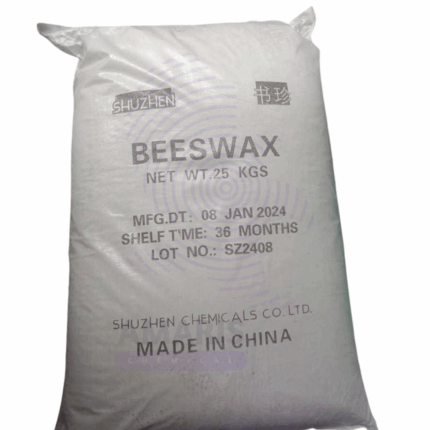
Beeswax
Beeswax is a natural wax produced by honeybees of the genus Apis. It is secreted by worker bees from specialized glands and used to build honeycomb cells. Beeswax is a complex mixture of esters, fatty acids, and hydrocarbons, characterized by a pale yellow to brown color, a pleasant honey-like aroma, and a firm yet pliable texture. It has excellent emulsifying, binding, and protective properties, making it widely used in cosmetics, pharmaceuticals, food, and industrial applications. Beeswax is prized for its natural origin, biodegradability, and skin-friendly characteristics.
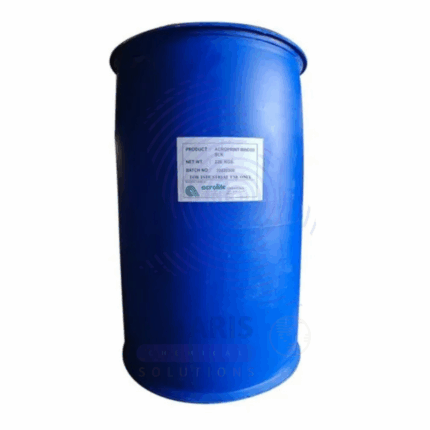
Binder
A binder is a broad category of substances—organic or inorganic—used to hold different materials together in a cohesive mass. Common binders include natural polymers (starch, cellulose derivatives, proteins), synthetic resins (PVA, acrylics, phenolics), and inorganic binders (clays, cement, lime). They are essential in industries such as pharmaceuticals, construction, coatings, ceramics, adhesives, and printing, where they provide structural integrity, adhesion, and controlled release properties.

Hycryl
Hycryl is a specialized acrylic copolymer resin designed primarily for industrial and cosmetic applications. It appears as a white to off-white powder or granules with excellent film-forming, adhesive, and thickening properties. Known for its compatibility with a wide range of solvents and plasticizers, Hycryl 77 provides excellent clarity, flexibility, and durability in coatings, adhesives, and personal care formulations. Its balanced molecular weight and functional groups enable it to deliver strong binding and aesthetic properties in both aqueous and solvent-based systems.
Hydrocarbon Resins
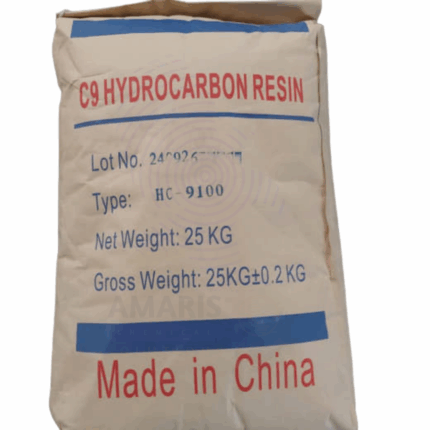
Hydrocarbon Resins C5 And C9 Petroleum Resins are synthetic petroleum-derived resins produced through the polymerization of C5 (pentene) and C9 (nonene) fraction monomers. These resins appear as pale yellow to amber solid materials, usually in pellet or flake form, characterized by tackifying and adhesive properties. C5 resins are derived from aliphatic hydrocarbons, while C9 resins originate from aromatic hydrocarbons. Often blended, these resins provide a balance of hardness, tackiness, and compatibility with various polymers. Widely used as tackifiers, binders, and modifiers, C5 & C9 hydrocarbon resins enhance performance in adhesives, coatings, rubber compounding, and more.

Lacitex
Lacitex is a high-quality natural latex concentrate derived from Hevea brasiliensis (rubber tree) latex. It is a milky, white colloidal suspension primarily used in the manufacture of latex-based products such as gloves, adhesives, coatings, and foam rubber. Lacitex offers excellent film-forming properties, elasticity, and tensile strength. It provides superior binding, water resistance, and flexibility in finished products, making it widely valued in various industrial and manufacturing applications.
Linseed Oil Alkali Refined
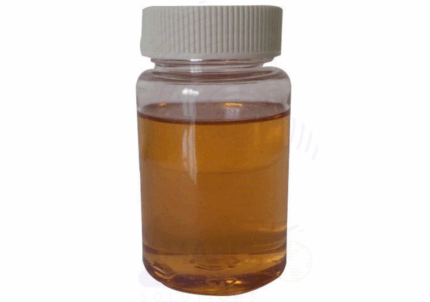
Linseed Oil Alkali Refined is a vegetable oil extracted from flax seeds and then refined using alkali treatment to remove impurities, free fatty acids, and gums. This refining process enhances the oil’s stability, color, and odor, making it suitable for industrial, artistic, and manufacturing uses. It is a drying oil known for its excellent film-forming properties, quick drying time, and good adhesion to surfaces. Alkali refined linseed oil is widely used in paints, varnishes, inks, and as a raw material in chemical industries.
Medium Binder
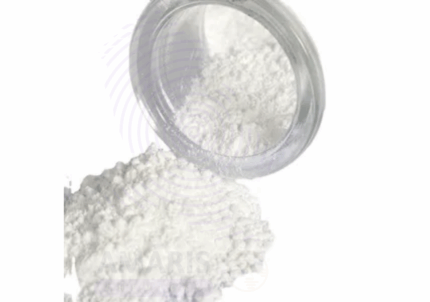
Medium Binder is a versatile adhesive and binding agent formulated to enhance cohesion, strength, and durability in various industrial and construction applications. It improves the bonding properties between different materials, providing a reliable and consistent bond that resists environmental degradation. Medium Binder is suitable for use in composites, coatings, and concrete formulations, optimizing performance and structural integrity.
Setamine ( Melamine Resin)
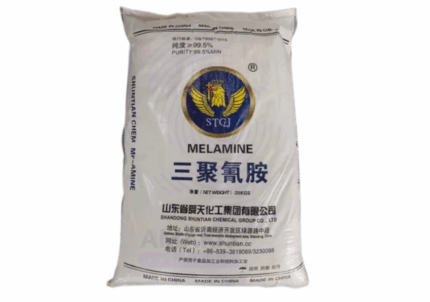
Setamine (Melamine Resin) is a thermosetting polymer widely used for its excellent hardness, chemical resistance, and thermal stability. It is produced by the reaction of melamine with formaldehyde and is commonly utilized in coatings, laminates, adhesives, and molding compounds. Setamine offers superior durability, scratch resistance, and moisture resistance, making it ideal for high-performance surface finishes and industrial applications.












