

 Preservatives(food)
 Flavor Enhancers
 Acidulants
 Sweeteners
 Antioxidants
 Colorants(food)
 Nutraceutical Ingredients (food)
 Nutrient Supplements
 Emulsifiers
 Collectors
 Dust Suppressants
 Explosives and Blasting Agents
 Flocculants and Coagulants
 Frothers
 Leaching Agents
 pH Modifiers
 Precious Metal Extraction Agents
 Antioxidants(plastic)
 Colorants (Pigments, Dyes)
 Fillers and Reinforcements
 Flame Retardants
 Monomers
 Plasticizers
 Polymerization Initiators
 Stabilizers (UV, Heat)
 Antifoaming Agents
 Chelating Agents
 Coagulants and Flocculants
 Corrosion Inhibitors
 Disinfectants and Biocides
 Oxidizing Agents
 pH Adjusters
 Scale Inhibitors( water)
 Antioxidants(cosmetic)
 Emollients
 Fragrances and Essential Oils
 Humectants
 Preservatives
 Surfactants(cosmetic)
 Thickeners
 UV Filters
 Fertilizers
 Soil Conditioners
 Plant Growth Regulators
 Animal Feed Additives
 Biostimulants
 Pesticides (Herbicides, Insecticides, Fungicides)
 Active Pharmaceutical Ingredients (APIs)
 Excipients
 Solvents(pharmaceutical)
 Antibiotics
 Antiseptics and Disinfectants
 Vaccine Adjuvants
 Nutraceutical Ingredients (pharmaceutical)
 Analgesics & Antipyretics
 Analytical Reagents
 Solvents(lab)
 Chromatography Chemicals
 Spectroscopy Reagents
 microbiology-and-cell-culture-reagents
 Molecular Biology Reagents
 Biochemical Reagents
 Inorganic and Organic Standards
 Laboratory Safety Chemicals
 Specialty Laboratory Chemicals(Special Laboratory Equipment)
 Demulsifiers
 Hydraulic Fracturing Fluids
 Scale Inhibitors(oil)
 Surfactants(oil)
 Drilling Fluids
 Dyes and Pigments
 Bleaching Agents
 Softening Agents
 Finishing Agents
 Antistatic Agents
 Admixtures
 Waterproofing Agents
 Sealants and Adhesives
 Curing Compounds
 Concrete Repair Chemicals
 Anti-Corrosion Coatings
 Surfactants(cleaning)
 Builders
 Enzymes
 Solvents (Cleaning)
 Fragrances
 Electronic Chemicals
 Catalysts
 Lubricants
 Photographic Chemicals
 Refrigerants
 Automotive chemicals
 Pyrotechnic Chemicals
 Biodegradable Surfactants
 Bio-based Solvents
 Renewable Polymers
 Carbon Capture Chemicals
 Wastewater Treatment Chemicals
 Pigments
 Solvents(paint)
 Specialty Coatings
 Binders/Resins
 Additives
 Driers
 Anti-Corrosion Agents
 Functional Coatings
 Application-Specific Coatings
 Leavening Agents
 Dough Conditioners
 Flour Treatments
 Fat Replacers
 Decoratives
 Preservatives(baking)
 Plasticizers & Softeners
 Reinforcing Agents
 Adhesion Promoters
 Vulcanizing Agents
 Antidegradants
 Blowing Agents
 Fillers & Extenders
 Accelerators & Retarders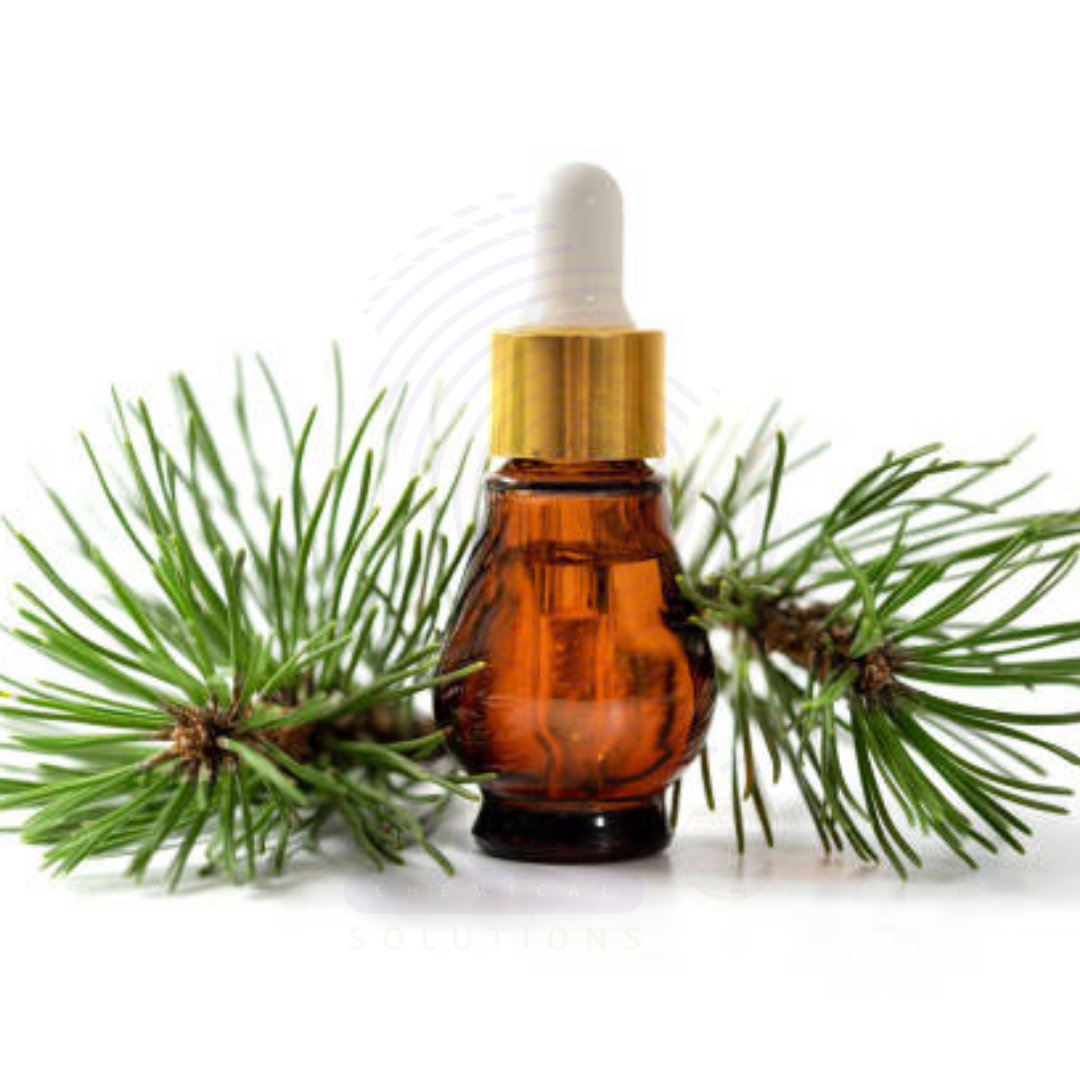


Pine Oil
Original price was: $ 15.85.$ 15.75Current price is: $ 15.75.
Pine Oil is a powerful, aromatic essential oil obtained through the steam distillation of the needles, twigs, and cones of pine trees, primarily Pinus sylvestris or other Pinus species. It features a sharp, woody, and fresh scent with natural disinfectant and deodorizing properties. Rich in monoterpenes such as alpha-pinene and beta-pinene, Pine Oil is widely utilized in cleaning products, disinfectants, air care, cosmetics, and industrial formulations. It is valued for its antimicrobial, anti-inflammatory, and degreasing capabilities, making it an effective multi-purpose ingredient across various sectors.
Pine Oil
Primary Uses
- Aromatherapy & Wellness
- Diffused to refresh indoor air and promote respiratory clarity.
- Used in steam inhalations for sinus relief and congestion support.
- Applied in massage blends to alleviate muscular tension and fatigue.
- Included in natural energy-boosting and focus-enhancing oil blends.
- Cosmetics and Personal Care
- Blended into soaps and cleansers for its purifying and deodorizing effects.
- Used in foot care and body sprays to refresh and control odor.
- Included in shampoos and scalp treatments for clarifying and scalp stimulation.
- Added to deodorants and men’s grooming products for a crisp, forest-like scent.
- Topical Applications
- Applied (diluted) to ease localized discomfort from inflammation or insect bites.
- Used in balms or rubs for joint and muscle support.
- Incorporated into anti-itch formulations and skin sprays for its soothing properties.
Secondary Uses
- Cleaning and Detergent Products
- Widely used in disinfectants, surface cleaners, and multi-purpose sprays for its strong antimicrobial activity.
- Included in natural degreasers and floor cleaners for its solvent power.
- Added to toilet bowl cleaners and bathroom products for odor control and sanitation.
- Used in laundry detergents and fabric sprays for a clean, refreshing scent.
- Spa and Therapeutic Products
- Incorporated into sauna oils and bath infusions for invigoration and respiratory wellness.
- Blended into massage oils and balms for post-exercise recovery and circulation enhancement.
- Fragrance and Ambient Scenting
- Used in room sprays, candles, and diffusers for a clean, invigorating pine aroma.
- Blended into seasonal or forest-inspired fragrances and natural air fresheners.
- Industrial Applications
- Employed in industrial cleaners and degreasers for machinery and surfaces.
- Used in specialty coatings and adhesives for its scent and solvent properties.
| PACK SIZE | 5kg |
|---|
1. Basic Identification Attributes
- Botanical Name: Pinus spp.
- Common/Trade Name: Pine Oil
- INCI Name: Pinus Sylvestris Oil
- CAS Number: 8002-09-3
- HS Code: 3301.29
- Synonyms: Pine Needle Oil, Pine Essential Oil
2. Physical & Chemical Properties
- Physical State: Liquid essential oil
- Color & Odor: Colorless to pale yellow; strong, woody, fresh pine scent
- Solubility: Insoluble in water; soluble in alcohol and oils
- Refractive Index: 1.470 – 1.490
- Specific Gravity: 0.900 – 0.940
- Main Components: Alpha-pinene, beta-pinene, delta-3-carene, limonene
3. Safety & Hazard Attributes
- GHS Classification: Flammable liquid; may cause skin irritation and sensitization
- Toxicity: Low toxicity when used diluted; external use only
- Exposure Limits: Refer to SDS
- Allergen Information: Contains naturally occurring allergens such as pinene and limonene
4. Storage & Handling Attributes
- Storage Conditions: Store in a cool, dry, well-ventilated area away from ignition sources
- Container Type: Sealed, chemical-grade drums (185 kg); preferably stainless steel or HDPE
- Shelf Life: 24 months when properly stored
- Handling Precautions: Use gloves and eye protection; avoid inhalation of concentrated vapor
5. Regulatory & Compliance Attributes
- Compliant with IFRA guidelines for fragrance use
- Manufactured in GMP-compliant facilities
- Not classified as hazardous for transport in limited quantities
6. Environmental & Health Impact
- Biodegradability: Readily biodegradable
- Ecotoxicity: Moderate to aquatic life in high concentrations; use responsibly
- Bioaccumulation: Not expected to bioaccumulate significantly
Safety Handling Precautions
- PPE Required: Gloves, protective eyewear, and face mask when handling in bulk
- Handling Guidelines: Work in ventilated area; avoid open flames and sparks
First Aid Measures
- Inhalation: Move to fresh air; seek medical attention if symptoms persist
- Skin Contact: Wash with soap and water; discontinue use if irritation develops
- Eye Contact: Rinse with water for 15 minutes; seek medical attention
- Ingestion: Do not induce vomiting; seek immediate medical help
Firefighting Measures
- Fire Hazards: Flammable; keep away from heat, sparks, and flames
- Extinguishing Media: Foam, CO₂, dry chemical, or water fog
- Special Precautions: Use full protective gear and self-contained breathing apparatus
- Hazardous Combustion Products: Carbon monoxide, carbon dioxide, irritant fumes
Related products
Absinth Oil
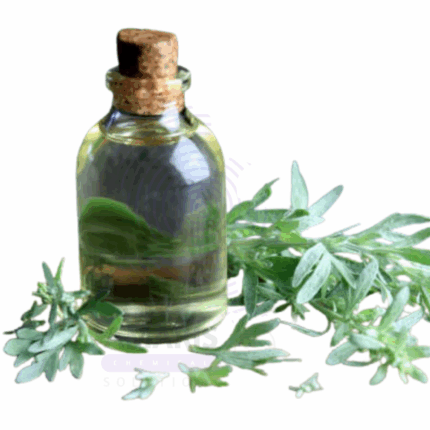
Absinth Oil, also known as Wormwood Essential Oil, is a highly aromatic essential oil extracted through steam distillation from the leaves and flowering tops of the Artemisia absinthium plant. Native to Europe and Asia and known historically for its use in absinthe liqueur, this oil features a sharp, bitter, herbaceous aroma with a green and slightly medicinal edge. Rich in thujone, chamazulene, and other bioactive compounds, Absinth Oil is known for its antimicrobial, anti-inflammatory, and digestive-stimulating properties.
While traditionally associated with herbal medicine and ritualistic use, modern applications of Absinth Oil span personal care, pharmaceuticals, and natural pest repellents. Due to its intensity and potential toxicity in high concentrations, it is used in very controlled amounts in fragrance and therapeutic blends. It is valued for its distinctive scent and potent botanical properties, particularly in cosmetics, aromatherapy, and natural cleaning formulations.
Activated Carbon (Charcoal)
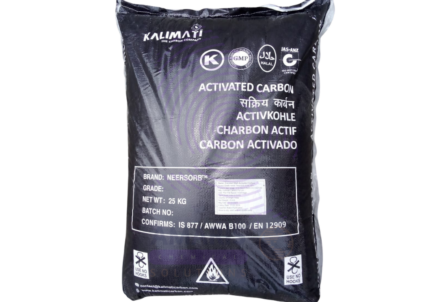
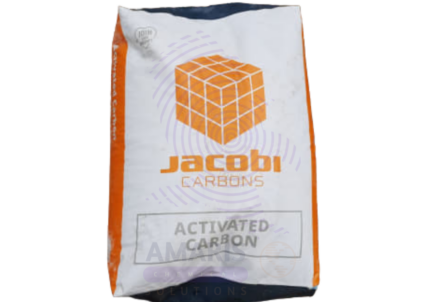
Activated carbon is a highly porous, adsorptive material processed to have an exceptionally large surface area (typically 500-1500 m²/g) through thermal or chemical activation of carbon-rich source materials. This versatile adsorbent exists in powdered (PAC), granular (GAC), pelletized, and extruded forms, with pore structures specifically engineered for different applications ranging from water purification to gas treatment. Its extended surface area and complex pore network (micropores <2nm, mesopores 2-50nm, macropores >50nm) enable superior physical adsorption of contaminants through van der Waals forces, as well as chemical interactions with surface functional groups.
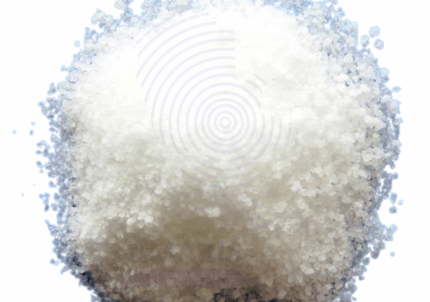
Ammonium Cupric Chloride
Ammonium Cupric Chloride is a blue-green crystalline inorganic compound composed of copper, ammonium, and chloride ions. It is widely used as a source of copper in agricultural fungicides and bactericides, as well as in electroplating, chemical synthesis, and textile dyeing. Its antimicrobial properties make it valuable for controlling fungal and bacterial infections in plants. Additionally, it serves as a precursor in various industrial and laboratory applications.
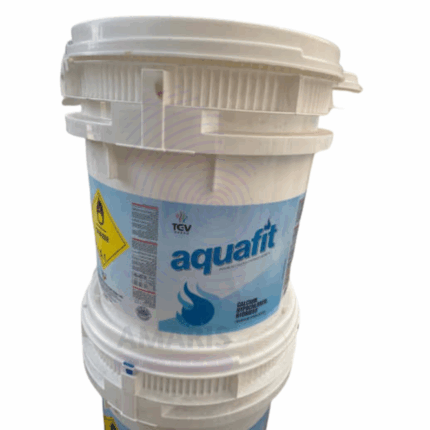
Calcium Hypochlorite
Calcium Hypochlorite Chlorine is a white to slightly yellow crystalline powder or granules known for its strong oxidizing and disinfectant properties. The 65% grade indicates the available chlorine content, making it a powerful bleaching, sanitizing, and oxidizing agent. It is commonly used for water treatment, sanitation, and as a bleaching agent in industrial and household applications. Calcium Hypochlorite dissolves in water to release hypochlorous acid, which effectively kills bacteria, viruses, and fungi.
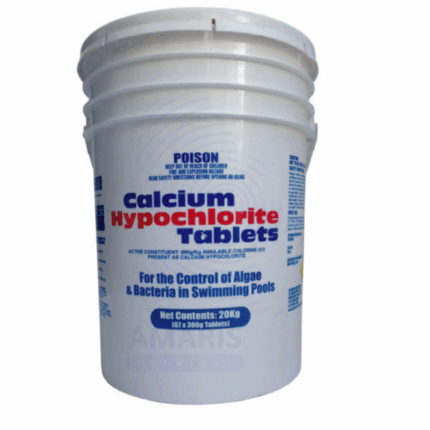
Chlorine Tablets
Chlorine Tablets are solid, compressed forms of chlorine-releasing compounds, typically composed of stabilized trichloroisocyanuric acid (TCCA) or sodium dichloroisocyanurate (SDIC). These tablets are used primarily for water disinfection and sanitation due to their controlled and sustained release of chlorine. They appear as white to off-white, hard tablets with a mild chlorine odor. Chlorine Tablets are widely used in swimming pools, drinking water treatment, wastewater treatment, and industrial sanitization processes. Their slow dissolution ensures prolonged antimicrobial activity, providing effective control against bacteria, viruses, algae, and other pathogens.
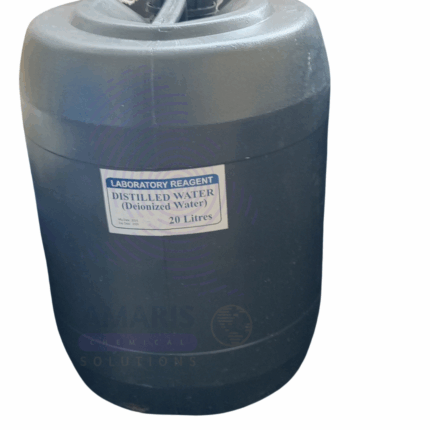
Distilled Water
Distilled Water is purified water that has been processed through distillation, a method involving evaporation and subsequent condensation to remove impurities, salts, minerals, and organic matter. This results in ultra-pure, clear, odorless, and tasteless water free of dissolved solids and contaminants. Distilled water is non-conductive, neutral in pH under ideal storage, and chemically stable. It is widely used across pharmaceutical, laboratory, medical, industrial, and consumer applications where high water purity is critical.
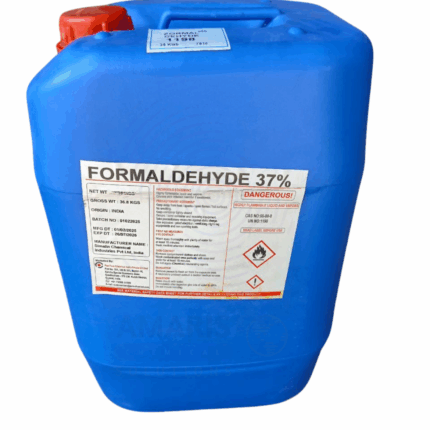
Formaldehyde (Formalin)
Formaldehyde (Formalin) is an aqueous solution containing approximately 37% formaldehyde by weight, stabilized typically with 10-15% methanol to prevent polymerization. It is a clear, colorless liquid with a pungent, penetrating odor. Formaldehyde is a simple aldehyde widely used as a disinfectant, preservative, and chemical intermediate. Formalin’s powerful antimicrobial and tissue-fixation properties make it essential in medical, laboratory, industrial, and manufacturing applications. It is one of the most commonly used chemicals worldwide for sterilization, embalming, and resin production.
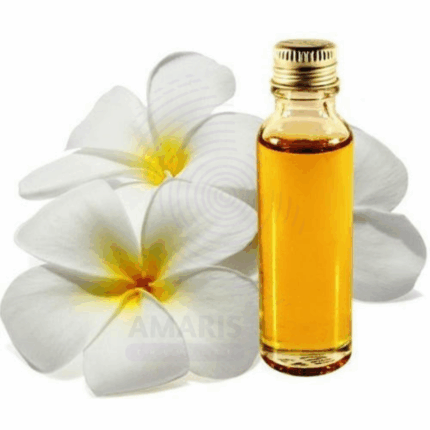
Michelia Flower Oil
Michelia Flower Oil is an essential oil extracted through steam distillation or solvent extraction from the flowers of Michelia species (e.g., Michelia champaca, Michelia alba). Known for its rich, floral, and slightly fruity aroma, it is widely used in perfumery, aromatherapy, and traditional medicine. The oil is prized for its therapeutic properties and as a natural fragrance ingredient.












