

 Preservatives(food)
 Flavor Enhancers
 Acidulants
 Sweeteners
 Antioxidants
 Colorants(food)
 Nutraceutical Ingredients (food)
 Nutrient Supplements
 Emulsifiers
 Collectors
 Dust Suppressants
 Explosives and Blasting Agents
 Flocculants and Coagulants
 Frothers
 Leaching Agents
 pH Modifiers
 Precious Metal Extraction Agents
 Antioxidants(plastic)
 Colorants (Pigments, Dyes)
 Fillers and Reinforcements
 Flame Retardants
 Monomers
 Plasticizers
 Polymerization Initiators
 Stabilizers (UV, Heat)
 Antifoaming Agents
 Chelating Agents
 Coagulants and Flocculants
 Corrosion Inhibitors
 Disinfectants and Biocides
 Oxidizing Agents
 pH Adjusters
 Scale Inhibitors( water)
 Antioxidants(cosmetic)
 Emollients
 Fragrances and Essential Oils
 Humectants
 Preservatives
 Surfactants(cosmetic)
 Thickeners
 UV Filters
 Fertilizers
 Soil Conditioners
 Plant Growth Regulators
 Animal Feed Additives
 Biostimulants
 Pesticides (Herbicides, Insecticides, Fungicides)
 Active Pharmaceutical Ingredients (APIs)
 Excipients
 Solvents(pharmaceutical)
 Antibiotics
 Antiseptics and Disinfectants
 Vaccine Adjuvants
 Nutraceutical Ingredients (pharmaceutical)
 Analgesics & Antipyretics
 Analytical Reagents
 Solvents(lab)
 Chromatography Chemicals
 Spectroscopy Reagents
 microbiology-and-cell-culture-reagents
 Molecular Biology Reagents
 Biochemical Reagents
 Inorganic and Organic Standards
 Laboratory Safety Chemicals
 Specialty Laboratory Chemicals(Special Laboratory Equipment)
 Demulsifiers
 Hydraulic Fracturing Fluids
 Scale Inhibitors(oil)
 Surfactants(oil)
 Drilling Fluids
 Dyes and Pigments
 Bleaching Agents
 Softening Agents
 Finishing Agents
 Antistatic Agents
 Admixtures
 Waterproofing Agents
 Sealants and Adhesives
 Curing Compounds
 Concrete Repair Chemicals
 Anti-Corrosion Coatings
 Surfactants(cleaning)
 Builders
 Enzymes
 Solvents (Cleaning)
 Fragrances
 Electronic Chemicals
 Catalysts
 Lubricants
 Photographic Chemicals
 Refrigerants
 Automotive chemicals
 Pyrotechnic Chemicals
 Biodegradable Surfactants
 Bio-based Solvents
 Renewable Polymers
 Carbon Capture Chemicals
 Wastewater Treatment Chemicals
 Pigments
 Solvents(paint)
 Specialty Coatings
 Binders/Resins
 Additives
 Driers
 Anti-Corrosion Agents
 Functional Coatings
 Application-Specific Coatings
 Leavening Agents
 Dough Conditioners
 Flour Treatments
 Fat Replacers
 Decoratives
 Preservatives(baking)
 Plasticizers & Softeners
 Reinforcing Agents
 Adhesion Promoters
 Vulcanizing Agents
 Antidegradants
 Blowing Agents
 Fillers & Extenders
 Accelerators & Retarders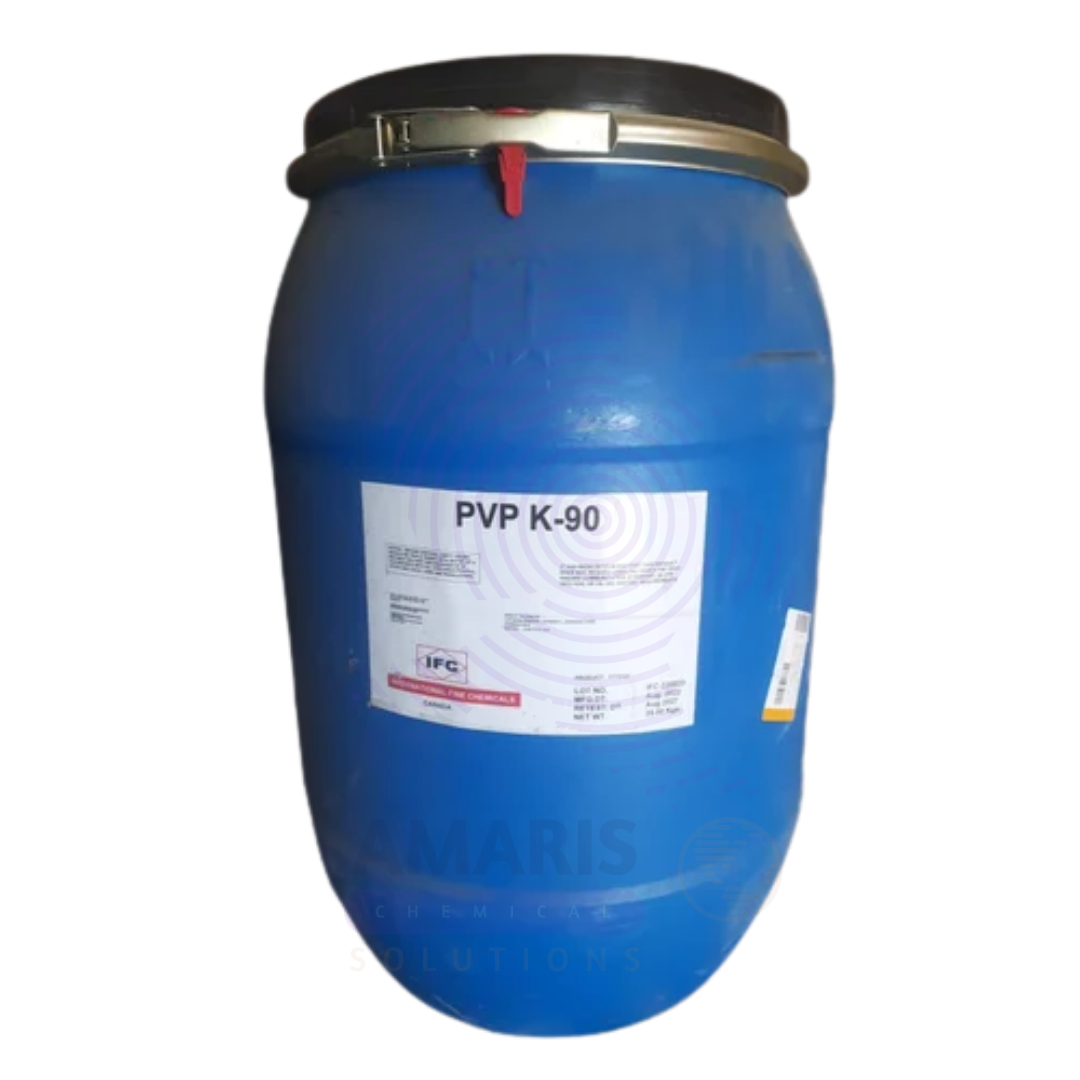


PVP K 90 USP
PVP K 90 USP (Polyvinylpyrrolidone K-90) is a high molecular weight water-soluble polymer widely used in pharmaceutical, cosmetic, and industrial applications. Known for its excellent film-forming, adhesive, and thickening properties, PVP K 90 is particularly valued where higher viscosity and stronger binding are required. This grade meets USP standards, ensuring purity and suitability for pharmaceutical use, especially in sustained-release formulations, suspensions, and topical products.
PVP K 90 USP
Primary Uses
- Pharmaceutical Industry
- Used as a binder in tablets and granules, providing enhanced mechanical strength due to its high molecular weight.
- Functions as a suspending and viscosity-increasing agent in liquid formulations and injectables.
- Employed in controlled-release formulations to regulate drug release kinetics.
- Acts as a film former for protective coatings on tablets and topical products.
- Cosmetics and Personal Care
- Utilized as a thickener, stabilizer, and film former in creams, lotions, shampoos, and hair styling products.
- Enhances moisture retention and skin feel in various skincare formulations.
- Industrial Applications
- Used as a dispersant and stabilizer in adhesives, inks, and paints.
- Applied in the formulation of photographic chemicals and other specialty products.
Secondary Uses
- Food Industry
- Occasionally used as a stabilizer and emulsifier under regulatory approval.
- Laboratory Uses
- Serves as a matrix component in biochemical and molecular biology research.
1. Basic Identification Attributes
- Chemical Name (IUPAC): Poly(1-vinyl-2-pyrrolidone)
- Common/Trade Name: PVP K 90 USP
- CAS Number: 9003-39-8
- HS Code: 3906.90.10
- Synonyms: Polyvinylpyrrolidone K-90; Povidone K90
2. Physical & Chemical Properties
- Physical State: Fine white to off-white powder
- Solubility: Soluble in water and some polar solvents
- Molecular Weight: Approximately 360,000 Da (K value 90)
- pH (1% solution): 4.0 – 7.0
- Odor & Color: Odorless or slight characteristic odor; white powder
3. Safety & Hazard Attributes
- GHS Classification: Not classified as hazardous
- Toxicity: Low toxicity; generally non-irritant
- Exposure Limits: Follow occupational safety guidelines for dust
4. Storage & Handling Attributes
- Storage Conditions: Store in a cool, dry, well-ventilated area, away from moisture and incompatible substances
- Container Type: Sealed bags or drums
- Shelf Life: 2–3 years if stored properly
- Handling Precautions: Avoid dust formation; use appropriate respiratory protection
5. Regulatory & Compliance Attributes
- Complies with USP monograph for Polyvinylpyrrolidone
- Generally Recognized As Safe (GRAS) for specified uses
- Manufactured under GMP conditions
6. Environmental & Health Impact
- Biodegradability: Readily biodegradable
- Ecotoxicity: Low aquatic toxicity
- Bioaccumulation: Not significant
Safety Handling Precautions
- PPE Required: Dust mask, gloves, and eye protection recommended
- Handling Guidelines: Use in well-ventilated areas; minimize dust exposure
- Storage Measures: Keep containers tightly sealed and stored in a dry environment away from moisture
First Aid Measures
- Inhalation: Move to fresh air; seek medical attention if irritation occurs
- Skin Contact: Wash with soap and water; seek medical advice if irritation develops
- Eye Contact: Rinse eyes with plenty of water for 15 minutes; seek medical attention if needed
- Ingestion: Rinse mouth; consult a physician if large quantities ingested
Firefighting Measures
- Fire Hazards: Combustible dust may cause explosive atmospheres
- Extinguishing Media: Water spray, foam, dry chemical, CO₂
- Special Precautions: Avoid dust accumulation; use respiratory and protective clothing
- Hazardous Combustion Products: Carbon oxides, nitrogen oxides
Related products
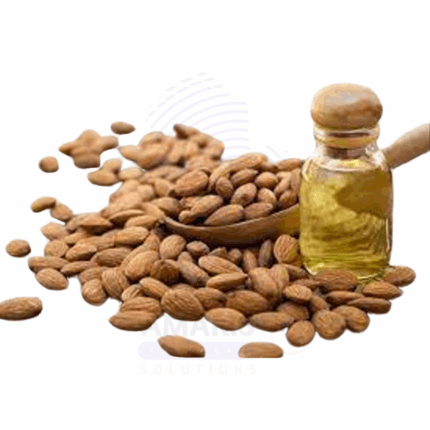
Almond Bitter Oil
Almond Bitter Oil, derived from the kernels of bitter almonds (Prunus amygdalus var. amara), is an essential oil known for its sharp, nutty, and marzipan-like aroma. This oil is produced through steam distillation of crushed bitter almond kernels and contains a naturally occurring compound called benzaldehyde, which gives it its characteristic scent. In purified form (free of hydrogen cyanide), bitter almond oil is used in fragrance, flavoring, and pharmaceutical applications.
Due to its potent aroma and biochemical properties, it is widely used in perfumery, baked goods flavoring (in controlled quantities), aromatherapy, and traditional topical remedies. It is important to distinguish between natural bitter almond oil, which must be detoxified, and synthetic benzaldehyde, which is commonly used as a substitute in commercial formulations.

Cellulose Acetate Phthalate (CAP)
Cellulose Acetate Phthalate (CAP) is a cellulose derivative obtained by esterification of cellulose with acetic acid and phthalic anhydride. It appears as a white to off-white, free-flowing powder that is insoluble in water but soluble in alkaline solutions and certain organic solvents. CAP is primarily used as an enteric coating agent in pharmaceutical formulations, providing resistance to acidic gastric fluids and enabling targeted release of drugs in the intestines. Due to its film-forming, pH-sensitive solubility, and protective properties, CAP is also applied in food, cosmetics, and specialty industrial uses.
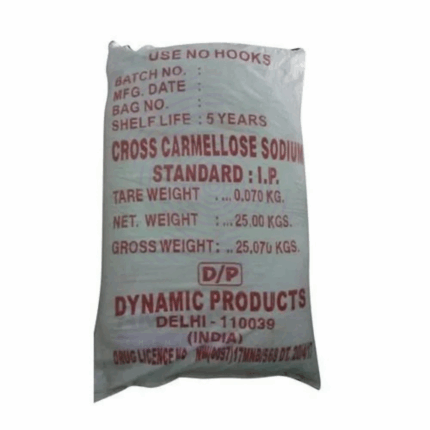
Cross Carmellose Sodium BP
Cross Carmellose Sodium BP (also known as Croscarmellose Sodium or CCS) is a cross-linked sodium carboxymethyl cellulose polymer. It is a highly efficient, super-disintegrant commonly used in pharmaceutical tablet and capsule formulations. This white to off-white, odorless, and tasteless powder exhibits excellent swelling properties and rapid water uptake, which facilitates fast tablet disintegration and improves drug bioavailability. It is chemically stable, non-toxic, and compatible with a wide range of active pharmaceutical ingredients (APIs).
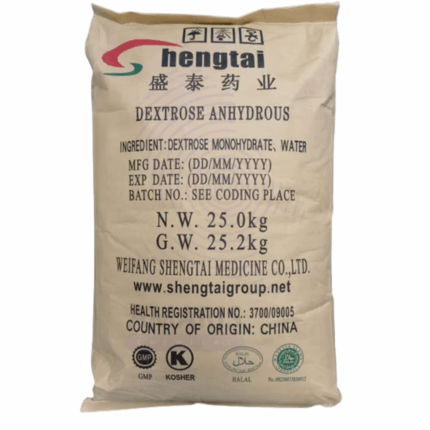
Dextrose Anhydrous BP Injectable
Dextrose Anhydrous BP Injectable is a sterile, highly purified crystalline form of glucose that serves as a critical energy source in intravenous therapy. It is widely used in parenteral nutrition, rehydration, and hypoglycemia management. The anhydrous form contains no water, allowing precise control of concentration in injectable solutions. Meeting British Pharmacopoeia (BP) standards, it ensures pharmaceutical-grade purity and sterility, suitable for direct injection or as a component in compounded IV fluids. It provides readily available carbohydrates metabolized to supply energy, regulate osmolarity, and maintain fluid-electrolyte balance in clinical care.
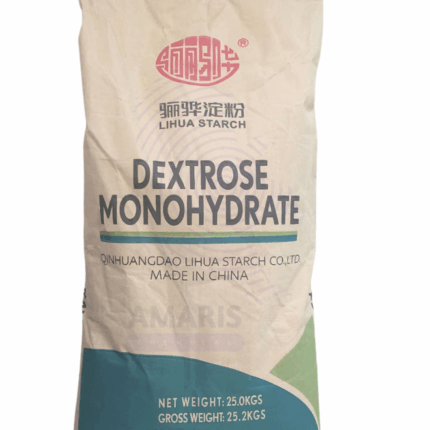
Dextrose Monohydrate
Dextrose Monohydrate is a crystalline form of glucose containing one molecule of water (monohydrate). It is a primary carbohydrate source widely used in pharmaceutical, food, and clinical nutrition applications. It provides readily available energy, serves as a sweetening agent, and acts as an osmotic agent in formulations. Dextrose Monohydrate meets pharmacopoeial standards (such as BP, USP) ensuring high purity, consistency, and safety for use in medical and food-grade products. Its solubility and stable crystalline form make it suitable for intravenous fluids, oral rehydration solutions, and food industry applications.
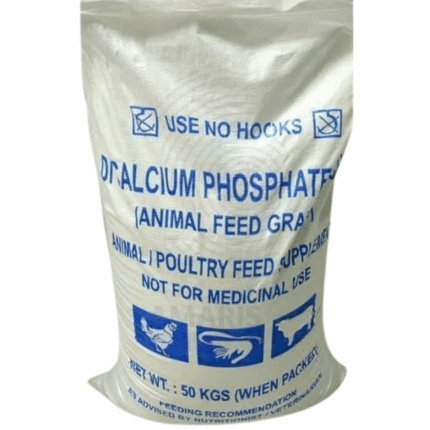
Dicalcium Phosphate
Dicalcium Phosphate (DCP) is an inorganic compound commonly used as a dietary supplement, food additive, and a key raw material in pharmaceuticals and animal nutrition. It appears as a white crystalline powder or granules and provides a highly bioavailable source of calcium and phosphorus, essential minerals for bone health, metabolic functions, and overall growth. DCP is widely used in the feed industry, pharmaceutical manufacturing, food processing, and various industrial applications, appreciated for its purity, stability, and nutritional value.
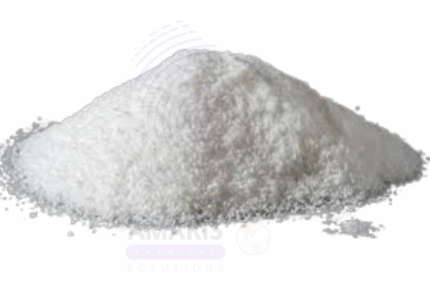
Methyl Cellulose 400mpc
Methyl Cellulose 400mpc is a chemically modified cellulose derivative in powder form. It is a non-ionic, water-soluble polymer widely used as a thickener, binder, emulsifier, and film former. It exhibits excellent water retention, viscosity control, and thermal gelation properties, making it ideal for applications in construction, pharmaceuticals, food, and cosmetics.

Potassium Metabisulphite Food Grade
Potassium Metabisulphite Food Grade is a white crystalline powder with strong antioxidant and preservative properties. It is widely used in the food and beverage industry as a disinfectant, antioxidant, and preservative to prevent spoilage and microbial growth. It also acts as a bleaching agent and sulfur dioxide (SO₂) source. This compound is critical in winemaking, brewing, and food processing to maintain product quality and extend shelf life.












