

 Preservatives(food)
 Flavor Enhancers
 Acidulants
 Sweeteners
 Antioxidants
 Colorants(food)
 Nutraceutical Ingredients (food)
 Nutrient Supplements
 Emulsifiers
 Collectors
 Dust Suppressants
 Explosives and Blasting Agents
 Flocculants and Coagulants
 Frothers
 Leaching Agents
 pH Modifiers
 Precious Metal Extraction Agents
 Antioxidants(plastic)
 Colorants (Pigments, Dyes)
 Fillers and Reinforcements
 Flame Retardants
 Monomers
 Plasticizers
 Polymerization Initiators
 Stabilizers (UV, Heat)
 Antifoaming Agents
 Chelating Agents
 Coagulants and Flocculants
 Corrosion Inhibitors
 Disinfectants and Biocides
 Oxidizing Agents
 pH Adjusters
 Scale Inhibitors( water)
 Antioxidants(cosmetic)
 Emollients
 Fragrances and Essential Oils
 Humectants
 Preservatives
 Surfactants(cosmetic)
 Thickeners
 UV Filters
 Fertilizers
 Soil Conditioners
 Plant Growth Regulators
 Animal Feed Additives
 Biostimulants
 Pesticides (Herbicides, Insecticides, Fungicides)
 Active Pharmaceutical Ingredients (APIs)
 Excipients
 Solvents(pharmaceutical)
 Antibiotics
 Antiseptics and Disinfectants
 Vaccine Adjuvants
 Nutraceutical Ingredients (pharmaceutical)
 Analgesics & Antipyretics
 Analytical Reagents
 Solvents(lab)
 Chromatography Chemicals
 Spectroscopy Reagents
 microbiology-and-cell-culture-reagents
 Molecular Biology Reagents
 Biochemical Reagents
 Inorganic and Organic Standards
 Laboratory Safety Chemicals
 Specialty Laboratory Chemicals(Special Laboratory Equipment)
 Demulsifiers
 Hydraulic Fracturing Fluids
 Scale Inhibitors(oil)
 Surfactants(oil)
 Drilling Fluids
 Dyes and Pigments
 Bleaching Agents
 Softening Agents
 Finishing Agents
 Antistatic Agents
 Admixtures
 Waterproofing Agents
 Sealants and Adhesives
 Curing Compounds
 Concrete Repair Chemicals
 Anti-Corrosion Coatings
 Surfactants(cleaning)
 Builders
 Enzymes
 Solvents (Cleaning)
 Fragrances
 Electronic Chemicals
 Catalysts
 Lubricants
 Photographic Chemicals
 Refrigerants
 Automotive chemicals
 Pyrotechnic Chemicals
 Biodegradable Surfactants
 Bio-based Solvents
 Renewable Polymers
 Carbon Capture Chemicals
 Wastewater Treatment Chemicals
 Pigments
 Solvents(paint)
 Specialty Coatings
 Binders/Resins
 Additives
 Driers
 Anti-Corrosion Agents
 Functional Coatings
 Application-Specific Coatings
 Leavening Agents
 Dough Conditioners
 Flour Treatments
 Fat Replacers
 Decoratives
 Preservatives(baking)
 Plasticizers & Softeners
 Reinforcing Agents
 Adhesion Promoters
 Vulcanizing Agents
 Antidegradants
 Blowing Agents
 Fillers & Extenders
 Accelerators & Retarders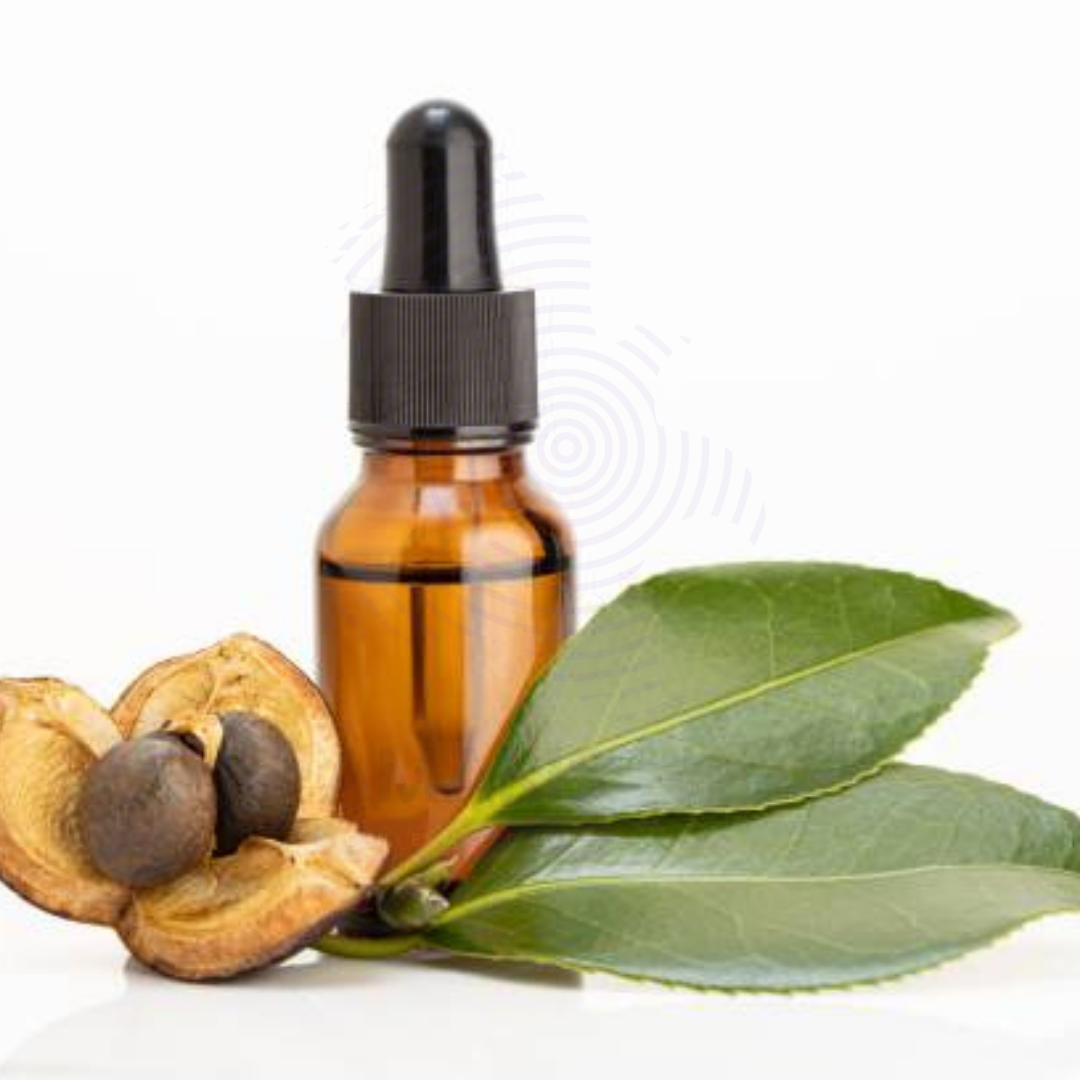


Sassafras Oil
Sassafras Oil is a potent essential oil distilled primarily from the bark of the Sassafras albidum tree, native to North America. Steam distillation yields a yellow to reddish-brown oil with a strong, sweet, root beer–like aroma due to its primary constituent, safrole. Historically used in perfumery, flavoring, and herbal medicine, Sassafras Oil possesses aromatic, antiseptic, and stimulant properties.
Despite its traditional applications, safrole-containing Sassafras Oil is strictly regulated in many countries due to potential hepatotoxicity and carcinogenicity associated with safrole. As such, modern uses are limited, and safrole-free versions are required for legal use in personal care or flavoring. In compliant forms, it finds niche use in natural fragrances, industrial solvents, and botanical extracts.
Sassafras Oil
Primary Uses
- Aromatherapy & Wellness
- Traditionally used in herbal remedies to stimulate circulation and ease rheumatic discomfort.
- Applied in limited, highly controlled aromatherapy practices for its mood-elevating and energizing scent.
- Used in vapor blends historically to promote respiratory comfort (now discouraged due to safety concerns).
- Cosmetics and Personal Care
- Historically used in soaps, perfumes, and aftershaves for its spicy-sweet, earthy fragrance.
- Occasionally included in vintage-style colognes and masculine scent blends (with safrole removed).
- Applied in traditional skin tonics and liniments (now rarely used due to safety regulation).
- Topical Applications
- Used in old herbal salves and poultices for sore muscles and joint pain relief.
- Incorporated in traditional bug repellent blends due to its pungent scent.
Secondary Uses
- Cleaning and Detergent Products
- Included in natural degreasers and industrial cleaning solvents (safrole-free only).
- Used in old-fashioned household products and furniture polishes for its unique aroma.
- Spa and Therapeutic Products
- Limited modern use in spa products due to regulatory status; occasionally used in nostalgic formulations.
- Historically incorporated into foot soaks and muscle balms.
- Fragrance and Ambient Scenting
- Used in vintage and artisanal perfumery for a warm, rooty, spicy base note.
- Applied in scented candles and incense blends for an earthy, nostalgic aroma.
- Incorporated in leather-themed or rustic fragrance blends.
- Pet and Animal Care
- Historically used in flea repellents and pet shampoos (not recommended in modern practice due to safrole risks).
- Industrial and Specialty Applications
- Used in the synthesis of safrole-free derivatives for approved fragrance formulations.
- Occasionally employed in solvent production and botanical pesticide formulations.
1. Basic Identification Attributes
- Botanical Name: Sassafras albidum
- Common/Trade Name: Sassafras Oil
- INCI Name: Sassafras Albidum Oil
- CAS Number: 8006-80-4
- HS Code: 3301.29
- Synonyms: Sassafras Bark Oil, Root Beer Oil, Albidum Oil
2. Physical & Chemical Properties
- Physical State: Liquid essential oil
- Color & Odor: Yellow to reddish-brown; warm, spicy, root beer–like scent
- Solubility: Insoluble in water; soluble in alcohol and oils
- Refractive Index: 1.520 – 1.536
- Specific Gravity: 1.060 – 1.090
- Main Components: Safrole (up to 90% in unregulated oil), eugenol, camphor (trace)
3. Safety & Hazard Attributes
- GHS Classification: Carcinogenic (safrole content); not approved for ingestion in many jurisdictions
- Toxicity: High if safrole is present; use only in external, controlled, and safrole-free formulations
- Exposure Limits: Refer to Safety Data Sheet (SDS); highly restricted
- Allergen Information: Contains safrole, a known sensitizer and carcinogen; may also contain eugenol
4. Storage & Handling Attributes
- Storage Conditions: Store in tightly sealed containers in a cool, dark, and dry environment
- Container Type: Amber glass or metal containers resistant to essential oil corrosion
- Shelf Life: 12 to 24 months depending on safrole content and storage conditions
- Handling Precautions: Handle with protective gloves, goggles, and ventilation; avoid inhalation and skin contact
5. Regulatory & Compliance Attributes
- Restricted by FDA, EPA, and EU cosmetic regulations due to safrole’s carcinogenic classification
- Safrole-free Sassafras Oil is permitted for limited external use
- Not allowed in food or beverage applications
- Subject to CITES-like and hazardous substance regulations in some countries
6. Environmental & Health Impact
- Biodegradability: Biodegradable, but safrole poses environmental risk if improperly disposed
- Ecotoxicity: Potential aquatic toxicity if released in significant concentrations
- Bioaccumulation: Safrole may accumulate in fatty tissues with prolonged exposure
Safety Handling Precautions
- PPE Required: Gloves, protective goggles, and lab coat in all industrial handling
- Handling Guidelines: Use fume hoods or ventilation systems; avoid direct exposure
First Aid Measures
- Inhalation: Move to fresh air; seek medical attention if dizziness or respiratory irritation occurs
- Skin Contact: Wash thoroughly with soap and water; discontinue use if irritation develops
- Eye Contact: Rinse immediately with plenty of clean water; consult a medical professional
- Ingestion: Do not induce vomiting; seek emergency medical care immediately
Firefighting Measures
- Fire Hazards: Flammable; keep away from heat, sparks, and open flames
- Extinguishing Media: Dry chemical powder, foam, carbon dioxide, or water mist
- Special Precautions: Use self-contained breathing apparatus and full protective gear
- Hazardous Combustion Products: Carbon monoxide, carbon dioxide, and aromatic hydrocarbons
Related products
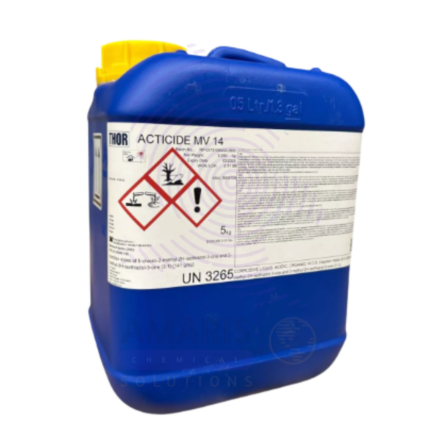
Acticide EPW (Dry Film)
Acticide EPW is a VOC-free, water-based dry film biocide manufactured by Thor Group specifically formulated to protect exterior and interior water-based coatings, paints, and inks from surface fungal and algal growth. It appears as a white to off-white milky dispersion or suspension with a mild odor. The product is based on a synergistic blend of active ingredients including benzimidazole carbamate, 2-n-octyl-4-isothiazolin-3-one (OIT), and a urea derivative with AMME™ technology. This alkali-stable and UV-stable formulation is free from AOX (Adsorbable Organic Halogens) and VOC (Volatile Organic Compounds), making it suitable for low-VOC and environmentally conscious product formulations. Acticide EPW is manufactured for industrial use and is not intended for direct human consumption, medical applications, or food preservation.
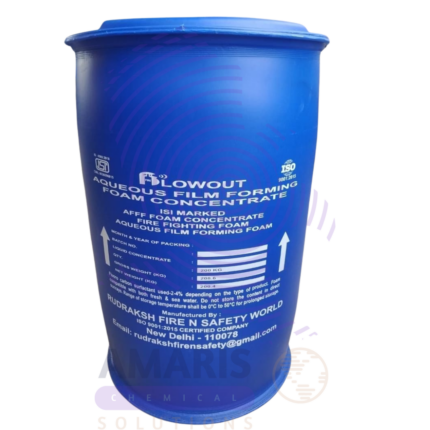
Aqueous Film-Forming Foam (AFF)
Aqueous Film-Forming Foam (AFF) is a highly effective synthetic firefighting foam concentrate designed to extinguish flammable liquid fires (Class B) by forming a water-based film that rapidly cuts off oxygen and halts vapor release. Modern formulations are increasingly fluorine-free (PFAS-free), providing high-performance fire suppression while addressing significant environmental and health concerns associated with legacy PFAS-containing foams. It is used in fixed systems and portable equipment across aviation, maritime, petrochemical, and industrial sectors.
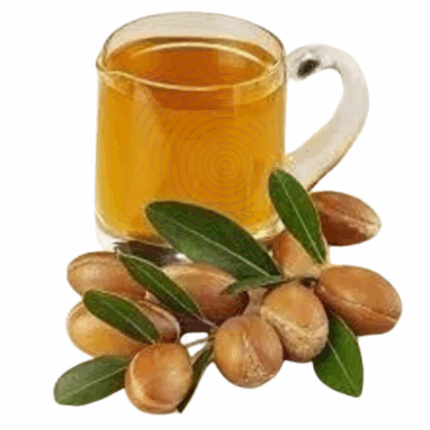
Cade Crude 2 Oil
Cade Crude 2 Oil is a dark, viscous essential oil obtained through destructive distillation of the wood of the Juniperus oxycedrus tree (also known as prickly juniper). Known for its intense smoky, tar-like aroma and antiseptic qualities, this crude-grade cade oil is widely used in traditional skin remedies, veterinary care, and industrial cosmetic applications—especially in products aimed at treating chronic skin conditions such as psoriasis, eczema, and dandruff.
While not as refined as rectified Cade oil, Cade Crude 2 Oil retains a high concentration of phenols, cresols, and other active compounds that contribute to its strong antimicrobial, antifungal, and antipruritic effects. It is used cautiously in topical formulations at low dilution levels and is valued in rustic and smoky fragrance compositions.
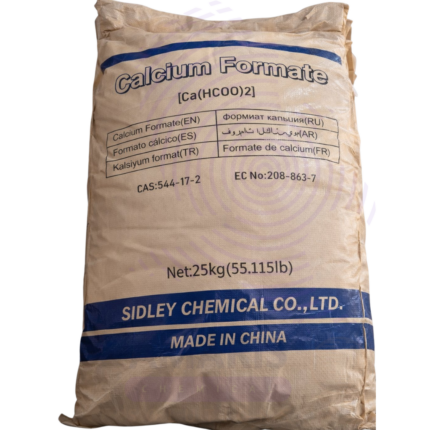
Calcium Formate
Calcium Formate is the calcium salt of formic acid, appearing as a white, free-flowing crystalline powder or granules. It is an odorless compound with a slightly bitter taste and is non-toxic. The chemical formula is Ca(HCOO)₂ with a molecular weight of 130.0 g/mol. Calcium Formate is slightly hygroscopic and readily soluble in water, with solubility of approximately 16.1 g/100 mL at 20°C. Its water solution is neutral with a pH of 6.0 to 8.0. The compound is stable under normal storage conditions and has a decomposition temperature exceeding 400°C. Technical grade Calcium Formate is manufactured for industrial applications including construction, animal feed, leather processing, and water treatment.

Dioctyl Adipate (DOA)
Dioctyl Adipate (DOA) is a clear, colorless, oily liquid that acts as a highly efficient, cold-resistant plasticizer. It is an organic compound produced from the reaction of adipic acid with 2-ethylhexanol. DOA is known for imparting excellent low-temperature flexibility and good lubricity to polymer systems. It is insoluble in water but dissolves readily in organic solvents. Technical grade Dioctyl Adipate is manufactured for industrial applications including plastic and rubber processing, coatings, and lubricants.

Mango Ginger Oil
Mango Ginger Oil is an essential oil extracted from the rhizomes of Curcuma amada, commonly known as mango ginger. It has a unique, fresh, spicy, and sweet mango-like aroma with warm, earthy undertones. This oil is valued for its anti-inflammatory, antimicrobial, and digestive-supporting properties. Mango Ginger Oil is widely used in aromatherapy, perfumery, personal care, and traditional medicine.
The oil is employed in formulations aimed at soothing skin, easing muscle tension, improving digestion, and enhancing mood. Its exotic scent makes it a sought-after ingredient in fragrance blends and wellness products.

Mastic Oil
Mastic Oil is a precious essential oil derived from the resin of the Pistacia lentiscus tree, predominantly found on the Greek island of Chios. Extracted through steam distillation, this oil possesses a distinctive, fresh, slightly piney and balsamic aroma with subtle woody and spicy undertones. Rich in bioactive compounds such as alpha-pinene, beta-pinene, and myrcene, Mastic Oil is valued for its powerful antimicrobial, anti-inflammatory, and antioxidant properties. Traditionally used in Mediterranean folk medicine for digestive health, oral care, and skin healing, it has gained popularity in modern aromatherapy and personal care for its soothing and cleansing effects. Mastic Oil is commonly incorporated in oral hygiene products, skincare formulations, and wellness blends, making it a versatile and revered natural ingredient.
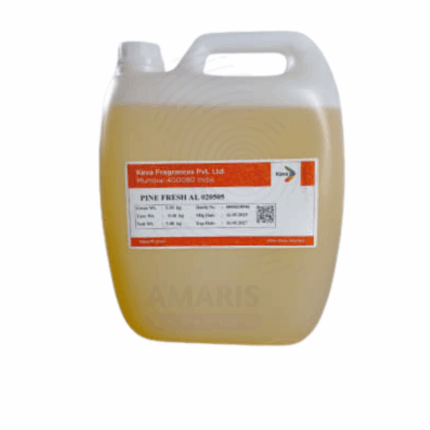
Unipine Fragrance Water Soluble
Unipine Fragrance Water Soluble is a fresh, crisp, pine-based aromatic compound formulated for use in water-based systems. It replicates the clean, invigorating scent of pine forests with subtle herbal and woody undertones, making it a popular choice in air fresheners, cleaning agents, and personal care formulations. Its water-soluble nature allows for easy incorporation into aqueous products without the need for emulsifiers, ensuring even fragrance dispersion and stability. Unipine fragrance offers excellent performance in both homecare and hygiene applications where a natural, clean aroma is desired.












