

 Preservatives(food)
 Flavors
 Acidulants
 Sweeteners
 Antioxidants
 Colorants(food)
 Nutraceutical Ingredients (food)
 Nutrient Supplements
 Emulsifiers
 Collectors
 Dust Suppressants
 Explosives and Blasting Agents
 Flocculants and Coagulants
 Frothers
 Leaching Agents
 pH Modifiers
 Precious Metal Extraction Agents
 Antioxidants(plastic)
 Colorants (Pigments, Dyes)
 Fillers and Reinforcements
 Flame Retardants
 Monomers
 Plasticizers
 Polymerization Initiators
 Stabilizers (UV, Heat)
 Antifoaming Agents
 Chelating Agents
 Coagulants and Flocculants
 Corrosion Inhibitors
 Disinfectants and Biocides
 Oxidizing Agents
 pH Adjusters
 Scale Inhibitors( water)
 Antioxidants(cosmetic)
 Emollients
 Oils
Oils Carrier Oills
 Essential Oils
 Humectants
 Preservatives
 Surfactants(cosmetic)
 Thickeners
 UV Filters
 Fragrance (Cosmetics)
 Fertilizers
 Soil Conditioners
 Plant Growth Regulators
 Animal Feed Additives
 Biostimulants
 Pesticides (Herbicides, Insecticides, Fungicides)
 Active Pharmaceutical Ingredients (APIs)
 Excipients
 Solvents(pharmaceutical)
 Antibiotics
 Antiseptics and Disinfectants
 Vaccine Adjuvants
 Nutraceutical Ingredients (pharmaceutical)
 Analgesics & Antipyretics
 Analytical Reagents
 Solvents(lab)
 Chromatography Chemicals
 Spectroscopy Reagents
 microbiology-and-cell-culture-reagents
 Molecular Biology Reagents
 Biochemical Reagents
 Inorganic and Organic Standards
 Laboratory Safety Chemicals
 Specialty Laboratory Chemicals(Special Laboratory Equipment)
 Demulsifiers
 Hydraulic Fracturing Fluids
 Scale Inhibitors(oil)
 Surfactants(oil)
 Drilling Fluids
 Dyes and Pigments
 Bleaching Agents
 Softening Agents
 Finishing Agents
 Antistatic Agents
 Admixtures
 Waterproofing Agents
 Sealants and Adhesives
 Curing Compounds
 Concrete Repair Chemicals
 Anti-Corrosion Coatings
 Surfactants(cleaning)
 Builders
 Enzymes
 Solvents (Cleaning)
 Electronic Chemicals
 Catalysts
 Lubricants
 Photographic Chemicals
 Refrigerants
 Automotive chemicals
 Pyrotechnic Chemicals
 Biodegradable Surfactants
 Bio-based Solvents
 Renewable Polymers
 Carbon Capture Chemicals
 Wastewater Treatment Chemicals
 Pigments
 Solvents(paint)
 Specialty Coatings
 Binders/Resins
 Additives
 Driers
 Anti-Corrosion Agents
 Functional Coatings
 Application-Specific Coatings
 Leavening Agents
 Dough Conditioners
 Flour Treatments
 Fat Replacers
 Decoratives
 Preservatives(baking)
 Plasticizers & Softeners
 Reinforcing Agents
 Adhesion Promoters
 Vulcanizing Agents
 Antidegradants
 Blowing Agents
 Fillers & Extenders
 Accelerators & Retarders
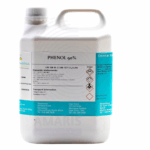


Satin Black
Satin Black is a premium black pigment or coating product designed to provide a smooth, satin finish with moderate gloss and a soft sheen. It is widely used in paints, coatings, plastics, and inks to impart a deep black color with a balanced, non-reflective surface appearance. Satin Black offers good opacity, durability, and resistance to environmental factors, making it ideal for decorative and functional applications requiring an elegant, subdued black finish.
Satin Black
Primary Uses
- Paints and Coatings
- Used in architectural and industrial coatings to achieve a satin black finish on metal, wood, plastics, and other substrates.
- Provides aesthetic appeal with moderate gloss and excellent hiding power.
- Offers resistance to UV radiation, weathering, and abrasion.
- Plastics
- Incorporated into plastic formulations to impart deep black coloration with a satin surface.
- Used in automotive parts, consumer goods, and electronic housings.
- Printing Inks
- Applied in printing inks to produce black prints with a satin gloss level suitable for packaging, labels, and publications.
Secondary Uses
- Textiles
- Used in textile printing and dyeing for achieving a durable satin black color on fabrics.
- Automotive and Aerospace
- Utilized in specialty coatings for automotive interiors and aerospace components requiring satin black finishes with durability.
- Art Supplies
- Incorporated into artist paints and mediums for creating satin black effects with controlled gloss.
1. Basic Identification Attributes
- Chemical Name (IUPAC): Varies by pigment composition (commonly carbon black-based)
- Common/Trade Name: Satin Black
- CAS Number: Varies depending on pigment source
- HS Code: 3204.19 (Pigments)
- Synonyms: Satin black pigment; satin finish black coating
2. Physical & Chemical Properties
- Physical State: Powder or liquid dispersion depending on formulation
- Color & Odor: Deep black; odorless
- Solubility: Insoluble in water; dispersible in solvents or resins
- Density: Typically ~1.8 - 2.0 g/cm³ (pigment powder)
3. Safety & Hazard Attributes
- GHS Classification: May vary; generally low hazard but avoid inhalation of powders
- Toxicity: Low toxicity; carbon black may pose inhalation risk in powder form
- Exposure Limits: Follow occupational exposure guidelines
4. Storage & Handling Attributes
- Storage Conditions: Store in sealed containers in a dry, cool place away from ignition sources
- Container Type: Bags, drums, or pails depending on form
- Shelf Life: Stable under proper storage for 1–3 years
- Handling Precautions: Avoid dust generation; use protective equipment during handling
5. Regulatory & Compliance Attributes
- Complies with relevant safety and environmental regulations for pigments and coatings
6. Environmental & Health Impact
- Biodegradability: Not biodegradable; inert pigment material
- Ecotoxicity: Low; minimal environmental hazard if handled properly
Bioaccumulation: Not significant
Safety Handling Precautions
- PPE Required: Dust mask, gloves, and eye protection recommended when handling powders
- Handling Guidelines: Use in well-ventilated areas; avoid dust inhalation
- Storage Measures: Keep containers tightly closed and stored in a dry environment
First Aid Measures
- Inhalation: Move to fresh air; seek medical advice if respiratory irritation occurs
- Skin Contact: Wash with soap and water; seek medical attention if irritation persists
- Eye Contact: Rinse with water for at least 15 minutes; seek medical attention if irritation continues
- Ingestion: Rinse mouth; seek medical advice if large quantities ingested
Firefighting Measures
- Fire Hazards: Non-flammable but may support combustion of other materials
- Extinguishing Media: Use water spray, foam, dry chemical, or CO₂
- Special Precautions: Use protective equipment and avoid dust clouds
- Hazardous Combustion Products: Carbon oxides if burned
Related products
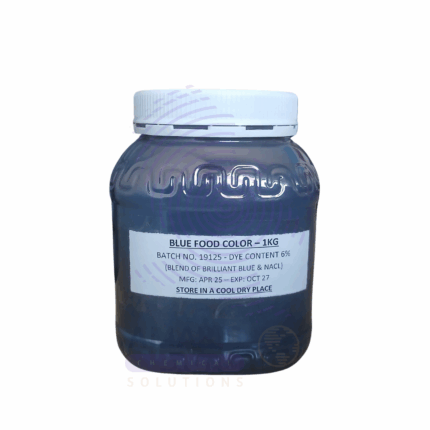
Blue Color Water Soluble
Blue Color Water Soluble is a synthetic dye that dissolves readily in water, producing a vivid blue hue with excellent clarity and uniformity. It is widely used in textile dyeing, food and beverage coloring, cosmetics, pharmaceutical formulations, paints, and laboratory applications. The dye maintains stability across a broad pH range and provides consistent, bright coloration in aqueous systems. Its versatility makes it suitable for industrial, research, and commercial uses requiring a water-soluble blue pigment.
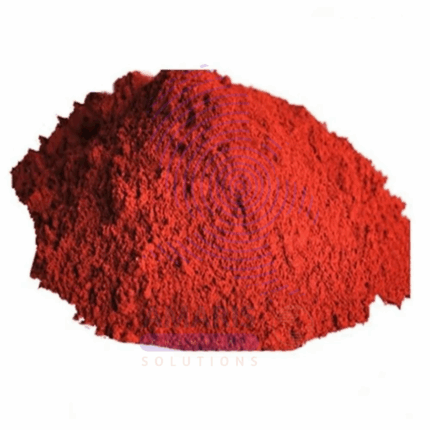
Bright Red Dye
Bright Red Dye is a high-strength, water-soluble synthetic dye solution designed for vibrant red coloration across various industrial and consumer products. With 20% active dye content, it offers excellent color intensity, easy dispersibility, and compatibility with a wide range of aqueous systems. This versatile dye is widely used in textiles, paper, personal care products, and household cleaning formulations.
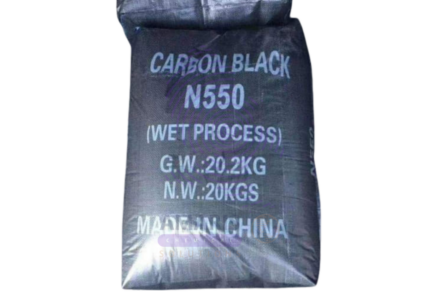
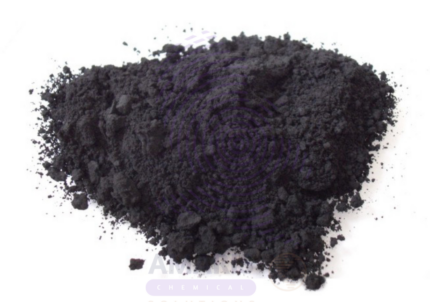
Carbon Black
Carbon Black Concentrate Dispersions are homogeneous, ready-to-use formulations consisting of high-quality carbon black uniformly dispersed in a compatible liquid or solid carrier system. These products are engineered to deliver precise, repeatable carbon black loading levels at concentrations of 15%, 25%, 40%, and 50%, enabling manufacturers to achieve consistent jetness, tint strength, UV protection, electrical conductivity, and reinforcement across a wide range of industrial applications. Each variant is identified by a unique product code (169FF, 121FF, 13FF, 32PP) denoting the specific carbon black grade, with the percentage indicating the exact weight concentration of carbon black in the dispersion. These products eliminate the handling hazards, dust contamination, and dispersion inconsistencies associated with raw powdered carbon black, while significantly improving manufacturing efficiency, color matching, and end-product performance. They are designed to be "let down" (diluted) into a compatible base material at recommended ratios to achieve the target carbon black level for specific formulation requirements. These are industrial-grade products and are not intended for food, pharmaceutical, or cosmetic applications unless explicitly certified otherwise.

Medium Chrome
Medium Chrome is a specialized chemical compound used primarily as a pigment and corrosion inhibitor in industrial applications. It delivers enhanced color stability, chemical resistance, and durability to coatings, paints, and metal treatments. Medium Chrome is valued for its vibrant hue, resistance to weathering, and ability to improve the lifespan and protective qualities of surface finishes.
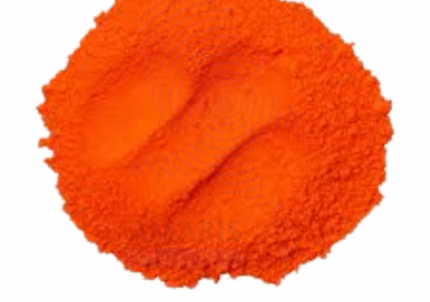
Pigment Orange
Pigment Orange is a concentrated dispersion of synthetic orange pigment particles in a suitable carrier, designed to deliver bright, vivid orange coloration. It offers excellent stability, heat resistance, and chemical inertness, making it suitable for diverse industrial applications including paints, plastics, inks, and coatings. This pigment ensures consistent color strength and durability across a variety of substrates.

Scarlet Chrome
Scarlet Chrome is a vibrant, high-quality inorganic pigment primarily composed of lead chromate compounds. Known for its brilliant scarlet-red hue, it offers excellent opacity, weather resistance, and durability. Scarlet Chrome pigment is widely used in paints, coatings, plastics, and printing inks where strong, long-lasting color performance is essential. Its chemical stability and resistance to light and heat make it a preferred choice for outdoor applications and industrial finishes.
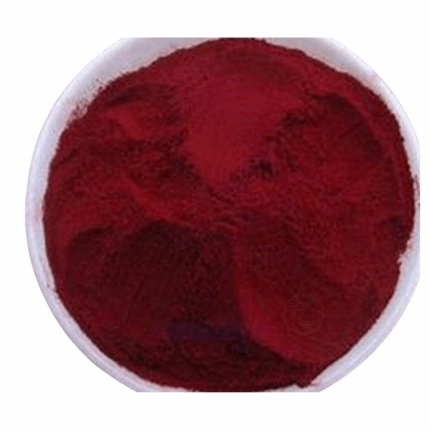
Strawberry Red Pigment
Strawberry red pigment is a concentrated synthetic pigment dispersion providing a bright and vivid strawberry-red coloration. Known for its excellent lightfastness, chemical resistance, and thermal stability, it is widely used in paints, coatings, plastics, inks, and specialty industrial applications. The pigment ensures consistent color strength and durability across multiple manufacturing processes and substrates.
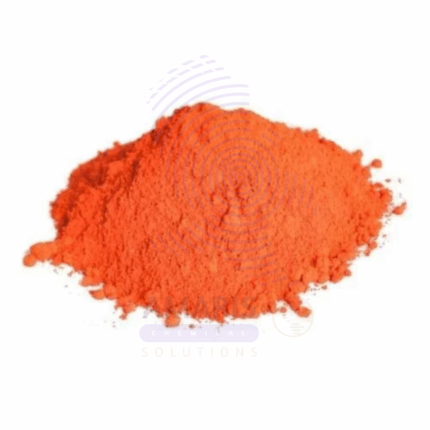
Waxol Solvent Orange
Waxol Solvent Orange is a synthetic solvent dye characterized by its vibrant orange color and excellent solubility in organic solvents such as hydrocarbons, oils, and waxes. It is widely used for coloring non-polar substrates where water-soluble dyes are unsuitable. The dye offers good lightfastness and stability in plasticizers, coatings, inks, and lubricants, providing consistent and uniform coloration. Waxol Solvent Orange 14 is ideal for applications requiring high tinting strength, chemical resistance, and compatibility with solvent-based systems in industrial and decorative uses.












